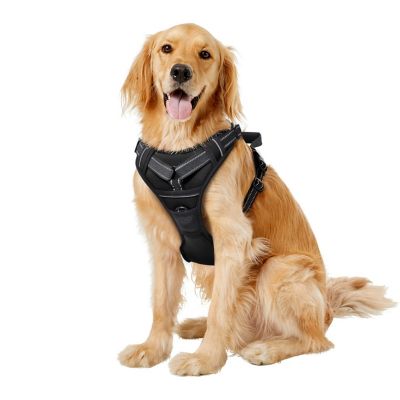
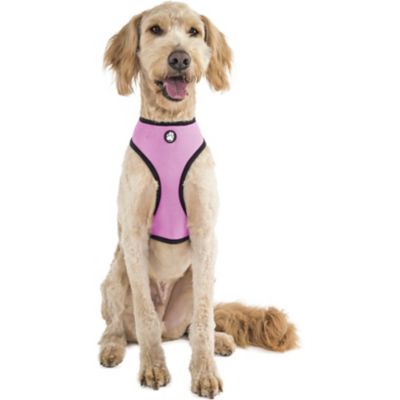
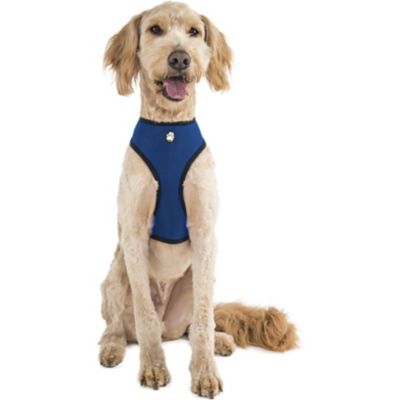
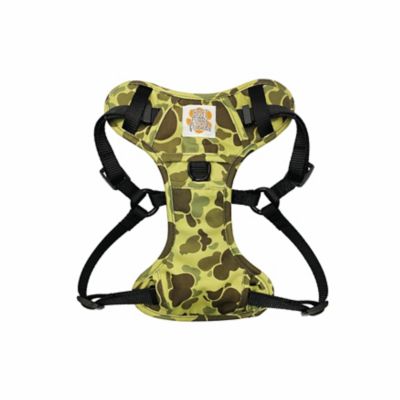
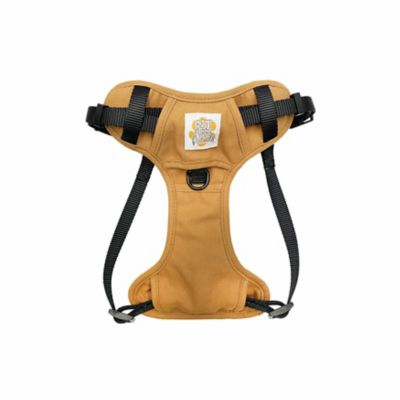
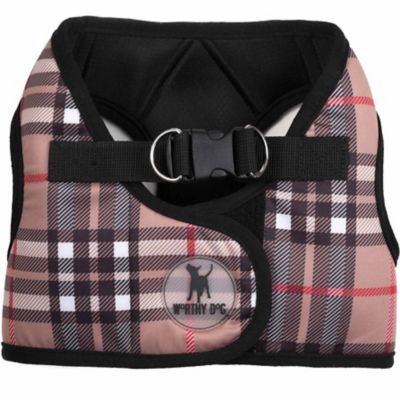
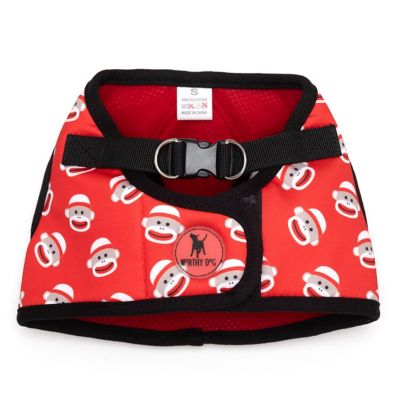
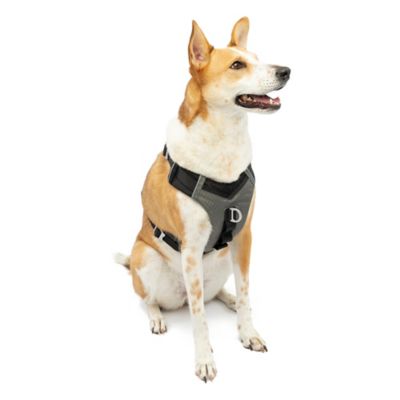
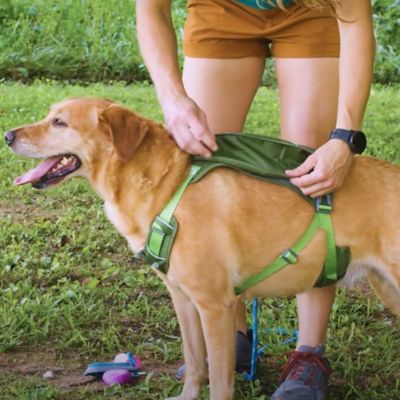
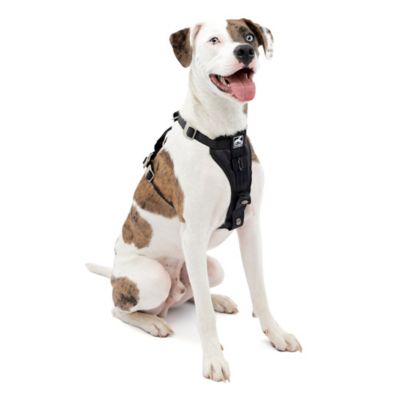
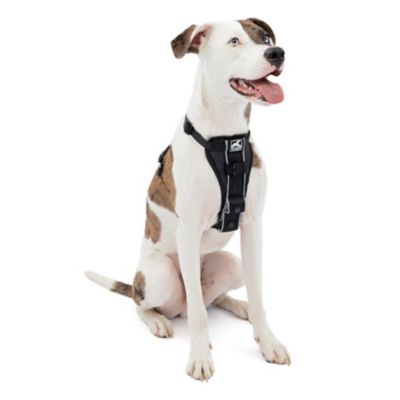
X-large dog harnesses give bigger dogs a leash attachment point on the body, helping spread leash pressure across the chest and torso rather than concentrating it at the neck. They suit everyday walks, trips into town, trail outings and other activities where a large dog needs to stay close without a leash attached to the collar. For a broad-chested dog heading down the farm lane or a tall, long-legged companion learning to walk beside you, fit matters more than the size printed on the tag. Extra-large sizing varies between manufacturers, and two dogs of the same weight can have very different builds. Start with a chest measurement around the widest part of the rib cage, usually just behind the front legs, and take any additional neck or body measurements called for on the size chart. A flexible tape should rest against the coat without pulling tight. Weight ranges can help narrow the search, but chest measurements and adjustment ranges are better starting points than breed names alone. Deep-chested dogs may need a different shape than stockier dogs, even when both fall into an XL size range. Multiple adjustment points make it easier to settle the chest panel and body straps into place without leaving loose loops. Follow the maker’s fit directions, which commonly call for enough room to slide two fingers beneath the straps. The harness should stay centered when the dog turns, sits or lowers its nose to sniff. Check that straps do not press into the throat, crowd the front legs or rub behind the elbows. A short walk around the yard can reveal twisting, slipping or a shortened stride before a longer outing. Dogs that back away from the leash need particular attention to escape resistance; a loose harness can slide forward over the shoulders. Recheck the fit after grooming, changes in body weight or any adjustment to the straps, since a comfortable fit is not something to set once and forget.
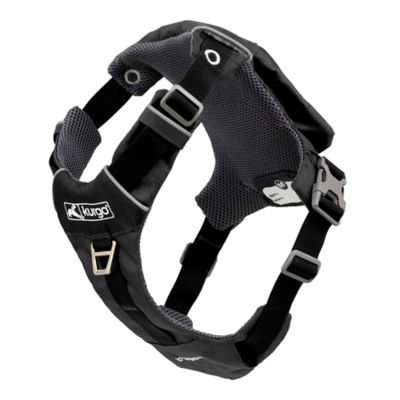
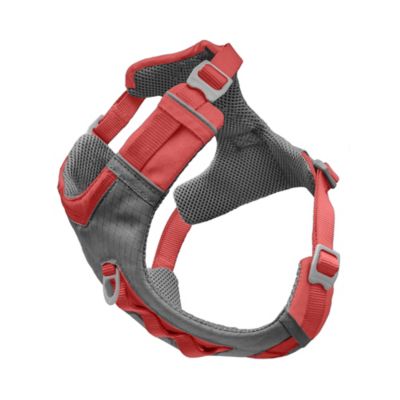
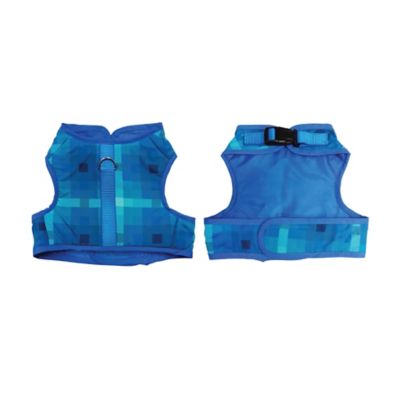
Materials and construction help determine how an extra-large dog harness feels on the dog and holds up to everyday wear. Nylon and polyester webbing are common choices for body straps, while fabric panels, mesh linings and padding can add coverage or cushion contact points. Wider straps may spread pressure over a larger area, but width alone does not make a harness suitable for a powerful dog. Look closely at stitching, reinforced attachment points, buckle construction and the way adjustment hardware holds the straps in place. Smooth edges and well-positioned seams matter on short-coated dogs, especially where the harness moves with each step. Mesh can allow airflow, while a more substantial fabric shell may offer greater coverage; neither replaces a proper fit or sensible supervision. For strong dogs and frequent outings,
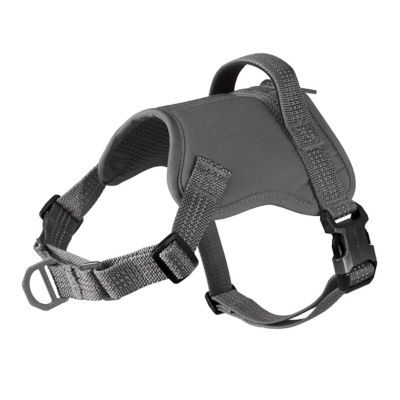
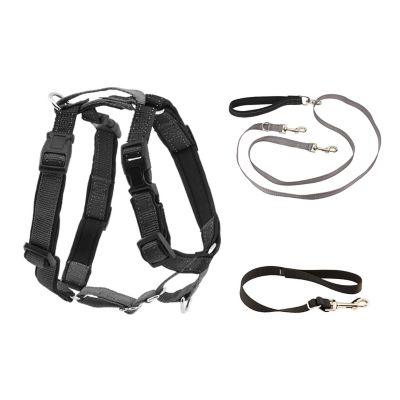
Heavy Duty Dog Harnesses are worth comparing for reinforced construction, substantial hardware and strap layouts that suit the dog’s build. Leash attachment placement is another practical difference. A back attachment keeps the leash away from the front legs and can work well for a dog that already walks on a loose leash. A front attachment can help redirect a dog that pulls by turning its body toward the handler, though it does not replace training and may require extra attention to leash position. Harnesses with both attachment points offer flexibility for different walking routines when paired with suitable equipment. Keep the chest panel clear of the throat and check that the design allows a natural stride rather than restricting shoulder movement. Buckles can make getting dressed simpler for a dog that dislikes having gear slipped over its head, while step-in designs call for a dog willing to stand calmly as each paw is positioned. A top handle may help steady a dog briefly at a gate or beside a vehicle, but it should not serve as a lifting point unless the harness is specifically designed and rated for that purpose.
An XL dog harness should match the job, whether that means a steady loop past the pasture fence, practicing leash manners along the driveway or walking through a busy parking lot. A broad, energetic dog may benefit from secure adjustment and more than one leash attachment option, while a dog with sensitive skin may need special attention to lining, seam placement and cleaning. For a dog with pain, breathing concerns, an altered gait or limited mobility, ask a veterinarian about an appropriate design before relying on a harness for support. An everyday walking harness is not automatically a vehicle restraint, either. Travel calls for equipment specifically designed for that purpose, with crash-test information and installation directions that match the intended setup. Around the property, keep leash slack and loose straps away from machinery, gates and livestock, and do not leave a dog tethered or unattended in a walking harness. Even a substantial strap can give way after chewing or repeated abrasion. Care starts with the label: some harnesses allow machine washing, while others need hand washing with mild soap. Remove loose hair and grit, rinse away soap thoroughly and let the harness dry completely before putting it back on the dog or storing it. Avoid high heat unless the care directions permit it, and check whether padding or hidden folds are still damp. Regularly inspect stitching, webbing, buckles and leash rings for fraying, cracks, distortion or parts that no longer fasten fully. Replace damaged equipment rather than trusting a quick repair to hold a large dog. A harness can also make a thoughtful gift for someone bringing home a bigger companion, provided the dog’s measurements and the recipient’s preferred fastening style are known. The best match is one that fits the dog’s shape, suits the handler’s routine and stays comfortable through the ordinary stops, starts and sniffing breaks of a walk.