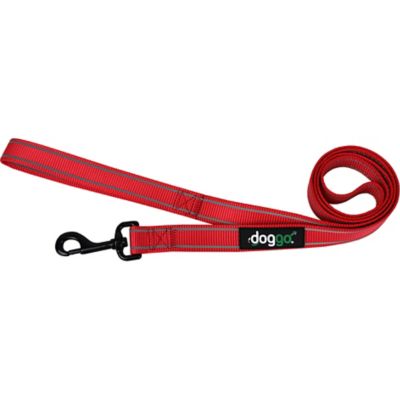
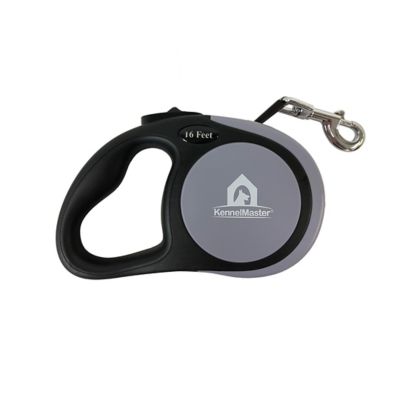
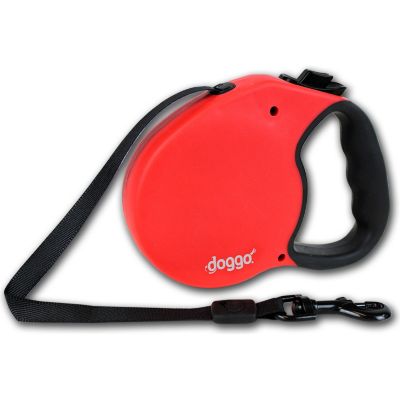
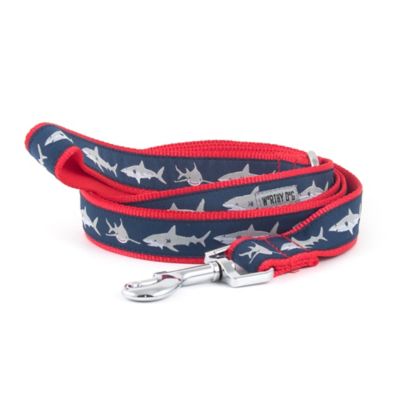
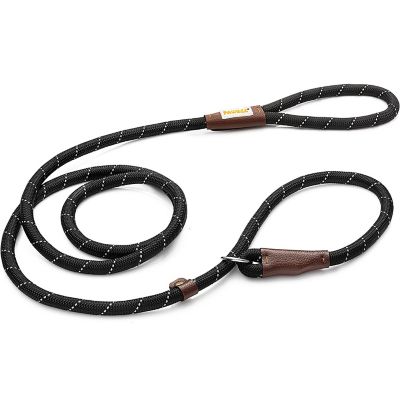
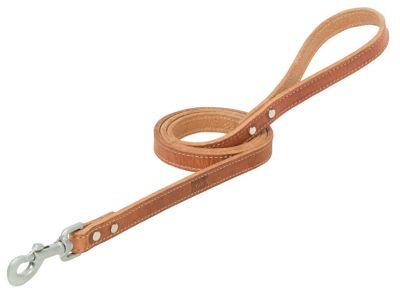
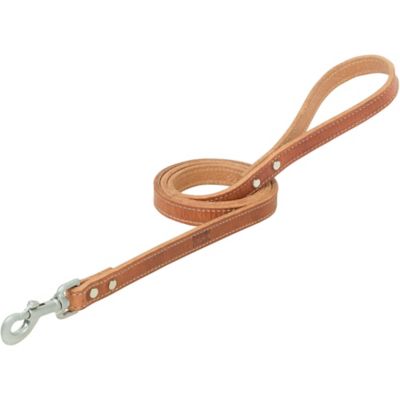
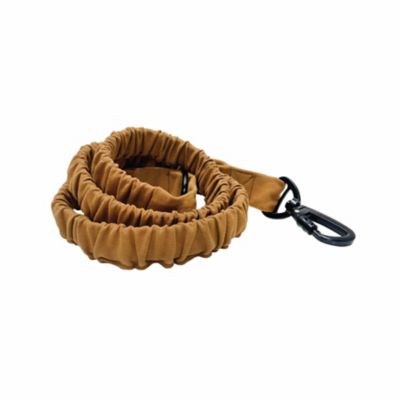
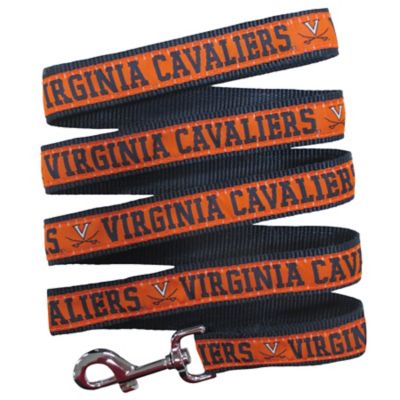
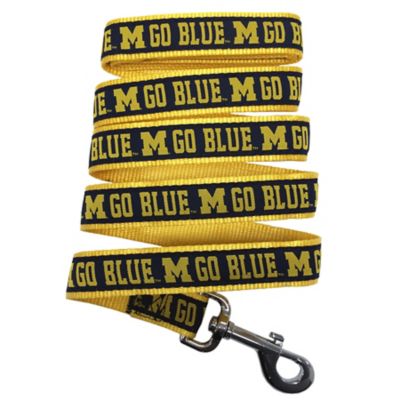
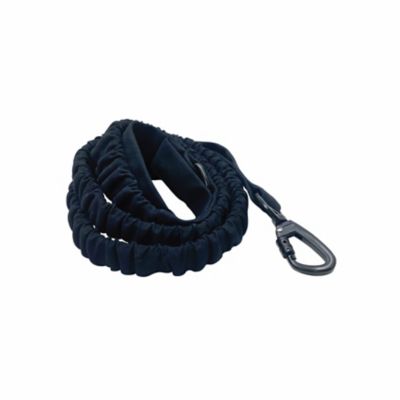
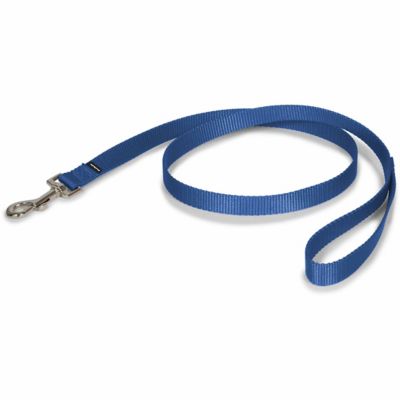
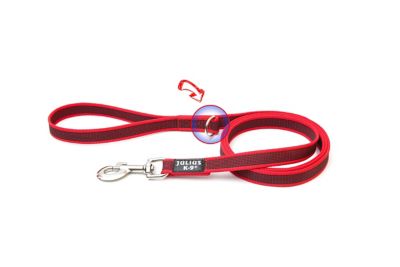
Heavy duty dog leashes are made for dogs, people and places that put ordinary walking gear to the test. A powerful retriever pulling toward a pond, a broad-chested hound tracking a scent through the brush, or a working dog moving across a busy farmyard can create a lot of force in a hurry. Strong leash materials help provide dependable handling for everyday walks, training sessions, outdoor chores and trail time. Common choices include thick nylon webbing, climbing-style rope and oiled harness leather. Nylon is popular because it is lightweight, flexible and easy to clean, while climbing rope offers a sturdy, comfortable feel in the hand and handles active use well. Leather can soften and become more comfortable as it breaks in, making it a practical fit for handlers who appreciate traditional gear and a solid, substantial feel. When comparing a heavy duty dog leash, look closely at the entire construction rather than focusing only on the leash material. Wide webbing, often around 1 inch, can resist twisting and spreading under pressure. Rope designs with a substantial diameter, such as 9 millimeters or more, may offer a reassuring grip for large or energetic dogs. Reinforced stitching at the handle and clip end is especially important because these are high-stress points. Check for clean, tight stitches and sturdy areas where layers of material overlap. A leash can look rugged at first glance, but the strength of the stitching, connection points and hardware often determines how well it holds up after repeated pulling, wet grass, mud and daily wear.
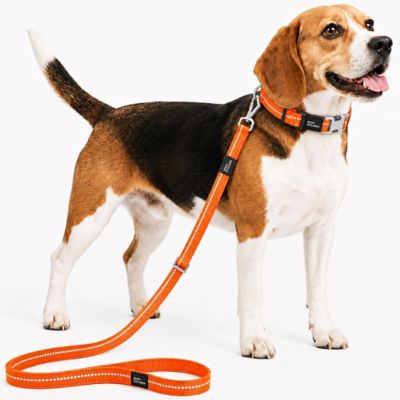
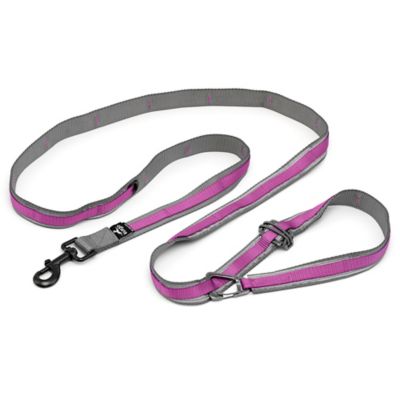
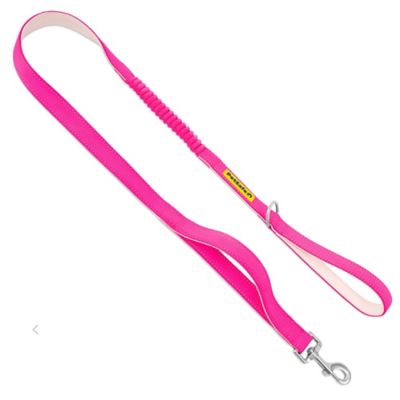
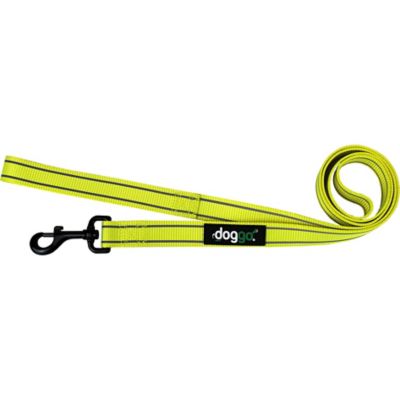
Hardware deserves just as much attention. Look for a dependable swivel snap or connector made from strong metal, such as stainless steel or solid brass, with a smooth action that opens and closes securely. The clip should match the size and strength of the dog, and it should be easy to operate while wearing gloves during cooler weather. Avoid hardware that feels flimsy, rattles loosely or shows rough edges around the gate. A swivel can help reduce tangling when a dog changes direction, which is handy on winding paths or while working around gates and equipment. For extra control, many heavy duty dog leashes include a second traffic handle positioned close to the collar clip. This shorter handle lets you bring a dog closer without bunching the full leash in your hand, giving you better control near roads, livestock, other dogs or crowded walking areas. A padded handle can make a noticeable difference when a dog pulls, especially during longer walks. Reflective stitching or a reflective strip can also improve visibility during the darker hours that come with the cooler seasons, although reflective details do not replace a light or high-visibility clothing when walking near traffic. Consider the leash length, too. A shorter option can provide closer handling for training and busy spaces, while a longer length gives a well-mannered dog more room to sniff and explore. Every leash should be used with a properly fitted collar or harness, and it is wise to inspect the clip, stitching and material regularly for fraying, cracking, rust or other damage. No leash is chew-proof, and even a heavy duty design should not be left attached to a dog that is determined to gnaw through it.
These leashes suit large breeds, strong pullers, active dogs and handlers who spend time beyond the neighborhood sidewalk. They can be useful for hiking wooded trails, walking along gravel roads, visiting parks, training in open areas or moving between the house, barn and truck. They are also a thoughtful gift for a new dog owner, a family bringing home a large-breed puppy, a hunter with a dependable field companion or anyone preparing for more outdoor time with a dog. A durable leash can be particularly welcome for someone replacing worn-out walking gear after a season of muddy paths and wet weather. During the cooler months, sturdy construction and a comfortable handle make it easier to keep a steady grip when hands are cold or when a dog is eager to stretch its legs. In rural settings, a reliable leash adds peace of mind around driveways, livestock, feed rooms and unfenced areas, where a quick change in direction can matter. Even with strong gear, good handling habits remain important: keep the leash secure in your hand, give your dog room where it is safe to do so, and shorten the distance near hazards or distractions. For more help comparing styles, materials and everyday features, visit
Best Dog Leashes. Choosing the right leash comes down to matching its strength, length, grip and hardware to the dog’s size, personality and routine. A well-made option should feel dependable in your hand, move naturally with your dog and stand up to the kind of honest use that happens on sidewalks, trails, farms and back roads.