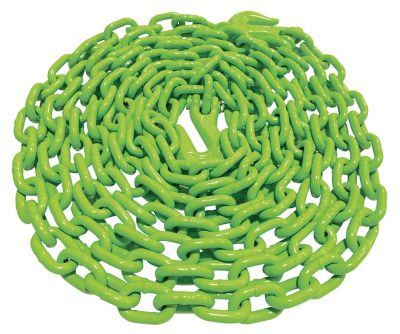
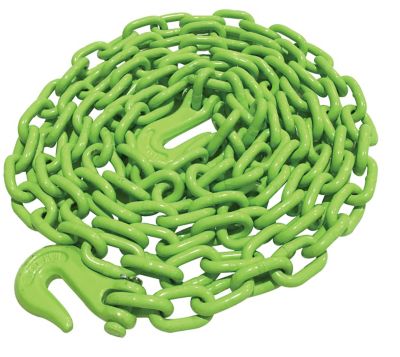
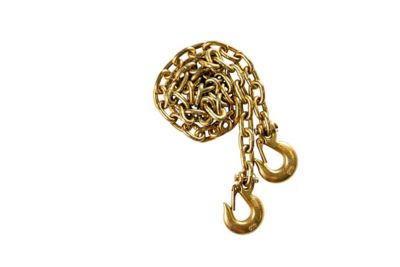
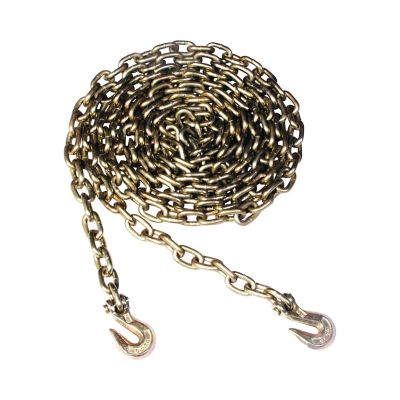
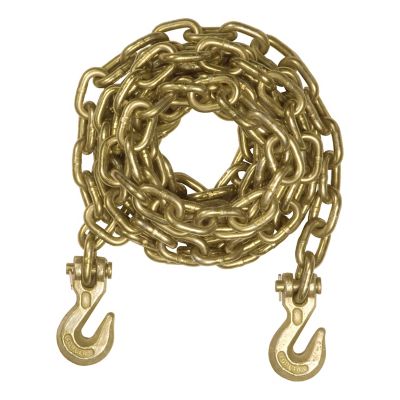
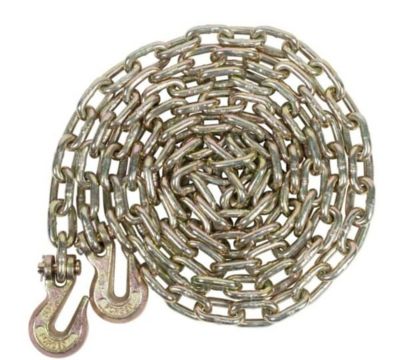
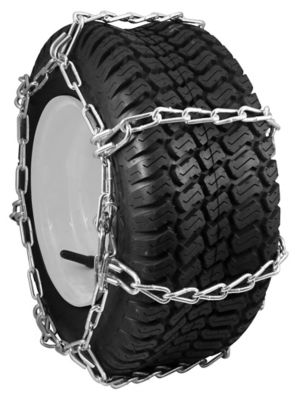
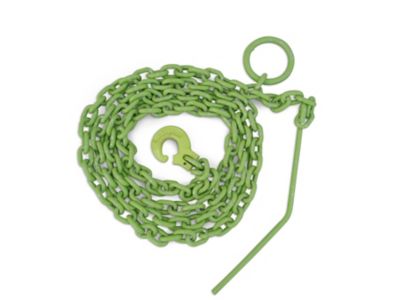
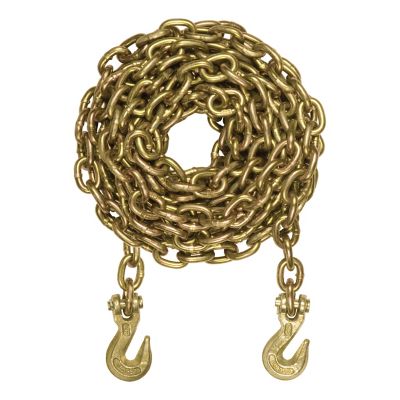
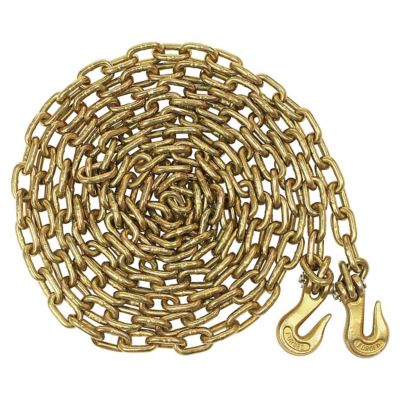
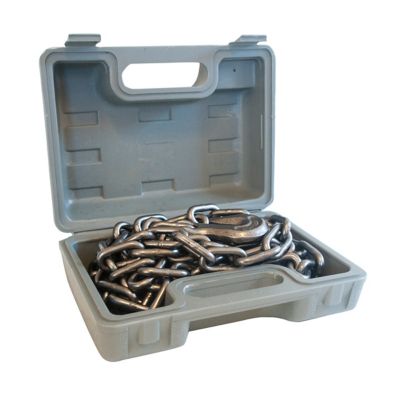
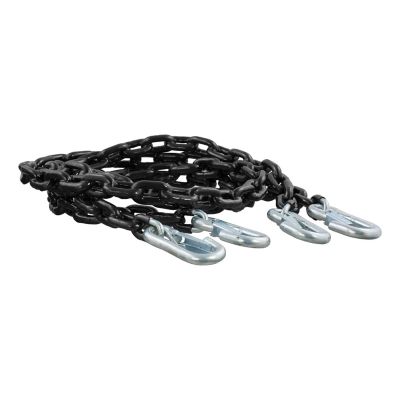
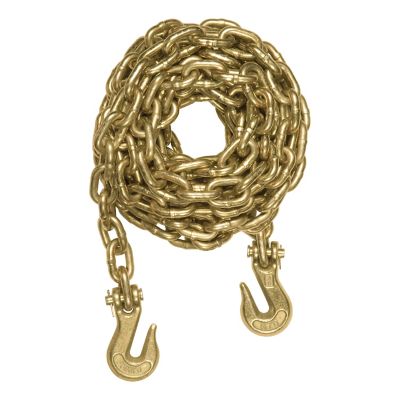
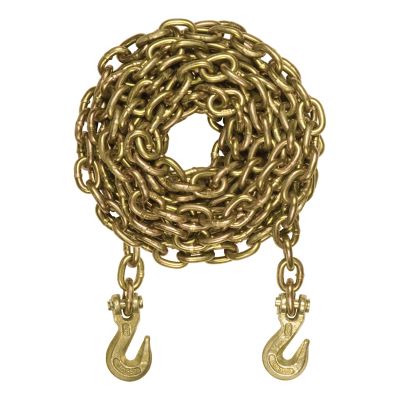
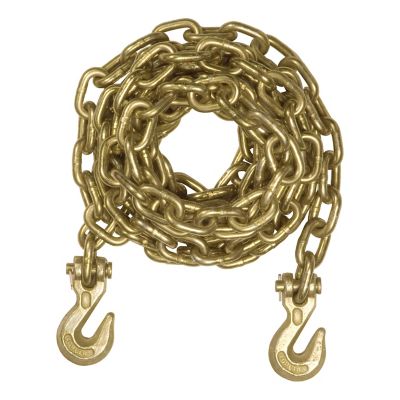
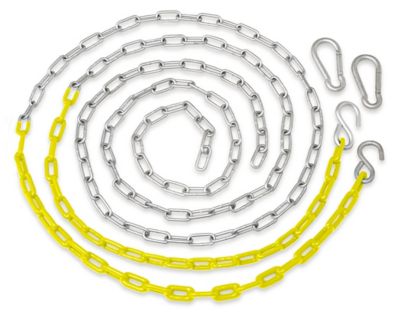
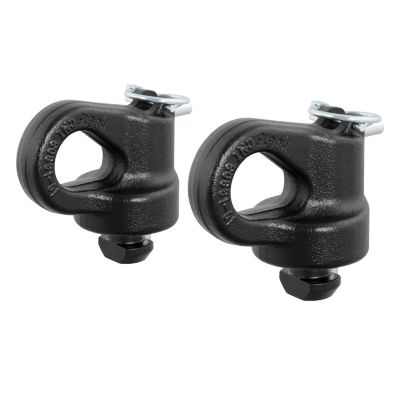
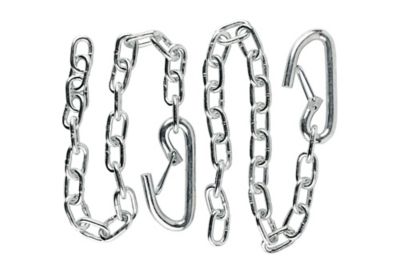
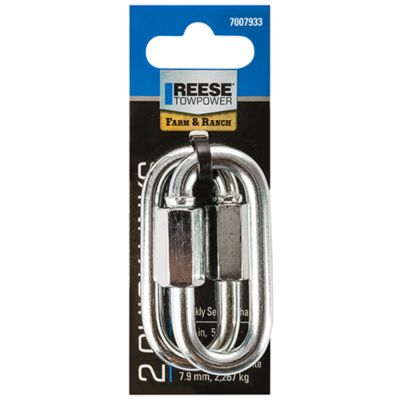
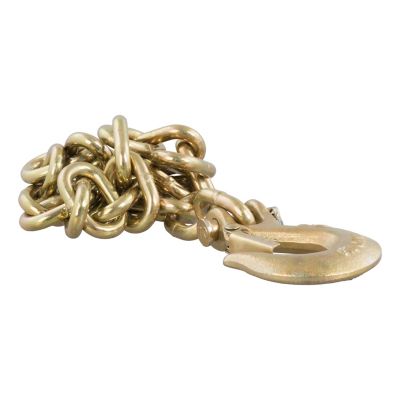
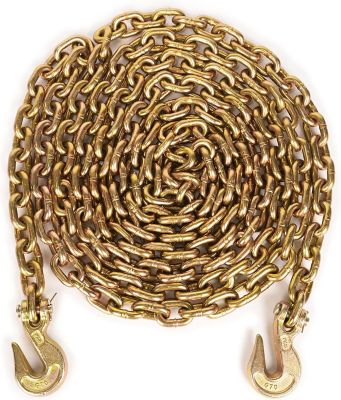
Heavy duty chains are the kind of dependable gear that earns its place in a barn, shop, trailer, or service truck. Built for demanding jobs, they can help with securing equipment, handling materials, pulling or moving heavy loads, and keeping items steady when a regular chain just does not offer enough strength. Farmers, ranchers, landscapers, construction crews, property owners, and serious DIYers often keep several chain sizes and lengths on hand because the right chain can make a tough job more manageable. A well-made chain may be used around a tractor, utility trailer, livestock operation, worksite, or wooded property, but every job calls for careful attention to the chain’s intended use and rated capacity. Before choosing one, consider the working load limit, chain diameter, overall length, material, finish, and the type of hooks or connecting hardware included. A thicker chain is not automatically the right chain for every task, and the heaviest option may be difficult to handle or awkward to store. Look for clear load ratings from the manufacturer, then choose a chain with a working load limit that comfortably exceeds the weight being secured or moved. Never rely on a chain’s appearance alone; two chains that look similar can have very different strength ratings depending on their grade, construction, and fittings. If you are replacing an older chain, check its markings and measure its length and diameter so the new one fits the job and works with the equipment already in your setup. For vehicle recovery and hauling needs, you may also want to compare the selection of
Tow Chains to find a suitable option for moving or securing heavy vehicles and equipment.
The details matter even more when chains are used outdoors or around rough, hardworking equipment. Dirt, gravel, mud, moisture, and repeated dragging can wear down metal over time, while sharp edges can place extra stress on links and hooks. Before each use, look for stretched or bent links, deep nicks, cracks, heavy rust, worn hook latches, or any other sign of damage. A chain that has been shock-loaded, pulled at an angle, or exposed to more weight than its rating may be unsafe even if it still looks usable. Keep loads balanced whenever possible, make sure hooks are seated correctly, and avoid using makeshift knots or connecting methods that can slip under pressure. Chains should not be used for lifting unless they are specifically rated and equipped for that purpose, and load ratings should never be confused with a breaking strength. When securing machinery or cargo for travel, use enough tie-down points to keep the load from shifting, and recheck the tension after the first stretch of road. For recovery work, stay clear of the line of pull and never stand near a chain that is under tension. Gloves can help protect hands from rough links and cold metal, while proper storage off the ground can help limit corrosion. During the cooler months, chains are often pulled from storage for muddy lanes, slick driveways, firewood handling, storm cleanup, or equipment maintenance. Giving them a quick inspection and brushing away packed dirt before storage can go a long way toward keeping useful gear ready for the next job.
Heavy duty chains can also be a practical addition to a well-stocked property because they serve more than one purpose when selected carefully. A ranch hand might use chain to position gates or handle equipment, a landowner may need it for trail and storm cleanup, and a shop owner may keep different lengths available for securing materials during a project. They can be helpful for people who maintain their own tractors, trailers, fencing, or implements and prefer to have reliable supplies close by instead of making a trip whenever a load needs to be moved. A chain can make a thoughtful gift for a new landowner, first-time tractor owner, farmer, mechanic, or outdoor worker, especially when paired with other useful shop and tie-down essentials. When buying one for someone else, pay attention to how they work: a person hauling equipment may need a longer chain with appropriate hooks, while someone doing repair work around a small acreage may prefer a shorter, easier-to-handle size. Keep in mind that chains are only as dependable as the attachment points, hooks, binders, clevises, and other hardware used with them. Match every part to the load and follow the manufacturer’s instructions rather than guessing based on size. With thoughtful selection, regular inspections, and safe handling, a heavy duty chain can become one of those unassuming tools that proves its worth year after year—from the first muddy chore of the season to cold-weather repairs and all the hard work in between.