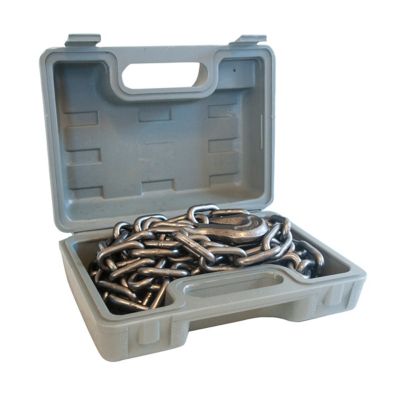
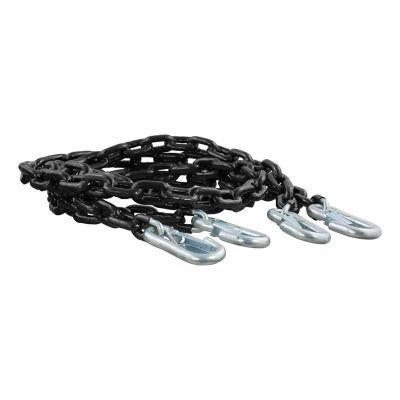
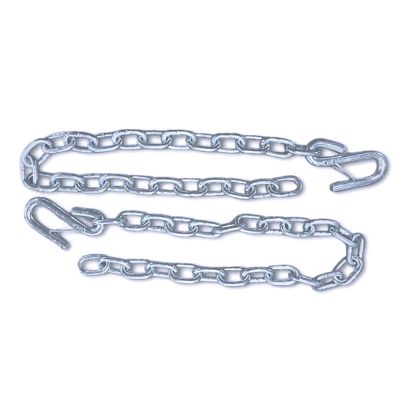
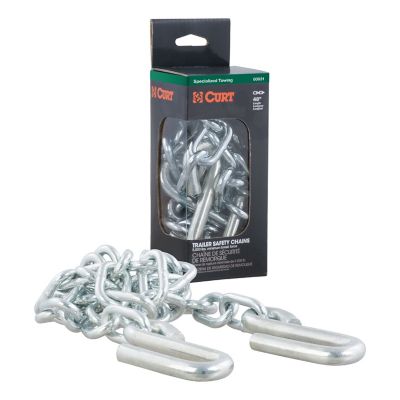
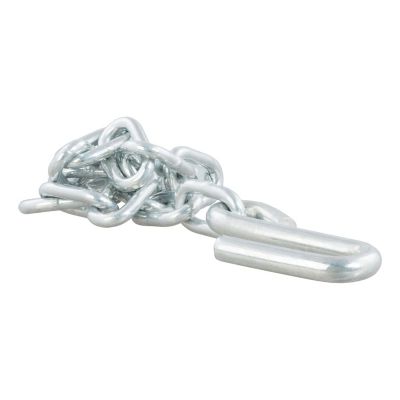
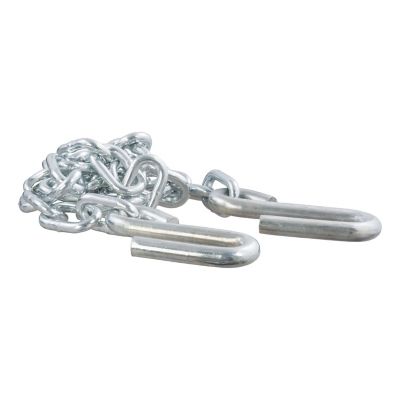
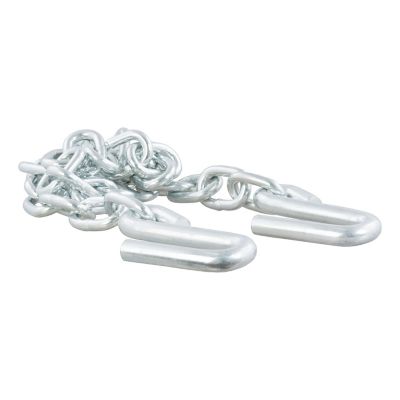
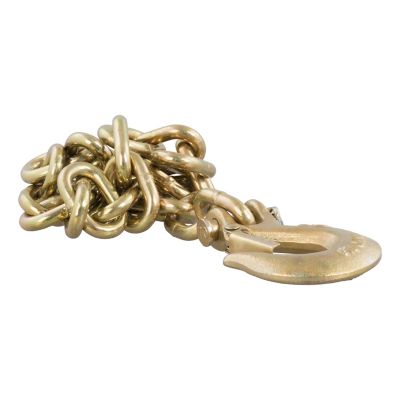
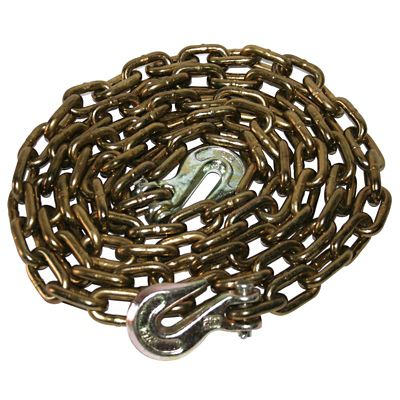
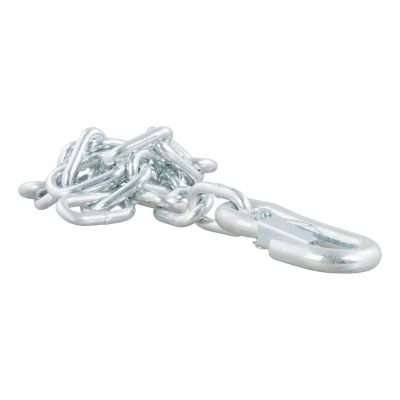
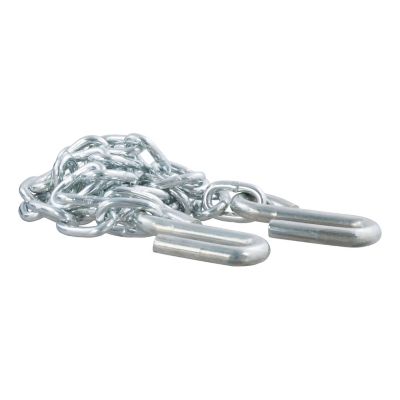
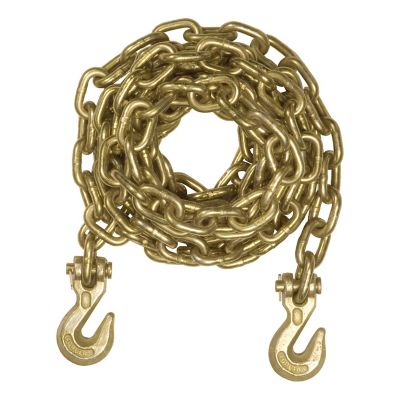
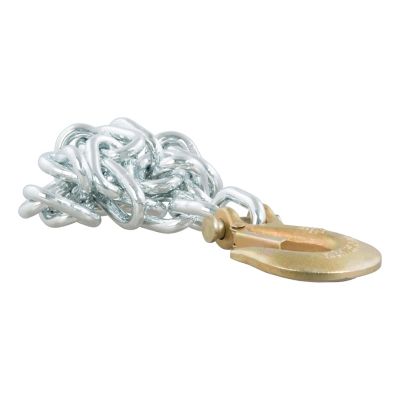
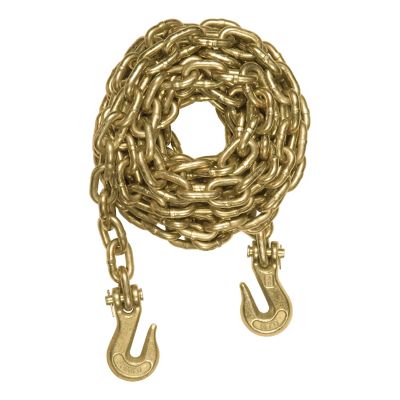
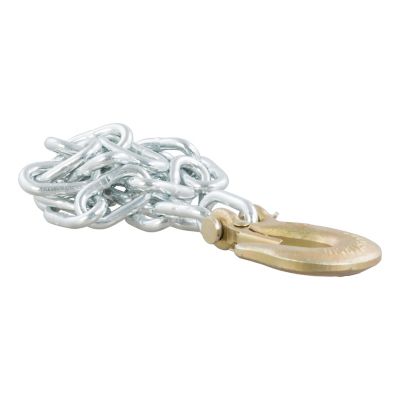
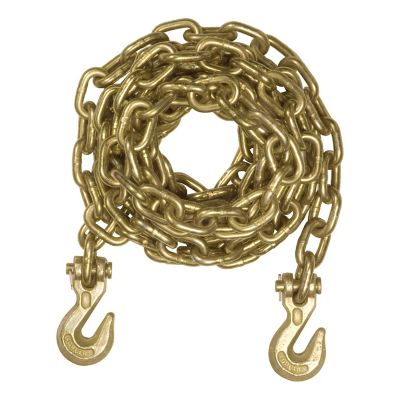
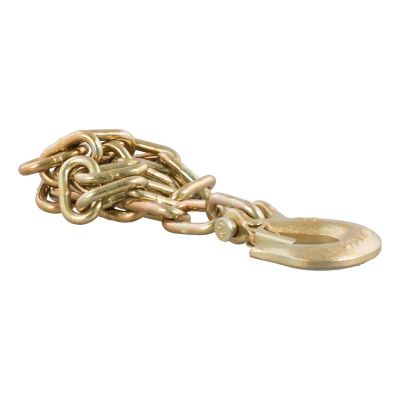
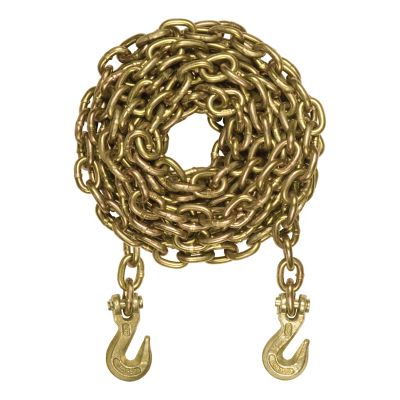
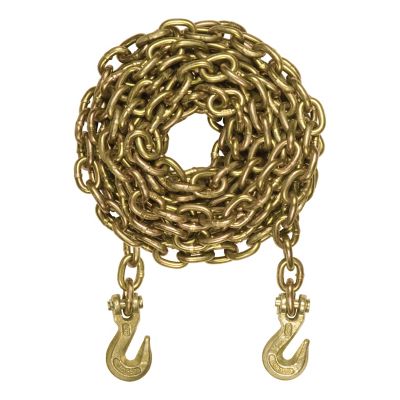
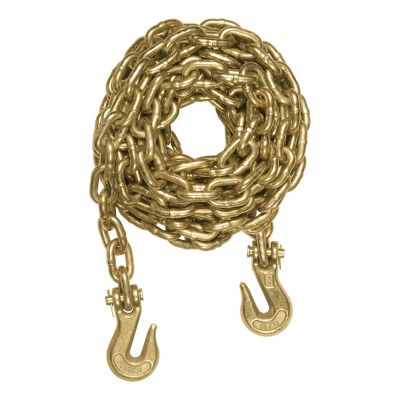
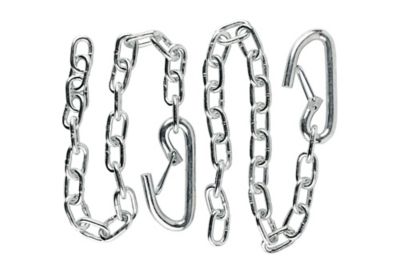
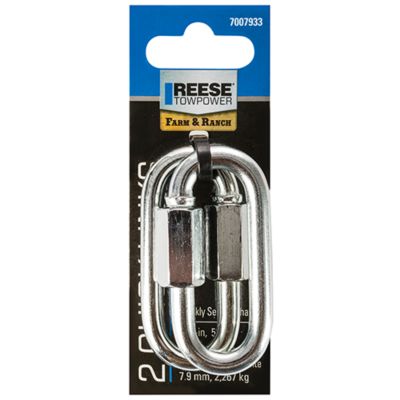
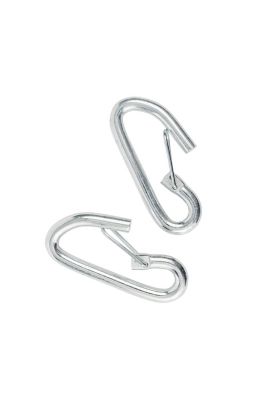
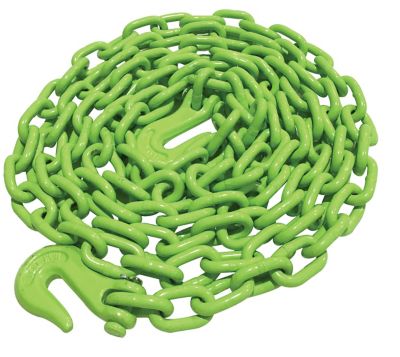
Tow chains are steel chains that connect equipment or vehicles for controlled pulling or towing when the chain, attachments and equipment are rated for the job. Common features include welded links, end hooks and markings that identify the chain’s grade or load rating. Around a farm, shop or equipment yard, the right chain can be part of a towing setup that calls for a firm connection with very little stretch. Farmers, ranchers, equipment operators and folks who maintain acreage all have reason to keep suitable pulling gear close by, but the right match depends on more than how heavy a chain feels in the hand. Steel composition, heat treatment, link diameter and the complete assembly’s rating all affect its intended use. Two chains with similar-looking links can have different capabilities, and a larger link does not automatically make a chain suitable for a particular task. Some assemblies feature grab hooks that engage a matching chain link, while others have hook styles intended for particular attachment points. Hook shape, opening size and connection hardware matter just as much as overall length. A hook needs to seat properly without resting on its tip or loading sideways, and any latch must function as designed. Where a clevis connection joins a hook to the chain, the pin and retaining hardware are part of that load-bearing assembly. Protective finishes, including certain plated coatings, can help limit surface corrosion, although no finish eliminates the need for inspection and care. For someone organizing a truck toolbox or outfitting a shop, clear rating information and compatible end fittings are more useful than choosing by appearance alone. The best fit is a chain assembly with a stated purpose that matches the equipment manufacturer’s requirements, whether the work involves repositioning a wheeled implement or another specifically approved towing task. A chain intended for cargo securement should not be assumed suitable for towing, recovery or overhead lifting simply because its links look substantial.
Fit comes down to the whole connection, from one rated attachment point to the other. Chain length needs to suit the spacing between the equipment while keeping the assembly clear of tires, steering parts, sharp edges and other moving components. Extra length can create slack or drag on the ground, while too little length may prevent the proper connection or leave inadequate clearance. Link size also has to match the hooks and connecting hardware; mismatched parts can keep a hook from seating correctly or put force where it does not belong. The assembly’s capacity is limited by its lowest-rated component, including hooks, connectors and attachment points. A working load limit describes an allowable load under specified conditions and is not the same as breaking strength. Neither number should be treated as a simple vehicle-weight allowance: the force involved in moving equipment changes with slope, rolling resistance and other conditions. A tractor sitting freely on its tires presents a different situation from one with an axle hung up on an obstruction. That distinction matters because tow chains are not a general-purpose answer for freeing stuck equipment. Steel provides very little give, and running starts, sudden yanks and other shock loads can overload a chain or tear an attachment point loose. Any recovery task needs equipment expressly rated for that operation and the procedures specified by its manufacturer. Other pulling equipment, including
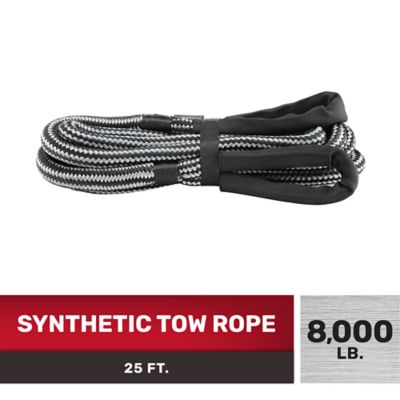
Tow Ropes, has its own ratings, attachment requirements and limitations; a rope and a chain are not automatically interchangeable. Factory-designated, rated towing points help establish a suitable connection, while a hitch ball, bumper or convenient hole in a frame is not a substitute. People should remain well clear of a tensioned assembly and its potential path if a connection fails. For travel on public roads, a tow chain alone does not replace a road-legal towing system, braking provisions or any equipment required by applicable law.
Good care helps a tow chain stay ready for its intended work and makes developing problems easier to spot. Dirt packed around a hook, grease covering a link or a tangle at the bottom of a toolbox can hide damage that deserves attention before any load goes on the assembly. Regular inspection includes the full length of chain as well as hooks, pins, connectors and any identification tags. Cracked welds, bent or stretched links, deep gouges, significant corrosion and hooks with altered openings are reasons to remove an assembly from service and follow the manufacturer’s replacement criteria. A chain that has taken a hard shock load may also need removal even when the damage is not obvious. Heating, welding or bending a damaged component back into shape can change its strength, so field repairs are no substitute for approved replacement parts and procedures. Cleaning methods and any lubrication should follow the manufacturer’s directions, with attention to keeping rating marks readable. Storage off the ground, away from corrosive chemicals and separate from loose hardware helps protect both the chain and its fittings. A sturdy container or suitable storage rack also keeps a heavy coil from sliding around the truck bed or becoming a lifting and handling nuisance. For folks who carry several chains for different jobs, keeping each assembly’s identity and rating clear helps prevent a cargo chain, towing assembly or trailer safety chain from getting mistaken for another. Trailer safety chains serve a separate backup role between a trailer and tow vehicle and need their own correct sizing and connections. Overhead lifting likewise calls for assemblies expressly approved for lifting, not an ordinary tow chain. With the intended task, connection style and care requirements in mind, tow chains can earn a practical place alongside the rest of the equipment that keeps a farm, acreage or work yard running.