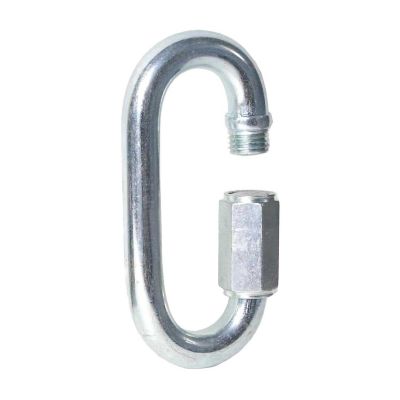
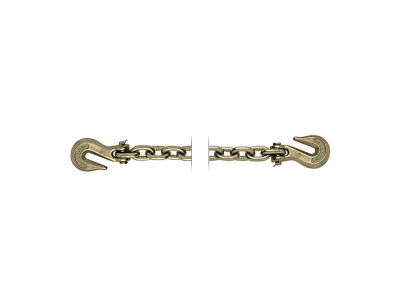
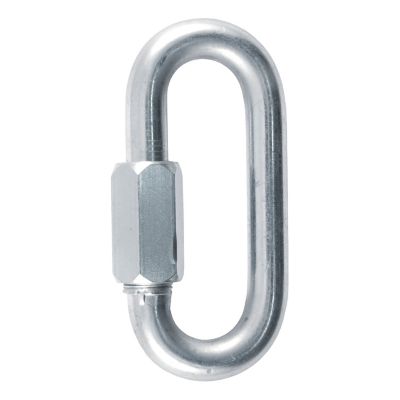
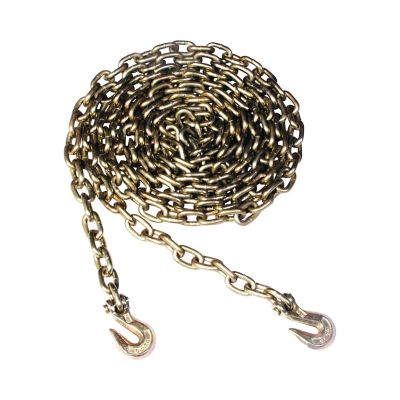
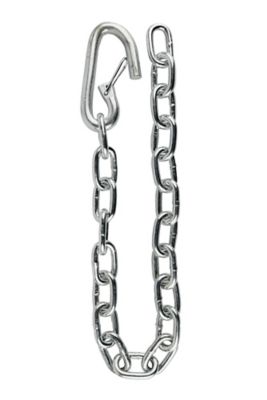
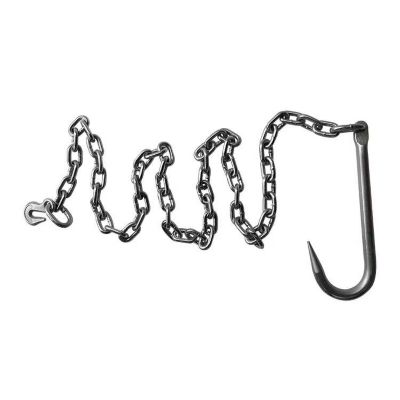
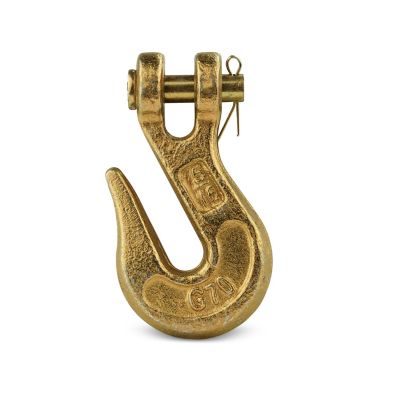
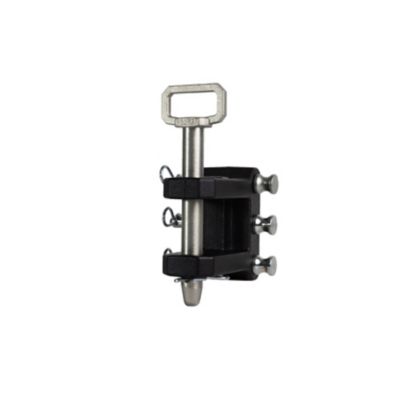
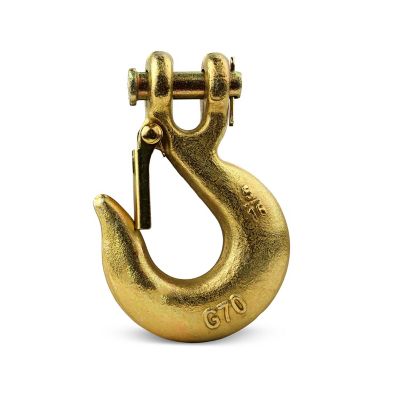
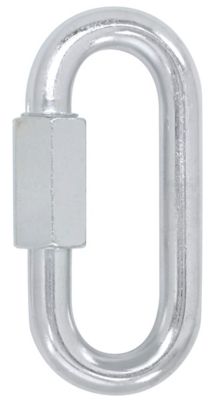
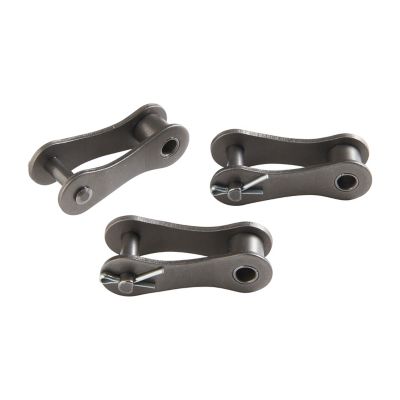
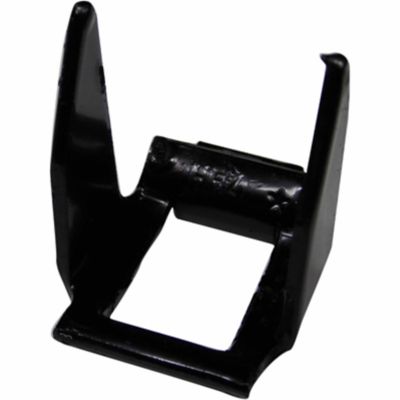
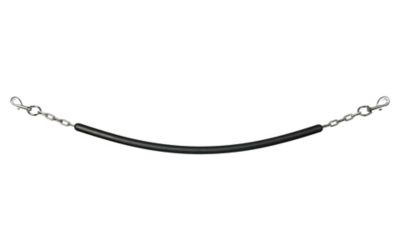
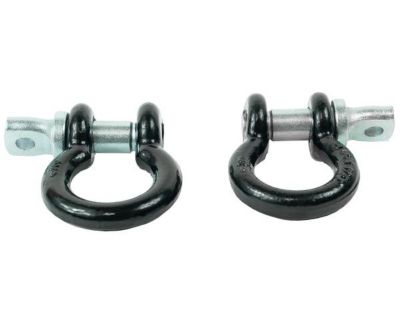
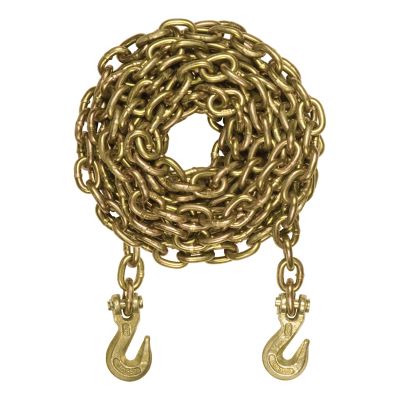
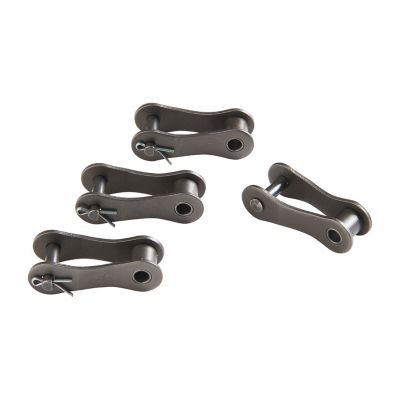
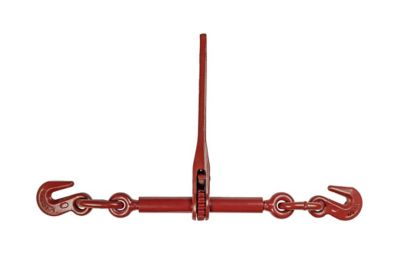
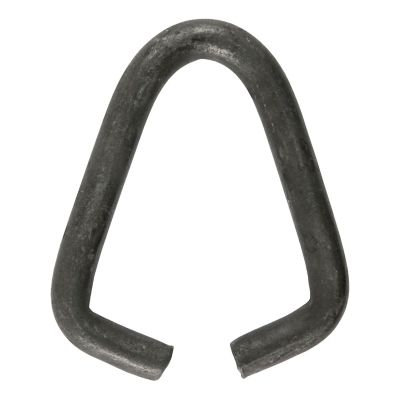
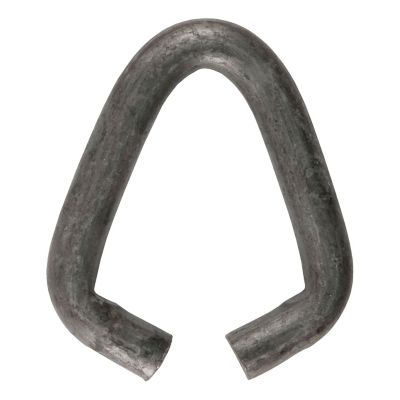
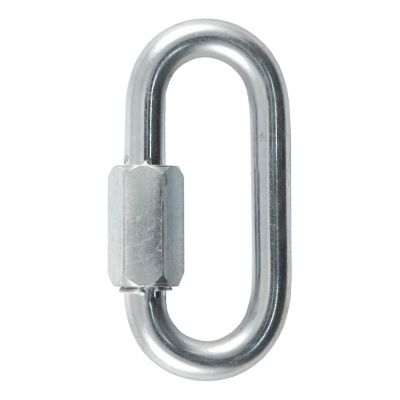
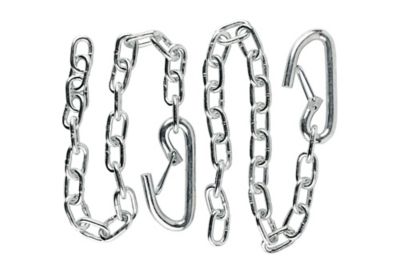
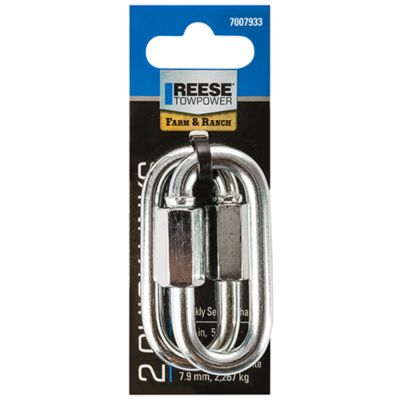
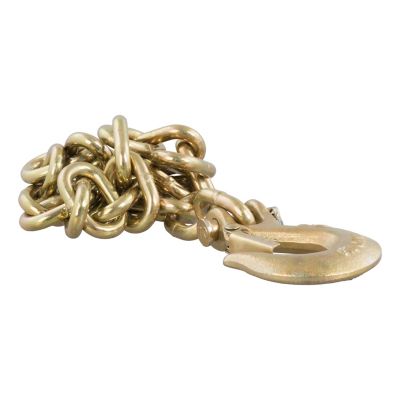
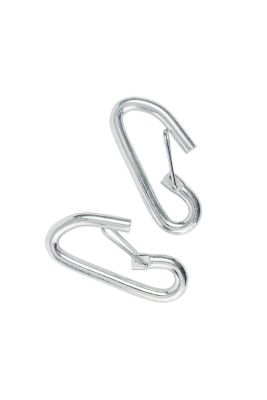
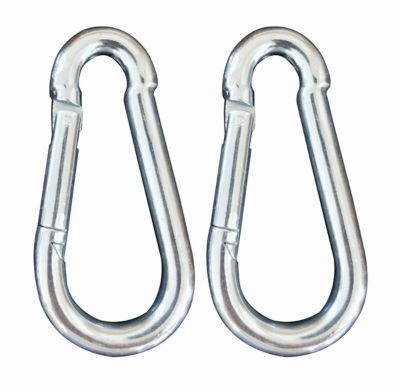
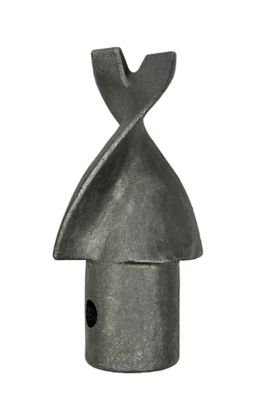
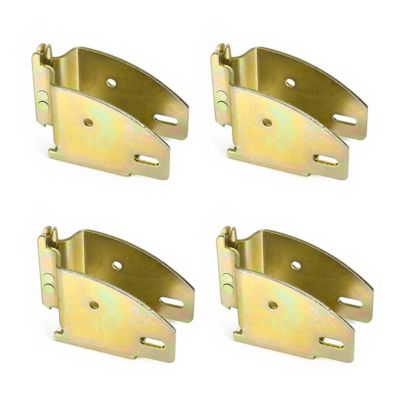
When it comes to jobs that call for real muscle—like hauling heavy equipment, securing loads on a flatbed, or making repairs out in the field—heavy duty chain connectors are the unsung heroes folks rely on. These tough links and couplers keep everything locked down and running smooth, whether you’re a rancher fixing a busted gate chain, a farmer hauling hay, or someone who just needs to move a stubborn stump before the first frost. With the days getting shorter and the work shifting from summer’s rush to prepping for cooler weather, having the right chain connectors on hand can save a heap of time and trouble down the line. Folks who spend their days working with livestock, towing trailers, or running heavy machinery know that a chain is only as strong as its weakest link—and that’s why picking the right connector matters. There’s a world of difference between a lightweight quick link for general chores and a Grade 100 hammer lock connector built for overhead lifting or serious towing. It’s not just about grabbing the first thing you see; you’ve got to match the grade and size of your connector to your chain, making sure the working load limit (WLL) lines up with what you’re hauling or securing. Nothing ruins a day faster than a failed link when you’re halfway through a job.
For those who are new to working with chain or just want to be sure they’re set for the season, it helps to know a few basics. Heavy duty chain connectors come in different styles, like twin clevis links for joining two chains without special tools, or hammer lock coupling links for those big jobs where safety is top priority. If you’re planning on overhead lifting or pulling with a tractor, always reach for connectors rated for Grade 80 or 100 chains—these are built to handle the strain and won’t let you down when the going gets tough. For transport chains or tie-downs, Grade 70 connectors are the go-to, but never mix a lower grade link with a higher grade chain. It’s worth taking a few extra minutes to check the markings and make sure everything matches up. And don’t forget regular inspections: look for cracks, worn spots, or bent pins every so often, especially if your gear sees a lot of use through the changing seasons. Swapping out a tired connector before it fails is just good sense, and can save you from a headache—or worse—during a busy harvest or when you’re hauling equipment to the next job. If you’re ever unsure about which connector fits your needs, or you want to explore more options for repairs or upgrades, take a look at our selection of
Steel Connectors for even more ways to keep your operation running strong.
Heavy duty chain connectors also make a practical gift for anyone who’s always fixing, hauling, or building—think of the neighbor who’s always helping out with a tow, or the family member getting their first utility trailer ready for hunting season. These connectors aren’t flashy, but they’re the kind of thing that makes a real difference when you need them most. Whether you’re prepping for late summer chores or getting ahead of fall projects, investing in the right connectors means you’ll be ready for whatever the season throws your way. And out here, that peace of mind is worth its weight in steel.