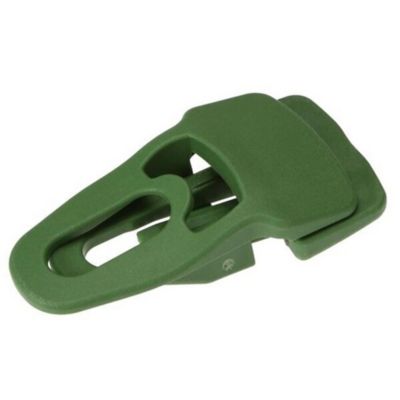
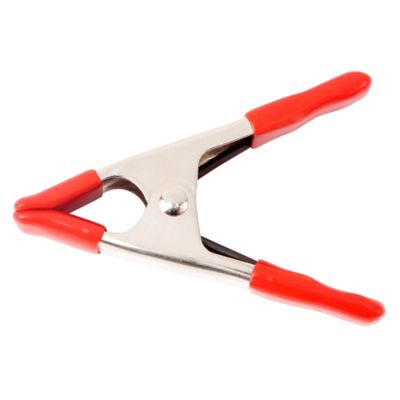
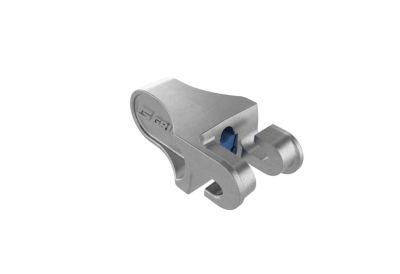
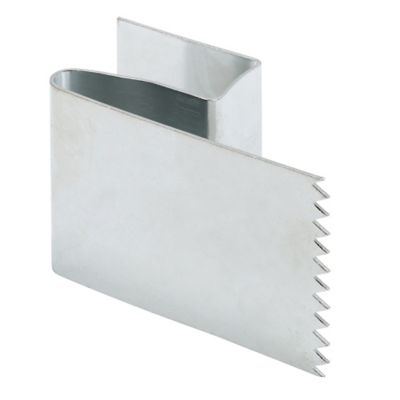
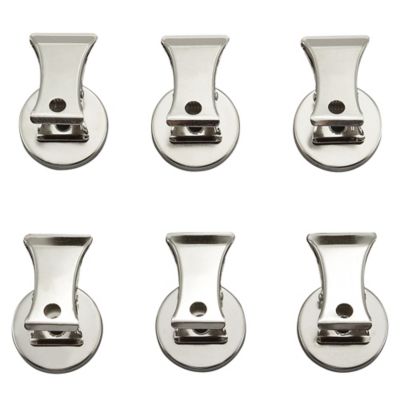
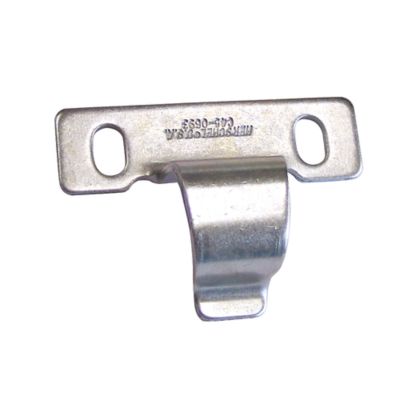
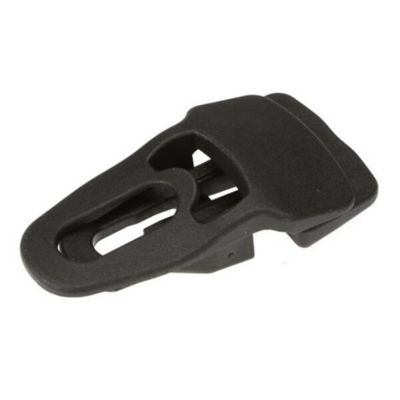
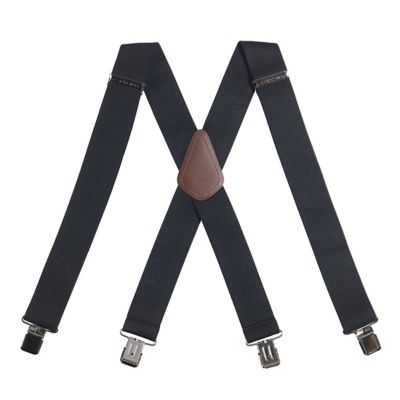
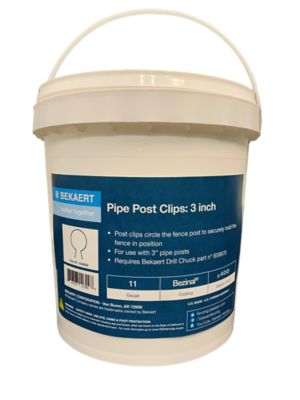
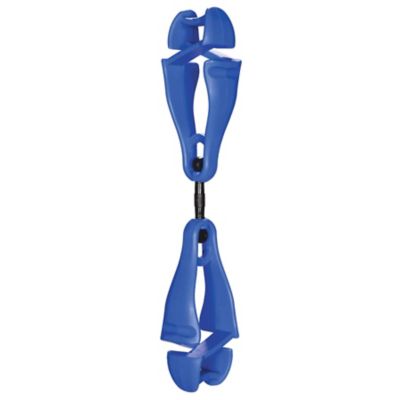
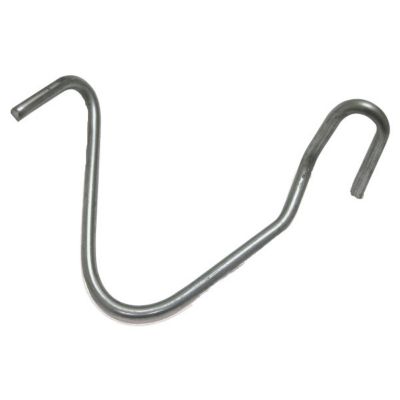
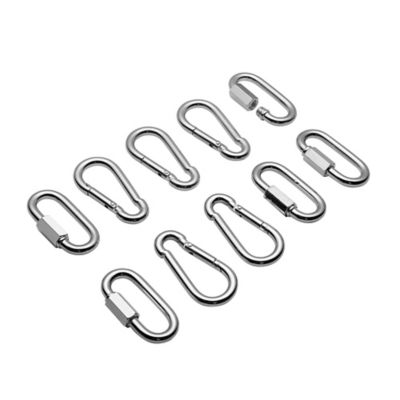
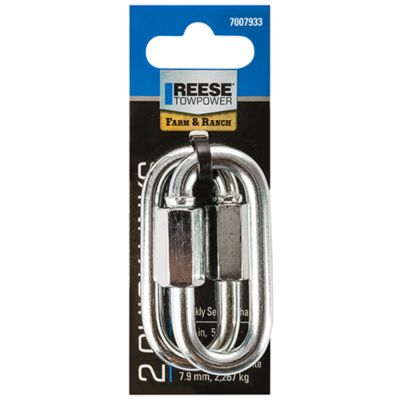
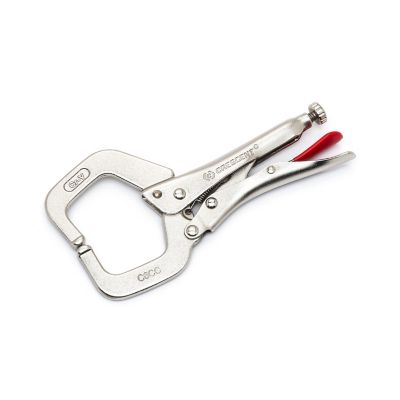
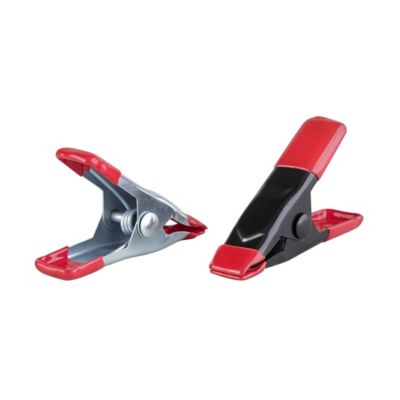
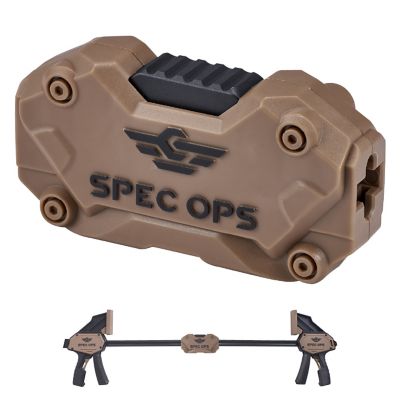
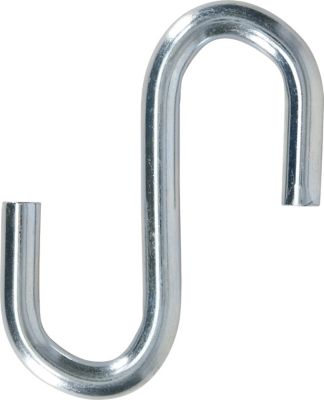
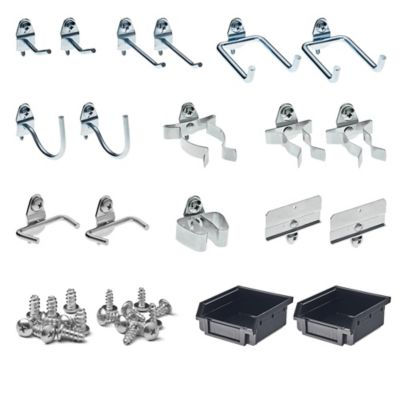
Heavy duty clips help keep materials together, secured, covered, or organized when an ordinary clip does not have enough grip. Around the farm, ranch, workshop, garage, home, and jobsite, they can hold down a tarp, gather a thick stack of papers, fasten a backdrop, organize tools, or keep bags closed between uses. The right style depends on what you are securing and how much stress the clip will face. Tarp and shelter clips are made for gripping plastic sheeting, tent fabric, canopies, shade cloth, and other flexible materials without needing a grommet or a drilled hole. Look for a broad gripping surface and a design that spreads pressure across the material, especially when working with thin plastic that could tear under a narrow bite. Spring clips and bulldog-style clips are useful for holding shop notes, patterns, plans, photographs, signs, and thick bundles of material. A strong spring and serrated or textured jaws help keep the load from sliding, while a protective coating can reduce scratching on finished surfaces. For heavier organizing jobs, gripper clips and tool holder clips can help keep handles, cords, hoses, and small equipment off the floor and within easy reach. These are handy in a barn, tack room, utility area, or shed where loose tools tend to collect in corners. Fishing clips and snaps serve a different purpose, giving anglers a quick way to connect or change lures, leaders, and other tackle. Stainless steel or corrosion-resistant construction is a practical choice around water, damp storage areas, and changing outdoor conditions. Metal clips are often preferred for high-strength applications, while nylon or other tough synthetic materials can offer light weight, weather resistance, and less concern about rust. When comparing heavy duty clips, pay attention to the material, jaw opening, bite strength, finish, and intended load rather than choosing by size alone. A large-looking clip may not open wide enough for a thick tarp or stack, and a very tight clip may damage a delicate sheet or fabric. Check the manufacturer’s stated capacity when it is available, and remember that wind, vibration, moisture, and repeated movement can place more strain on a clip than a still load on a workbench.
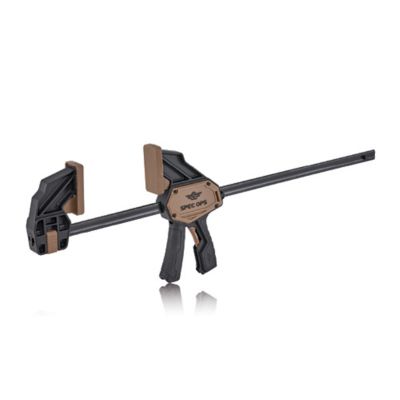
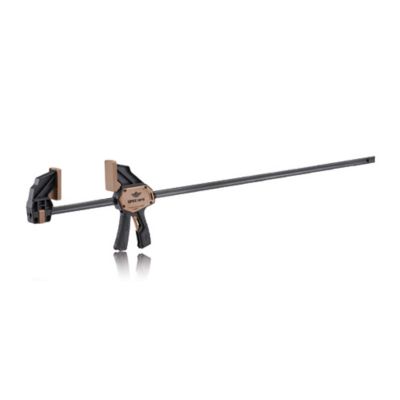
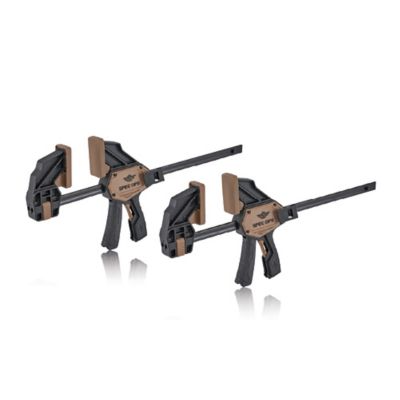
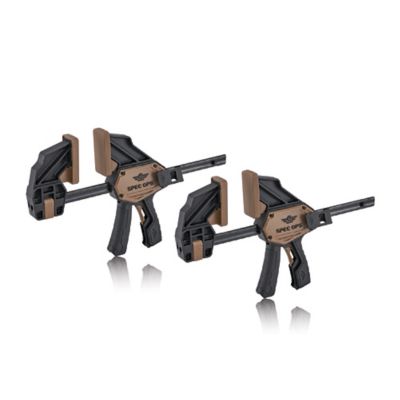
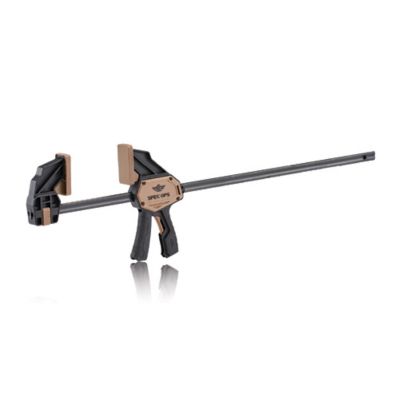
Heavy duty clips are useful for people who spend their days fixing, building, planting, hauling, or keeping a busy property in order. A farmer may use them to secure temporary covers over feed, equipment, or supplies, while a livestock owner can reach for them when hanging signs, holding gateside paperwork, or organizing cords and hoses in a work area. Gardeners and homesteaders often appreciate sturdy clips for fastening frost cloth, shade fabric, greenhouse plastic, or temporary covers as weather conditions change. During the warmer part of the year, clips can help hold shade panels and outdoor coverings in place; during cooler months, they may be used with tarps, windbreaks, and protective sheeting around stored equipment. They are just as useful in a home garage, where a strong clamp can keep a project piece steady while glue dries, hold a shop drawing to a work surface, or keep extension cords and bundled materials from spreading across the floor. Crafters, photographers, teachers, event crews, and market vendors may use spring clips to hold fabric, paper, signs, or display materials. Anglers can keep a few corrosion-resistant snaps in a tackle box for quick lure changes, particularly when cold fingers or changing conditions make small knots less convenient. Heavy duty clips also make practical additions to a new homeowner’s garage kit, a camper’s gear tote, a gardener’s supply bin, or a do-it-yourselfer’s workshop because they take up little room and solve a surprising number of everyday problems. For a useful gift, pair a selection of clips with other basic repair or outdoor supplies for someone who enjoys camping, fishing, woodworking, gardening, or caring for a rural property. Before buying, think through the job from start to finish: what material will be held, how thick it is, whether the clip will stay indoors or outside, and whether it needs to handle a steady load or repeated opening and closing. A clip used on a porch or fence line should stand up to sun, rain, and wind, while one used in a shop may need a smooth finish that will not mark lumber, painted panels, or finished furniture. If your project calls for a threaded clamp with a broad frame and adjustable pressure rather than a spring clip, browse
Heavy Duty C Clamps for another type of holding solution.
A dependable clip should feel suited to the material in your hands and the conditions around the job. Inspect the jaws for even contact, make sure the opening is wide enough before forcing it over a thick edge, and avoid using a clip beyond its recommended capacity. For tarps, tents, and plastic covers, attach clips to reinforced areas when possible and use several points of connection so one clip is not carrying the full pull of the wind. On outdoor jobs, place clips where they will not rub constantly against sharp edges, and check them after storms or strong gusts. For workshop use, select clips with enough throat depth to reach the area being held, and use padding or a softer jaw when working with delicate finishes. Spring tension can weaken after long-term exposure to heat, moisture, chemicals, or heavy compression, so replace any clip that shows rust, cracks, bent parts, or a loose grip. Clean dirt and sawdust from moving parts, dry clips before storing them, and keep different sizes together in a small bin, drawer, or tool bag where they can be found quickly. Having a few wide-opening clips, several compact spring clips, and purpose-built options for tarps, tools, or tackle makes it easier to handle ordinary repairs without stopping to improvise with wire, tape, or rope. In a barn or shed, keeping them near tarps and tie-down supplies can save a trip across the property. In the house, a small container in the laundry room, kitchen, or utility closet can make them handy for closing bulk bags, sorting papers, or holding coverings in place. Heavy duty clips are simple tools, but their value comes from dependable grip, suitable construction, and using the right style for the job. With thoughtful sizing and regular inspection, they can help keep supplies protected, work areas neater, and temporary fixes secure through changing conditions from late summer into the cooler months.