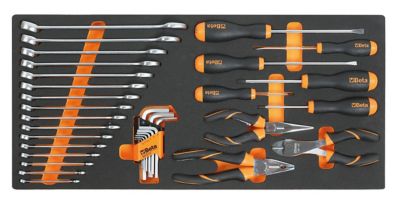
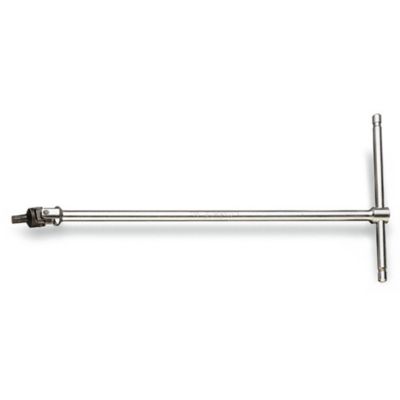
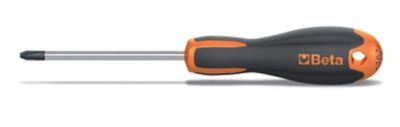
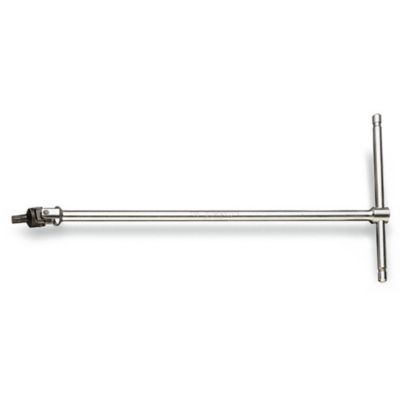
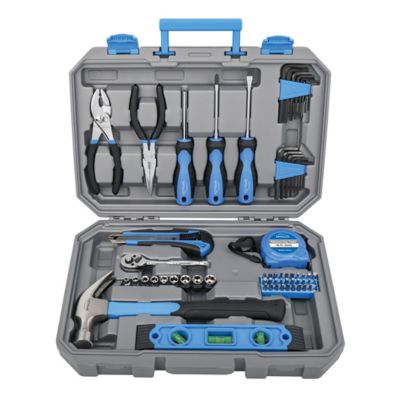
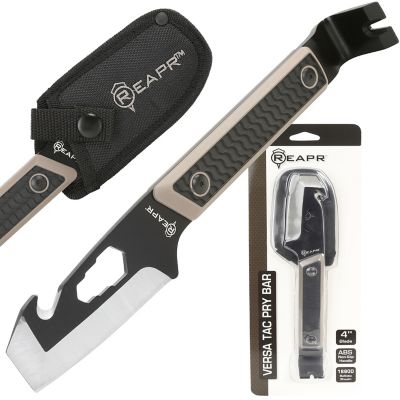
Hardware tools are hand-operated and powered equipment for building, installing, maintaining and repairing structures, fixtures and mechanical systems. Around a home, farm or workshop, they turn a loose connection, an unfinished project or a piece of equipment needing attention into a job that can move forward. The category covers tools for fastening, gripping, cutting, shaping, measuring and laying out work, along with equipment that helps locate a problem before repairs begin. Some jobs call for controlled pressure and a close feel for the material; others involve repeated motions or enough material removal to make powered equipment a practical choice. A good fit starts with the task rather than the size of the tool collection. Routine property upkeep calls for different working capacities than fine assembly work, and equipment maintenance often involves different fastener sizes than household repairs. Standard and metric sizing matter wherever a tool engages a fastener, since a close-looking match can still slip or damage the edges. Working room matters, too. A tool that feels comfortable at an open workbench may be awkward behind equipment or inside a tight cabinet. Handle length, head shape and overall clearance influence whether there is enough room to grip securely and complete the motion. For folks maintaining gates, tending outbuildings or keeping a busy garage in order, hardware tools are everyday working equipment, not just supplies for a major project. Their value comes from matching the job: enough leverage without forcing a connection, enough reach without losing control, and a working surface suited to the material. Measuring and layout equipment serves a different but equally practical purpose, helping carry dimensions from the plan to the workpiece so adjoining parts line up. Whether the work involves a small household fix or a longer stretch at the shop bench, task, size and access provide useful context for comparing tool categories. Tools that suit the actual work are easier to handle with purpose and less likely to sit untouched between projects.
Materials and construction affect how hardware tools feel in the hand and how they stand up to repeated work. Steel alloys are common in working surfaces and tool bodies because they can provide strength, hardness and resistance to wear, with heat treatment influencing those properties. Different jobs place different demands on that metal. A cutting surface needs to hold an edge, while a tool carrying twisting force needs construction suited to that load. More hardness is not automatically better for every application, and a heavier tool is not automatically a better fit. The balance between weight, strength and control matters most during the work itself. Protective finishes can help limit surface corrosion, but they do not replace appropriate cleaning and storage. Grip materials also deserve attention. Textured surfaces and shaped handles can help with control, while cushioning may make repeated motions more comfortable. A grip still needs to fit the hand without forcing an awkward wrist position, particularly during tasks that take more than a few minutes. For someone wearing work gloves, the space around the handle and the ease of operating adjustments can make a noticeable difference. Moving parts should travel as intended, and locking or adjustment features need to suit the pressure and motion involved. Manufacturer specifications help distinguish ordinary fastening tasks from applications involving striking, high force or powered operation; similar-looking equipment is not necessarily interchangeable. Care requirements vary with the construction, but clean working surfaces, appropriate lubrication where specified and protection from moisture all contribute to service life. Tools with measuring functions may also need periodic checks or calibration, depending on their design and application. Storage that separates sharp edges from measuring surfaces helps prevent incidental damage, while a clear place for each category makes missing equipment easier to spot. These details matter in a shared farm shop as much as they do in a home garage, where a tool may pass between several people working on different tasks.
Hand-operated equipment and
Power Tools often belong in the same working setup, with each handling a different part of the job. Manual operation offers direct feedback when starting a connection, making a small adjustment or working close to a finished surface. Powered operation can reduce repeated effort during longer fastening, cutting or shaping tasks, provided the equipment and its working attachments match the material and application. For cordless equipment, battery platform compatibility affects how chargers and batteries fit into an existing setup; corded equipment brings its own considerations around power access and cord management. Speed ranges, control placement and overall weight can matter just as much as maximum output when the work involves careful positioning. The work area also shapes what makes sense. A fixed shop bench offers room to organize equipment and support the workpiece, while a repair beside a fence line or inside an outbuilding calls for equipment that travels without becoming a burden. Carrying and storage options help keep working ends protected and equipment together between stops. For homeowners, acreage owners, mechanics and tradespeople, a well-matched collection supports the tasks that come up repeatedly rather than trying to cover every possible job. Someone taking on a first home may appreciate equipment for routine upkeep, while an experienced farmhand may have more particular preferences for grip, sizing and working capacity. Hardware tools can also make a thoughtful housewarming gift or a practical gift for someone setting up a workshop, especially when the choice complements equipment they already own. Familiarity matters: a gift suited to the recipient’s experience and regular projects is more useful than something selected for size alone. Across all these settings, safe handling remains part of the picture, including suitable eye protection, a supported workpiece and attention to the manufacturer’s operating limits. From quick adjustments to substantial repair work, hardware tools earn their place through fit, control and the ability to handle the job they are designed to do.