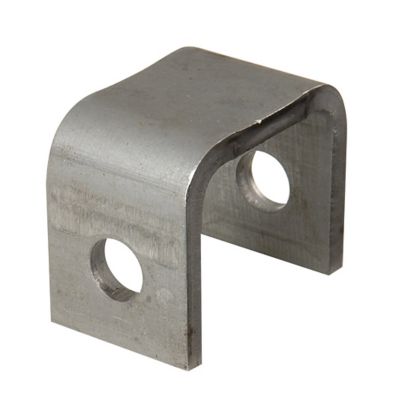
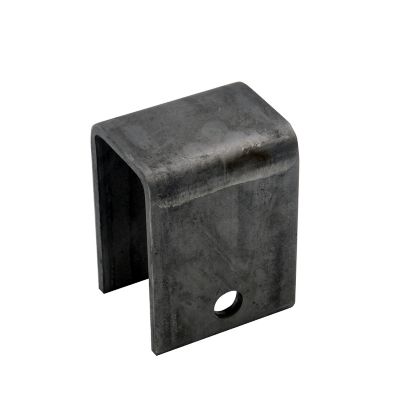
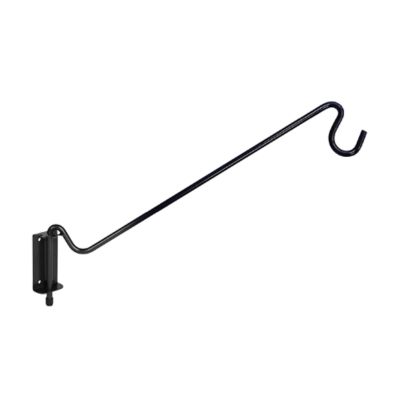
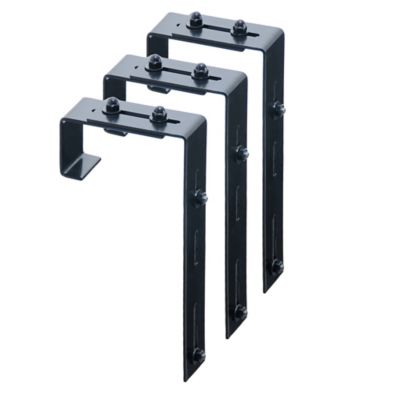
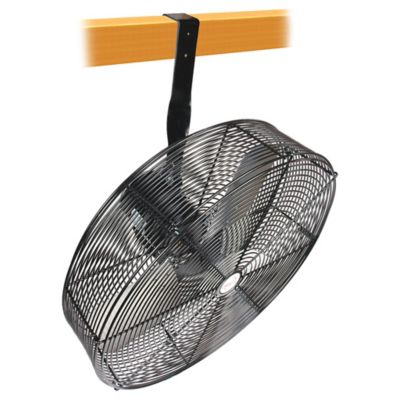
Hanging brackets provide a fixed support point for baskets, shelves, clothing rods and other loads that need to sit away from a wall or hang beneath a mounting surface. Their shape determines the job: an extended arm with an upturned hook suits a hanging basket, a right-angle support carries a shelf, and a rod bracket holds a clothing rail at the proper distance from the wall. Around a farmhouse, garage or potting shed, that extra reach can keep a trailing plant clear of siding, lift a feeder away from a post or make room for storage above a workbench. Plant hanging brackets often feature straight arms, curved hooks or scrollwork, with either a fixed position or a swiveling connection. Fixed arms keep the hanging point in one location, while swivel styles allow repositioning within their stated range. A longer arm provides more clearance for a broad basket, but it also puts the load farther from the mounting surface, so reach and rated capacity belong in the same comparison. The weight of the empty container tells only part of the story; soil, water, the plant and its chain or hanger all contribute to the load. Basket width matters, too, especially when leaves need breathing room beside a porch post or shed wall. The hook opening needs to accept the hanger without forcing it into place, and an upturned end can help the hanger stay seated. Some hanging supports have a closed attachment point instead of an open hook, which changes how a chain or connecting ring attaches. For a feeder or battery-powered lantern, clearance also affects how easily it can be lifted down for refilling or care. These details make hanging brackets useful to gardeners, bird watchers and folks who want everyday essentials off a crowded tabletop without giving up easy access.
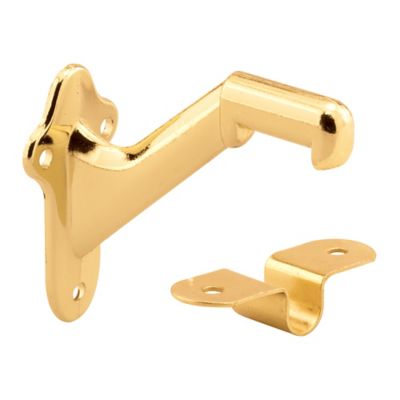
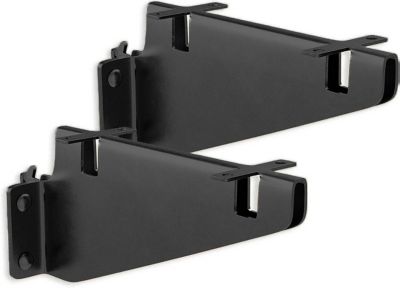
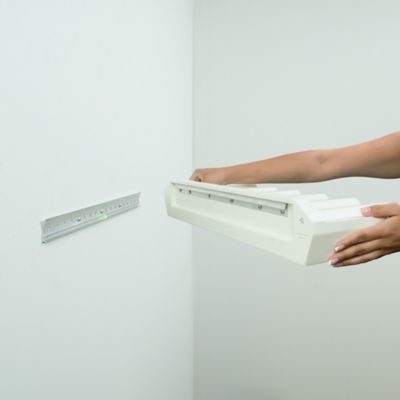
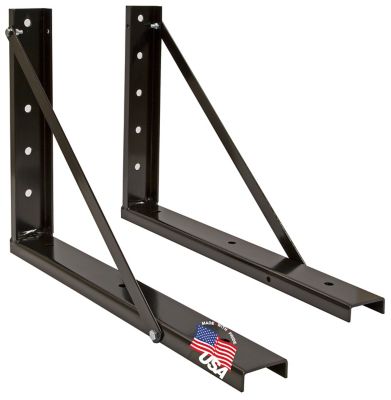
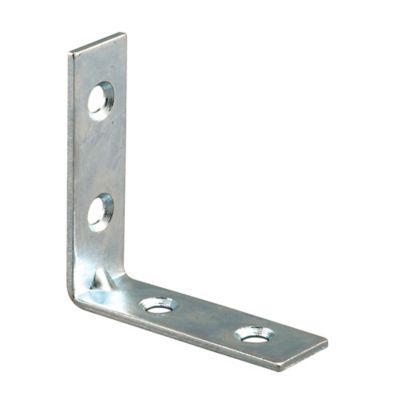
Shelf brackets and clothing supports handle their loads differently from a plant hook, even when the metalwork looks much the same. An L-shaped shelf bracket supports the board from below, while a concealed shelf support fits into a compatible shelf to leave less hardware in view. Triangular braces add support between the horizontal arm and mounting plate, though shape alone does not establish how much weight a bracket can carry. A sturdy-looking arm still needs a suitable mounting surface, the specified fasteners and a load within the manufacturer's stated limit. Capacity may be listed for one bracket, a pair or a complete assembly, so those figures aren't interchangeable. Load placement matters as well: a row of jars near the back of a shelf puts force on the support differently than a heavy toolbox resting near the front edge. Bracket projection, shelf depth, board thickness and support spacing all affect fit. Concealed supports also need the correct hole size and alignment within the shelf, making compatibility especially important. In a laundry room, brackets might carry a shelf above a sorting area; in a shop, they can support storage over a bench while leaving the floor open. Clothing rod brackets need room for hangers to sit without rubbing the wall, and their connection must match the rod's shape and dimensions. Long spans may call for intermediate support according to the system's instructions. Wall studs, solid posts and sound masonry each call for an appropriate attachment method, and mounting hardware should match both the bracket and the structure behind it. Drywall by itself is not a substitute for structural backing where that backing is required. Ceiling-mounted hanging brackets have their own mounting requirements and should be selected specifically for that orientation. Across these styles, the most useful comparison is the complete setup—support, fasteners, mounting surface and load—rather than the bracket's appearance alone. That keeps the focus on how the hardware will work in a real room, shed or workspace.
Materials and finishes influence both the look of hanging brackets and the attention they need over time. Steel is common for its strength and the range of shapes it can take, from plain flat bars to braced arms. Iron brackets can have a substantial profile with cast details or sweeping curves, while aluminum offers a lighter option where the design and load rating suit the task. Stainless steel, galvanized finishes and coated steel each offer different approaches to corrosion resistance; the stated indoor or outdoor suitability matters more than color alone. A black finish can blend with hinges and gate hardware, while a simple metal finish fits naturally beside shop shelving and utility fixtures. Smooth edges, sound welds and an even coating are useful details to examine, particularly around bends, mounting holes and hook ends. Plant watering, damp potting materials and routine washing can put moisture against the hardware, so finish care belongs in the picture even in sheltered spaces. Cleaning methods should suit the material and coating, without harsh abrasion that strips away the protective surface. Periodic checks for loose screws, bent arms, cracks or corrosion help reveal when a support needs attention; adding a heavier basket or changing a shelf's contents is also a good time to reassess the load. Around barns, sheds and fence lines, different bracket categories serve different purposes.
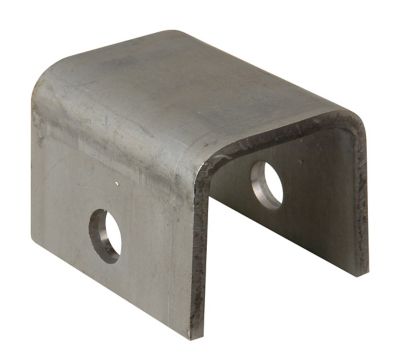
Fence Brackets connect fence components, while hanging brackets provide support or a suspension point for the loads their designs specify. They aren't interchangeable simply because their mounting plates look alike. For a tidy porch, a hardworking mudroom or a potting bench with room to spare, hanging brackets bring practical support into a small footprint. Matching the shape, reach, material and mounting requirements to the job helps keep that space useful without crowding the area below.