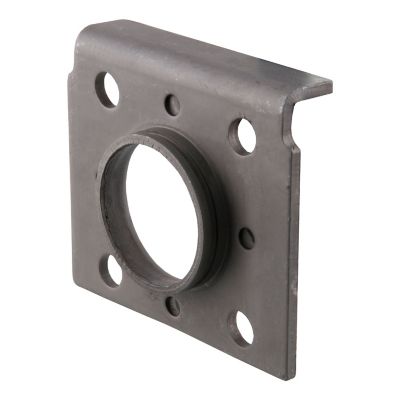
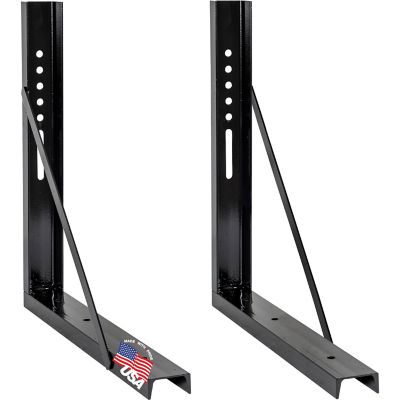
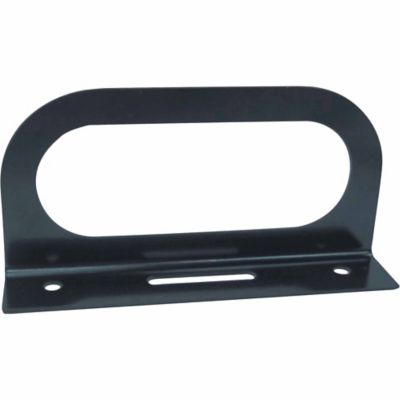
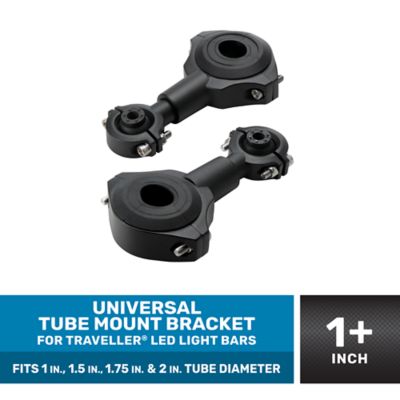
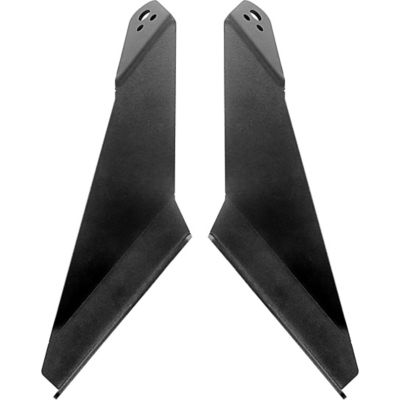
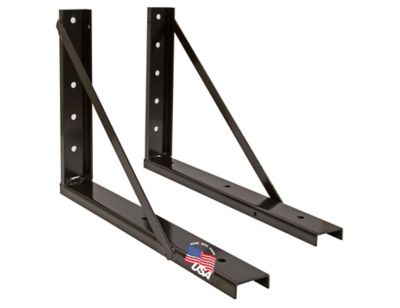
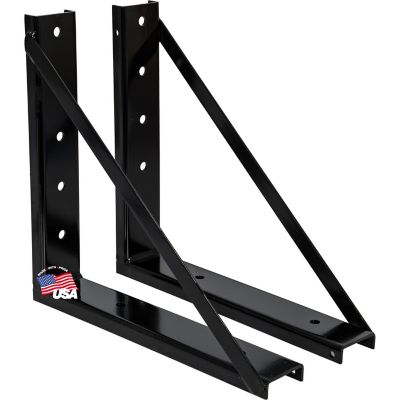
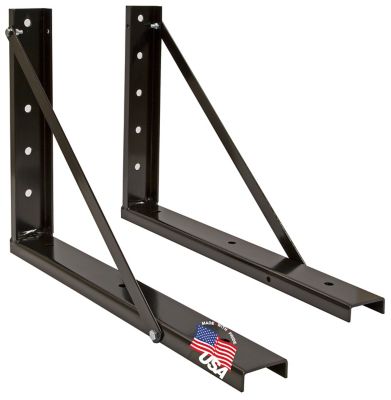
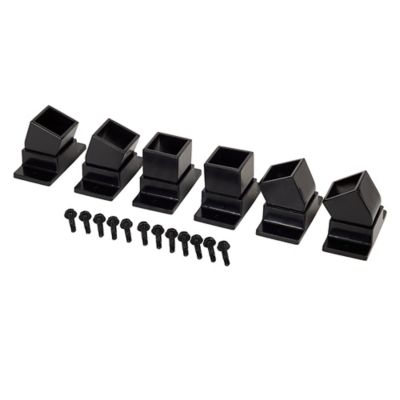
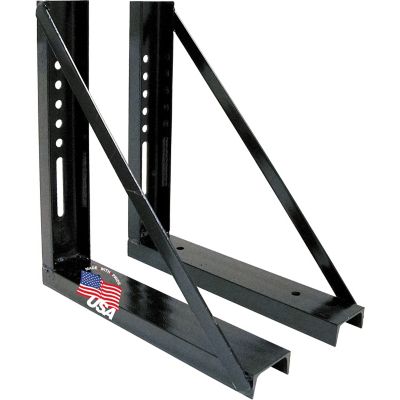
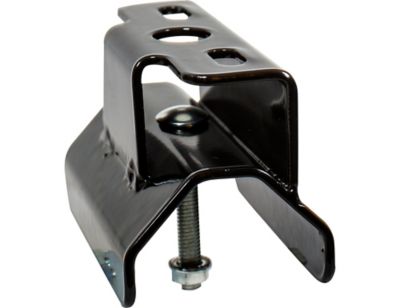
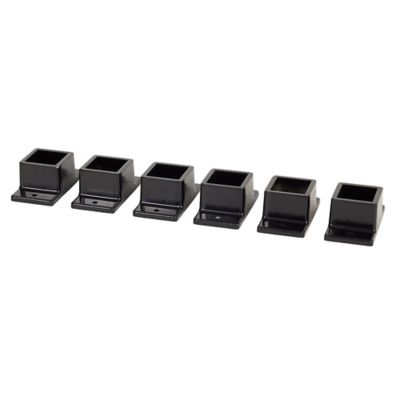
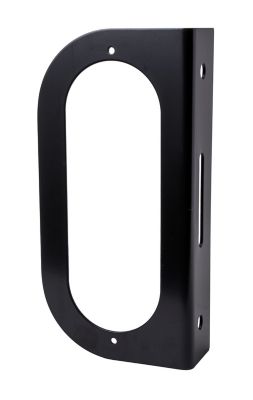
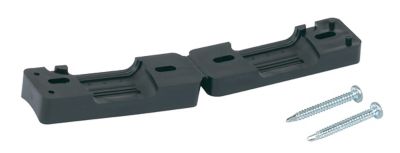
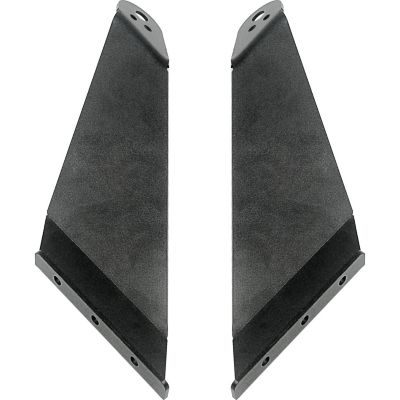
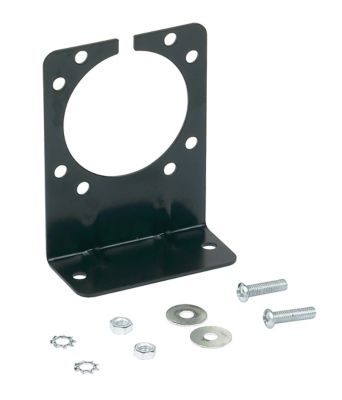
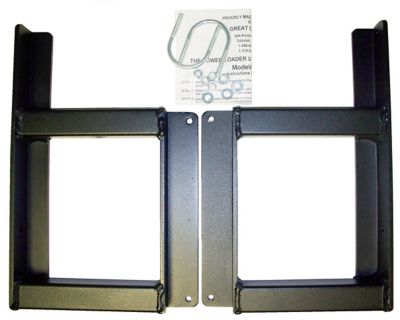
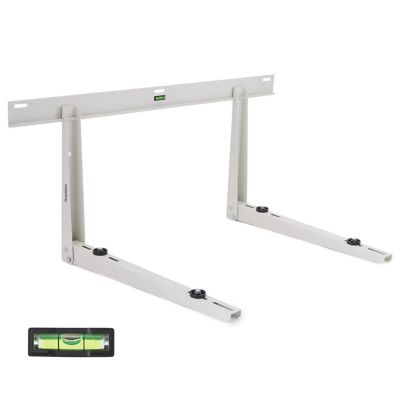
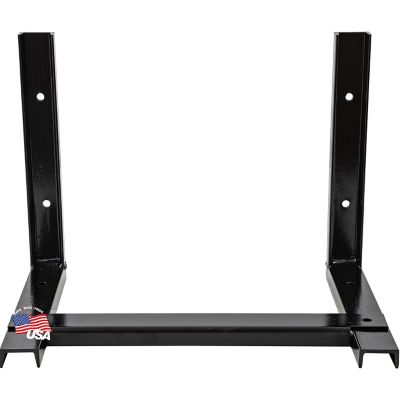
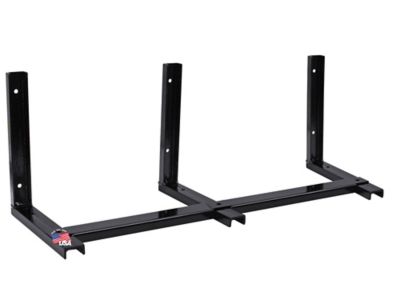
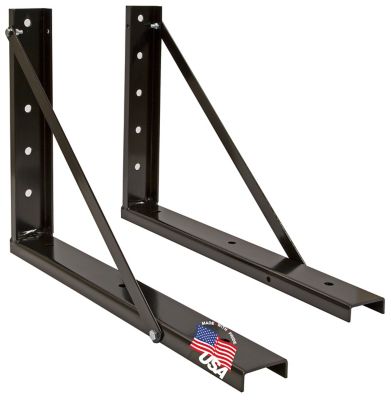
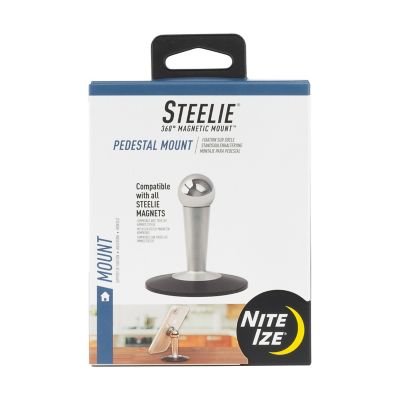
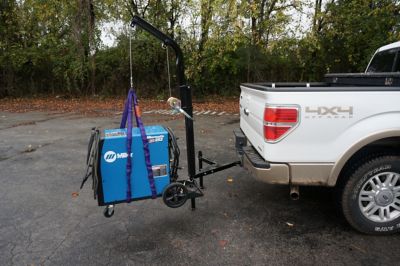
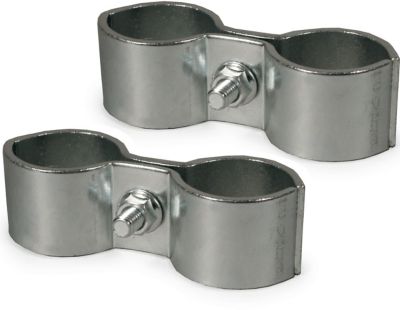
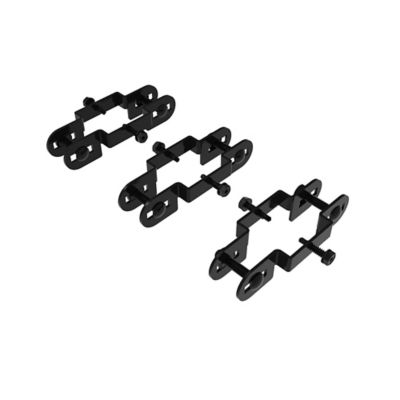
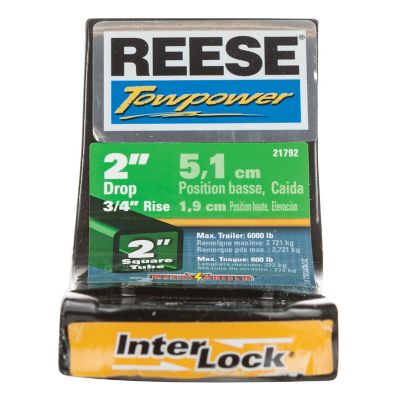
Mounting brackets are support hardware that secure shelves, pipes, fixtures, or equipment to walls, ceilings, posts, and frames. They create a connection between the object being mounted and the surface supporting it, with screws, bolts, anchors, or clamps completing the assembly. Around a farm, garage, or workshop, that connection can make the difference between a shelf that stays steady and one that shifts every time a tool gets set down. Brackets can help keep storage off the floor, position equipment within reach, and hold lines or fixtures where they belong without crowding a walkway. Their shape usually tells part of the story. L-shaped brackets have two arms set at an angle, often providing support beneath a shelf or between perpendicular surfaces. Gusseted brackets add reinforcement between those arms to help resist bending. Flat mounting plates provide attachment points where the application calls for a plate rather than an angled support. Curved brackets and U-shaped straps fit around pipes, tubing, or other round components, while specialized mounting designs match particular equipment connections. Those differences matter because a bracket intended to support a shelf does not automatically suit a pipe run or a machine attachment. The direction of the force, the shape of the object, and the supporting surface all affect the choice. A shelf above a workbench needs room for the tools below it, while a bracket along a barn wall may need to hold a component close without blocking access for maintenance. For homeowners, farmers, repair crews, and folks keeping a busy shop in order, mounting brackets are practical hardware for making space work harder. Some connections stay tucked out of sight; others remain exposed and benefit from a neat profile and a finish that fits their surroundings. Either way, the job starts with a bracket designed for the application, not simply one that looks close enough. A well-matched shape helps keep the assembly steady while leaving room for hands, tools, and nearby equipment.
Fit involves more than the overall length and width of a mounting bracket. Arm length, plate thickness, hole diameter, hole spacing, and the distance between attachment points all influence how the hardware connects. A bracket can line up with one mounting hole yet miss the others, or sit against a surface while leaving too little clearance for a bolt head or wrench. Matching these details to the object and mounting location helps avoid connections that need forcing or leave parts resting at an awkward angle. Slotted holes can offer positioning flexibility where the design allows it, but slots do not replace the need for the specified fasteners and proper tightening. For shelving, support depth and bracket spacing matter alongside the shelf material and the weight it will carry. A stack of feed scoops, a row of small parts bins, and a collection of power tools place different demands on the same stretch of wall. Loads concentrated near the front edge can also put more leverage on the attachment than weight sitting close to the wall. Manufacturer load ratings provide an important reference, but those ratings apply under stated installation conditions. The strength of the complete assembly depends on the mounting surface, fasteners, anchors, bracket arrangement, and the object being supported. Drywall alone, a wood stud, and a concrete wall are not interchangeable attachment points. Each calls for hardware suited to that material, and the stated limits of every part deserve attention. Equipment that vibrates or moves can place demands on a mount that a stationary shelf does not, making application-specific ratings especially important. Hole patterns and mounting dimensions should match the equipment requirements rather than relying on appearance. Brackets also need enough clearance around doors, lids, controls, and service points. In a crowded utility room or shop corner, a compact mounting arrangement may help keep a fixture out of the way, but access still matters. The most useful fit supports the load without getting in the way of the work happening around it.
Materials and finishes influence how mounting brackets handle their surroundings and how much attention they need over time. Steel is common in support brackets because it offers strength in a wide range of shapes and thicknesses. Stainless steel can be a practical choice where moisture or frequent cleaning makes corrosion resistance a priority, though its suitability still depends on the environment and the manufacturer’s specifications. Galvanized steel has a zinc coating that helps protect the underlying metal, while painted and powder-coated finishes provide another protective layer. Aluminum brackets weigh less than comparable steel designs, but the material alone does not establish load capacity; shape, thickness, and construction remain important. A substantial-looking bracket is not a substitute for a stated rating. Finish condition matters, too, especially around scratches, cut edges, mounting holes, and places where two surfaces meet. Contact between different metals can create corrosion concerns in some settings, so the bracket, fasteners, and mounting surface should be compatible with one another. Care is usually straightforward: suitable cleaning, attention to loose connections, and checks for bending, cracking, rust, or movement can help reveal trouble before a supported object starts to shift. Dirt packed around a joint can hide wear, and spilled liquids left against metal can affect its finish. Cleaning methods should follow the manufacturer’s recommendations rather than relying on harsh chemicals or abrasive scrubbing that may damage a protective coating. Brackets supporting frequently handled objects deserve particular attention because repeated loading and unloading can work a connection over time. When the application calls for suspending an object rather than fastening it against a wall or frame,
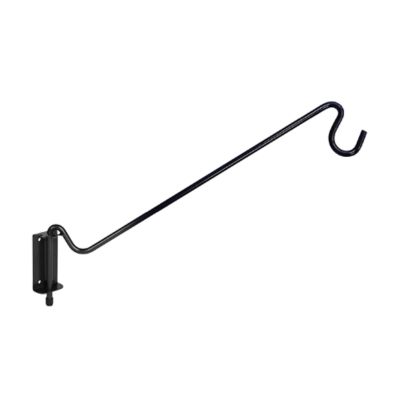
Hanging Brackets offer a related category to consider, with their own attachment and load requirements. Choosing between these arrangements comes down to how the object needs to sit, where its weight transfers, and how people will reach it. Mounting brackets may be small compared with the shelf, fixture, or equipment they support, but their dimensions, material, and attachment details play a big part in keeping everyday work areas orderly and functional.