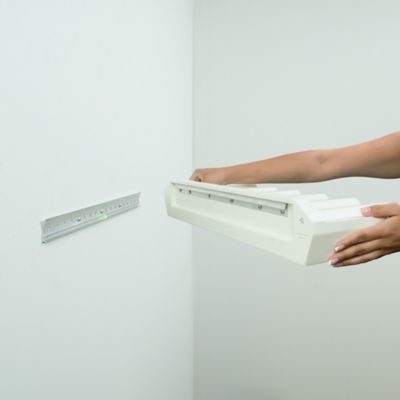
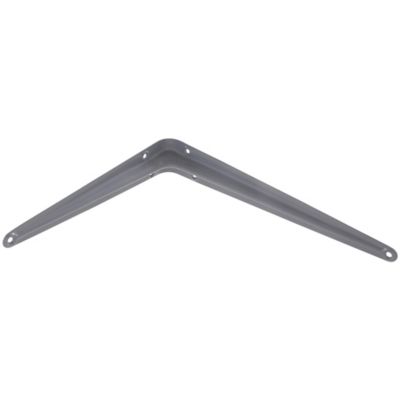
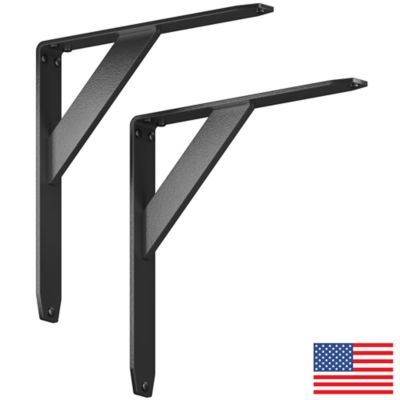
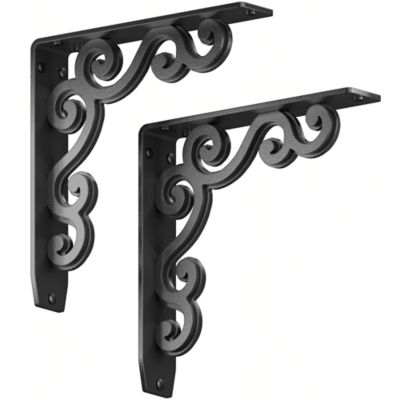
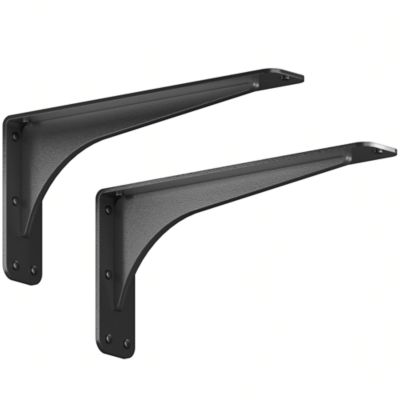
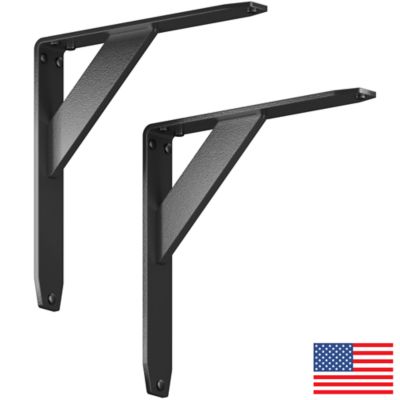
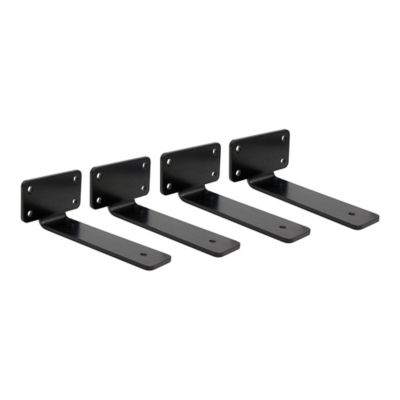
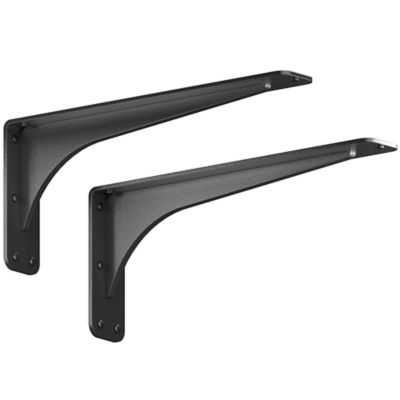
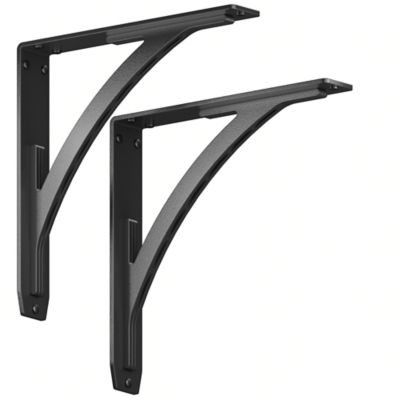
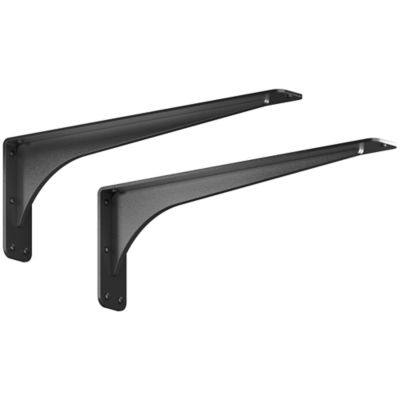
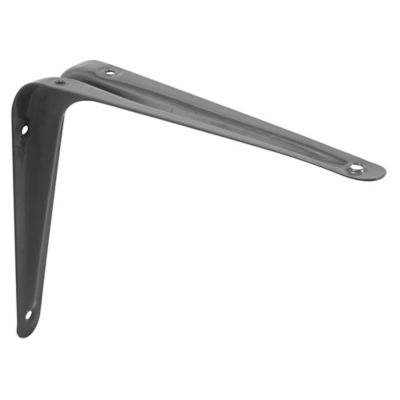
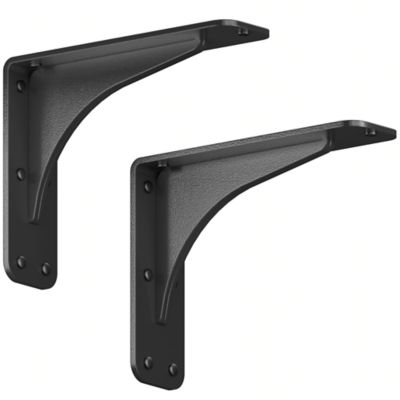
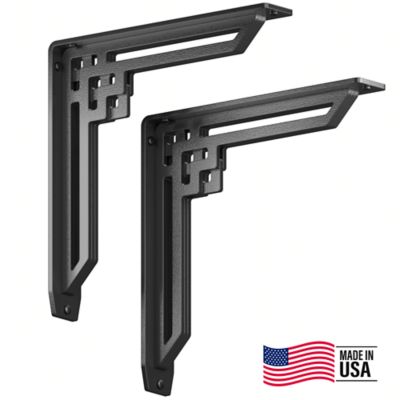
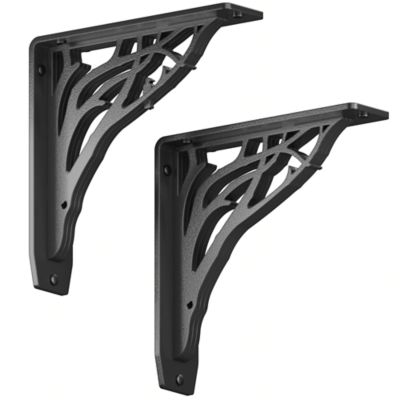
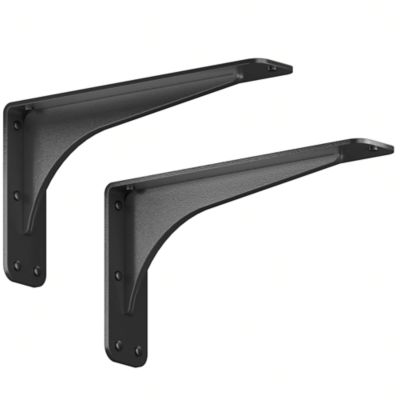
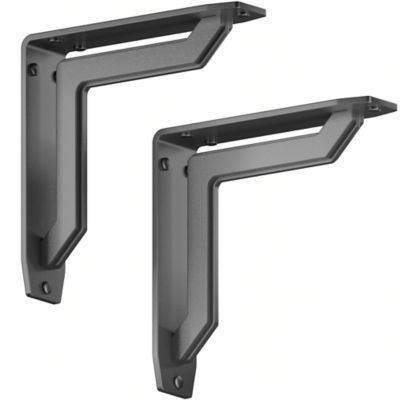
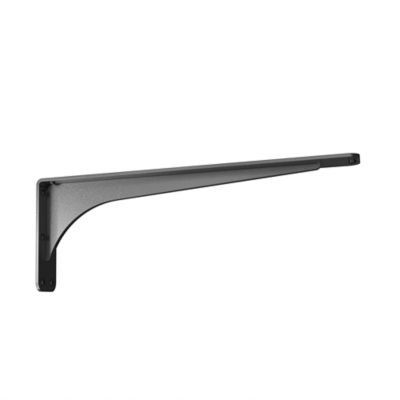
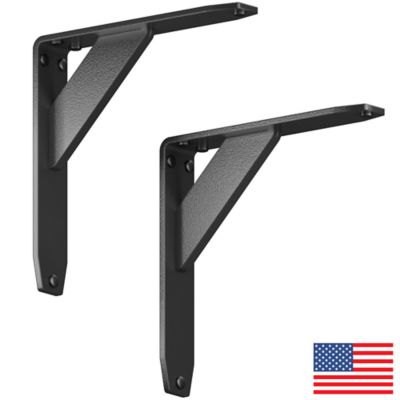
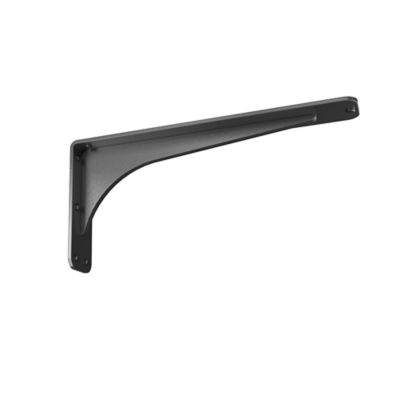
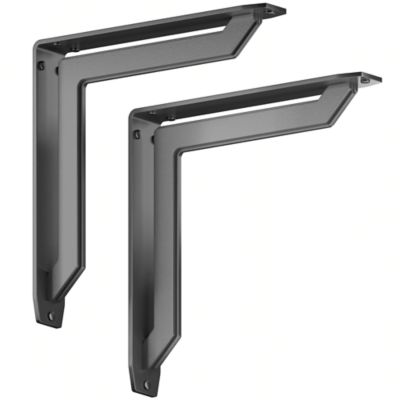
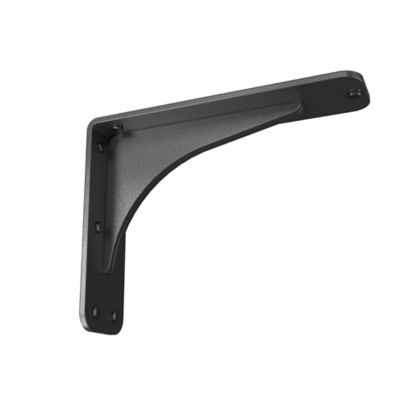
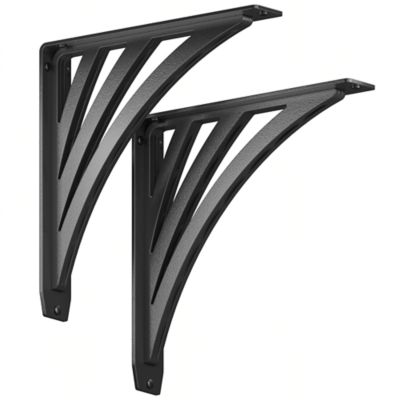
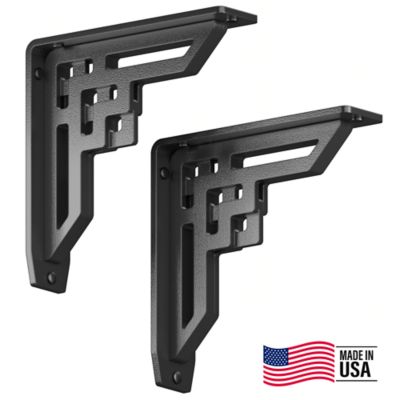
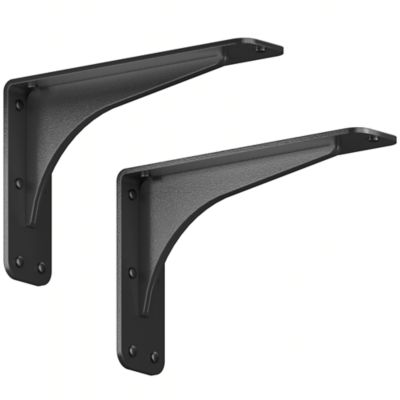
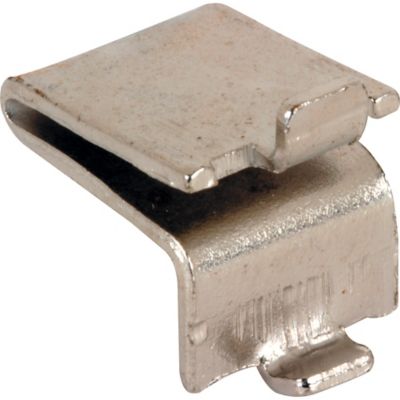
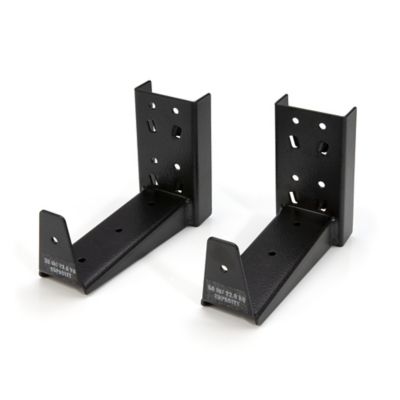
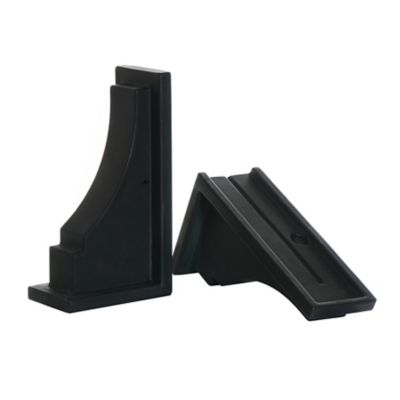
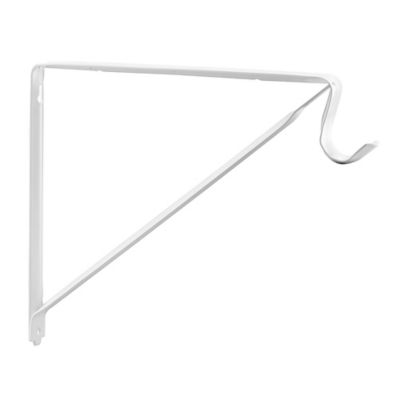
Wall shelf brackets turn bare wall space into a handy spot for the things that need to stay close without crowding the floor. In a workshop, that might mean a shelf above the bench for fasteners, measuring tools, and small parts bins. In a laundry room, it could be a place for cleaning supplies and folded towels, while a pantry shelf keeps jars and everyday staples within reach. The bracket carries the shelf back to the wall, so its shape, size, and mounting points matter just as much as the board resting on top. Straightforward L-shaped brackets offer a simple look, while designs with a diagonal brace create a triangle beneath the shelf. That brace can add support, though it also takes up some room underneath, which matters when a shelf sits above a work surface or another storage area. Concealed supports give compatible shelves a floating appearance, with the hardware tucked inside or behind the shelf rather than showing below it. These designs call for a shelf built to fit the support, not just any board cut to length. Visible brackets can also be part of the room’s look, whether the space calls for plain metal hardware against a painted wall or a darker finish paired with a thick wood plank. For folks setting up a garage, farmhouse kitchen, mudroom, or hobby room, the best match balances useful storage with enough clearance to keep daily chores moving. A narrow shelf beside a doorway has different needs than a deep shelf over a shop bench. Bracket projection, shelf thickness, and the space beneath the support all affect how comfortably the finished setup fits the room. Even a small wall shelf can make a difference when it gives safety glasses, a flashlight, or a tape measure a regular home instead of leaving them scattered across a crowded bench.
A good fit starts with the relationship between the wall, the bracket, and the shelf. The horizontal arm needs to support the shelf depth within the bracket maker’s specifications, while the vertical mounting leg needs a sound attachment to the wall. A deep board on a short support can put extra leverage on the fasteners, especially when weight sits near the front edge. Bracket spacing also matters because the shelf itself can sag between supports, even when the metal hardware remains firmly in place. Solid wood, plywood, and other shelf materials differ in stiffness, and a long run holding books or filled containers needs more consideration than a short shelf carrying a few lightweight keepsakes. Load ratings deserve a close look: a stated limit may apply to one bracket, a pair, or an entire assembly under particular installation conditions. Adding the numbers together does not necessarily establish the capacity of the finished shelf. Wall construction, fasteners, shelf material, spacing, and weight distribution all play a part. Wood studs can provide a solid mounting point with suitable screws, while masonry calls for fasteners matched to the surface. Hollow-wall installations need hardware rated for that wall type and the intended load; the wallboard alone should not be assumed to support a heavy storage shelf. Mounting holes, screw-head clearance, and access for a drill or screwdriver are worth checking before settling on a bracket shape. There also needs to be enough shelf thickness for the shelf-to-bracket screws without their tips breaking through the top. Around a busy workbench, keeping heavier supplies closer to the wall and spreading weight across the shelf can help limit strain at the outer edge. For shelves above seating, walkways, or areas where children spend time, secure mounting and staying within the complete setup’s stated limits are especially important. A level shelf and properly seated fasteners help keep the storage area steady through everyday loading and unloading.
Material and finish help determine how wall shelf brackets hold up to the job and how much attention they need along the way. Steel is a common choice for support hardware, with strength influenced by its thickness, shape, bracing, and construction rather than appearance alone. Cast iron can bring a more substantial, shaped profile, while aluminum offers a lighter metal option in designs suited to the intended load. Painted, powder-coated, and plated surfaces each have their own care requirements, and an intact finish helps protect the metal beneath. In a laundry area or another space where splashes and dampness are part of daily use, corrosion resistance is worth considering alongside load capacity. A soft cloth and a mild cleaner suited to the finish are often enough for routine wiping, followed by drying rather than leaving moisture around mounting holes and joints. Harsh cleaners and abrasive pads can damage some coatings, so the care directions remain the best reference. For lighter storage needs,
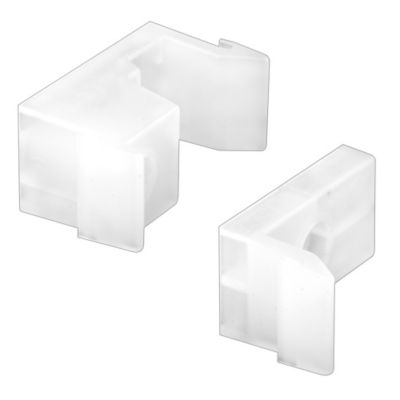
Plastic Brackets For Shelves offer another material category to consider, with the same attention to rated capacity, shelf compatibility, and mounting requirements. Whatever the material, rounded edges and a shape that stays clear of shoulders and elbows can make a difference beside a narrow walkway or above a desk. Finish color can blend into the wall, coordinate with cabinet pulls, or stand out against a wood shelf without making the room feel busy. Matching bracket proportions to the shelf keeps the whole setup looking balanced: a thick plank generally calls for a different visual scale than a slim ledge. Occasional checks for loose fasteners, cracked shelf material, bending, or rust help catch trouble before more weight goes up. Whether the goal is a tidy pantry, a clear workbench, or a place to display family keepsakes, well-matched wall shelf brackets make storage feel like it belongs where the work and everyday living happen.