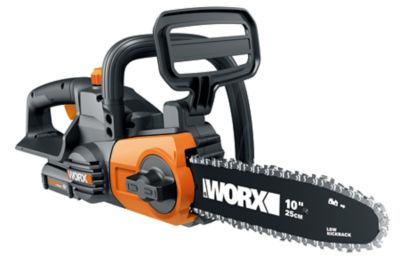
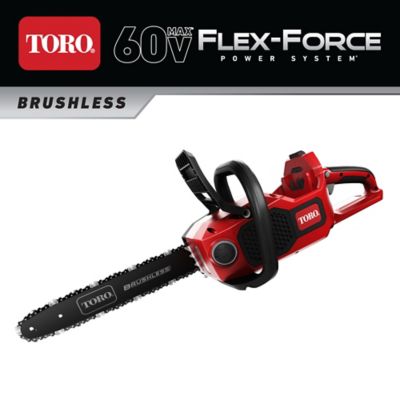
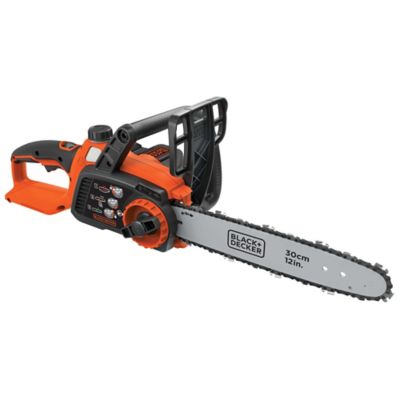
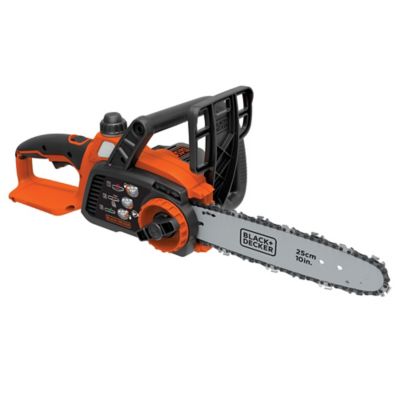
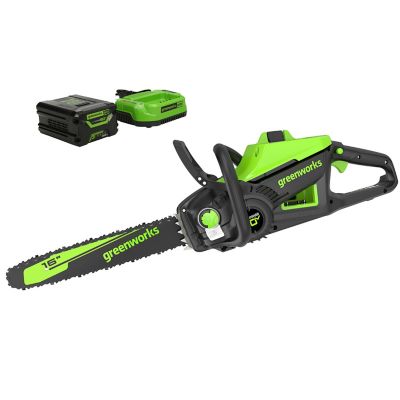
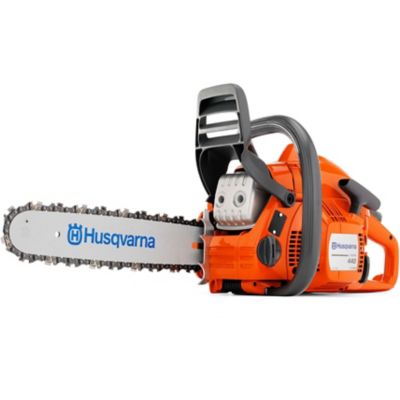
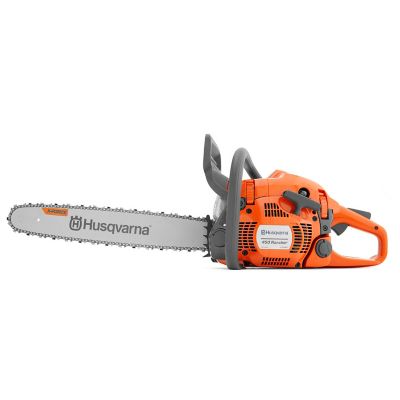
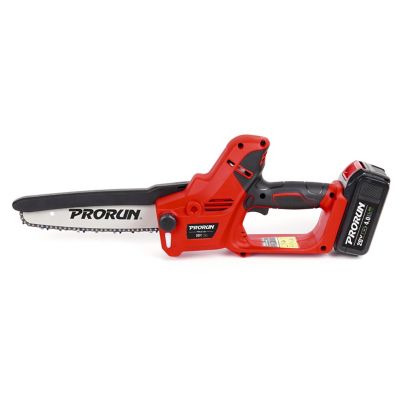
Lithium-ion chainsaws are cordless cutting tools powered by rechargeable batteries rather than gasoline engines or plug-in cords. They bring push-button starting, no exhaust at the point of use and fewer engine-related maintenance chores to jobs around the farm, acreage or backyard. For trimming downed limbs, cutting small logs and breaking up branches beside a fence line, that grab-and-go setup can save hauling a fuel can or stretching an extension cord across the property. There’s no fuel mixture to prepare, spark plug to replace or carburetor to maintain, though the cutting chain, guide bar and lubrication system still need attention. These saws suit homeowners managing a few trees, landowners keeping paths clear and folks cutting modest amounts of firewood. The right size depends on the wood and the workload. A shorter guide bar generally suits smaller branches and easier maneuvering, while a longer bar accommodates larger wood but can add weight and demand more from the motor and battery. Bar length alone does not tell the whole story: cutting speed also depends on motor output, chain design, sharpness, wood species and how much pressure the operator puts on the saw. Dense hardwood and repeated cuts through thick logs take more energy than scattered cuts through small limbs. Some battery-powered chainsaws are built for substantial cutting work, while others are better suited to lighter property maintenance. Claims of gas-comparable performance make the most sense when tied to a particular cutting task and saw configuration, rather than treated as a promise for every cordless model. For someone working along a narrow trail or moving between several small cleanup jobs, cordless mobility may matter more than maximum cutting capacity. For longer sessions at a log pile, battery energy, handling and the ability to keep working between charges deserve a closer look.
Battery specifications help explain those differences, but the numbers need context. Voltage describes one part of the electrical system; a higher voltage rating by itself does not establish which chainsaw will cut faster. Amp-hours describe battery capacity, and comparisons are most useful within the same voltage platform. Watt-hours, when listed, express stored energy and can help compare battery packs with different voltage ratings. Actual run time varies with the saw, battery, wood, chain condition and pace of work, so a claim based on small branches may not reflect repeated cuts through a hardwood log. A larger battery can support longer work sessions, but it can also change the saw’s balance and make carrying it farther down a fence line more tiring. Compatibility matters just as much as capacity. Batteries and chargers need to be approved for the particular tool platform; a similar shape or matching voltage does not make packs interchangeable. Package contents also deserve attention because cordless chainsaws may come with a battery and charger or as the tool alone. For someone already running compatible cordless equipment, that distinction can simplify the setup. Handling comes down to more than the weight printed beside the saw. Operating weight includes the battery, bar, chain and bar oil, and the position of that weight affects how the tool feels through repeated cuts. Comparing
Lightweight Chainsaws can help narrow the search when carrying comfort is a priority. Handle spacing, grip surfaces and access to the trigger lockout matter, especially with work gloves on. Steel guide bars and cutting chains take the direct wear, while many saws have polymer housings that help limit overall weight. Brushless motors, automatic chain oilers, visible oil-level windows and chain-tensioning designs are additional features worth comparing, with their usefulness depending on the work and the operator’s preferences.
Long service life depends on matching a lithium-ion chainsaw to its workload and keeping its cutting components in good shape. Battery power eliminates several gasoline-engine chores, but it does not make a chainsaw maintenance-free. The chain still needs the correct tension, sharp cutters and proper lubrication. Most conventional bar-and-chain setups require bar oil even though the motor runs on electricity, and an automatic oiler still depends on oil in the reservoir and clear passages. Fine sawdust instead of chips, slow progress and the need to force a cut can point to a chain that needs attention. Replacement chains must match the required pitch, gauge and drive-link count; guide-bar length alone is not enough to establish fit. The owner’s manual provides the requirements for replacement parts, lubrication, cleaning and battery care. Removing the battery before chain adjustments, cleaning or other maintenance helps prevent an unintended start, and a bar cover protects the cutting attachment during storage and transport. Safety features also belong in the buying decision. Trigger lockouts, front hand guards and chain brakes serve different purposes, and no feature removes the risk of kickback or contact with the chain. Battery saws may sound less imposing than gas-powered equipment, but they still call for two-handed control, firm footing, eye and hearing protection, gloves, protective footwear and leg protection rated for the saw type. Ground-level cutting with room to move is a different job from tackling a leaning tree, an overhead limb or wood trapped under tension; those situations can call for a trained tree-care professional rather than a larger saw. For a practical gift, the recipient’s experience, existing battery platform and typical chores matter more than choosing the longest bar. A manageable saw that fits the work can make more sense for occasional branch cleanup than a heavier setup intended for sustained cutting. Across the category, the strongest match balances cutting capacity, battery compatibility, comfortable handling and straightforward care with the jobs waiting around the place.