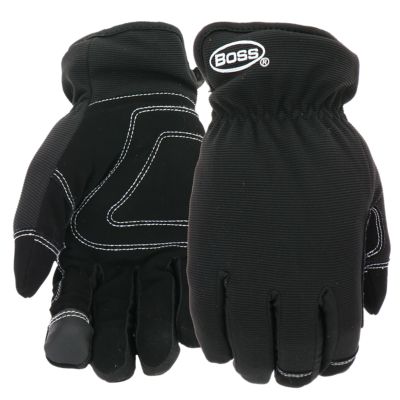
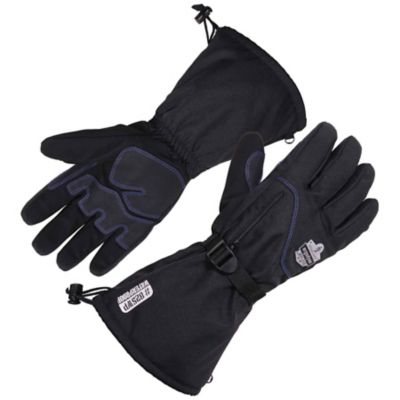
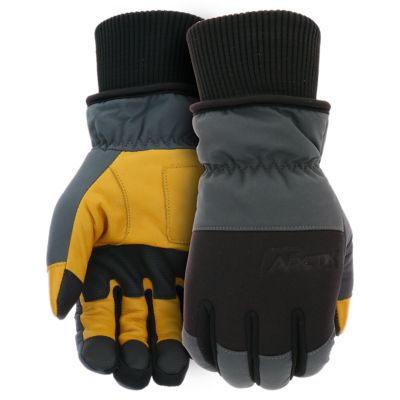
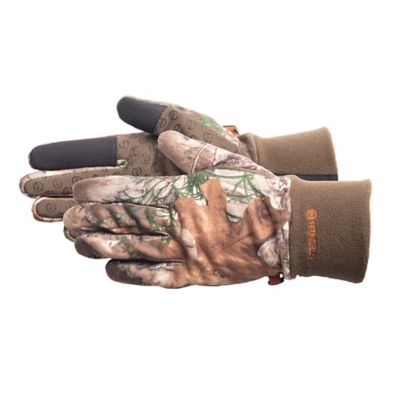
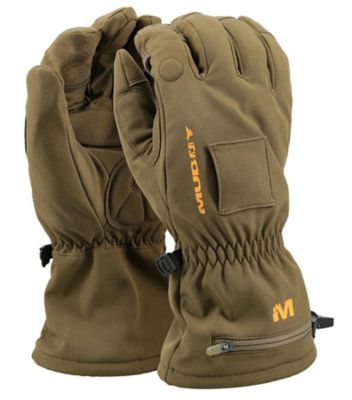
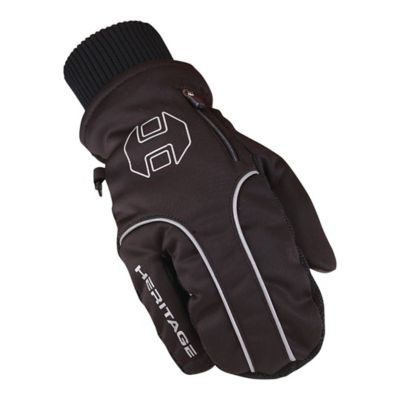
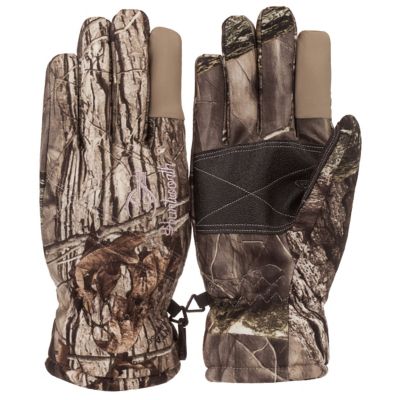
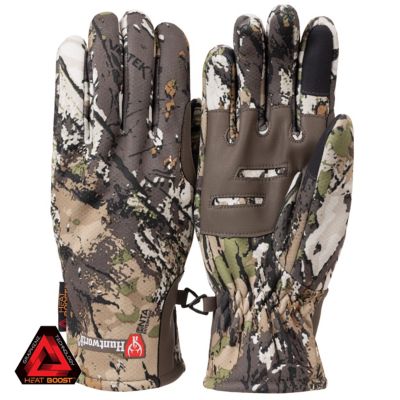
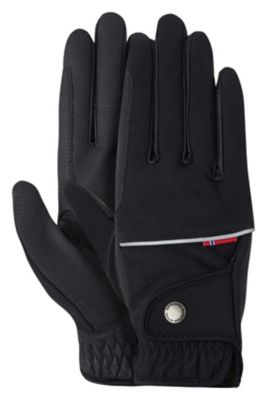
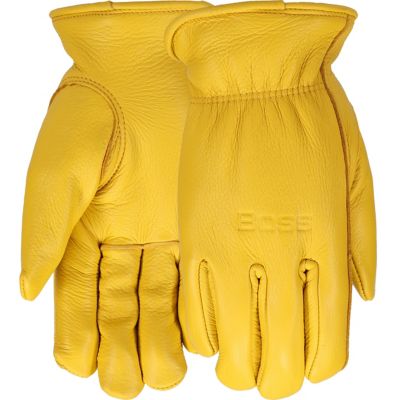
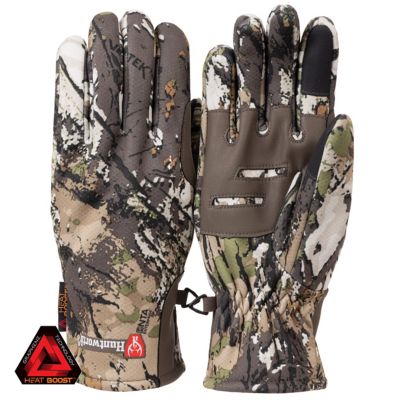
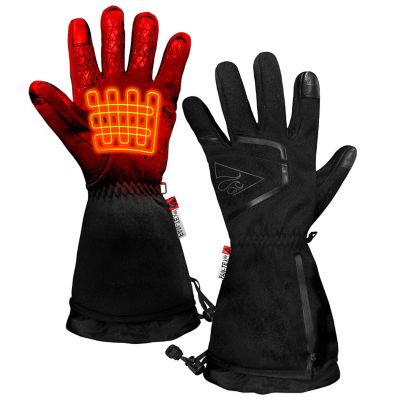
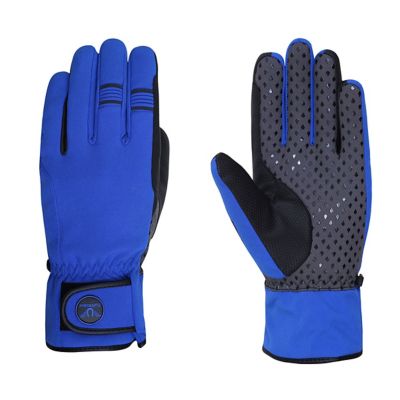
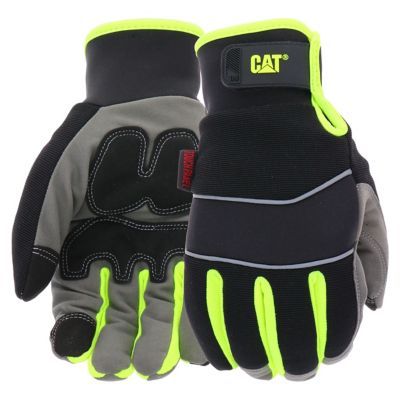
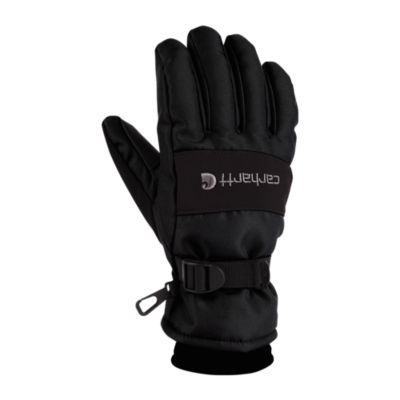
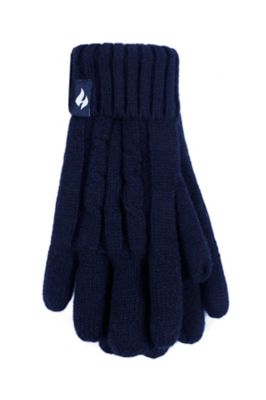
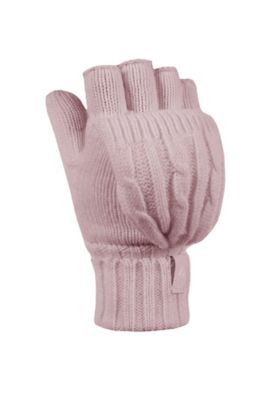
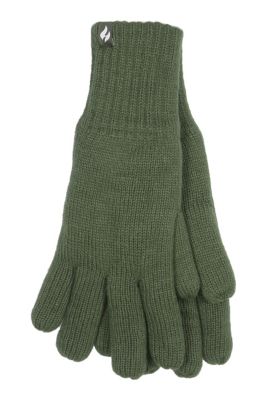
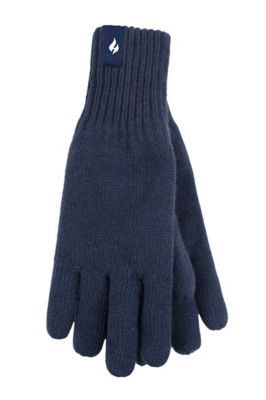
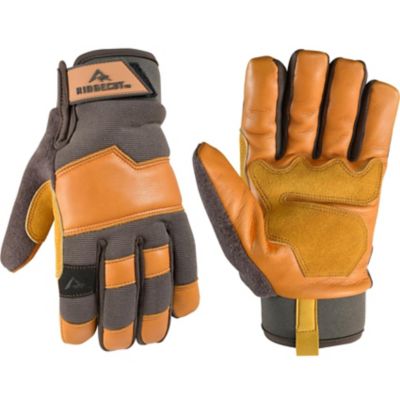
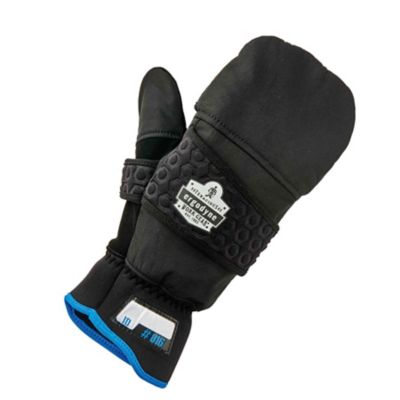
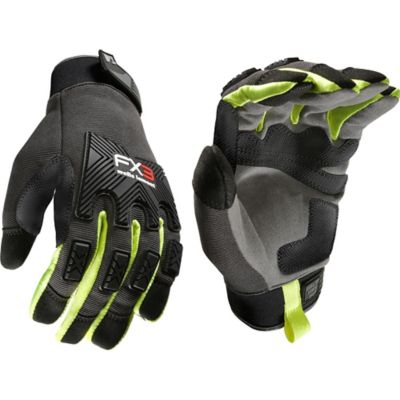
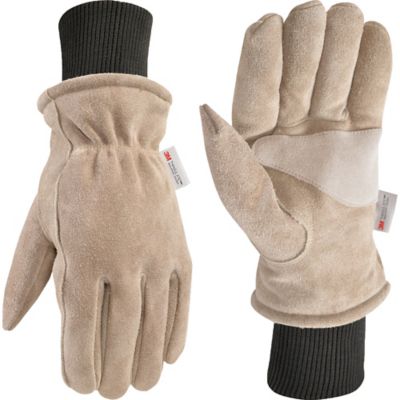
Gloves made for negative temperatures are built for more than an ordinary chilly morning. When the thermometer drops below freezing, cold can work its way through thin fabric in a hurry, especially when you’re handling metal gates, feeding animals before daylight, clearing snow, checking a fence line, or spending long stretches outdoors. The best cold-weather gloves combine insulation with protection from wind and moisture, helping your hands stay warm while still giving you enough grip and control to get the job done. Look for substantial thermal insulation, such as synthetic insulation or 3M Thinsulate, with 100 grams or more often offering dependable warmth for demanding conditions. Down can provide excellent warmth for some outdoor uses, while synthetic fill tends to perform more reliably when exposed to damp conditions. A windproof outer shell helps stop icy air from cutting through the glove, and a waterproof or water-resistant membrane keeps melting snow, sleet, and wet equipment from soaking the insulation. Materials such as coated synthetics, neoprene, leather, and tightly woven technical fabrics can add useful protection against abrasion and rough surfaces. For shoveling, hauling feed, working around livestock, or handling tools, reinforced palms and fingers are worth considering because they can improve durability and grip. A long gauntlet cuff that reaches over the jacket sleeve is especially helpful in deep snow or strong wind. It keeps cold air and loose snow from slipping down your wrist, where it can quickly make the rest of your hand feel cold. If you prefer wearing gloves under a coat sleeve, choose a slimmer cuff that fits comfortably without bunching.
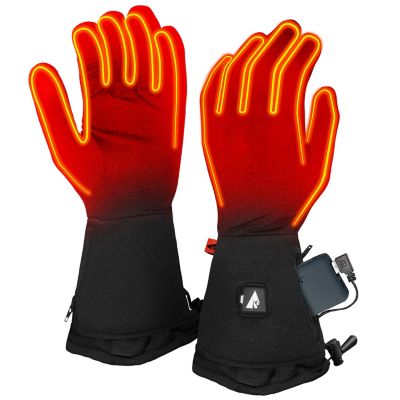
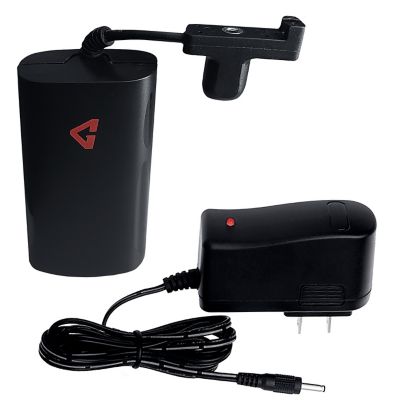
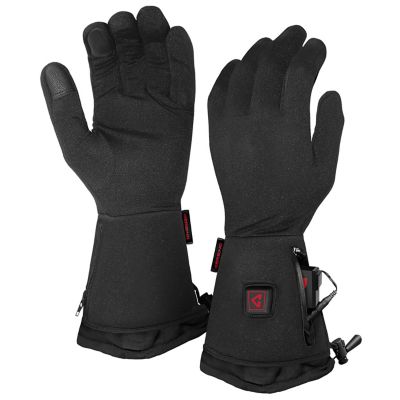
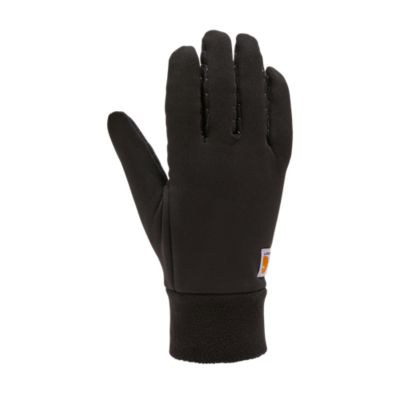
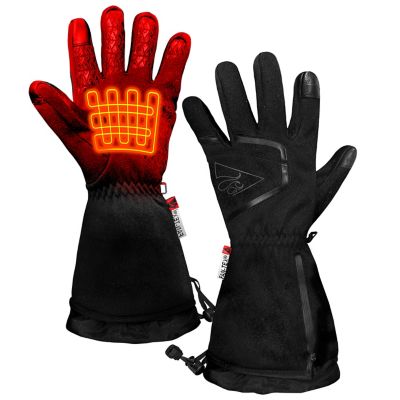
The right pair depends on how cold it gets, how long you’ll be outside, and how much hand movement your work requires. A thick, heavily insulated mitten-style design generally offers more warmth because the fingers can share heat, making it a solid choice for standing outside, riding, watching winter activities, or working in truly bitter conditions. Gloves with separate fingers provide better dexterity for buckles, zippers, keys, phone screens, tools, and animal-care tasks, though they may need more insulation or a layered approach to match the warmth of mittens. For active work, avoid a fit that is so tight it compresses the insulation; flattened insulation cannot hold warm air as effectively. At the same time, excess room can make it harder to grip and may allow cold air to circulate inside. Leave enough space to move your fingers naturally, but make sure the fingertips do not slide around. A moisture-wicking liner glove can add warmth and help manage sweat during chores, walking, hunting, outdoor work, or winter travel. Many people use a three-part system for harsh conditions: a thin liner next to the skin, an insulating glove for warmth, and a waterproof shell or mitten for wind and wet snow. This approach lets you adjust as your activity level changes. When you’re moving hay or clearing a path, you may want less insulation to avoid sweaty hands; when you’re sitting still in a deer stand, checking livestock, or waiting beside a truck, extra insulation and a wind-blocking outer layer can make a noticeable difference. Heated gloves may also be useful for people who have poor circulation or conditions such as Raynaud’s syndrome, but electronic heating elements should be used according to the manufacturer’s instructions and paired with a proper fit. Keep batteries protected from moisture, and check that controls are easy to operate while wearing the gloves.
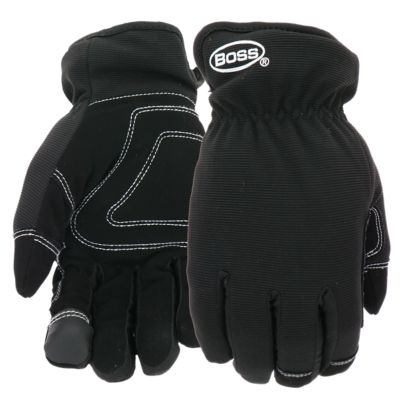
Cold-weather gloves can be a practical gift for anyone who spends time outdoors, including farmers, ranchers, delivery workers, construction crews, hunters, anglers, hikers, snow-removal workers, and folks who commute on foot or by motorcycle. They’re also handy for a friend who is always the one clearing the driveway, bringing in firewood, or tending animals before the sun comes up. For a useful gift, consider the recipient’s usual routine rather than choosing based on appearance alone. Someone who works with tools may appreciate a flexible palm, reinforced fingertips, and a secure wrist closure, while someone who spends long periods outside may value maximum insulation, a wide gauntlet cuff, and waterproof construction. People who use phones or equipment with touchscreens can look for touch-compatible fingertips, though these features work best when the glove fits snugly and the screen is clean. Adjustable wrist straps, elastic closures, and textured palms help keep gloves in place when carrying buckets, opening gates, or gripping a shovel handle. Before purchasing, check the sizing chart and think about whether the gloves will be worn alone or over a liner. It is also smart to have a backup pair available, since wet gloves lose warmth quickly and may not dry before the next round of chores. After use, shake out snow and debris, then dry gloves naturally away from direct heat that can damage leather, coatings, adhesives, or insulation. Store them fully dry so they are ready for the next cold-weather task. For shoppers comparing different levels of warmth,
Thermal Gloves can help narrow the selection toward insulated designs made for cooler working conditions. A well-fitted pair of gloves will not make winter disappear, but it can keep fingers warmer, improve comfort, and make everyday outdoor work easier from the first frosty morning through the coldest stretch of the season.