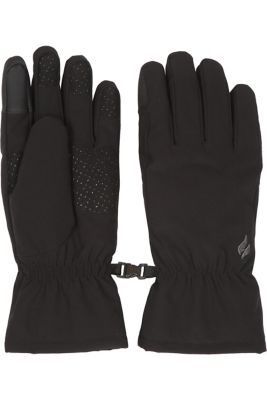
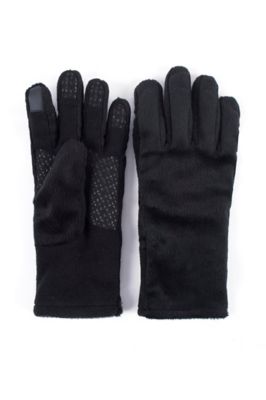
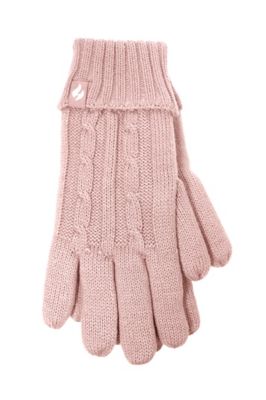
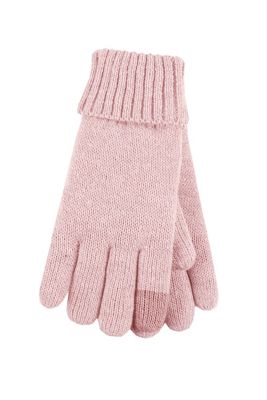
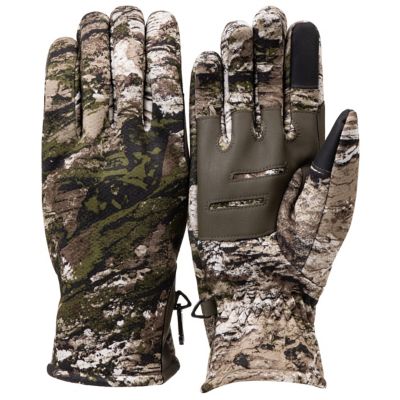
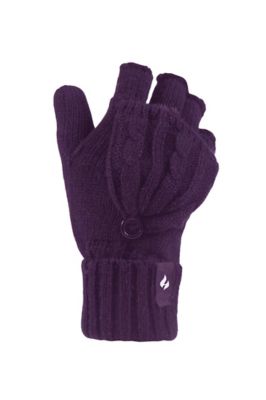
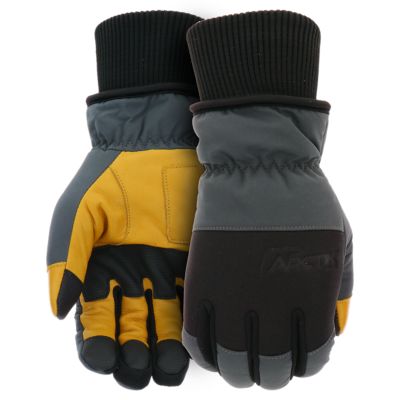
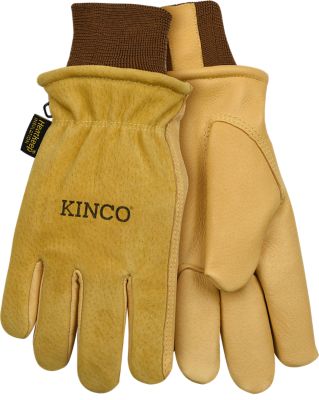
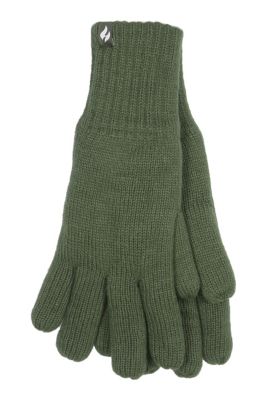
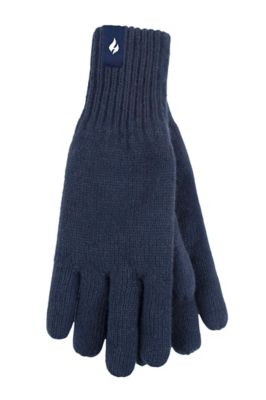
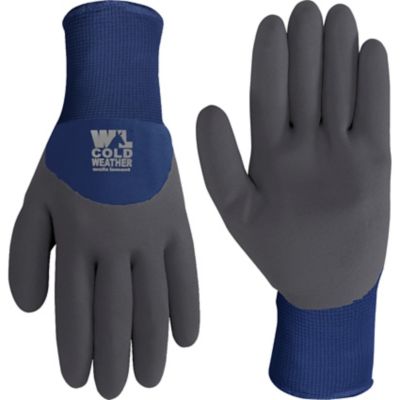
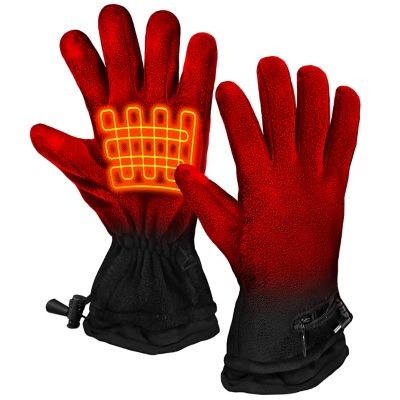
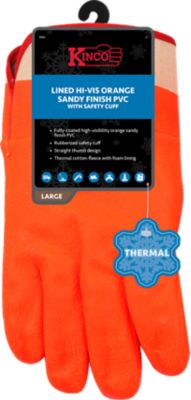
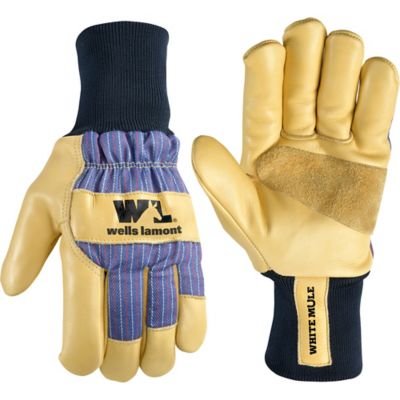
The best gloves for keeping your hands warm match the outside temperature, the wind and moisture, and how much you’ll be moving. A pair that feels just right while you’re stacking firewood might not be warm enough when you climb onto an open tractor and sit in the wind. For steady work like hauling feed or clearing the driveway, a lighter insulated glove can give you enough warmth without leaving your hands sweaty. For long stretches with little movement,
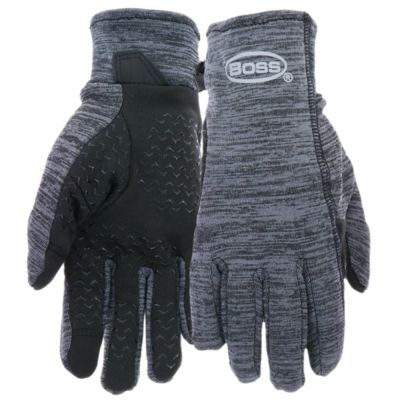
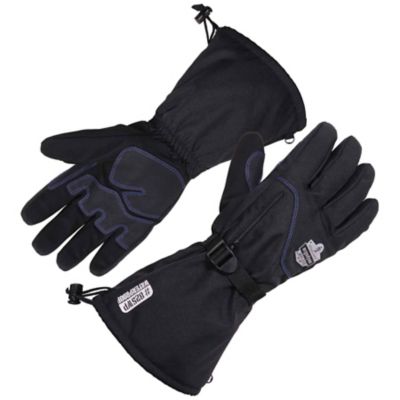
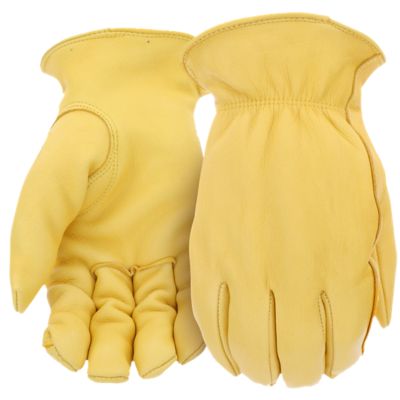
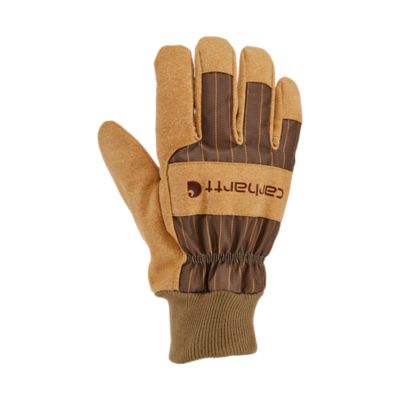
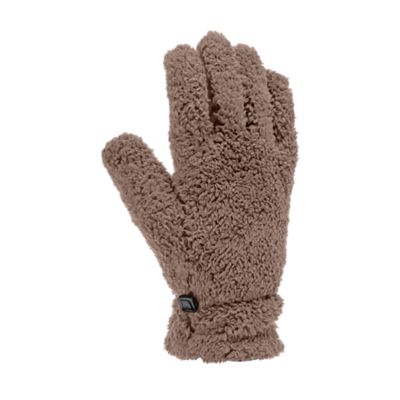
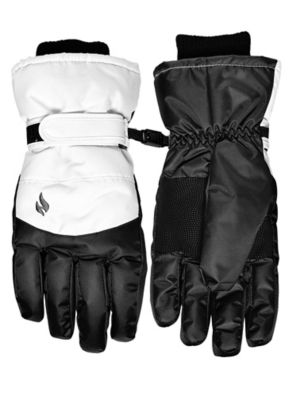
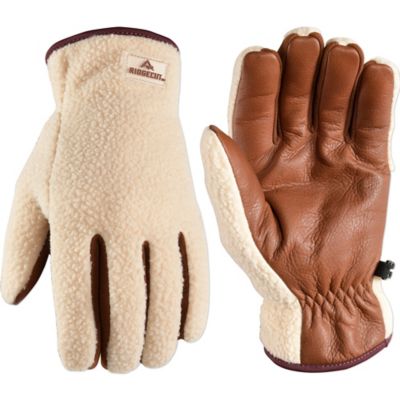
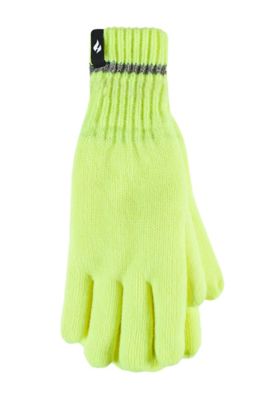
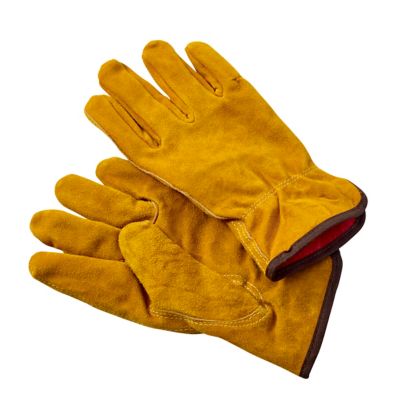
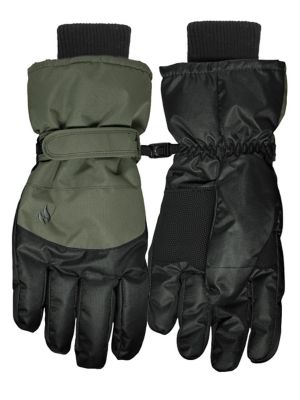
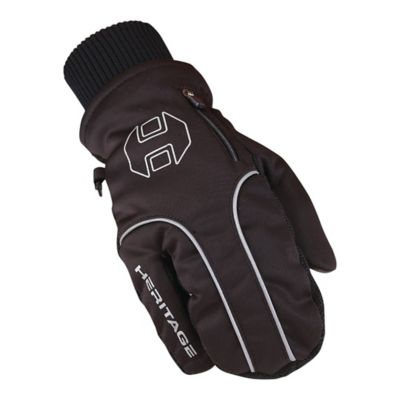
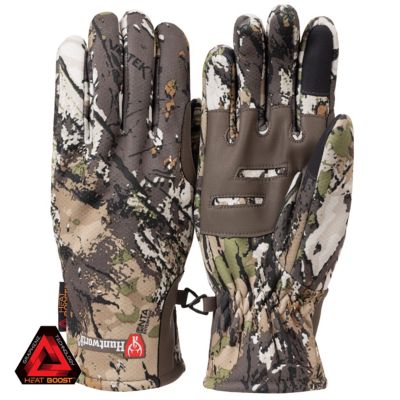
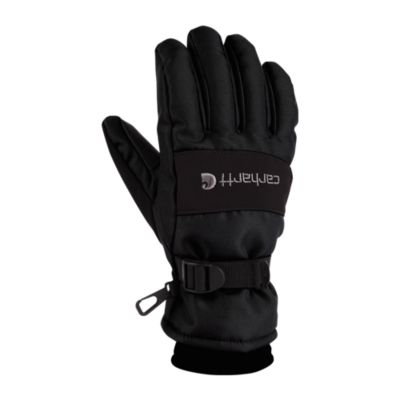
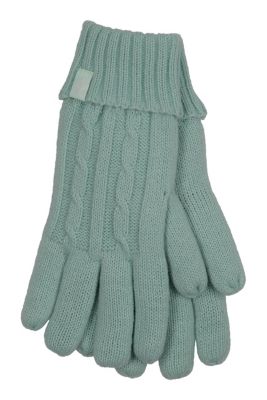
Thermal Heated Gloves are another option. Battery-powered styles add warmth that doesn’t depend on how much heat you’re generating. The location of the heating elements matters: Some styles warm the back of the hand, while others carry heat farther along the fingers. Higher settings generally shorten the time between charges, so think about how long you’ll be out and whether the gloves have enough insulation to stay comfortable with the heat off. For warmth without batteries, fleece feels soft against the skin and works well as a lining, but a fleece glove without a wind-blocking layer can let a stiff breeze through. Wool-blend liners can still provide some warmth when damp, and synthetic insulation paired with a wind-resistant shell makes sense for exposed chores. Leather palms stand up well to repeated contact with rough handles, rope and firewood, while stretchy fabric across the back of the hand can make it easier to close your grip. Leather on its own isn’t necessarily waterproof. If the job means brushing snow off equipment or reaching for a wet gate latch, a waterproof lining can help keep moisture from soaking through. Cuffs matter there, too. A close cuff that fits inside a coat sleeve leaves less fabric near your wrist, while a longer cuff that goes over the sleeve helps keep loose snow from falling in when you reach down.
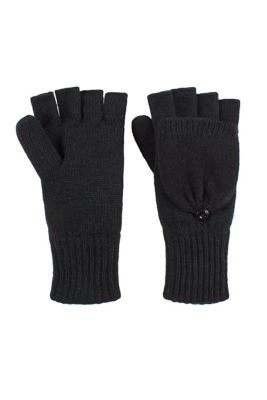
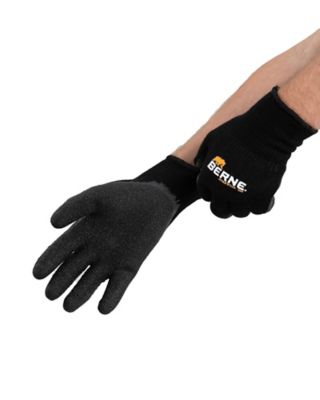
Fit makes as much difference as insulation when you need warm hands that can still get the job done. A glove should let you bend your fingers and make a fist without pulling tight across the knuckles. A little space at the fingertips is fine, but too much can make it hard to pick up a washer or get hold of a zipper. A glove that fits tight can squeeze the insulation flat, especially when you grip a cold shovel handle. If you plan to wear thin liners underneath, leave room for them rather than trying to squeeze both layers into a close-fitting glove. Palm width and finger length can vary independently, so both are worth a look when checking a size chart. Think about the smallest thing you need to handle before deciding how thick a glove makes sense. There’s a difference between wrapping your hand around a snow shovel and clipping a lead rope onto a halter in a dim barn. Flexible fingers and a textured palm help with that second job, especially if the hardware is slick. For walking the fence line or sitting through an outdoor game, a thicker lining may matter more than being able to pinch a tiny snap. The way a glove is put together also makes a difference in how well it holds up. Reinforced palms help where tool handles rub, and a reinforced patch between the thumb and index finger can take some of the wear from pulling rope or carrying pails by the handle. Smooth seams inside the fingers are worth a look if you’ll be gripping tools for hours. Even a small ridge can rub once you’ve opened and closed your hand a few hundred times. A snug wrist closure can keep the glove from shifting as you work, just as long as it doesn’t pinch when you bend your wrist.
Warm gloves are easier to live with when the materials suit both the work and the cleanup. For muddy chores, a washable fabric shell may be easier to care for than leather. Check the care label before soaking or machine-washing any insulated pair, since the shell and lining can have different needs. Brush dried dirt off leather rather than scrubbing it with lots of water, and let damp gloves air-dry away from a stove or heater vent. Direct heat can stiffen leather and damage some synthetic materials. If the liners come out, dry them separately so moisture doesn’t linger down in the fingers. A glove can feel dry on the outside and still be clammy inside the next time you pull it on. Battery-heated styles have their own care directions, including when to remove the batteries and how to clean around the electrical parts. A spare dry pair can be handy when the first one gets soaked before the chores are done, and the two pairs don’t have to do the same job. A flexible pair might live by the barn door for feeding and latching gates, with a warmer pair in the truck for clearing snow or waiting out a delay along the road. Warm gloves also make a practical gift for someone who walks the dog before daylight, tends livestock, or spends Saturdays in the bleachers. If you know the person’s glove size, think about what they tend to take their gloves off to do. Someone who keeps tugging a glove off to work a gate clip might get more out of a flexible fit than a heavier lining. Someone who spends hours in the wind without much movement may appreciate more insulation and a cuff that covers the gap at the coat sleeve. The pair that fits the day’s work is the one that’s more likely to stay on from the first trip out the door to the last latch on the way back in.