A generator with an extension cord brings power within reach when an outlet is too far away or a storm takes the lights out. Around a rural home, small acreage, or jobsite, that pairing can support anything from keeping a refrigerator running to lighting a work area while a fence repair gets finished. The right match starts with what needs power, how much electricity it draws, and how far the cord must reach. Portable generators carry separate running-watt and starting-watt ratings: running watts cover the steady load, while starting watts account for the brief surge that some motors need when they kick on. A refrigerator, freezer, or portable power tool can demand more power at startup than during normal operation, so the appliance nameplate and owner’s manual matter more than a guess based on size. Adding the running loads and allowing for the largest starting surge gives a useful starting point, with the generator manufacturer’s sizing directions providing the final check. Cord capacity matters just as much as generator output; a large generator does not make an undersized extension cord safe. For households preparing for cooler weather, the practical goal is often keeping a few essentials going rather than powering everything at once. Out at the property, the priority may be reaching a repair area without stretching a cord tight across a gate or driveway. Generator features such as covered outlets, wheels, lifting handles, and clearly marked controls can affect everyday handling, while fuel type, fuel storage requirements, and operating time help determine suitability for longer tasks. Inverter generators may be worth considering for sensitive electronics, but compatibility still depends on the equipment’s power requirements and the generator’s specifications. Whether the setup is for a homeowner, a livestock keeper, or someone working beyond the reach of utility power, choosing the generator and cord together helps keep the whole arrangement suited to the job.
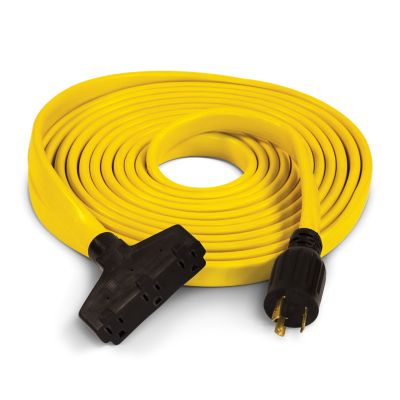
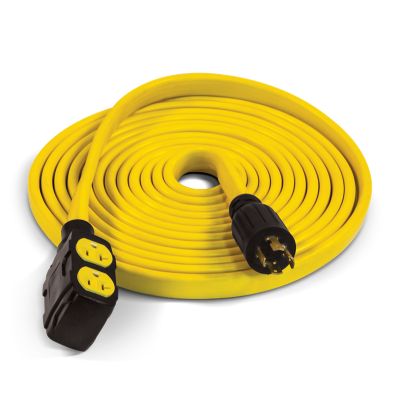
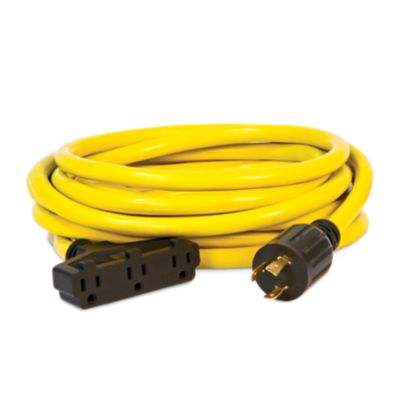
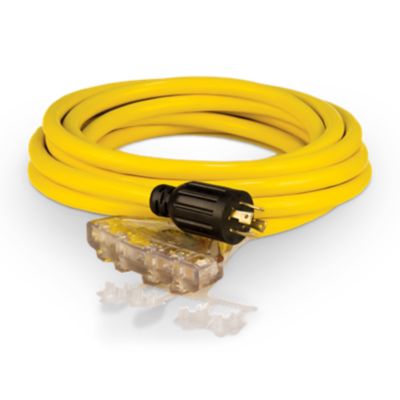
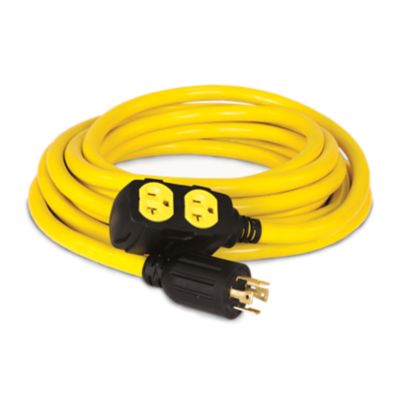
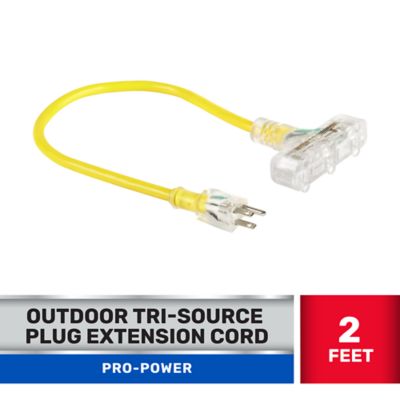
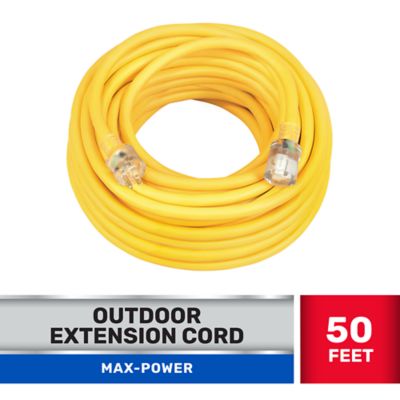
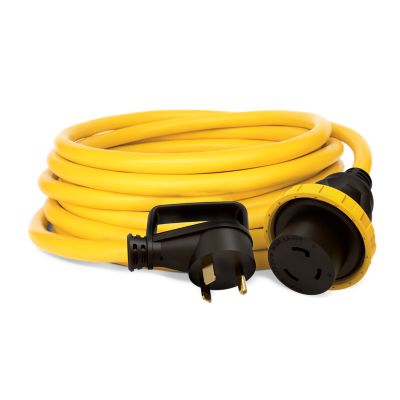
An extension cord for a generator needs the right wire gauge, length, voltage rating, amperage rating, and plug configuration—not simply a jacket that looks thick. Lower American Wire Gauge numbers indicate thicker conductors, so a 10-gauge cord has thicker wire than a 12-gauge cord. That additional conductor size can help limit voltage drop over a longer run, but no single gauge is right for every distance and load. A 12-gauge or 10-gauge outdoor cord may suit some appliance applications when its labeled capacity and the equipment instructions support that use; higher-current connections can require heavier conductors and purpose-built generator cords. The cord’s rating must cover the intended load, and the plugs must match the generator receptacle and connected equipment without defeating a grounding connection. Standard household-style plugs and locking generator connections serve different needs, and similar-looking connectors are not necessarily interchangeable. Locking connectors help resist accidental separation where the equipment is designed for that connection. Copper conductors carry the current, while the outer jacket helps protect the wiring from abrasion, moisture, and everyday handling. Outdoor markings such as SJTW or STW identify common cord constructions intended for outdoor service, though temperature limits, wet-location suitability, and other ratings still need a look. A jacket that stays flexible in cold weather can be easier to handle across a frosty yard, and molded strain relief helps protect the point where the cable meets the plug. Bright jacket colors can make a cord easier to spot against gravel or grass, without replacing a clear, protected route. The best length reaches the load from a safe generator location with room for routing, but avoids unnecessary extra footage. Excess length increases electrical resistance, and tightly coiled cable can trap heat under load. Multiple outlets on a cord end share the cord’s total capacity; each outlet does not get a separate full allowance. For campsite needs,
Generators For RVs offers a related category where matching the RV’s shore-power connection, voltage, and electrical demand is especially important.
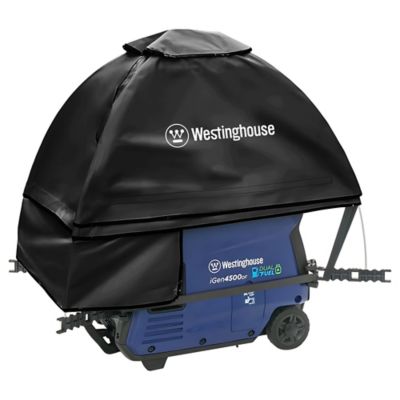
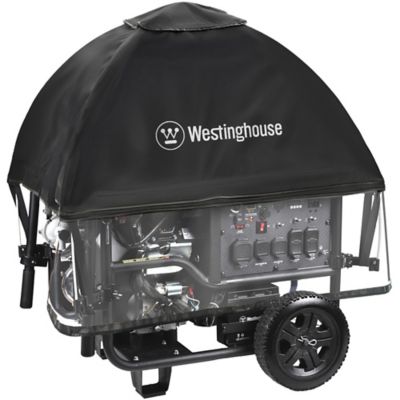
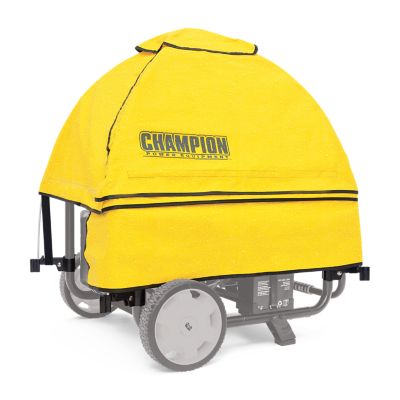
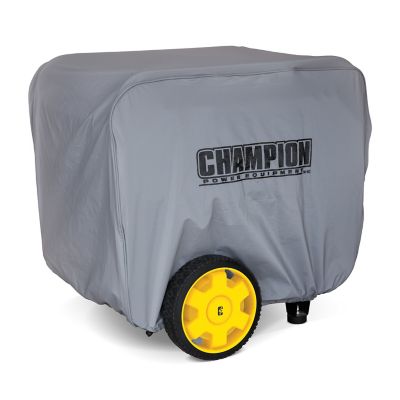
A well-matched generator and extension cord also need a safe place to operate, whether the setting is a farmhouse yard, a hunting camp, or a work area beside an outbuilding. Portable fuel-burning generators belong outdoors, at least 20 feet from homes and other occupied buildings, with exhaust directed away from doors, windows, vents, and people. They never belong in a garage, barn, shed, crawl space, or enclosed porch, even with doors open. The same concern applies around RVs and nearby campsites: exhaust must stay away from places where anyone could breathe it. Working carbon monoxide alarms inside the home provide another important layer of protection, not permission to place a generator closer. Outdoor-rated cords do not make a generator weatherproof, and plug connections should stay dry and off wet ground. A manufacturer-approved operating cover or open shelter may help protect equipment from precipitation while maintaining the required ventilation and clearances. Routing deserves equal attention. A cord laid under a rug, squeezed through a closing door, or stretched across a livestock lane can suffer damage that is hard to notice until trouble starts. Keeping cables away from sharp edges, hot exhaust parts, standing water, vehicle tires, and foot traffic helps protect both the wiring and the folks nearby. Before each setup, checks for cuts, flattened sections, loose plugs, missing ground pins, or heat discoloration can reveal a cord that needs replacement rather than a patch. Appliances suitable for cord connection can connect through properly rated cords as their manufacturers direct, but a generator must never feed a home through a standard wall outlet. Supplying household circuits requires approved transfer equipment installed by a qualified electrician to prevent backfeeding utility lines. After the work is done, shutting down and cooling the generator before refueling helps reduce fire risk. Clean, dry cords stored in loose coils are easier to inspect and bring out again. Those details make a generator-and-cord setup better suited to the real demands of outage preparation, chores, and work away from an outlet.