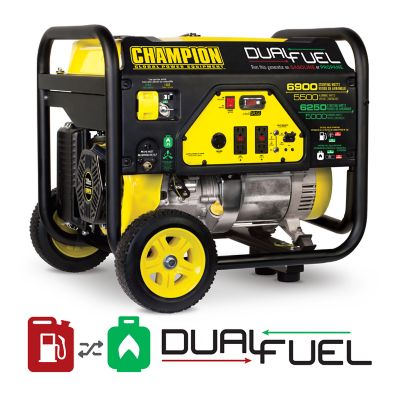
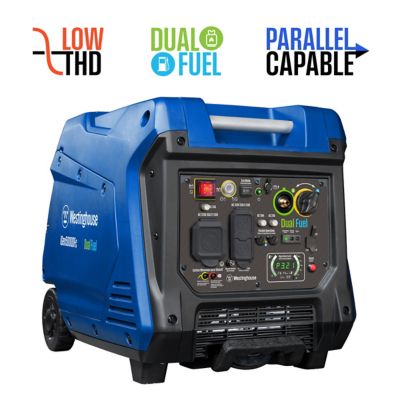
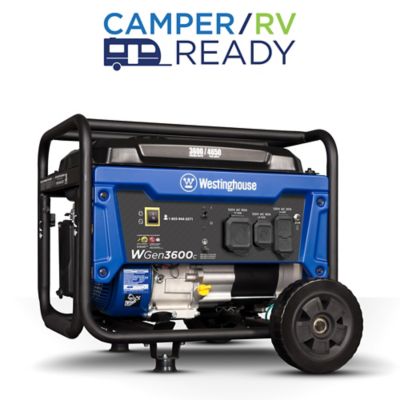
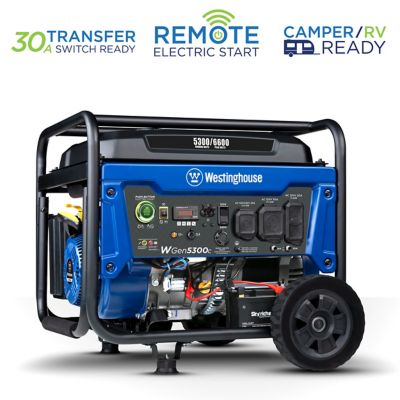
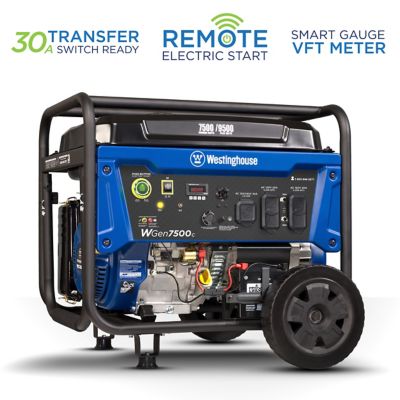
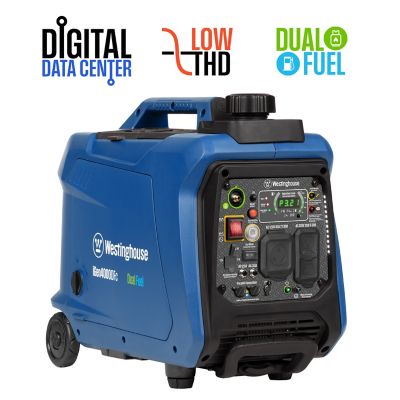
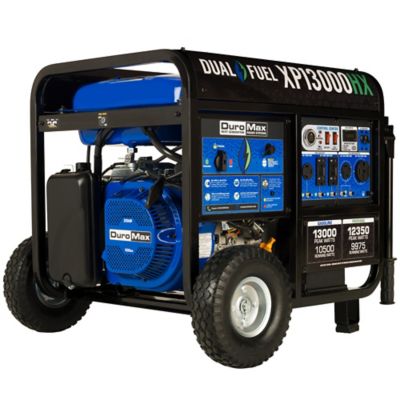
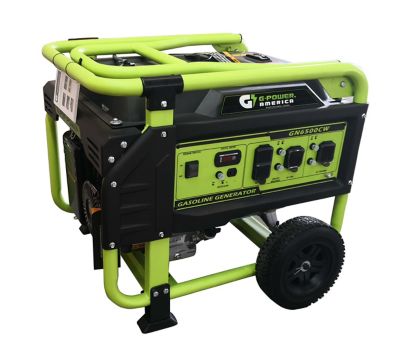
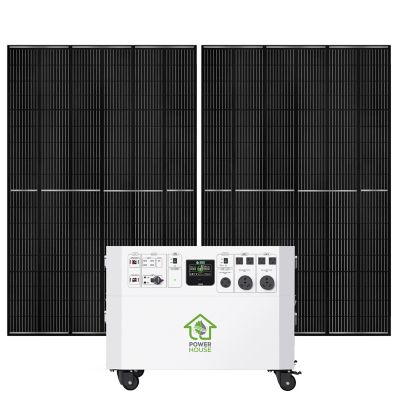
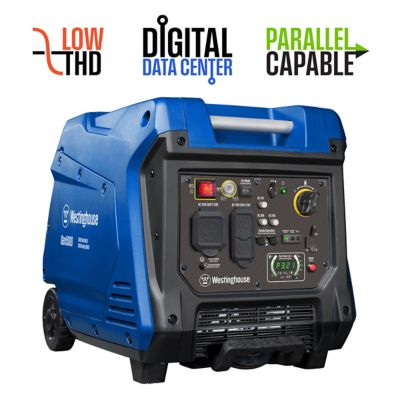
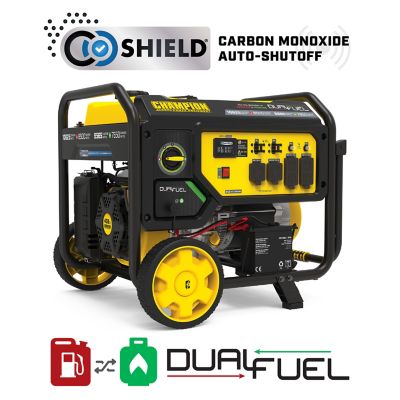
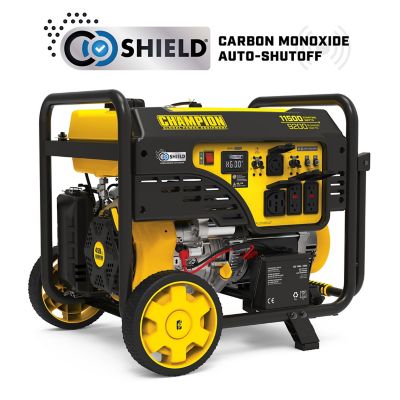
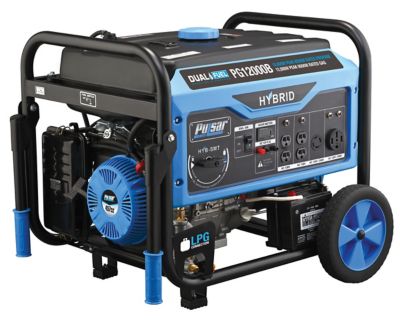
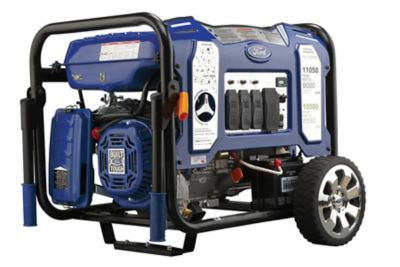
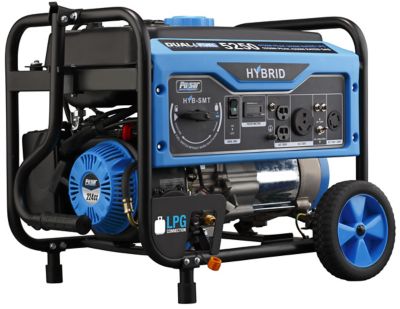
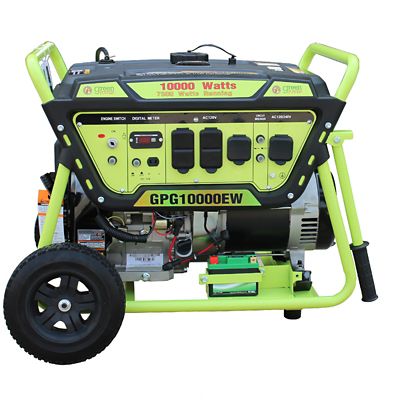
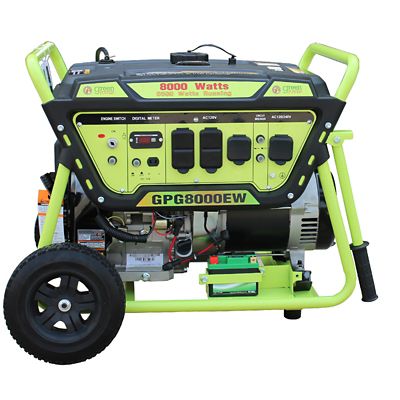
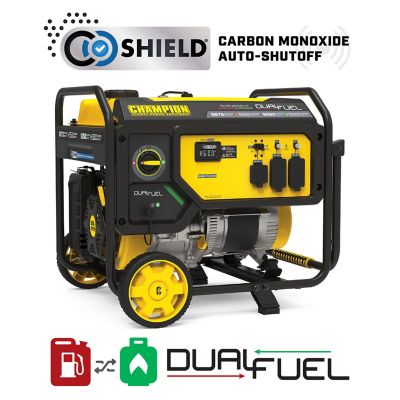
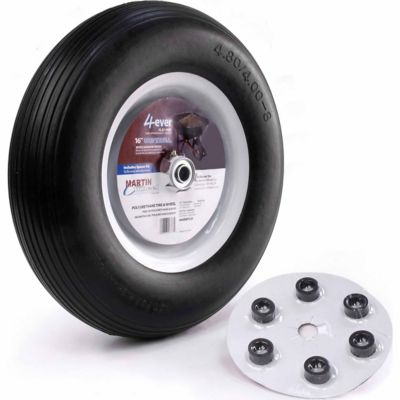
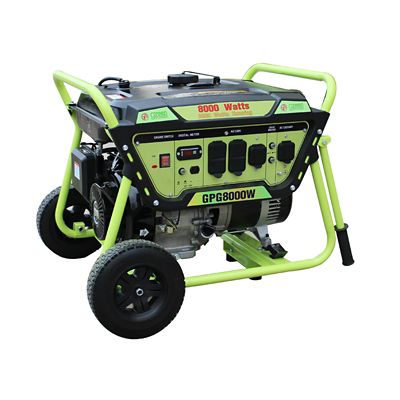
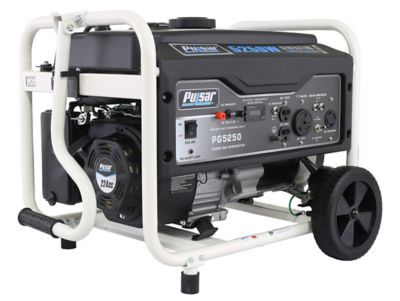
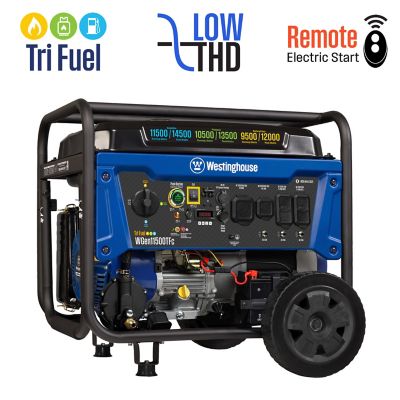
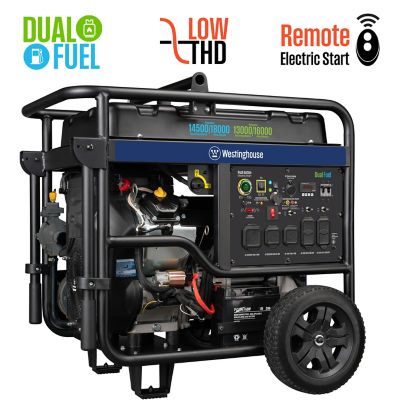
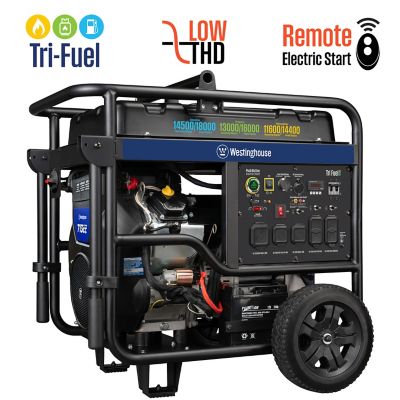
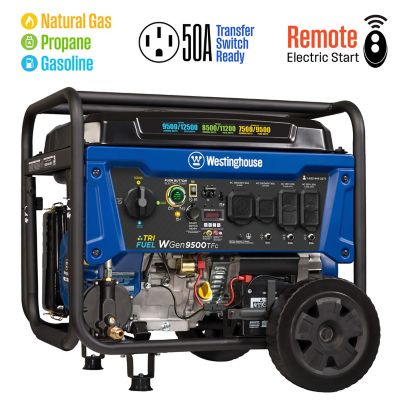
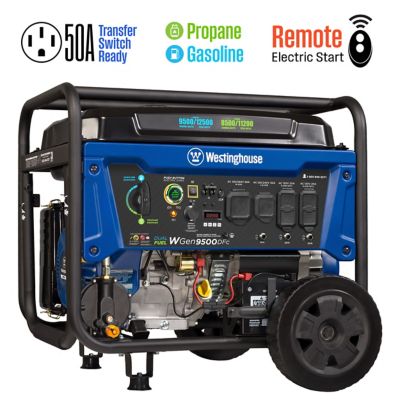
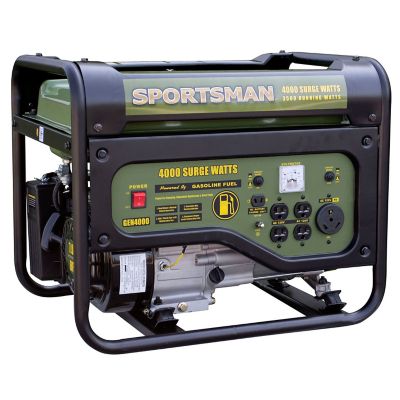
A generator with wheels gives you dependable portable power without asking you to muscle a heavy machine across the yard. These units are useful around the farm, at a work site, beside a barn, or at home when a storm knocks out the lights. They can help keep a refrigerator cold, run lights and fans, power a sump pump, or keep essential tools going until regular service returns. A wheeled generator is also handy for seasonal jobs such as repairing fences, building a shed, washing equipment, or working far from an outlet. Instead of carrying the generator by its frame, you can pull or push it into position using the built-in handle and tires. That extra mobility matters when the ground is uneven or the generator needs to move between a garage, trailer, driveway, and job site. Many portable generators arrive with a wheel kit already installed, while others can be paired with a compatible mobility kit or universal generator cart. Before buying, check the generator’s weight, frame dimensions, axle setup, and mounting points so the wheels and handles fit securely. A kit that matches the unit’s size and design will roll more smoothly and stay steadier during use. Wheel size also makes a difference. Larger tires generally handle gravel, packed dirt, grass, and small ruts better than small casters, while solid flat-free tires are convenient when you want to avoid checking air pressure or dealing with punctures. Pneumatic tires can offer a softer ride across rough ground, but they may need occasional inflation and can be damaged by sharp rocks, nails, or farm debris. Swivel casters can be useful on a smooth garage floor or concrete pad, though they are usually less practical on soft soil, loose gravel, or pasture ground. Because a generator can vibrate while it runs, it should rest firmly and stay level rather than rolling freely. Set the parking brake if the cart has one, use wheel chocks when appropriate, and place the unit on a stable surface away from puddles, tall wet grass, and other damp areas.
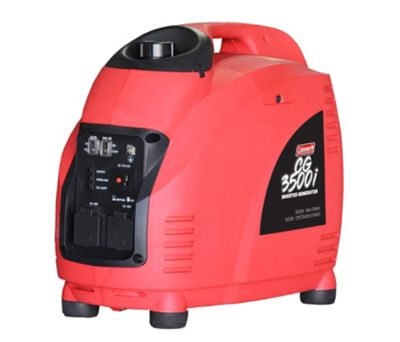
Choosing the right generator with wheels starts with the kind of power you expect to need. Wattage is not simply a matter of picking the biggest number available. Add up the running watts of the appliances, tools, or equipment you plan to use, then account for starting watts from items with motors, compressors, pumps, or heating elements. A refrigerator, well pump, air compressor, furnace blower, or circular saw may briefly need more power when it starts than it uses while running. Keeping some extra capacity in reserve helps prevent overloads and gives you flexibility when another light, charger, or tool needs to be plugged in. Portable generators may run on gasoline, propane, or more than one fuel type. Gasoline is widely available and can provide strong output, while propane stores well and can be useful when you want fuel that is kept in a sealed tank. Dual-fuel flexibility can be helpful during an extended outage, especially when one fuel source is easier to find than the other. Electric-start models can be more convenient when the generator is cold, heavy, or parked in a tight spot, though a manual recoil starter may still be valuable as a backup. Noise is another practical consideration. A louder open-frame generator may be well suited to a construction area or distant farm outbuilding, while a quieter inverter-style unit can be more comfortable near a campsite, porch, or neighboring property. If you camp or travel with an RV, look for the output, outlets, portability, and operating sound that match your setup. Explore
Generators For RVs for options intended for recreational vehicle use. Also pay attention to outlet types, cord length, runtime, fuel capacity, low-oil shutdown, overload protection, and carbon monoxide safety features. A built-in carbon monoxide shutoff can add an important layer of protection, but it does not replace safe placement. Never operate a fuel-burning generator inside a home, garage, barn, shed, basement, trailer, or other enclosed space. Keep it outdoors in a well-ventilated area, positioned well away from doors, windows, and vents, and follow the manufacturer’s instructions for grounding, fueling, extension cords, and transfer switches.
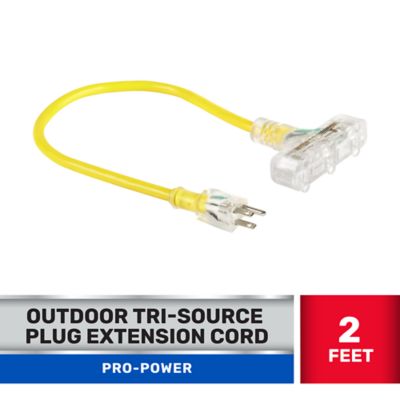
A generator with wheels can be a thoughtful gift for someone who spends weekends at a hunting cabin, maintains a small acreage, travels to campgrounds, works in the trades, or simply likes to be ready when severe weather interrupts everyday routines. It is the sort of practical gift that may sit quietly in a garage for a while, then prove its worth when the refrigerator needs to stay cold during an outage or a storm leaves a family without power after dark. For rural households, portability can be just as important as output. A generator may need to move from the house to a well pump, from a machine shed to a livestock area, or down a long driveway to a stranded trailer. Wheels with sturdy handles make those jobs easier, but a heavy unit can still be awkward on slopes, so consider who will be moving it and how far it needs to travel. Look for a balanced frame, comfortable handle height, durable tires, and controls that are easy to reach while wearing work gloves. Storage is worth planning for, too. Keep the generator clean and dry when it is not in use, protect it from standing water, and inspect the tires, handles, cords, fuel lines, and fasteners before putting it to work. If the generator uses gasoline, follow the storage and fuel-stabilizer directions provided by the manufacturer, and keep fuel in an approved container away from living areas and ignition sources. During an outage or outdoor project, use heavy-duty, outdoor-rated extension cords sized for the load, and never connect a portable generator directly to household wiring unless a qualified electrician has installed an approved transfer switch. Let the engine cool before refueling, keep children and pets away from the operating unit, and give hot exhaust components plenty of clearance from dry leaves, hay, wood, and other combustible materials. With the right wheel design, power capacity, fuel setup, and safety features, a portable generator can be a dependable part of the equipment lineup—ready to roll when the lights go out, the job moves down the road, or power is needed beyond the reach of an outlet.