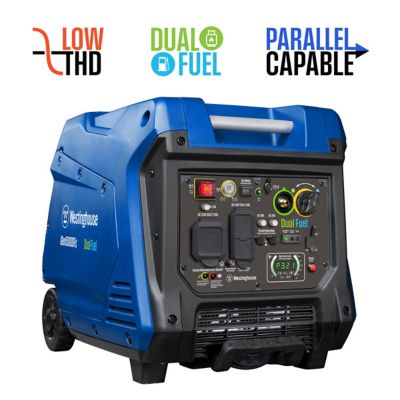
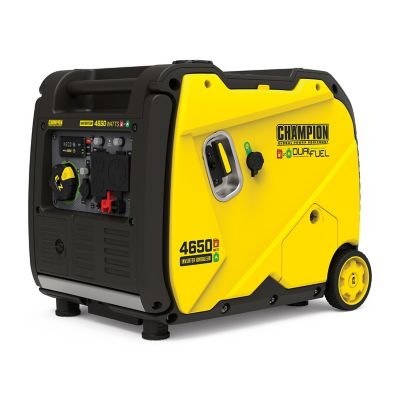
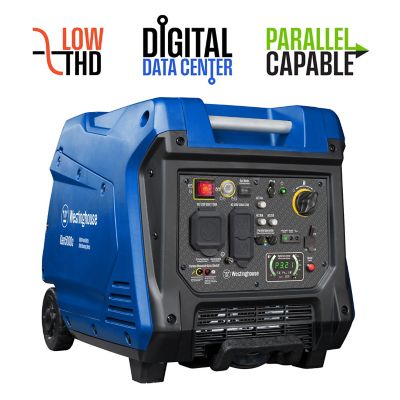
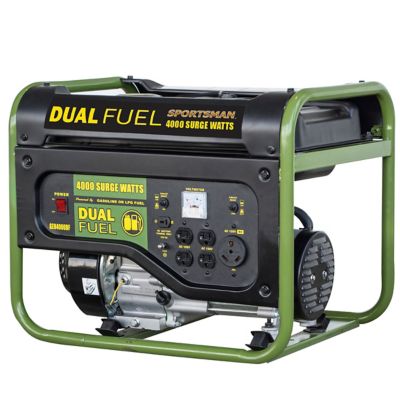
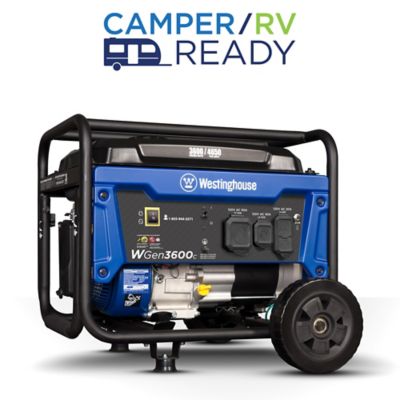
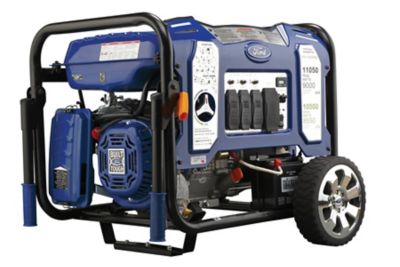
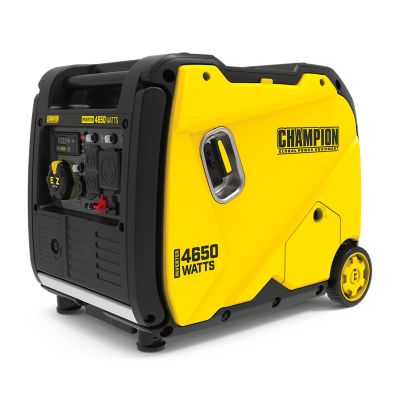
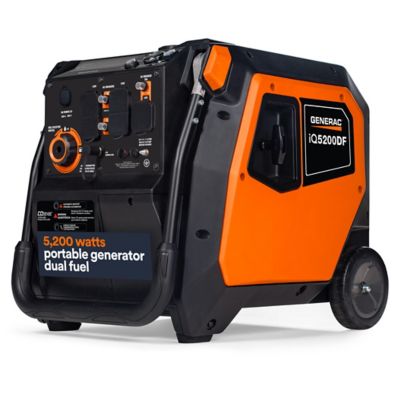
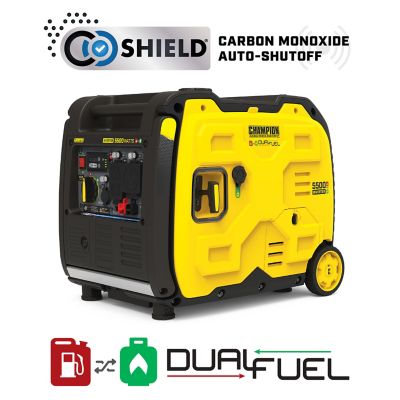
A generator for a 30-amp RV brings power along when the campsite sits beyond a pedestal hookup, whether the trip means a few nights beside a fishing lake or a weekend parked near the horse arena. A standard 30-amp RV electrical system operates at 120 volts and supports up to 3,600 watts through its shore-power connection. Generators in the 3,000- to 4,500-watt range are common options for these rigs, with roughly 3,500 to 4,000 running watts offering a practical starting point for many campers. The right size depends on the appliances running together and the extra power their motors need at startup. Running watts describe sustained output, while starting or surge watts describe the additional output available briefly. Those numbers matter more than a large wattage figure on its own. A rooftop air conditioner can draw a sizable starting surge, especially when a refrigerator, battery converter, or other equipment is already drawing power. A microwave, coffee maker, or electric water heater can also take a substantial share of the available capacity. Smaller loads, such as lights, phone chargers, and a television, add to that total even though each one draws less. For a travel trailer with one air conditioner, enough starting capacity can make the difference between smooth operation and an overloaded generator. A properly matched air-conditioner soft-start device may lower startup demand, but it does not increase the generator’s continuous output. Generator capacity above 3,600 watts also does not increase the rating of a 30-amp RV connection. That extra capacity may provide operating headroom at the generator, but the RV inlet, cord, and circuit protection still set their own limits. Appliance nameplates and generator specifications provide a firmer basis for matching equipment than trailer length alone. A compact camper with electric cooking equipment may need more power than a larger rig running its refrigerator and water heater on propane.
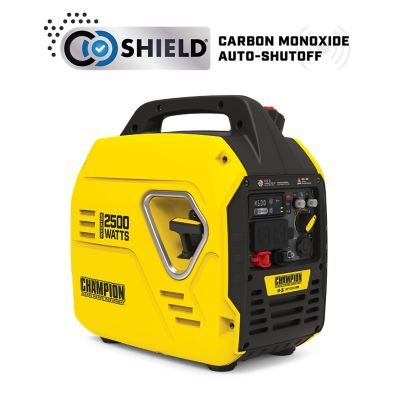
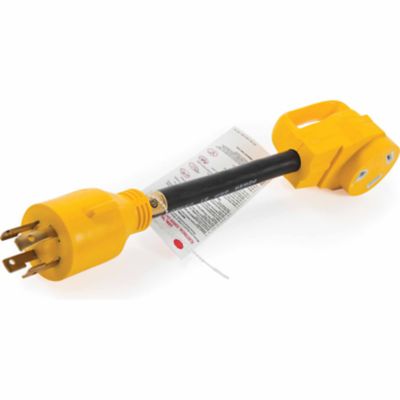
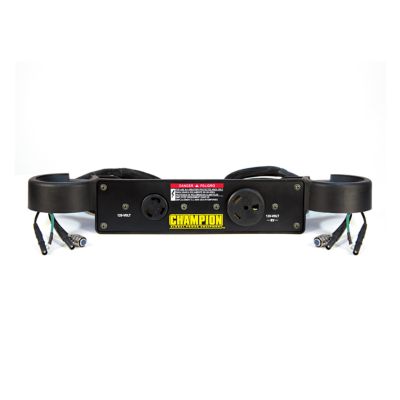
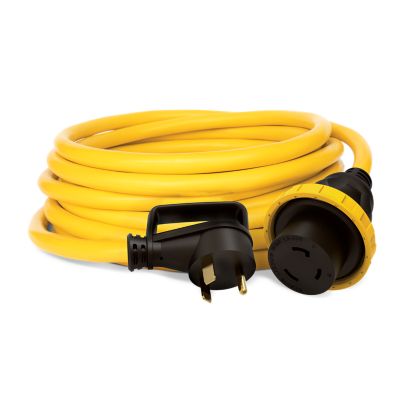
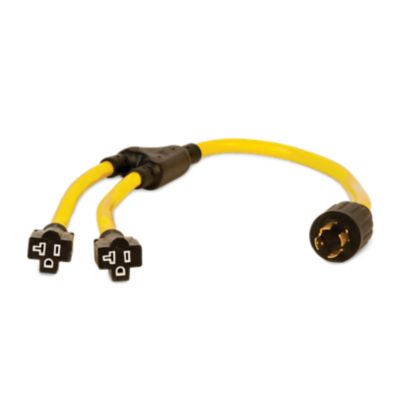
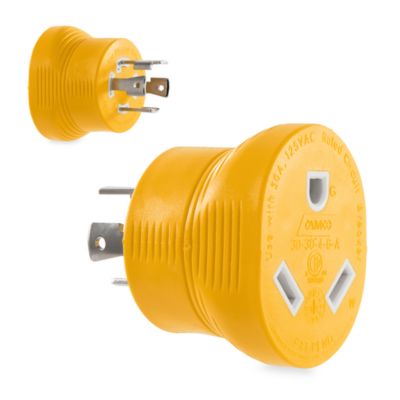
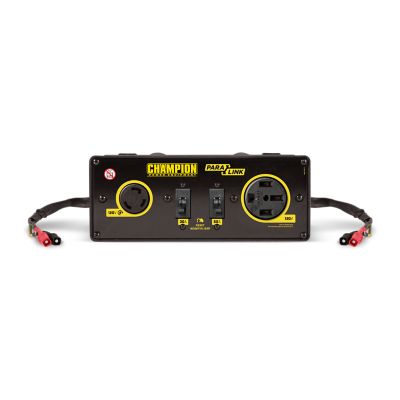
Connection style, power delivery, and sound level help separate generators that look similar on paper. An RV-ready generator with a 120-volt TT-30R receptacle can accept the matching 30-amp RV shore-power plug without an outlet adapter. A 30-amp receptacle intended for another voltage or plug configuration is not automatically suitable, so the receptacle designation matters as much as its amperage. Properly rated adapters can bridge certain compatible connections, but they cannot create more available power or make an incorrect voltage safe. Inverter generators adjust engine speed to electrical demand and typically provide controlled output suited to many RV electronics, subject to the equipment manufacturers’ requirements. Enclosed inverter designs often appeal to campers who want less engine noise near the picnic table, while open-frame designs may offer different combinations of output, weight, and access for maintenance. Sound ratings are most useful when the stated testing distance and load are comparable; an engine carrying a heavy load will not necessarily sound like the same machine charging batteries. For more sound-conscious options, the
Quiet RV Generator 30 Amp collection brings that consideration into focus. Campground generator hours and noise rules still apply, regardless of the generator’s design. Fuel choice affects the setup, too. Gasoline models can be convenient when fuel already travels with other equipment, while dual-fuel generators offer the option of connecting a compatible propane cylinder. Propane output is often lower than gasoline output, making the rating for the intended fuel especially important when air conditioning is part of the load. Published runtime figures also depend on fuel capacity and the stated electrical load, not simply the number of hours printed in a headline. Electric start, readable fuel gauges, accessible controls, and clear load displays can make routine operation less of a chore, particularly when several family members share campsite responsibilities.
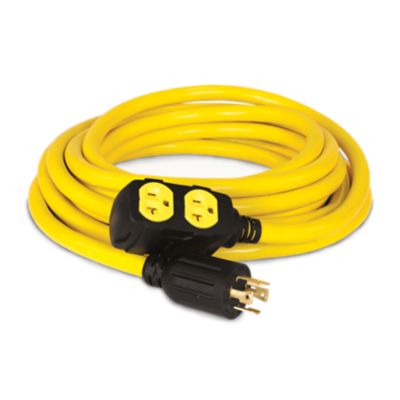
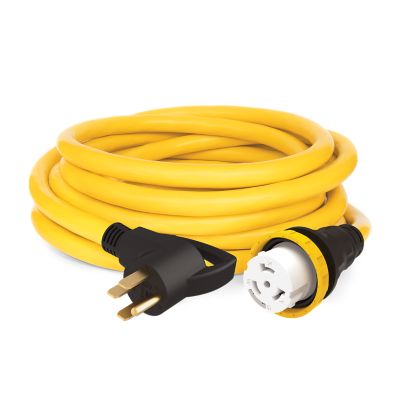
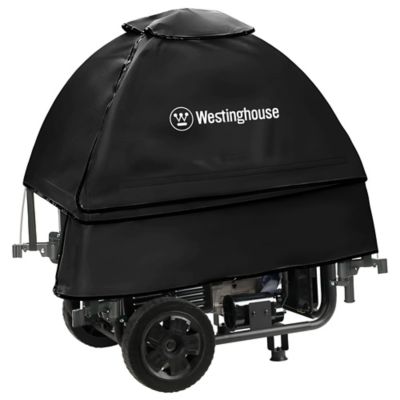
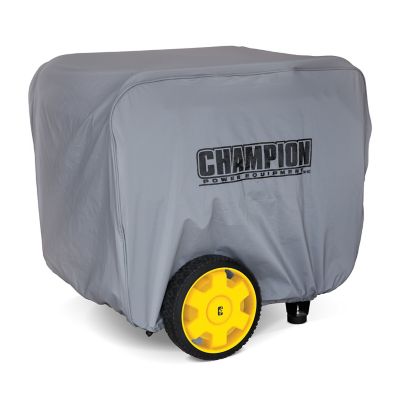
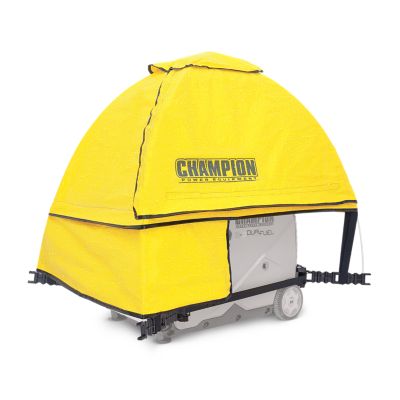
The physical fit deserves as much attention as the electrical match. A generator needs to fit the RV’s transport space without exceeding cargo limits, yet it must also be manageable once the trailer is parked and unloaded. Listed weight may exclude gasoline, oil, or an external propane cylinder. Wheels and folding handles can help on firm ground, while lifting handles matter when the generator must cross gravel or ride in a truck bed. A wheeled frame does not eliminate the effort of lifting a heavier unit over a tailgate. Powder-coated steel frames help protect exposed metal, molded housings shield internal components, and rubber isolation mounts can reduce vibration transfer. Enclosed construction can soften engine sound, but access panels should still allow straightforward oil checks and filter service. Clearance around controls, the exhaust outlet, and cooling openings matters more than squeezing the generator into the smallest possible footprint. Portable generators belong outdoors, at least 20 feet from occupied RVs and buildings, with exhaust directed away from doors, windows, and vents. They should never run inside an RV, truck bed enclosure, storage bay, or beneath an attached awning. Working carbon monoxide alarms inside the RV remain essential, and an automatic carbon monoxide shutoff is an added safeguard rather than a replacement for safe placement. Protection from rain requires a manufacturer-approved operating shelter that preserves ventilation, not a storage cover draped over a running engine. A properly rated RV cord with sound insulation and clean, dry connections helps complete the setup without unnecessary electrical strain. For ongoing care, accessible oil drains, serviceable air filters, and clear maintenance schedules make ownership easier between trips. Fuel storage and preparation for longer breaks should follow the engine manufacturer’s directions. Letting the generator cool before refueling or covering it also helps keep routine handling safer. With the electrical capacity, connection, and transport needs matched to the rig, a 30-amp RV generator can serve campers heading well beyond the nearest hookup.