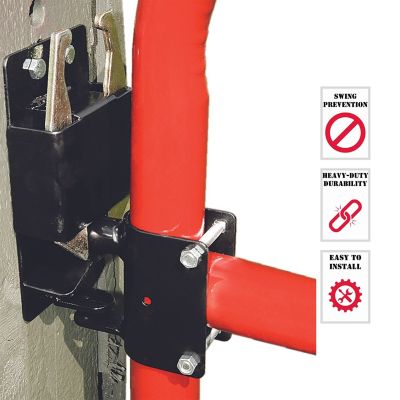
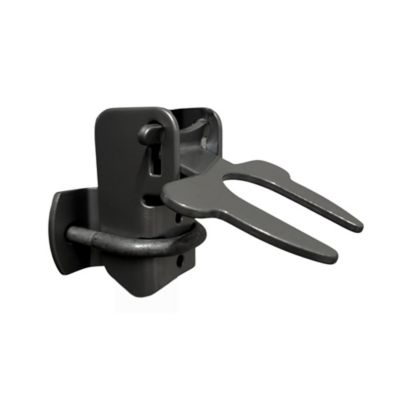
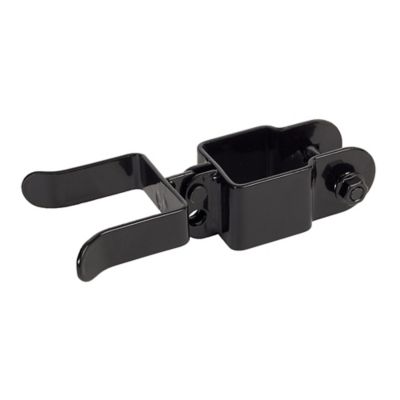
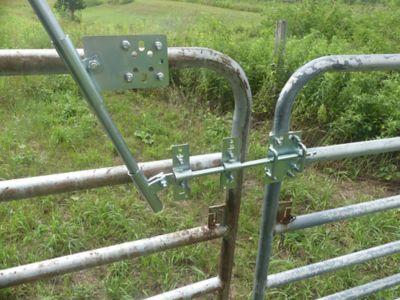
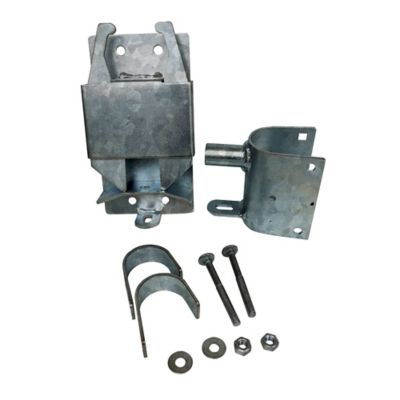
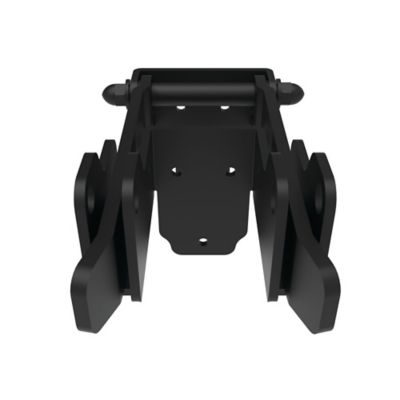
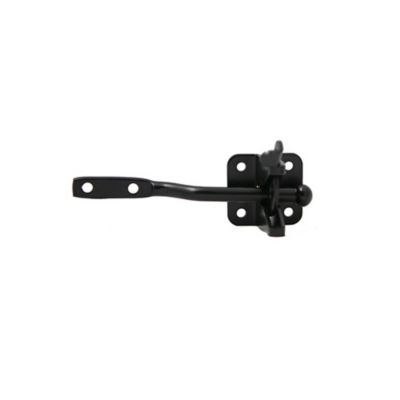
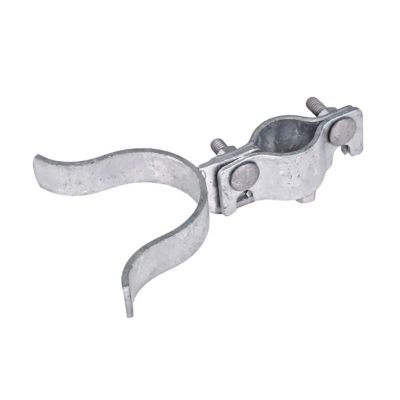
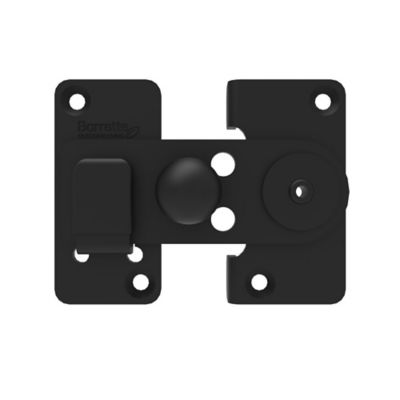
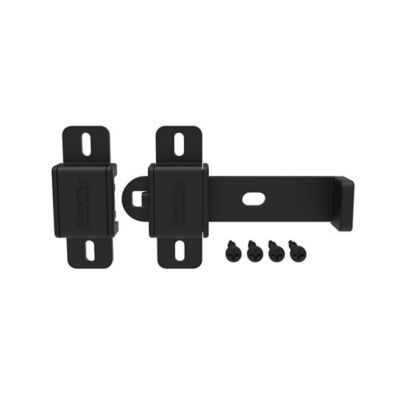
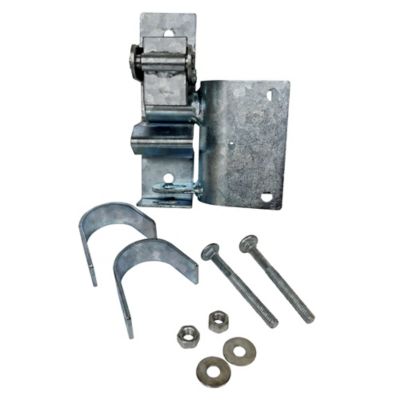
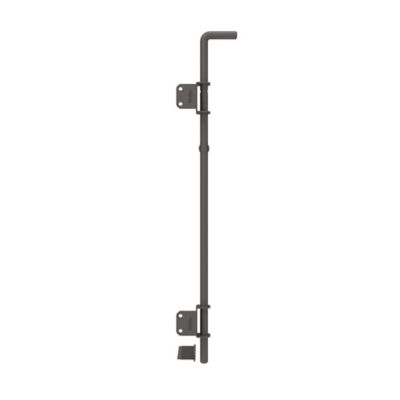
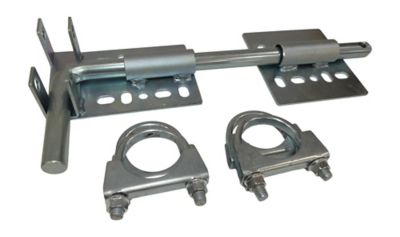
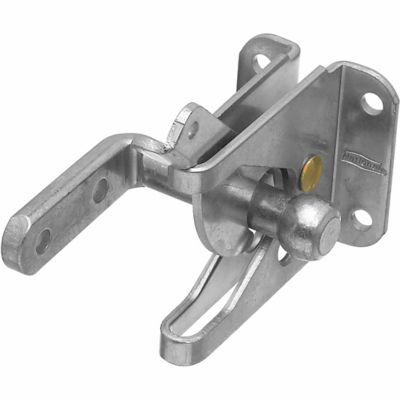
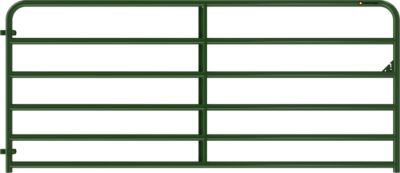
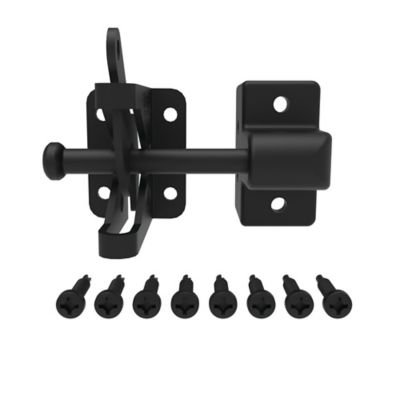
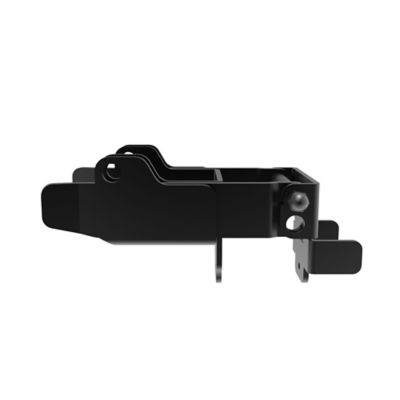
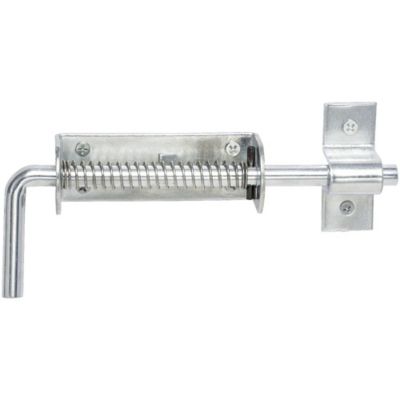
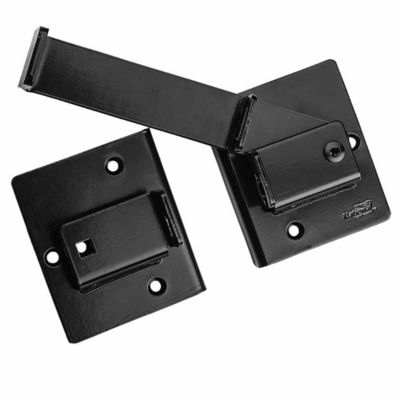
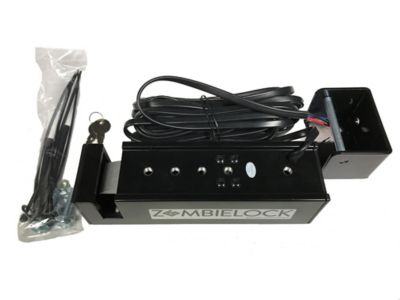
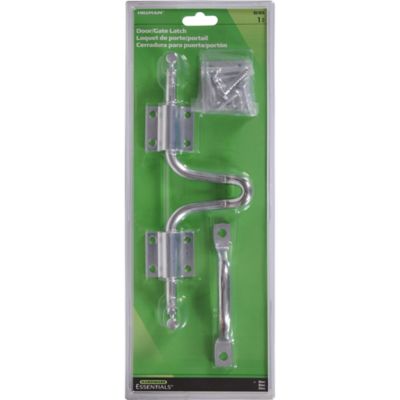
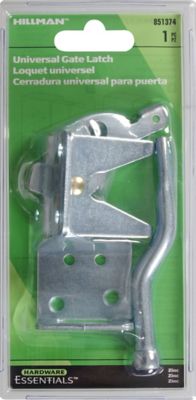
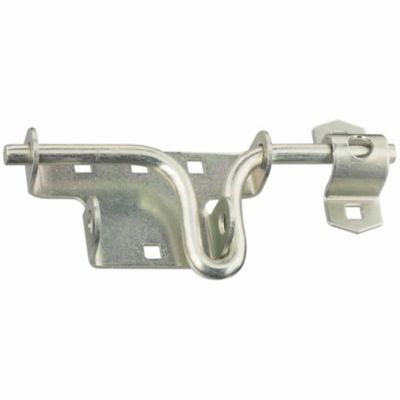
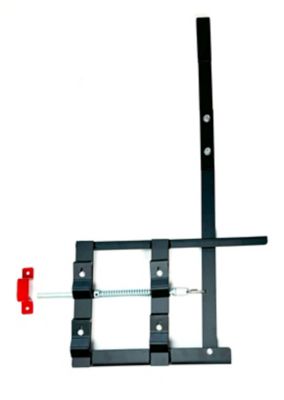
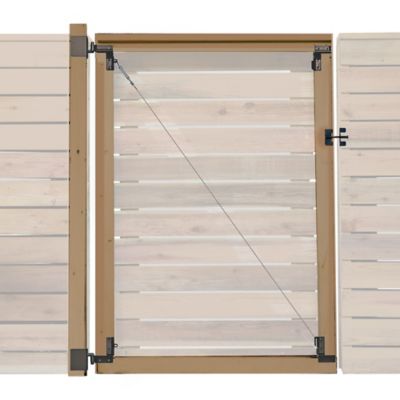
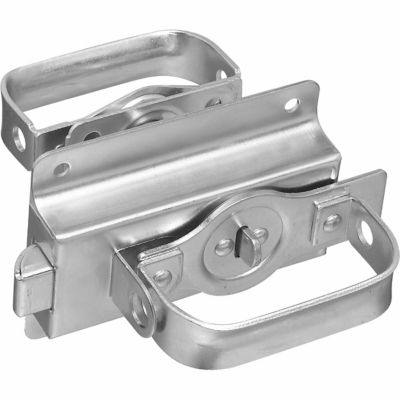
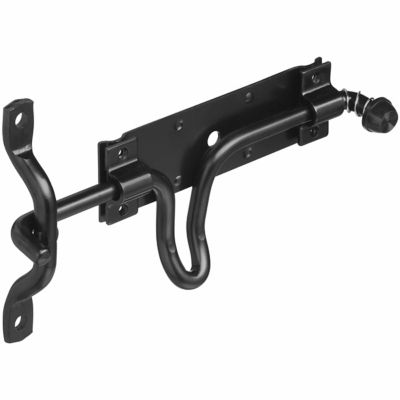
Choosing the right gate latch for a metal gate starts with the gate itself, the way it swings, and the kind of access you need around your property. Aluminum, steel and ornamental iron gates can all use latch hardware, but the frame shape, tubing size and space between the gate and post will affect which style fits best. A light garden gate may only need a simple gravity latch that drops into place when the gate closes, while a wide driveway gate, livestock gate or heavy steel panel calls for sturdier hardware made to handle more weight and repeated use. Think about the daily rhythm of the gate, too. A latch that works well for a backyard walkway may not be the best choice for a pasture entrance where you are opening the gate with one hand while carrying feed, leading a horse or guiding a tractor through. Two-way and heavy-duty farm latches are useful when the gate needs to be operated and secured from either side, while a latch with a built-in keyed cylinder can make sense for residential areas, side yards, workshops and other places where controlled entry matters. Some homeowners prefer a padlock-ready design for straightforward security, especially on storage areas, equipment lots and field gates. Others want the convenience of locking and unlocking without carrying a separate lock. Magnetic latches can provide smooth alignment and positive closure, and they are often considered for pool or child-safety gates when used with a properly designed, self-closing gate and in accordance with local safety requirements. For a closer look at common styles and options, visit the
Gate Latch page.
Before ordering, take a few measurements instead of relying on appearance alone. Measure the gate frame and post, note the direction of the swing, and check the gap between the latch side of the gate and the post when the gate is closed. This space, sometimes called the throw gap, is important because some latches are designed around a set gap while adjustable models can accommodate small differences in the way a gate hangs. Also check whether the latch needs to catch on a flat post, round tubing, a square metal frame or a separate striker plate. A gate that has settled slightly over time may need an adjustable latch, a hinge adjustment or a little post repair before new hardware will close cleanly. It is worth checking the gate in both its open and closed positions, especially on ground that slopes or freezes and shifts during cooler months. For metal gates, choose hardware intended for outdoor use and verify how it attaches. Some designs use self-drilling metal screws or other fasteners made for a steel frame, while others are built to be welded in place by someone comfortable with metal fabrication. Welding can create a very solid installation on a heavy steel gate, but bolted or screwed hardware may be easier to replace or adjust later. Follow the included instructions, use the correct bit and fasteners for the metal thickness, and avoid overtightening hardware against thin tubing. If the frame is hollow, make sure the attachment method will not crush or distort it. A properly aligned latch should close without forcing the gate, dragging the latch arm or lifting the gate by hand. When a little pressure is needed to make everything meet, the hinges, post and striker position deserve attention before the latch is blamed.
Outdoor gate hardware has to stand up to rain, mud, dust, changing temperatures and the occasional bump from a wheelbarrow, dog or piece of equipment. Powder-coated steel, stainless steel and durable weather-resistant polymer components can help resist corrosion, but the best choice depends on the surroundings and the amount of use. Near sprinklers, ponds, salt-treated roads or coastal air, corrosion resistance deserves extra attention. Keep mating surfaces clear of packed dirt and inspect the latch as part of regular fence maintenance, particularly after strong wind or periods of wet weather. A quick drop of manufacturer-approved lubricant on moving parts can help keep the action smooth, while a loose screw, bent striker or sagging hinge should be corrected before the gate becomes difficult to secure. For livestock areas, use hardware that is strong enough for the animals and positioned where it will not create an easy snag point; a latch that is convenient for a person may need a different placement when goats, horses or cattle are nearby. Around a home, consider how children, pets and visitors will use the gate, and select a locking method that provides the right balance of security and everyday convenience. These latches are practical upgrades for homeowners, farmers, property managers, fence installers and anyone repairing an older enclosure, and they can make a thoughtful housewarming gift for someone settling into a rural property or tackling a new fencing project. As the weather changes from warm afternoons to cooler days, a secure, well-fitted latch helps keep pets in, livestock where it belongs and tools or equipment behind a closed gate.