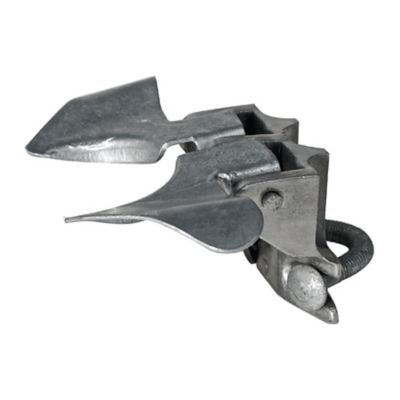
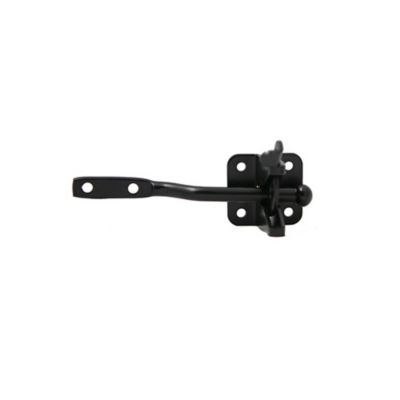
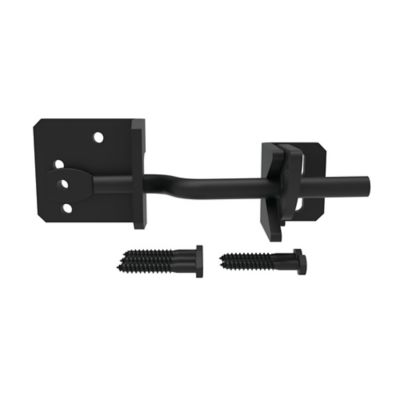
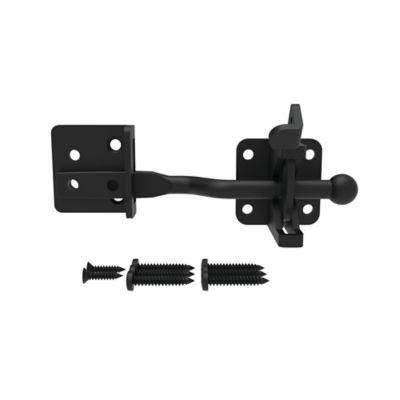
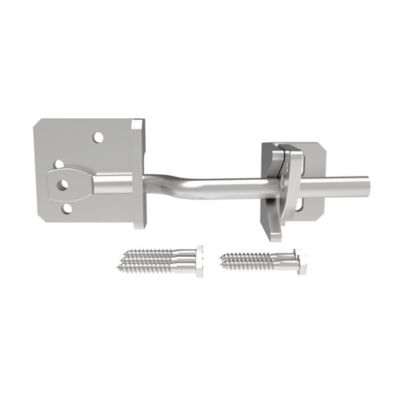
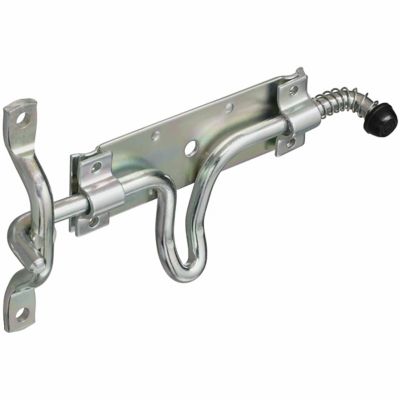
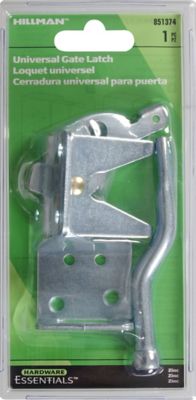
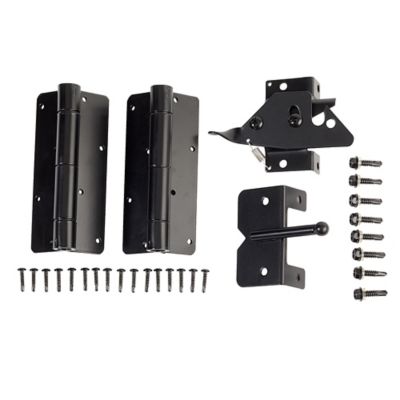
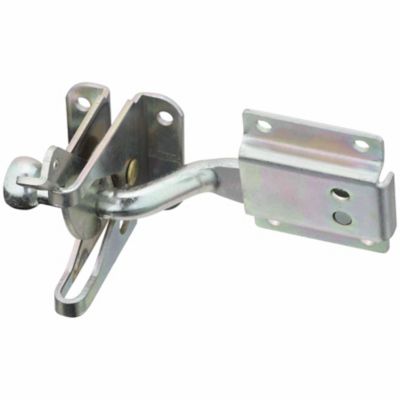
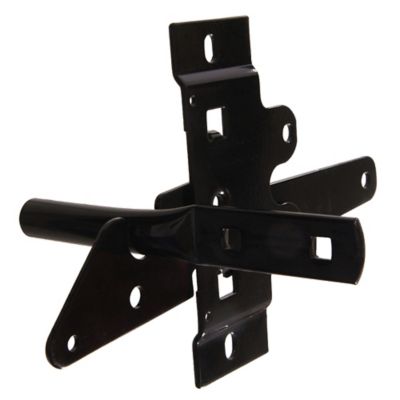
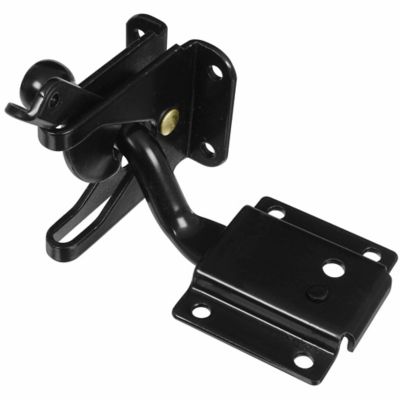
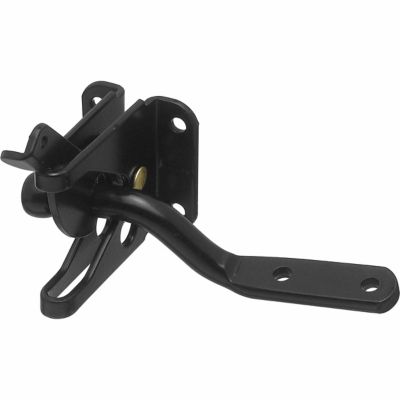
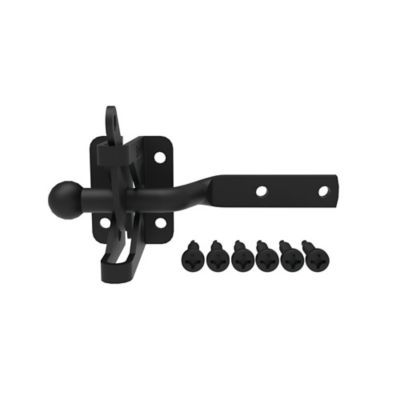
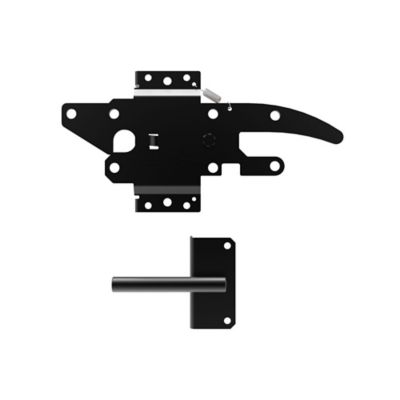
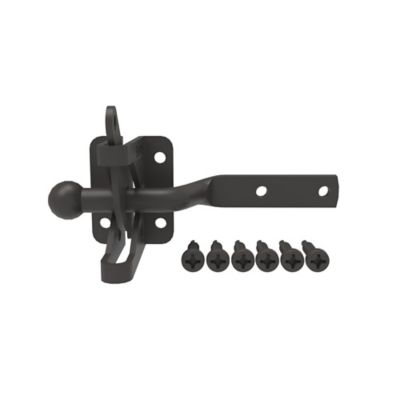
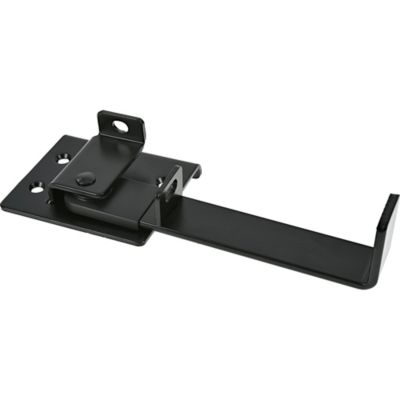
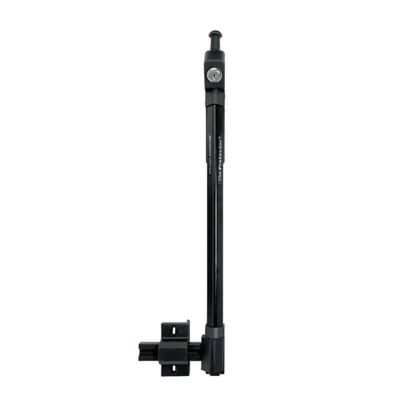
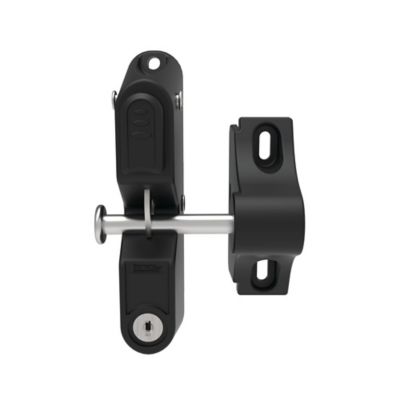
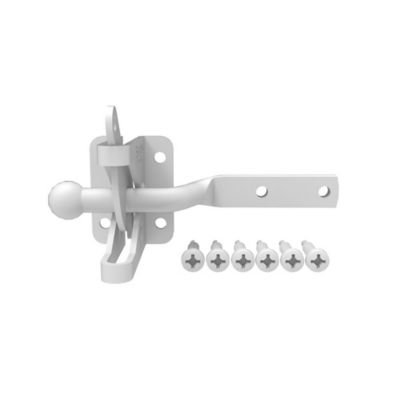
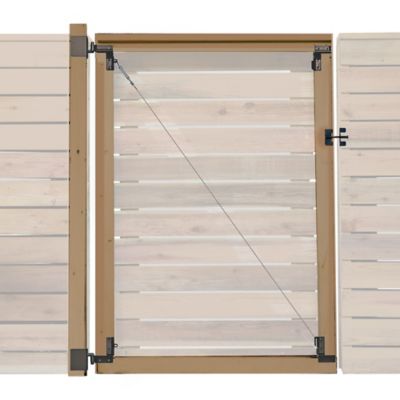
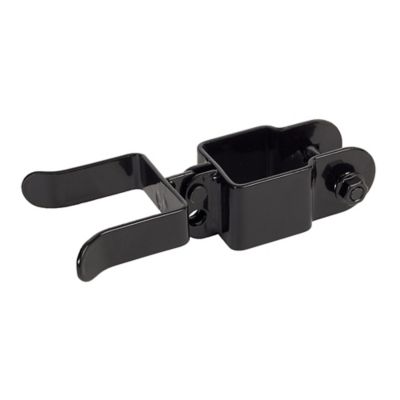
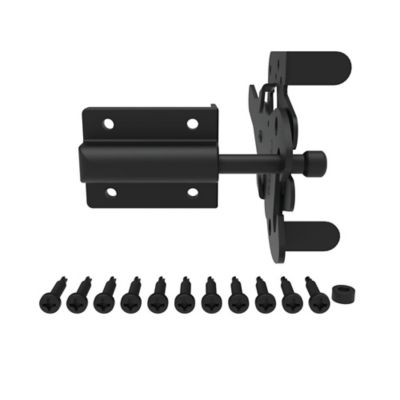
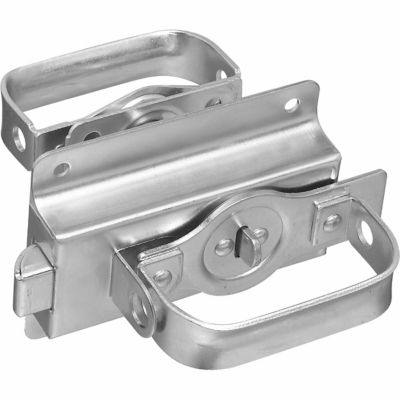
Self-closing gate latches help keep a gate fastened after it swings shut, making everyday trips between the yard, barn and animal pen a little easier to manage. The name often describes a self-latching mechanism rather than hardware that moves the gate itself. A gravity latch catches when its bar drops into a keeper, while a spring-loaded latch uses spring tension to return the catch to its holding position. Neither mechanism necessarily pulls an open gate closed; that job belongs to properly matched self-closing hinges or a separate gate closer. Automatic latching also does not always mean automatic locking. Some designs simply hold the gate shut until someone lifts a lever or operates a release, while others accept a padlock or have a separate locking feature. Those distinctions matter when choosing hardware for a backyard entrance, garden fence, kennel run or livestock enclosure. With a feed scoop in one hand and a bucket in the other, an easy-to-reach release can make a familiar chore less awkward. Once the gate closes, a properly aligned catch helps keep it from drifting back open. For a garden entrance, the priority may be straightforward operation and a snug catch. Around animals, gate strength, latch placement and resistance to nosing or nudging deserve just as much attention. A simple lift latch may not be enough for livestock that have learned how to work it. Households with children or pets also need more than the promise of an automatic catch: suitable fencing, supervision and a latch matched to the enclosure all play a part. Pool barriers have additional local requirements, so general-purpose gate hardware should not be assumed to meet them. Across these settings, self-closing gate latches work best as one part of a complete gate assembly, with hinges, posts and fastening hardware that support the same intended use.
Materials and fit have a big influence on how a latch feels in daily service and how well it holds up over time. Steel offers strength for many yard and farm applications, while galvanized finishes and powder coatings help protect the metal against corrosion. Stainless steel is another option where corrosion resistance matters, though the grade of metal and the construction of the whole assembly still count. Coatings cannot make up for a thin catch, an undersized fastener or a post that shifts whenever the gate moves. Hardware around animal areas may face frequent contact with dirt, bedding and cleaning solutions, making compatible materials and accessible moving parts worth considering. Gate construction determines the mounting approach: a flat wooden rail, hollow vinyl frame, round tube and chain-link gate each present a different attachment surface. Wood needs sound material beneath the screws or bolts, while hollow sections may need reinforcement or mounting hardware specified for that construction. A latch made for a flat surface does not necessarily fit a round frame without an appropriate bracket. The gap between the gate and post matters, too. The latch bar must reach the keeper far enough to engage securely without rubbing or binding as the gate swings. Adjustable mounting points can help accommodate small alignment differences, but they are no substitute for correcting loose hinges or a sagging frame. Gate weight and width affect the demands on the overall assembly, especially when a wide entrance gets frequent traffic from people moving feed carts or equipment. Inward and outward swing, left- or right-hand mounting, and access from either side are separate fit details that can determine whether a latch suits the opening. Comparing the broader
gate latch selection can help put automatic catches, release styles and locking arrangements in context. The right match sits naturally on the gate, clears surrounding rails and leaves enough room for the catch to engage without forcing the gate against the post.
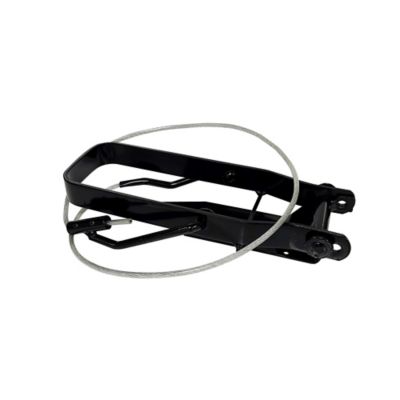
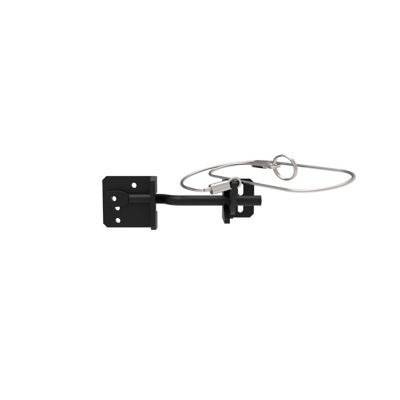
Everyday handling is where the differences between latch designs become clear. A broad lever may be easier to operate with work gloves, while a cable release can provide access from the opposite side when the gate layout supports it. Cable routing and release placement should keep loose loops and moving parts away from animal reach and possible snag points. Two-sided access is helpful on a passage between the yard and a work area, but an enclosure may call for a release that is less accessible from inside. Locking provisions bring another consideration: a padlock hole does not tell the whole story about security. The gate frame, hinges, mounting bolts and surrounding fence also determine how well an entrance resists unwanted access. For double gates, one leaf generally needs to stay firmly in position so the latch on the other leaf has a stable place to catch; compatible stops and drop rods may be part of that arrangement. A gate stop can also keep repeated closing force from landing entirely on the latch. Long service life depends on ordinary upkeep as much as the original material choice. Dirt packed into a keeper, tangled grass near the opening or a loose mounting screw can interrupt an otherwise smooth catch. Cleaning accessible surfaces, checking attachment points and following the maker’s directions for lubrication help preserve free movement without adding unnecessary buildup. Any wear that rounds off an engagement edge, weakens a spring or leaves the bar only partly seated deserves attention. A latch that clicks audibly is not necessarily fully engaged, so the way the catch seats matters more than the sound alone. On a busy homestead, these details show up in small moments: closing the garden gate behind a wheelbarrow, stepping out of a kennel run or fastening a barnyard passage after feeding. Well-matched self-closing gate latches make those movements more straightforward while keeping the gate’s purpose front and center: easy passage when opened and a firm catch when shut.