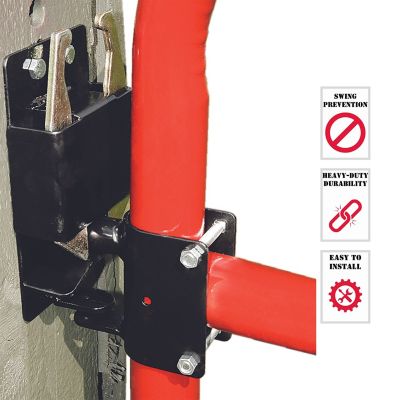
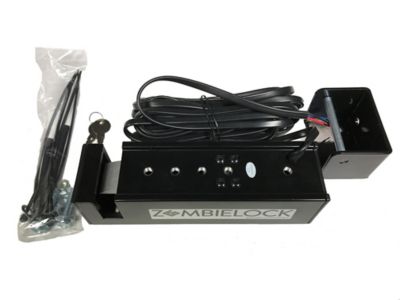
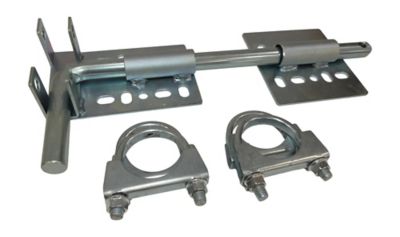
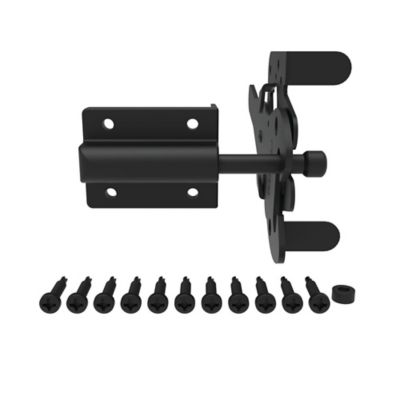
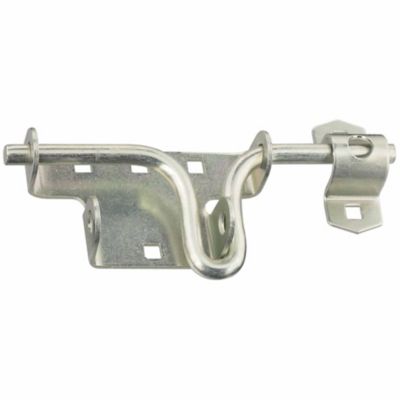
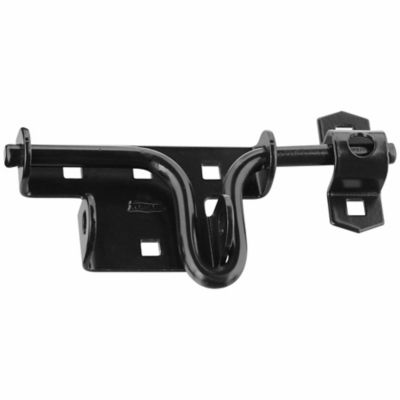
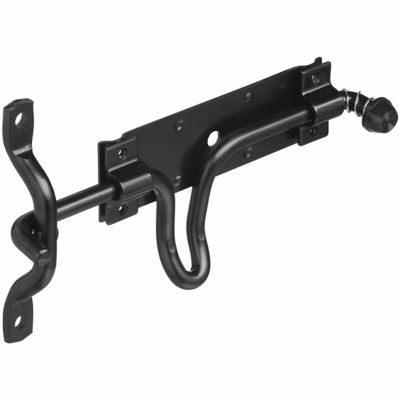
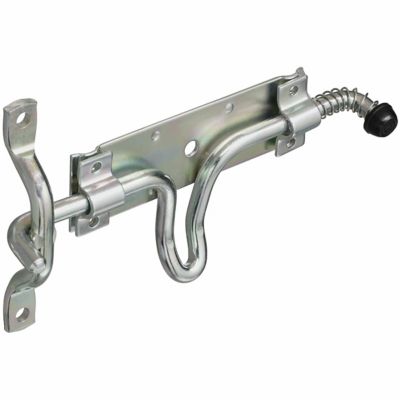
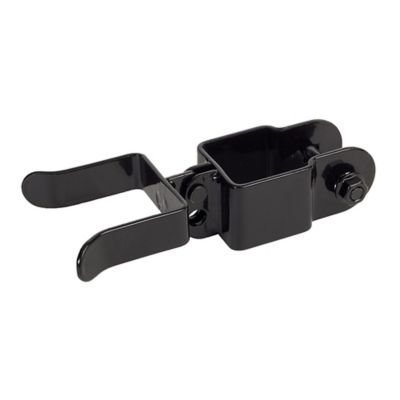
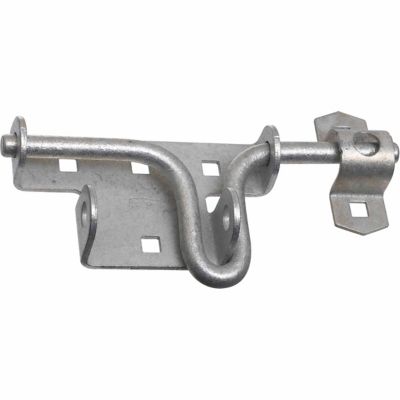
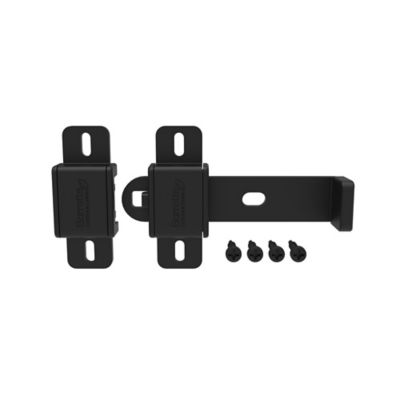
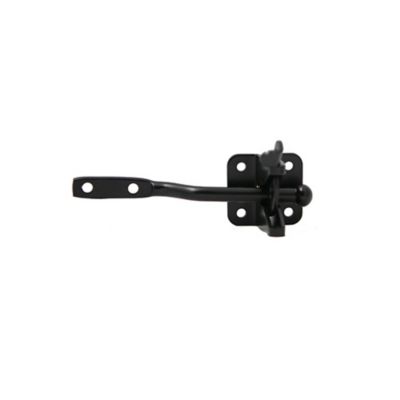
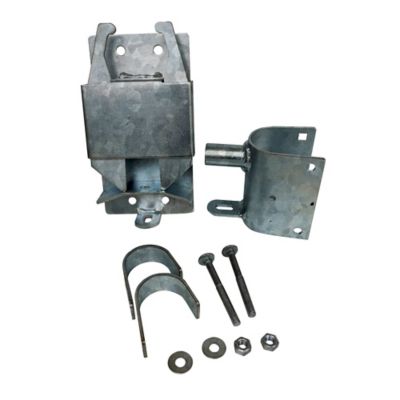
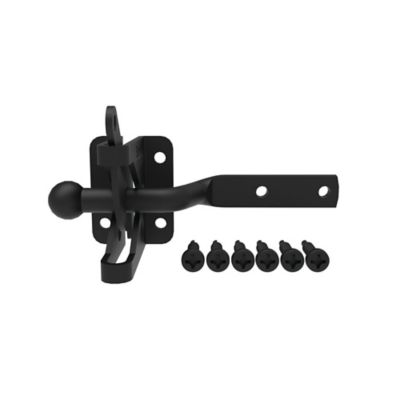
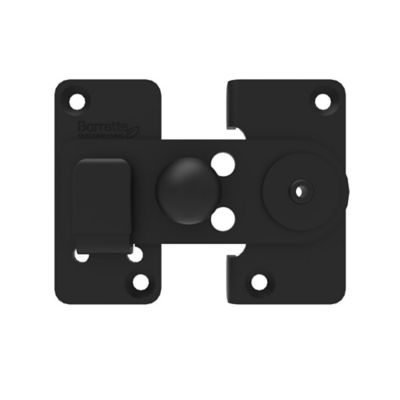
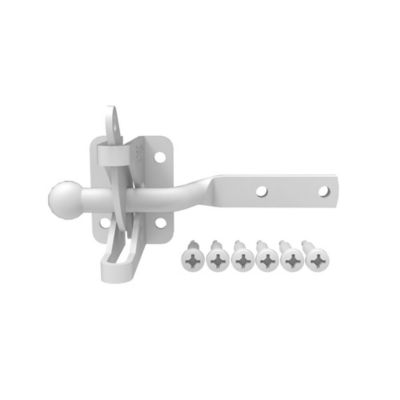
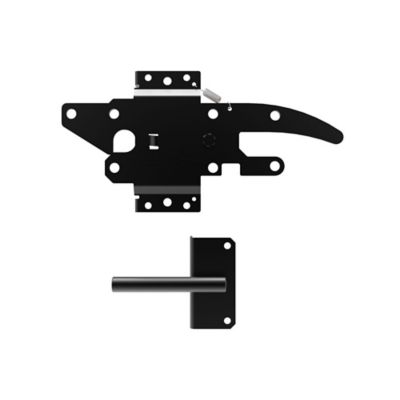
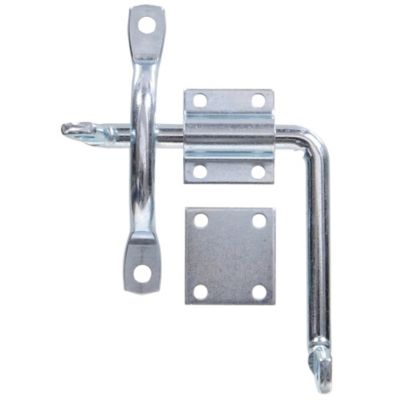
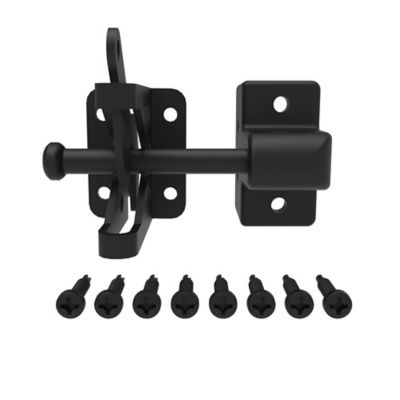
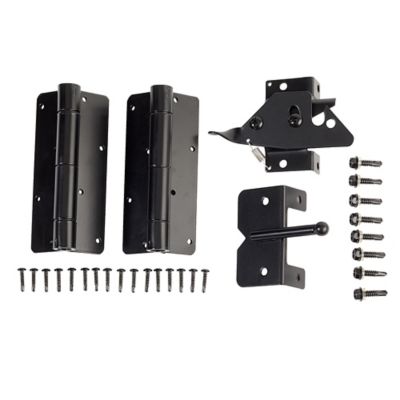
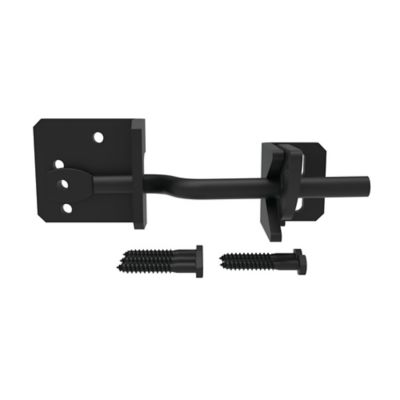
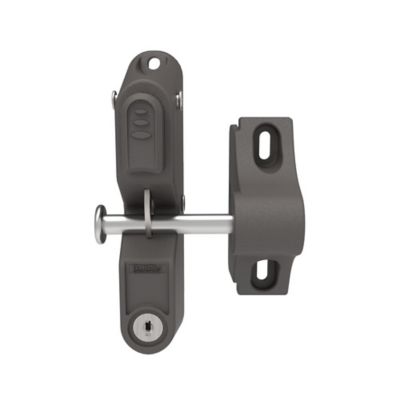
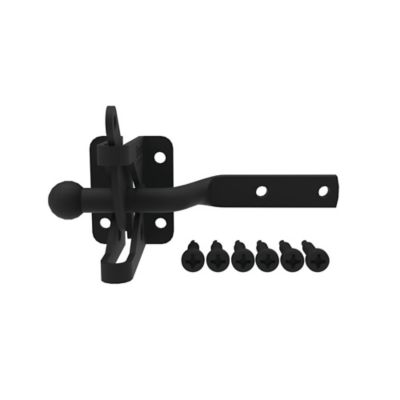
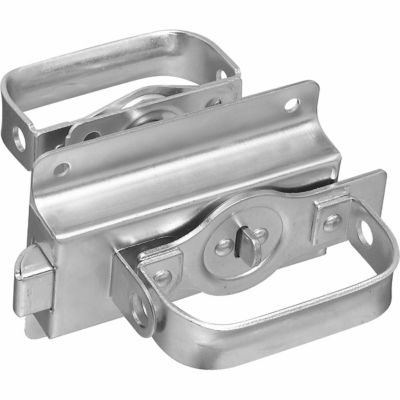
Gate latch locks help keep a gate closed while adding a way to control who can open it. A latch holds the gate against its post; a lock limits access to the latch or prevents its moving parts from releasing. That distinction matters on a pasture entrance, a backyard fence or a gate beside the equipment shed. A gate that catches when pushed shut is not necessarily locked, and a locked latch cannot make up for loose hinges or a weak fence post. Different latch mechanisms suit different routines. Gravity latches typically have an arm that drops into a catch as the gate closes, while spring-loaded latches use spring tension to help engage the catch. Neither mechanism necessarily pulls an open gate shut without separate closing hardware. Some latches have an opening for a padlock, allowing the gate to remain easy to operate during chores and locked when access needs to be restricted. Slide bolts move into a keeper or receiving hole, and flip-style latches rely on a manually positioned arm or catch. These designs can provide a straightforward fastening point, but lock compatibility depends on their construction. Key-lockable gate latches incorporate a locking mechanism into the hardware rather than depending entirely on a separate padlock. Access from one side or both sides varies by design, so a keyed latch should match the way people enter and leave the enclosure. For padlock-compatible hardware, the shackle diameter, opening size and clearance around the latch all matter. A padlock that fits through the hole still needs enough room to close without pressing against the post or blocking the latch arm. The best match for a frequently traveled yard gate may differ from the hardware on a seldom-opened storage enclosure, where restricting entry takes priority over quick passage. Gate latch locks serve both situations, with the latch style and locking arrangement shaping how the entrance works from day to day.
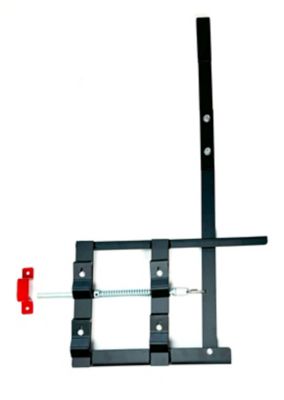
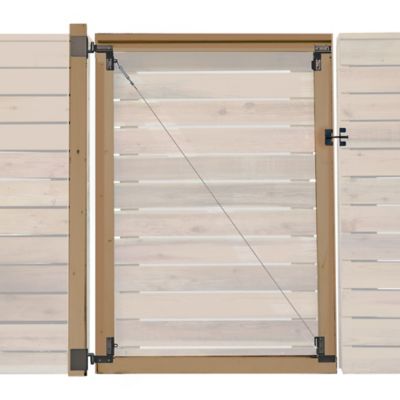
Materials and mounting details have a lot to do with how gate hardware holds up to repeated opening, closing and pulling. Steel provides strength for many gate latch applications, while galvanized or zinc-coated finishes help resist corrosion. Stainless steel offers corrosion resistance, and some latch assemblies combine metal components with polymer housings. Finish condition matters as well as material: scratches, worn contact points and corrosion around fasteners can affect how smoothly a latch operates over time. Matching the hardware to the gate starts with the mounting surface. A wooden gate needs fastening points with enough sound material to support the latch, rather than screws driven into a split board or a thin trim piece. Tubular metal gates may call for clamps, brackets or hardware shaped for the tubing diameter. Chain-link gates have their own frame and post dimensions, while vinyl gates may need reinforcement or mounting provisions specified for that gate construction. A latch described for multiple gate materials still has fit requirements. Gate thickness, post width, the gap between the gate and post, and the direction of swing all influence whether the catch lines up and the lock remains accessible. On a double gate, the two leaves also need a way to stay aligned; a drop rod or other suitable restraint may hold one leaf in place while the latch secures the meeting point. Long or heavy gates put extra demands on hinges and posts, and the latch should not be expected to carry the gate’s weight. A sagging entrance that has to be lifted by the handle before it closes needs attention beyond a stronger lock. Proper alignment lets the latch engage fully without repeated slamming, twisting or forcing. Clearance is worth considering around handles, fence rails and gate stops, too. A lock tucked tightly against a post can be awkward to reach with work gloves on, while a projecting bolt or handle can interfere with a wheelbarrow passing through a narrow opening. Hardware that fits the whole entrance makes everyday chores less of a struggle.
Intended use helps narrow the choice between a simple lockable catch and a keyed assembly with more controlled access. At a feed storage area or equipment enclosure, a gate latch lock can discourage casual entry and keep the entrance secured between visits. Along a pasture fence, the latch also needs to resist accidental release from rubbing, nudging or movement of the gate. Livestock can be persistent around a familiar opening, so the release mechanism and its position should suit the animals behind the fence. A lock adds another layer of control, but containment still depends on the gate, fencing, hinges and posts working together. Backyard and garden gates bring different concerns, such as whether an adult can operate the latch easily from the needed side and whether the gate can be secured without reaching over the fence. Pool barriers and other safety-related entrances may require particular closing mechanisms, latch heights and access arrangements under local rules; a general gate lock is not a substitute for compliant hardware. For properties with several entrances, keyed-alike locks can simplify access where that option fits the setup, while separately keyed locks can help limit entry to particular areas. Padlocks also need to match the level of security expected from the entire gate, since exposed screws, weak mounting points or damaged boards may be easier to bypass than the lock itself. Routine care supports smooth operation: dirt and bedding can collect around catches, fasteners can loosen, and moving parts may need cleaning or lubrication according to the hardware maker’s directions. Keeping the catch aligned and checking that the lock closes completely can prevent small problems from becoming a stuck gate during chores. A well-matched
Gate Latch and lock should suit the opening, the people passing through it and the purpose of the enclosure, making access manageable while keeping the gate secured when needed.