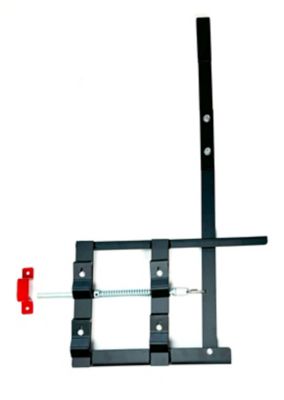
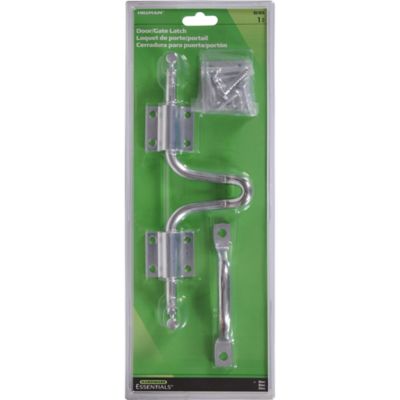
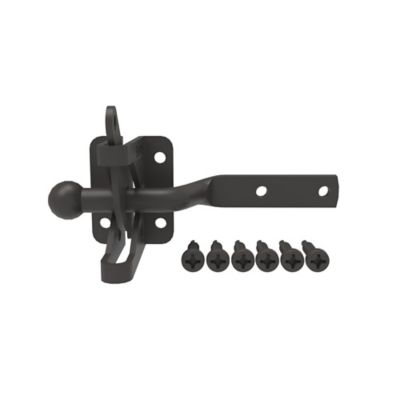
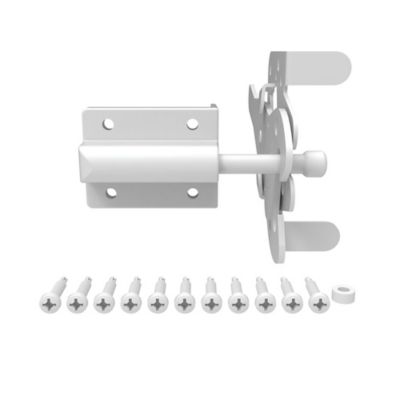
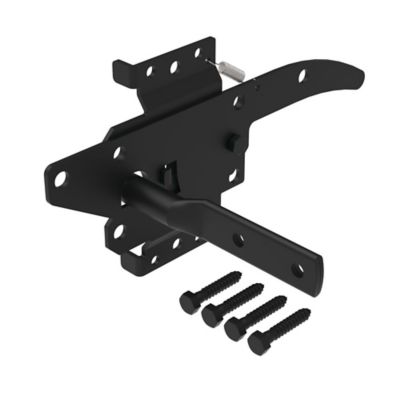
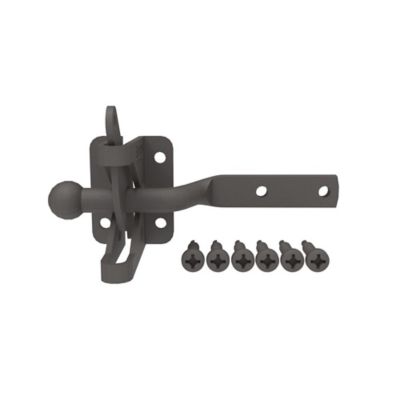
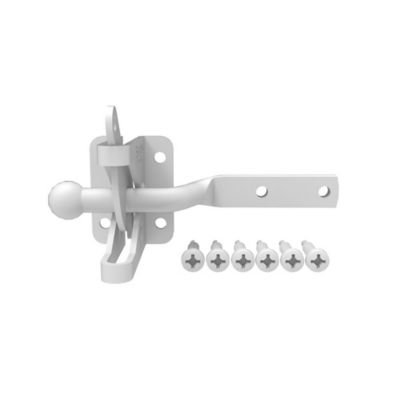
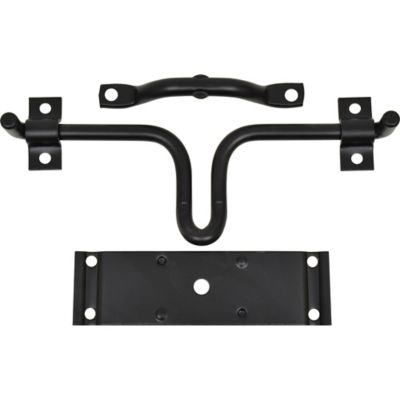
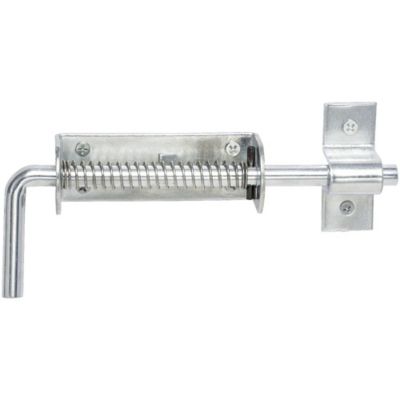
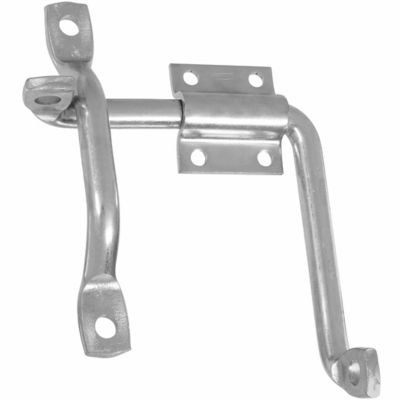
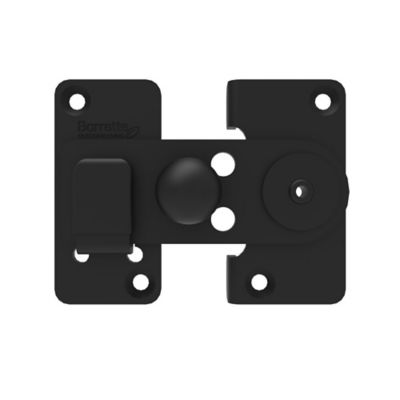
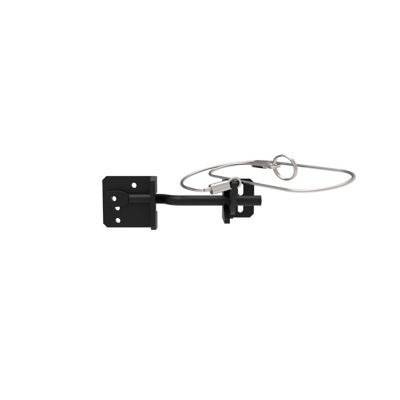
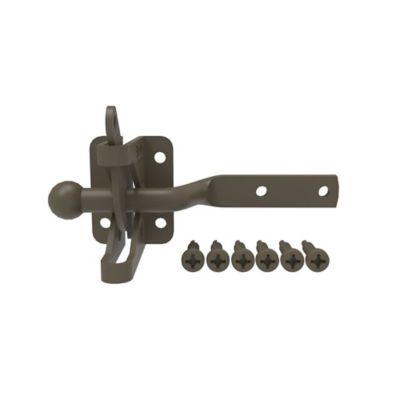
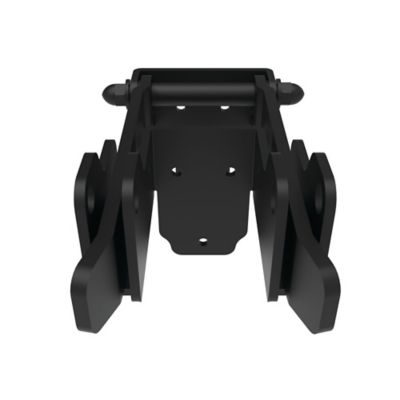
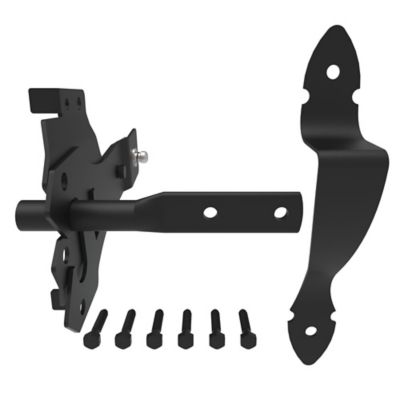
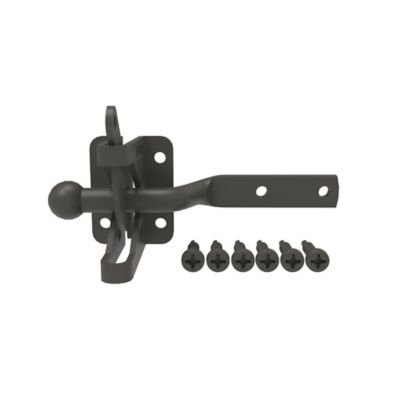
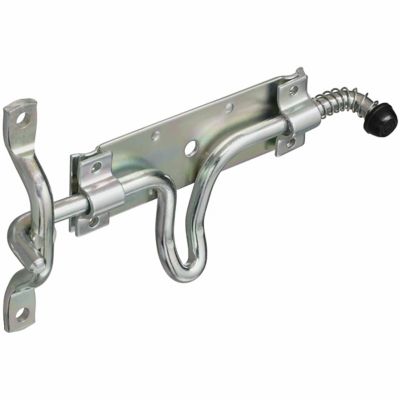
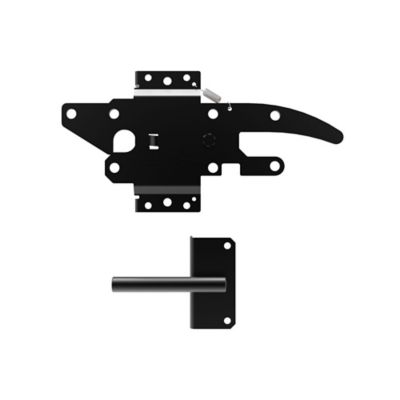
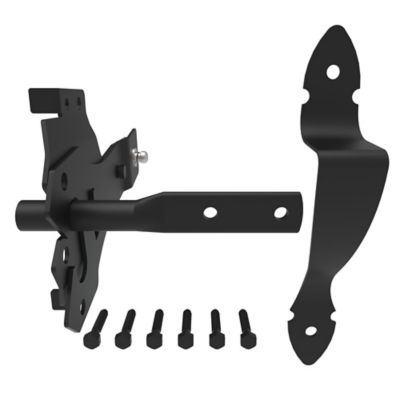
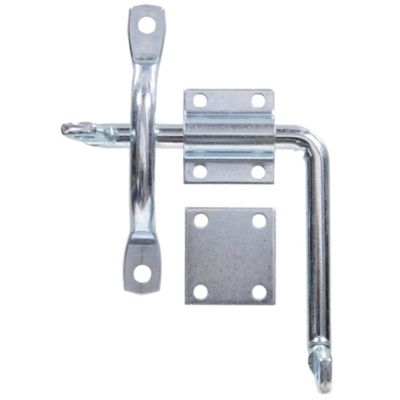
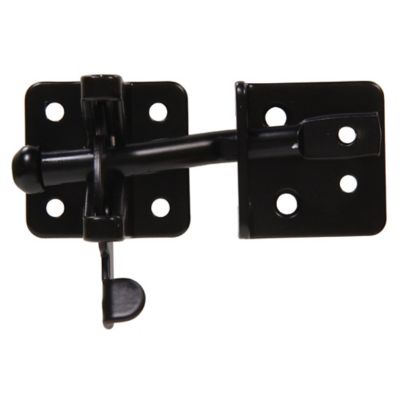
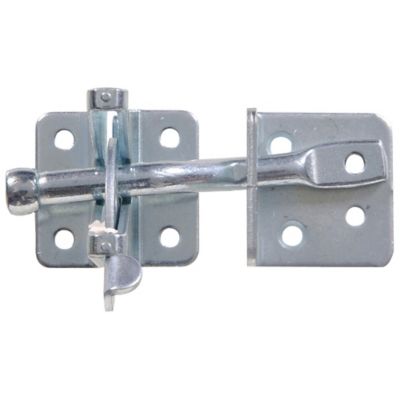
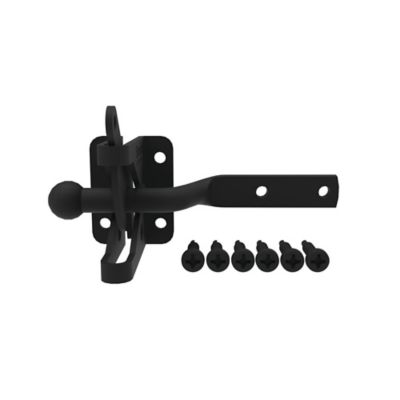
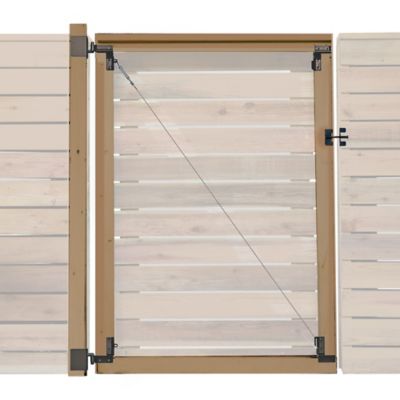
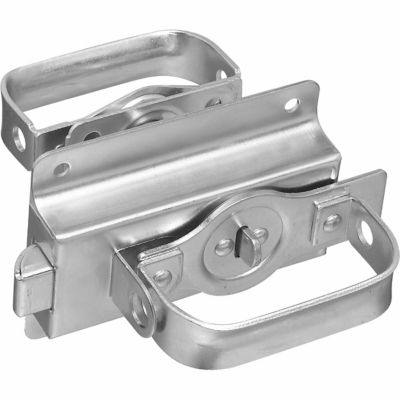
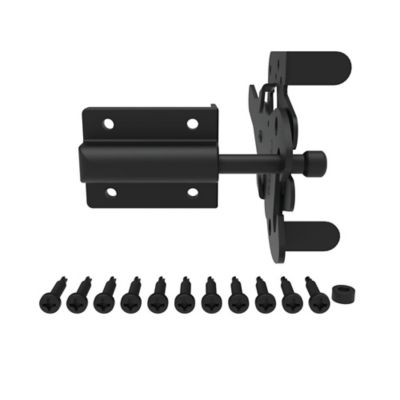
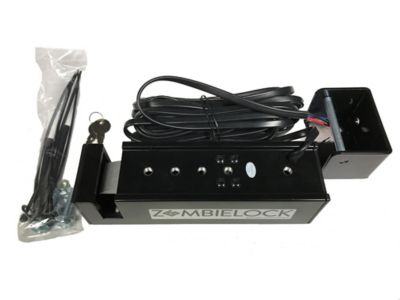
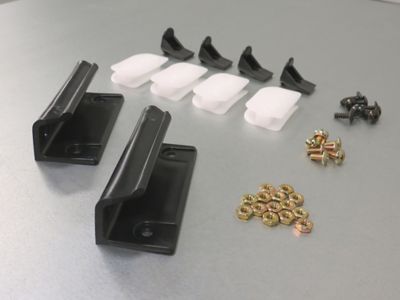
Gate latch handles make it easier to open, close and secure a fence gate without wrestling with the boards or reaching for a separate latch every time. They are a practical choice for farm entrances, pasture gates, garden fences, side yards, driveways, kennel runs and backyard enclosures. A well-placed handle gives you a steady grip when your hands are full of feed, groceries, tools or a lead rope, while the latch mechanism helps keep the gate closed between trips through. For many rural properties, that everyday convenience matters. A gate may be opened dozens of times in a day, especially near a barn, chicken yard, garden or livestock pen, and a handle that feels solid in your hand can make a chore go a whole lot smoother. When choosing a gate latch handle, start by looking at the gate itself. Consider whether the gate is made from wood, metal or another material, how heavy it is, whether it swings inward or outward, and whether the latch will be used from one side or both. The thickness of the gate and the surrounding fence posts can affect how the handle and latch line up, so measure before ordering and pay attention to the mounting area. A handle should sit at a comfortable height for the people who use the gate most, with enough clearance to grip it while wearing work gloves. If the gate is used by children, older family members or anyone with limited hand strength, a broad, easy-to-operate handle may be a better fit than a small, stiff catch. For wood fencing projects, explore
Gate Latches For Wood Gates to compare options suited to wooden gates and their everyday demands.
The right gate latch handle depends on more than appearance. Look for construction suited to outdoor use, especially if the gate is exposed to rain, mud, dust, snow or frequent temperature changes. A handle with a sturdy feel and weather-resistant finish can stand up to the regular opening and closing that comes with farm and homestead life. Check the included mounting hardware when possible, and make sure it is appropriate for the gate material and thickness. Some gates settle or shift over time, particularly wooden gates that absorb moisture and dry out with changing weather. That movement can throw the latch out of alignment, causing the handle to feel tight or leaving the gate partly open. A little room for adjustment is useful, and the latch should engage cleanly without forcing the gate, lifting it or slamming it. Before installation, hold the handle and latch in place to check that the grip is comfortable and that the gate will clear nearby posts, walls or vehicles as it swings. On a large driveway gate, visibility and reach are important; on a garden gate, a compact design may be all that is needed. For a pasture or livestock enclosure, dependable closure is especially important because animals can be curious, persistent and surprisingly good at finding a weak spot. A properly fitted handle and latch can help keep dogs in the yard, chickens in their run and horses or cattle where they belong, though gates used for livestock should always be matched with fencing and hardware designed for the animals and the setting. Gate latch handles can also help freshen up an older fence without replacing the entire gate, making them useful for property repairs, barn improvements and weekend projects. They are a thoughtful gift for a new homeowner, gardener, hobby farmer or anyone fixing up a rural place, particularly when paired with other practical fencing or outdoor maintenance supplies.
A gate is more than a barrier at the edge of a property; it is a working part of the daily routine. In the early morning, a smooth handle can make it easier to carry a bucket through the chicken yard before the coffee is finished. During the cooler months, a reliable latch helps limit the time spent standing in the wind while trying to close a stubborn gate with cold fingers. Around gardens and yards, a secure closure helps protect plants from wandering pets and keeps paths looking neat. At a driveway or lane entrance, the handle provides a clear point of access for family, visitors and delivery traffic while helping the gate stay shut when nobody is coming through. Think about how the gate is used during wet weather, after dark and while carrying something bulky. A handle that is easy to spot and operate can be a small but meaningful improvement, especially when gloves, muddy boots or low light make every task more awkward. Installation should follow the hardware instructions, with the latch positioned so the gate closes squarely and the handle does not rub against the frame. Tighten fasteners securely, but avoid overdriving screws into wood or distorting lighter gate material. Once installed, open and close the gate several times, test the latch from each side and check that it remains engaged with a gentle pull. Periodic inspection is worthwhile: clear away dirt or ice, look for loose fasteners, and watch for sagging hinges or shifting posts that may place extra strain on the latch. With the right fit and a little routine care, gate latch handles provide dependable access and a comfortable grip for the everyday work of maintaining a home, farm, ranch, garden or outdoor enclosure.