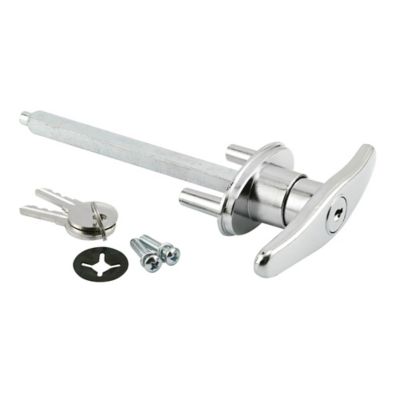
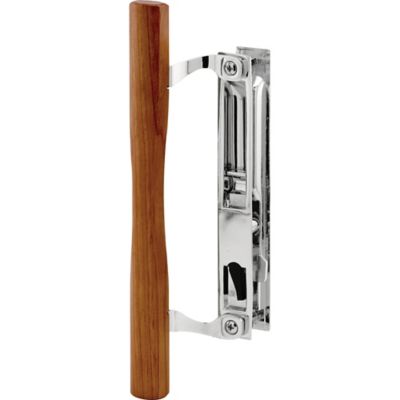
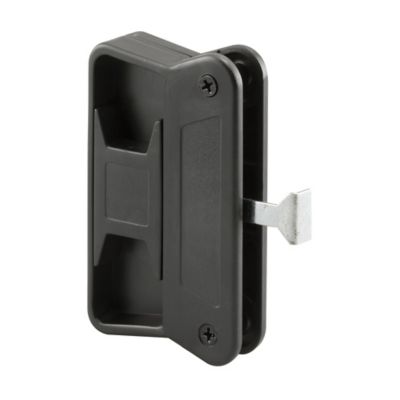
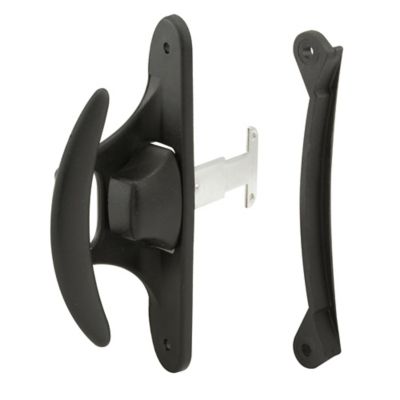
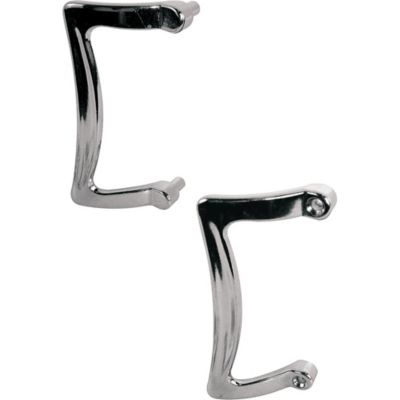
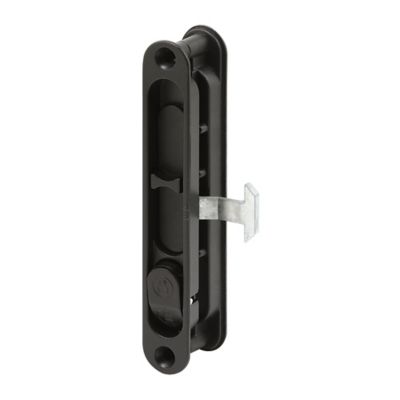
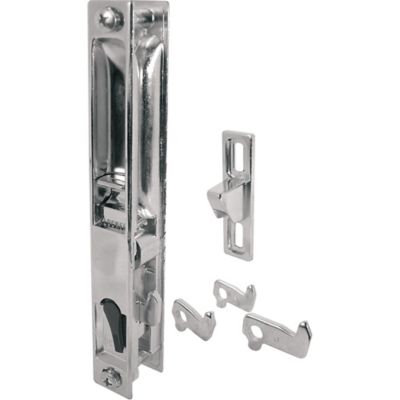
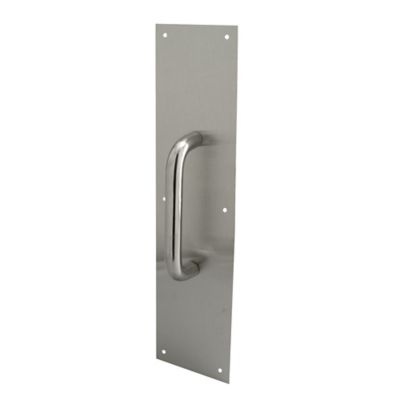
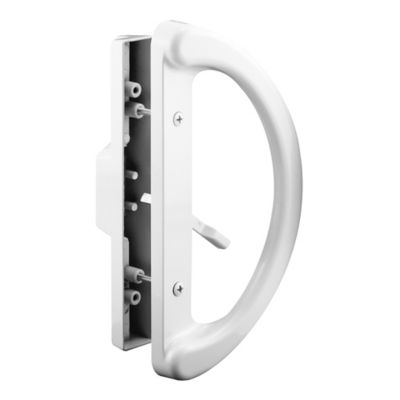
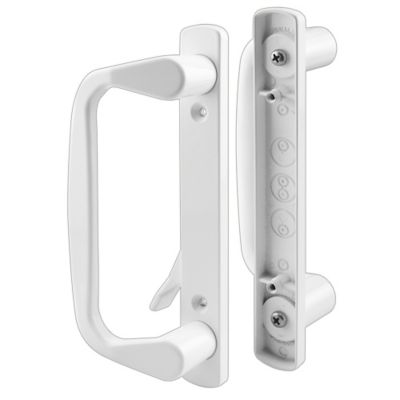
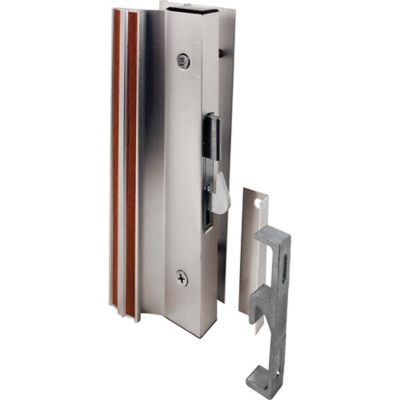
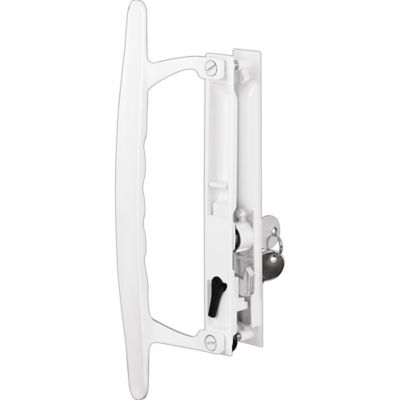
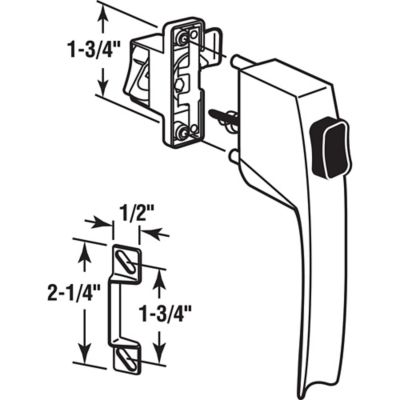
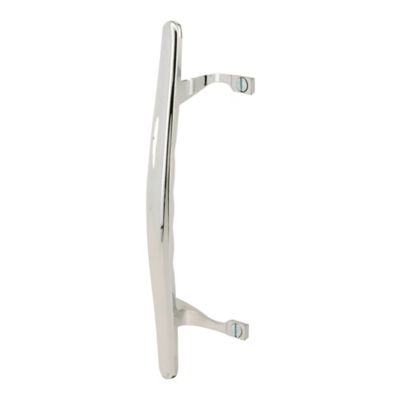
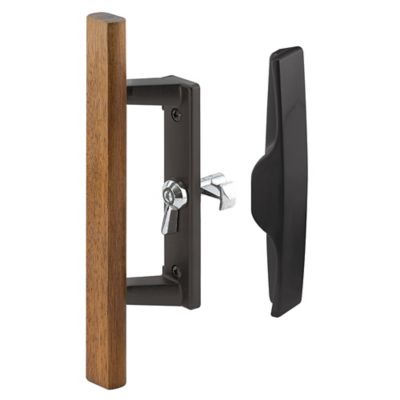
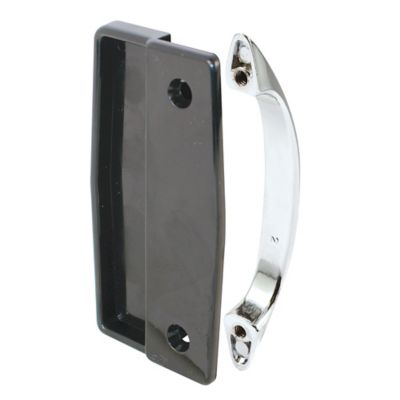
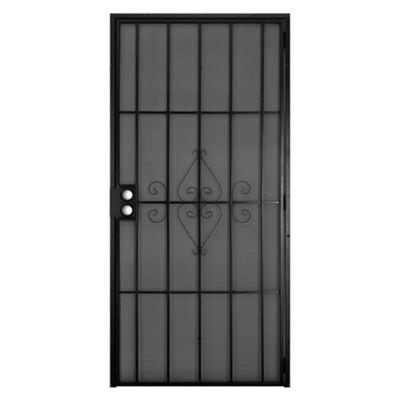
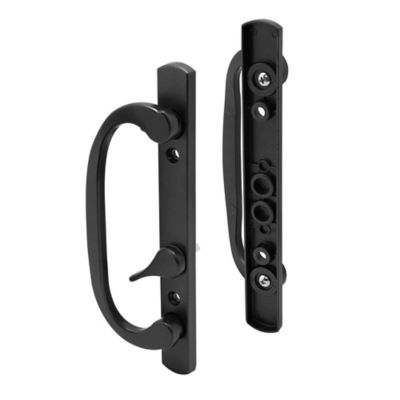
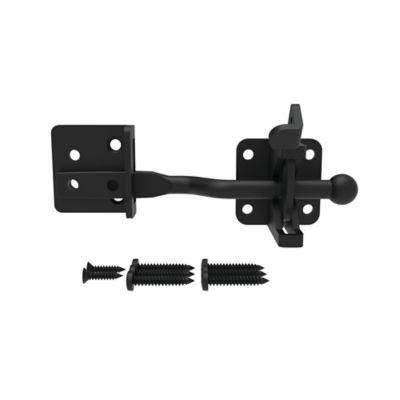
Shed door handles are a small part of a building, but they get plenty of attention when chores are waiting. A comfortable grip and a solid connection to the door make a difference when opening a garden shed for a shovel, putting away a mower, or carrying fencing supplies back to storage. The right handle suits both the door itself and the way the space works day to day. A simple pull gives fingers a place to grab, while a handle paired with a latch helps keep the door closed between trips. Locking handle assemblies add another function, though the protection they provide depends on the whole setup, including the door, frame, hinges, and mounting hardware. These differences matter on everything from a small backyard tool shed to a larger storage building beside the barn. A door that opens several times a day calls for a grip that feels comfortable and hardware that operates without unnecessary effort. Wider handles can offer more room for gloved fingers, while a lower-profile shape may suit a narrow walkway where projecting hardware could catch clothing or equipment. Smooth edges and enough clearance between the grip and the door help make everyday handling more comfortable. The opening style matters, too: a swinging door needs hardware positioned clear of the jamb, and a sliding door needs a handle that stays clear of nearby walls and trim throughout its travel. On double doors, one leaf may serve as the main entrance while the other stays secured until a wider opening is needed. Matching the handle and latch arrangement to that routine keeps access straightforward. For gardeners, property owners, and folks managing tools around an acreage, shed door handles work best when they feel like a natural part of the building rather than something that needs fiddling with every time a chore comes up. Even a modest storage shed benefits from hardware that is easy to grasp, properly supported, and suited to what happens on either side of the door.
Material, finish, and construction all play a part in how shed door handles hold up over repeated opening and closing. Steel offers strength for hardworking applications, while stainless steel is often chosen for corrosion resistance. Aluminum can provide a lighter handle, though performance still depends on the design, material thickness, and mounting method. A coating or plated finish can help protect the underlying metal, but scratches, worn edges, and damage around fasteners deserve attention. Finish is also part of the building’s appearance. Dark hardware can stand out against pale siding or blend into darker trim, and
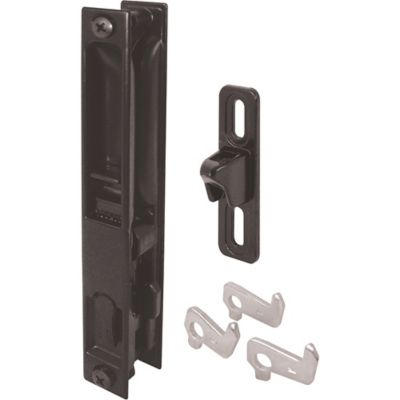
black door handles offer a related option when coordinating handles across shed doors and nearby entrances. Appearance alone, however, does not determine whether a handle will fit. Door thickness, mounting-hole spacing, base dimensions, and the room available around the latch are practical details that deserve equal attention. When replacing existing hardware, measuring from the center of one mounting hole to the center of the next helps narrow the fit without relying on the outline of the old handle. A larger mounting plate may cover old marks, but it still needs sound material beneath it. Thin sheet metal, wood planks, and framed panel doors do not all support fasteners the same way. Through-bolts, backing plates, or reinforcement may be appropriate where the door construction and hardware instructions call for them. For operating handles, the spindle length and shape must match the latch mechanism, and some assemblies also depend on which side of the door carries the hinges. A fixed pull, by contrast, does not operate a latch just because it resembles a lever handle. Keeping those distinctions clear helps avoid a handle that looks right but cannot do the job. Clearance inside the shed matters as well, especially where shelves, long-handled tools, or stored equipment sit close to the doorway. A well-matched assembly leaves enough space for its working parts without crowding the entrance or interfering with the door’s movement.
Everyday performance comes down to more than the handle’s grip. A shed door that drags, sags, or presses hard against its frame can put extra strain on the handle and its fasteners. Hinges and door alignment carry the weight; the handle should not have to serve as a lifting point every time the door opens. That distinction is especially useful on wide wooden doors and frequently traveled storage entrances. Latch alignment also affects how the hardware feels in the hand. When the latch and its receiving point line up properly, closing the door should not require a hard slam or an awkward tug. For sheds holding power tools, lawn equipment, or other belongings, a locking handle may be one part of a broader security arrangement. A comfortable pull is not a lock, and a lock cannot make up for loose hinges or a weak mounting area. Buildings that people can enter also need an exit arrangement that does not leave someone trapped inside, with hardware selected to suit the space and applicable requirements. Routine care is generally straightforward and should follow the manufacturer’s directions for the handle’s material and mechanism. Removing dirt from around the grip and mounting plate makes it easier to spot loose screws, finish wear, or movement at the base. Harsh cleaners and abrasive pads can damage certain finishes, while moving latch parts may call for a specified lubricant rather than a general spray applied everywhere. Any rocking at the handle deserves a closer look before it enlarges the mounting holes or damages the door surface. For a shed shared by several people, grip height, operating effort, and a sensible key arrangement can matter just as much as appearance. A gardener coming through with a watering can and a property owner putting away a string trimmer may approach the same door with very different loads in hand. Shed door handles that suit those routines, fit the door correctly, and receive a little ongoing attention help keep the entrance ready for the next trip out to work.