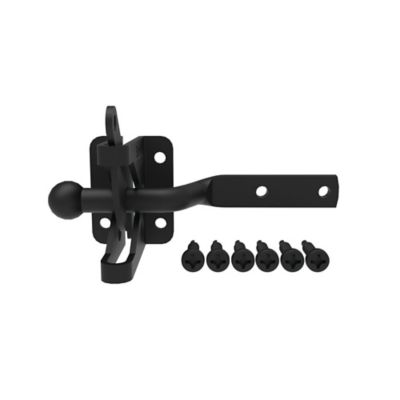
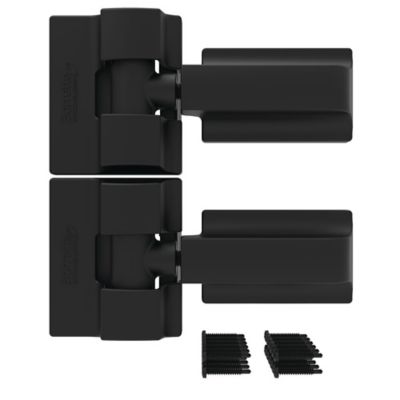
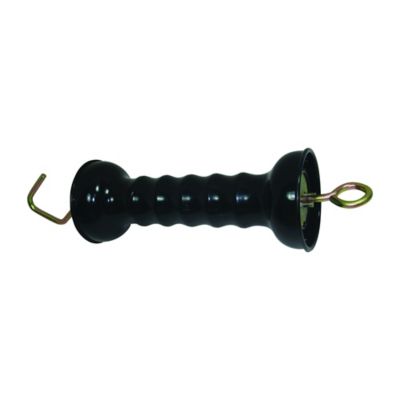
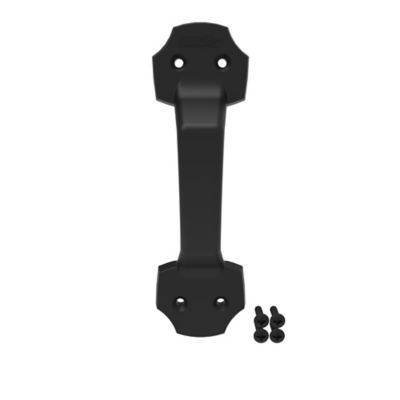
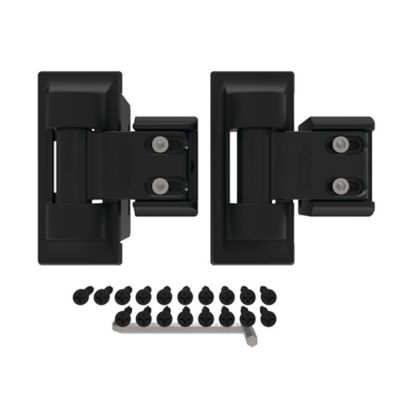
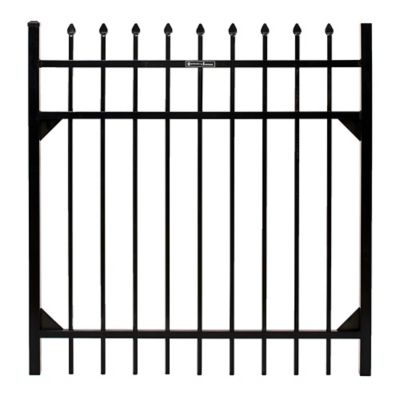
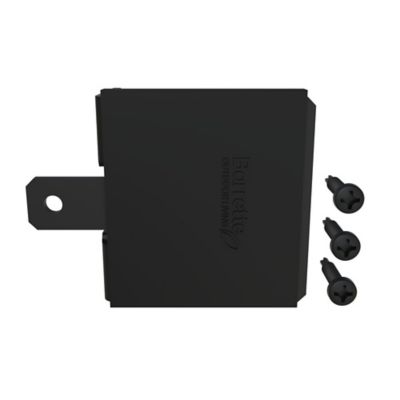
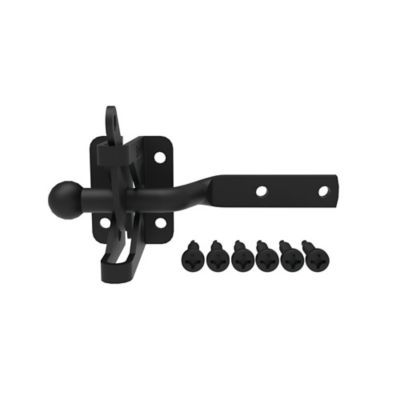
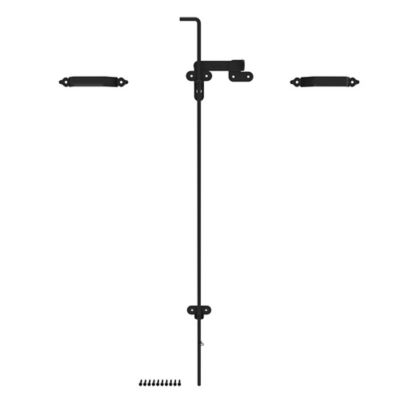
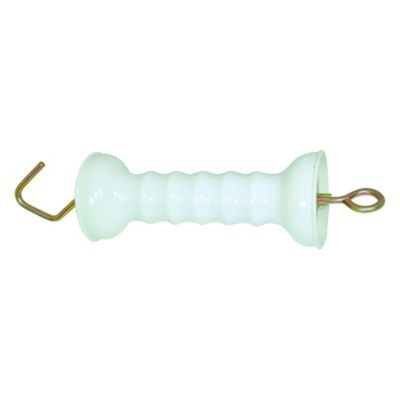
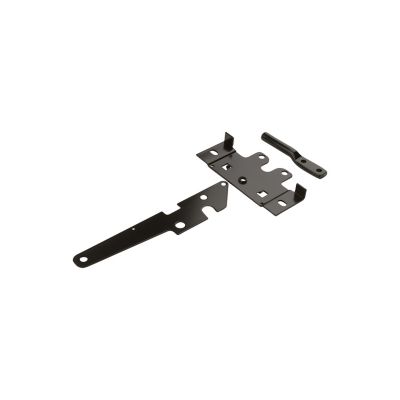
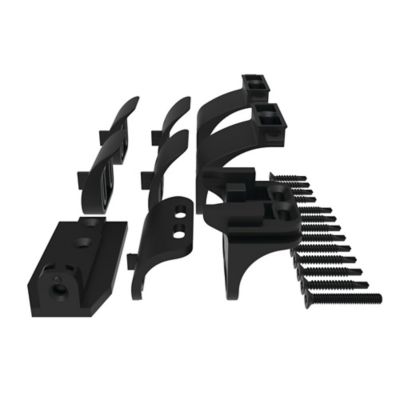
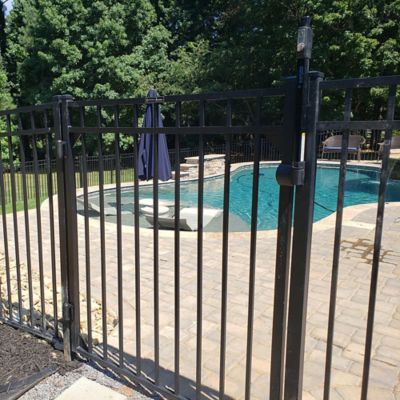
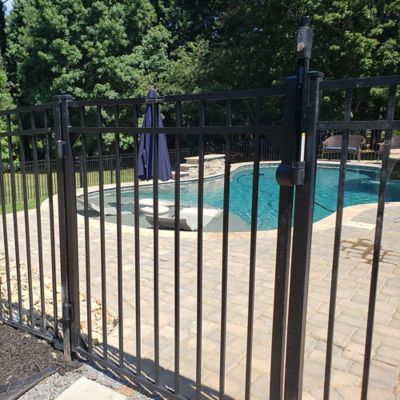
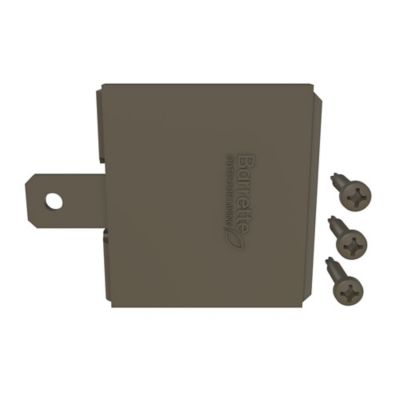
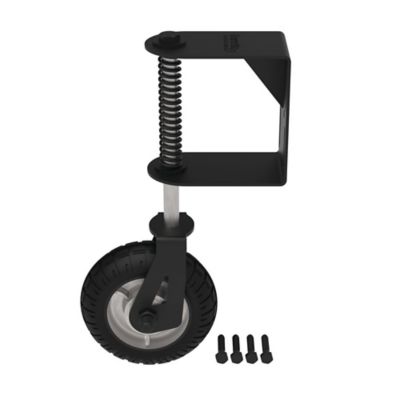
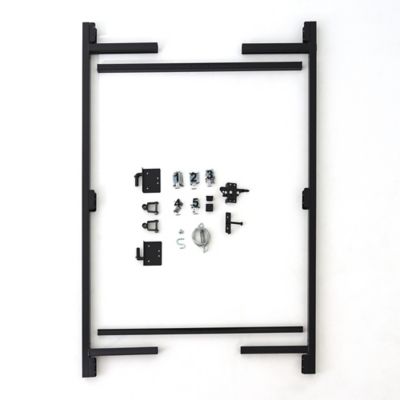
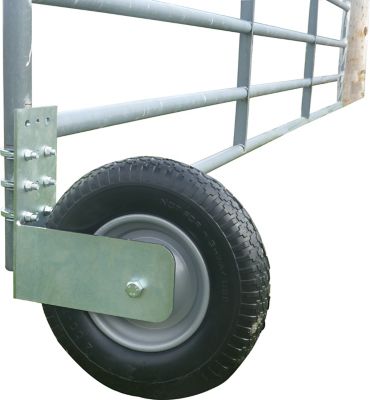
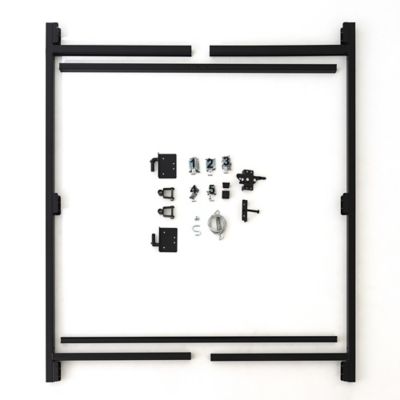
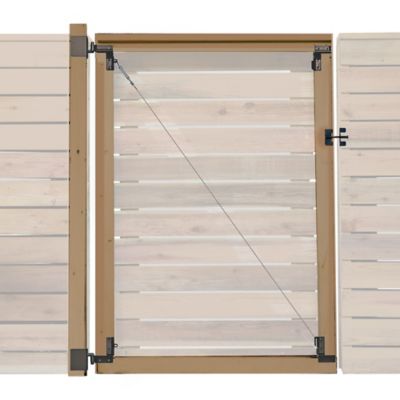
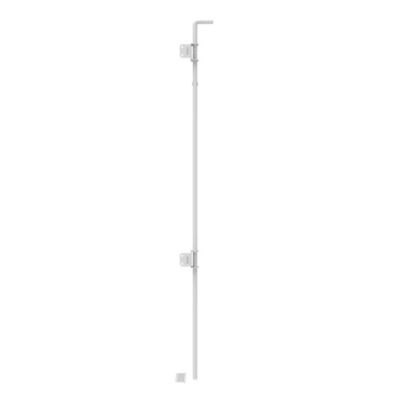
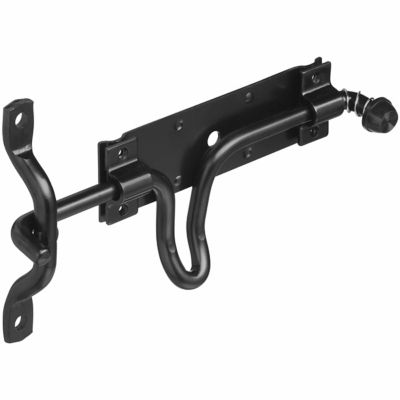
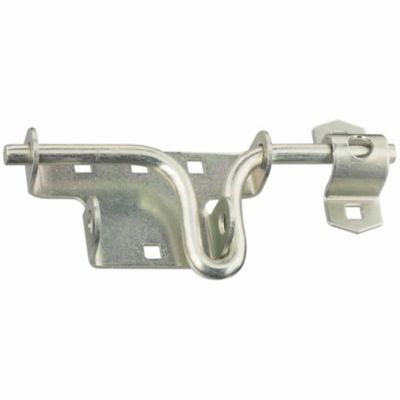
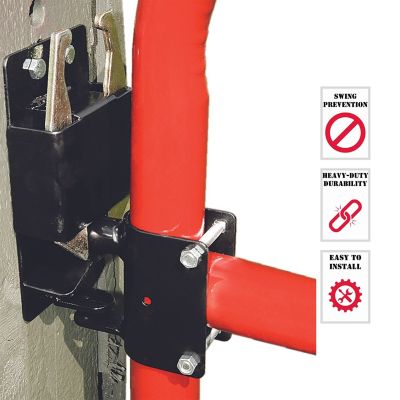
Pool gate hardware helps keep an outdoor pool area organized, secure and easier to use day after day. A pool gate may look like a simple entry point, but every part has a job to do, from holding the gate in place to helping it close and latch properly after someone walks through. The right hardware can make a big difference around a busy backyard, farmstead or rental property where gates see plenty of use from family members, guests, pets and children. When choosing hardware, start by looking closely at the gate itself. Note whether the gate is made from steel, aluminum, wood or another material, and check its height, width and weight. The post and surrounding fence matter just as much as the gate panel, since loose, leaning or undersized supports can affect how well the hardware works. Take a few measurements before shopping, including the space between the gate and the post, the thickness of the gate frame and the direction the gate needs to swing. A small difference in these measurements can determine whether the gate opens smoothly or rubs against the post, ground or fence. It is also smart to review local pool safety requirements before replacing or adding hardware. Rules can vary by location and may address gate height, opening direction, latch placement, self-closing features and the distance between the latch and the top of the gate. Hardware should support those requirements, but it does not replace careful installation or routine checks.
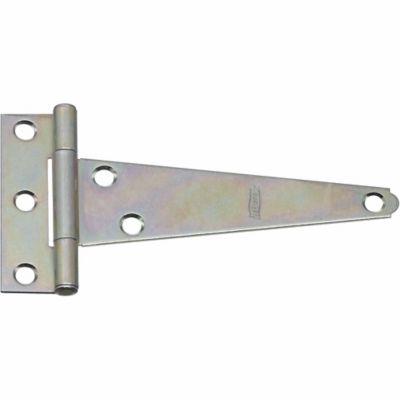
Outdoor pool areas expose hardware to water, humidity, sunscreen, dirt, grass clippings and changing temperatures, so material and finish deserve close attention. Look for hardware suited to exterior use and compatible with the gate and posts. Corrosion-resistant materials and protective finishes can help slow rust and wear, especially around salt-treated water or pools that use chemicals regularly. Avoid mixing metals without checking compatibility, since contact between certain metals can lead to corrosion over time. A gate that is easy to lift or push open when new may become heavier after rain, ice or years of use, so hinges and other moving parts should be sized for the gate’s actual weight rather than its appearance. The same goes for latches and closing hardware. A latch needs to catch cleanly without forcing the gate, while a self-closing setup should bring the gate back into position from a normal opening angle. Make sure the latch is easy for an adult to operate but positioned and designed in a way that supports the safety needs of the pool area. Children should never be expected to manage pool access on their own, and no gate hardware takes the place of active supervision. For replacement or repair work on a steel or metal gate, browse
Steel Gate Hinges to compare options that may help restore a sagging or hard-to-swing gate. Before installing anything, inspect the posts for movement, check the fence line for damage and look for cracked welds, stripped fasteners or bent mounting plates. Use exterior-rated fasteners and follow the hardware instructions, since overtightening can distort lighter materials while loose fasteners allow the gate to shift.
Pool gate hardware is useful for more than a new fence project. Homeowners may use it when updating an older pool enclosure, replacing worn parts after years of summer use or improving access around a hot tub, stock tank pool or other water feature. Property managers, landlords and maintenance crews can keep a small selection of commonly needed hardware on hand for repairs between inspections. Families who live in the country may also find these parts helpful when a pool gate shares space with a garden, workshop, livestock area or driveway, where dust, mud and daily traffic can be hard on hinges and latches. During the cooler months, it is a good habit to walk the fence line and test the gate before storing outdoor toys or covering the pool. Clear away leaves and packed dirt near the bottom of the gate, tighten fasteners, apply only a lubricant recommended for the hardware and watch for any change in how the gate closes. In areas that see freezing weather, standing water around posts can freeze and shift the ground, which may leave a once-square gate dragging by the time warmer weather returns. Keep an eye on rust, flaking finishes and small gaps that grow wider with use. A dependable gate should swing freely, close without a hard shove and latch every time, with the posts staying firm when the gate is moved. Taking care of these details gives homeowners a little more peace of mind when friends gather outdoors, pets wander near the yard or the pool area is quiet between seasons. Good hardware will not make a worn fence safe by itself, but properly matched parts, solid posts and regular attention can help create a pool entrance that stands up to everyday life.