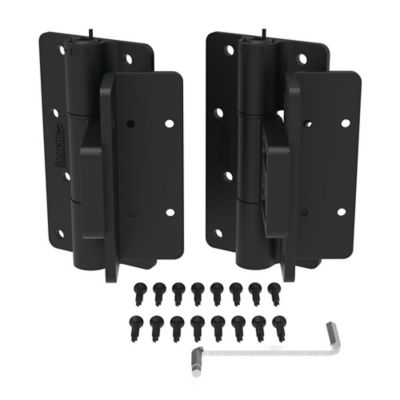
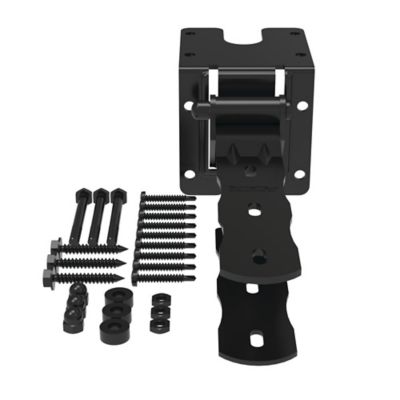
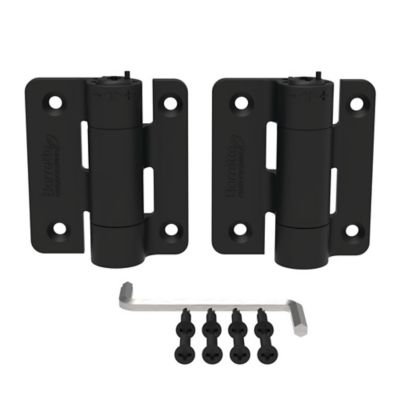
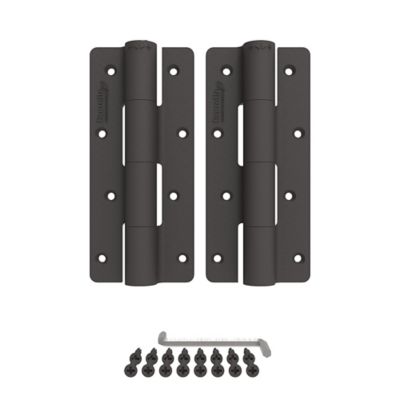
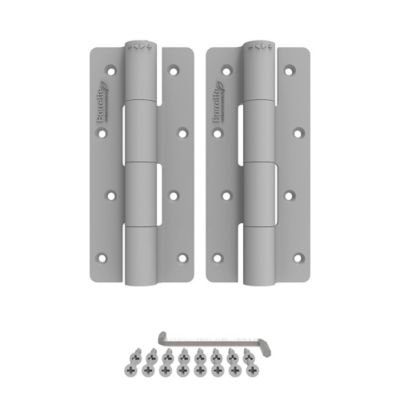
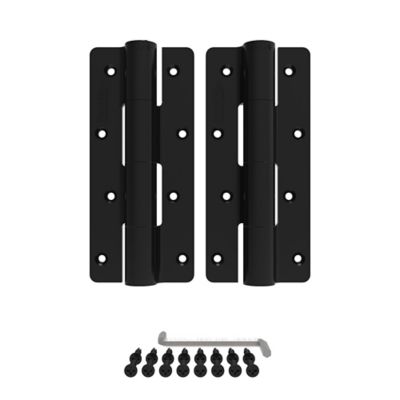
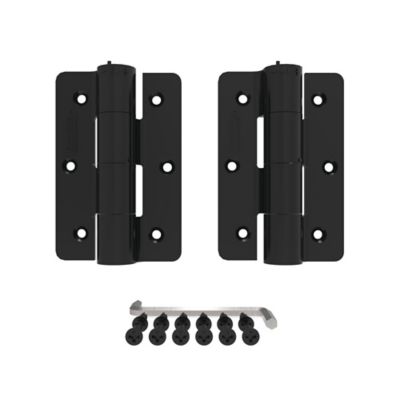
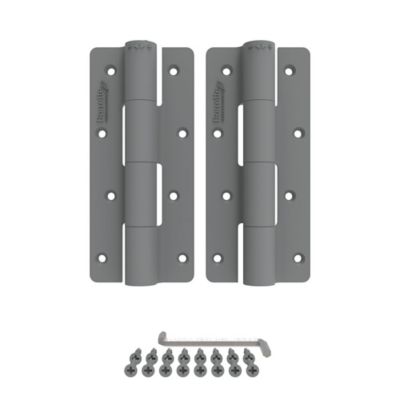
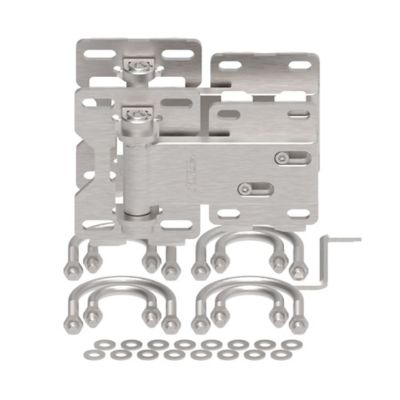
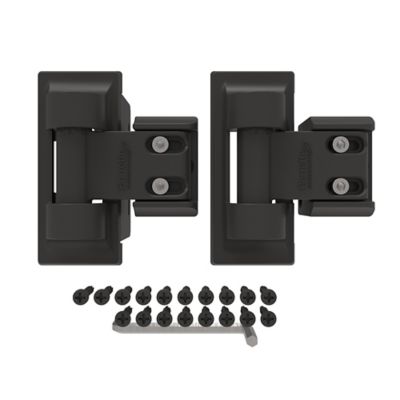
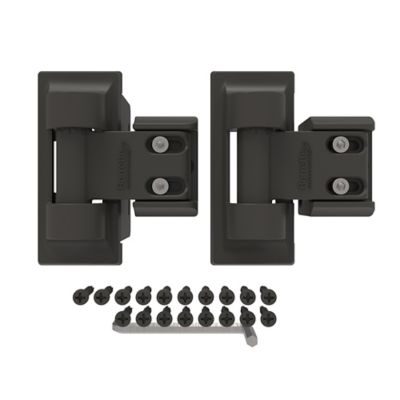
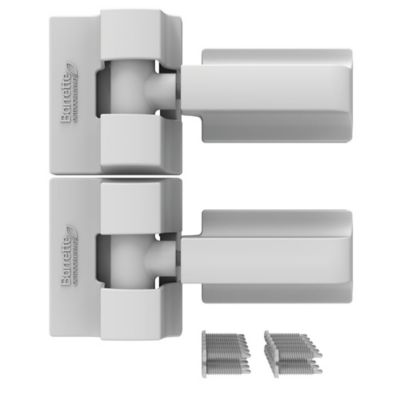
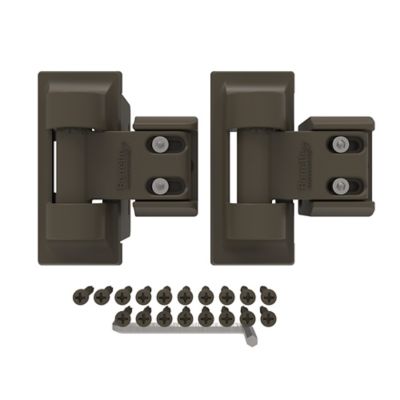
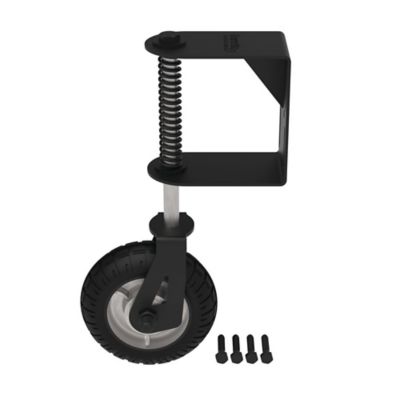
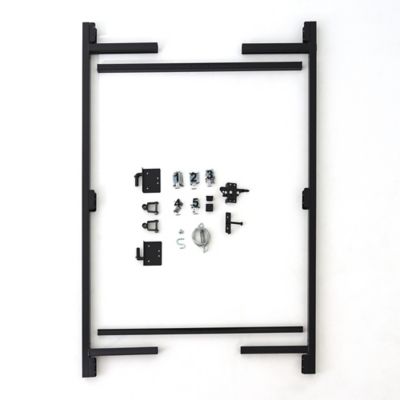
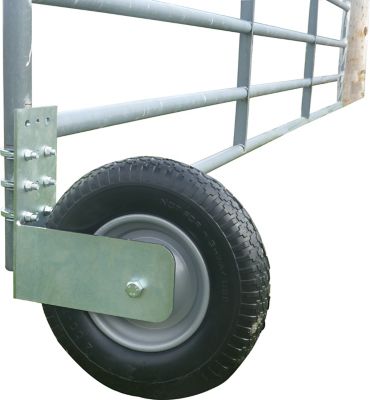
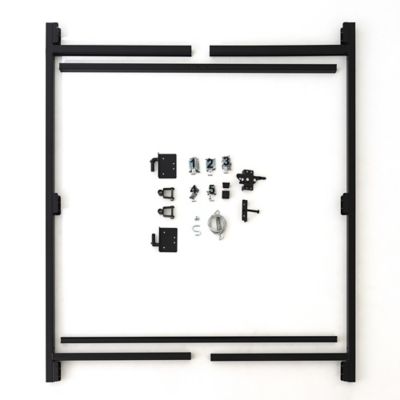
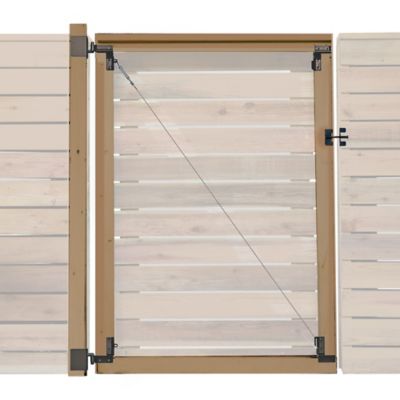
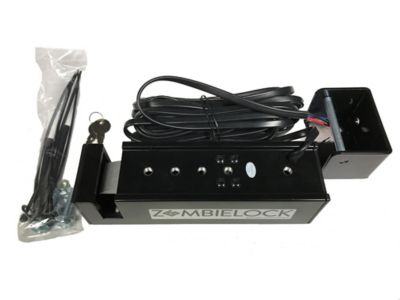
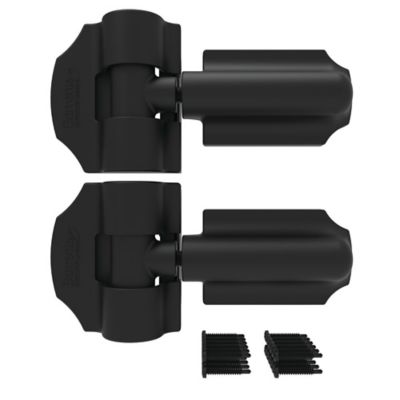
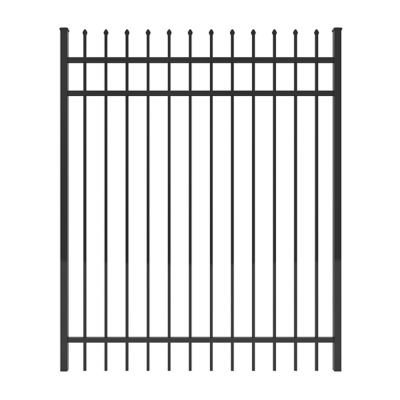
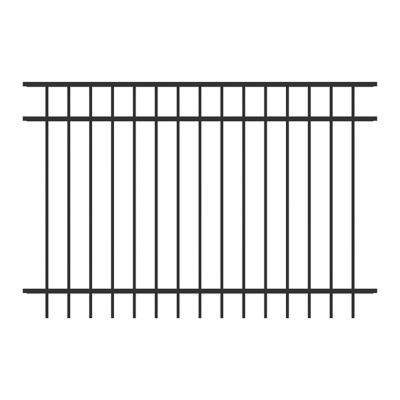
Aluminum fence gate hinges help a gate swing smoothly, stay aligned, and close the way it should after years of opening and shutting. They are commonly used on residential yards, garden enclosures, pool fences, livestock areas, driveways, and commercial properties where a dependable gate matters. Because aluminum gates are lighter than many steel gates, they still need hinges matched to the gate’s actual frame size, weight, width, and daily use. A small garden gate may work well with a standard adjustable hinge, while a tall driveway gate or ornamental entrance may call for heavy-duty bolt-on hinges with stronger mounting hardware and bearing support. Look for hinges made for outdoor exposure, with finishes and hardware that stand up to rain, mud, sprinklers, humidity, and the temperature swings that come with changing seasons. Aluminum itself resists rust, but mismatched metals can create corrosion around fasteners over time, so compatible hardware and careful installation are worth the extra attention. For many homeowners, adjustable hinges make it easier to fine-tune the gate after the fence settles or the ground shifts slightly. If the gate needs to swing freely in both directions, a hinge with a wider opening range—sometimes up to 180 degrees—can be helpful where the layout allows it. Gates near a driveway, barn lane, or busy walkway may benefit from a more robust hinge design, especially when wind catches the gate or when it is opened dozens of times during chores. For related projects involving heavier steel frames or steel posts, browse
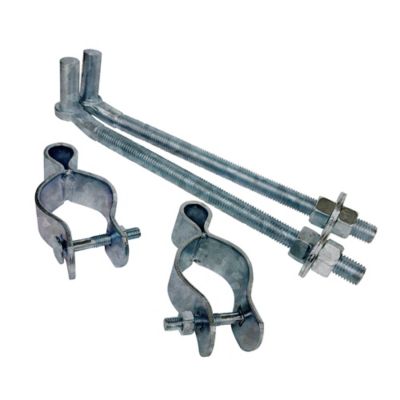
Steel Gate Hinges to compare options suited to that type of construction.
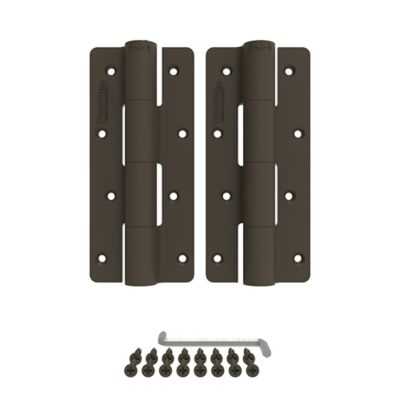
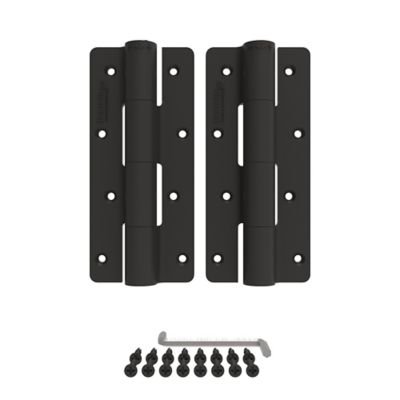
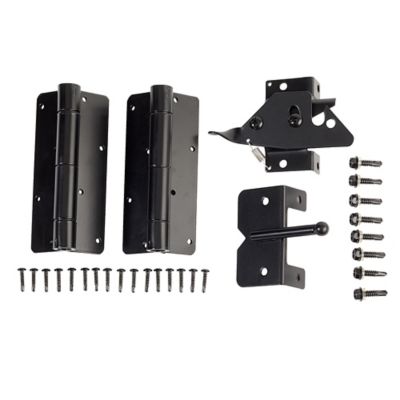
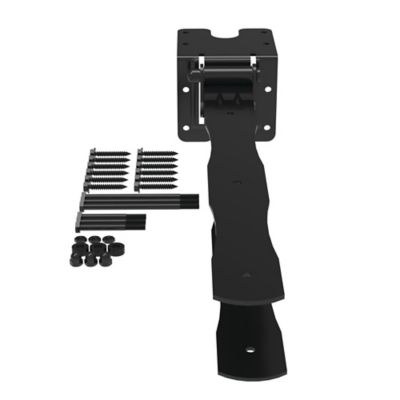
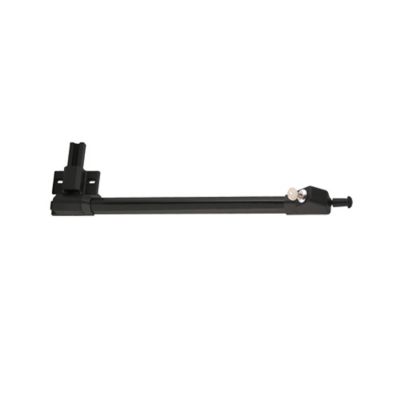
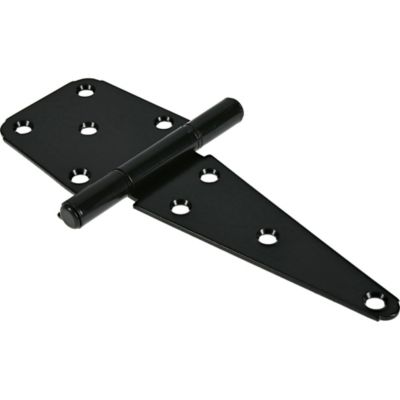
The main hinge styles generally fall into three groups: self-closing spring hinges, heavy-duty bearing or bolt-on hinges, and standard commercial adjustable hinges. Self-closing hinges are a practical choice for pool gates, pet areas, and side-yard gates where the gate should return to the closed position instead of being left open. Many spring-style designs allow the closing tension to be adjusted, so the gate can shut firmly without slamming hard enough to rattle the fence. Pool gates must meet applicable local safety rules, and a self-closing hinge is only one part of a compliant setup; the latch, gate height, opening direction, and surrounding fence also matter. Heavy-duty hinges with sealed bearings are suited to wide, tall, or frequently used gates because the bearing helps support a steady swing and reduces friction. They can be especially useful at farms, shops, storage yards, and other places where a gate sees regular traffic from people, carts, equipment, or animals. Standard adjustable hinges are often a good fit for everyday residential gates and can make small alignment corrections easier during installation. Before choosing, measure the gate frame rather than guessing from the fence panel, and check the manufacturer’s listed capacity for the hinge pair. A gate’s weight is affected by its height, width, rails, decorative pieces, latch, and any hardware attached to it. Give extra thought to wind exposure as well: a light aluminum gate in an open field can act like a sail, putting more strain on hinges and posts than the same gate tucked beside a house. When replacing old hardware, inspect the post and gate frame for loose bolts, cracked welds, bent rails, or sagging before installing new hinges. New hinges cannot make up for a weak post or a gate frame that has lost its shape.
Proper placement helps aluminum fence gate hinges carry the load evenly. A common layout places the upper hinge between the middle rail and top rail, with the lower hinge roughly 2 to 6 inches above the bottom of the gate frame. The exact location can vary by gate design, but keeping the hinges spread apart gives the gate better support and helps limit sag. The hinge barrels should be aligned so the gate pivots on a straight, steady axis; even a small amount of misalignment can make a gate drag, bind, or refuse to close. On self-closing models, the spring-loaded barrel is generally mounted to the stationary fence post while the moving hinge portion attaches to the gate leaf. Follow the included directions for the particular hinge, since designs differ and reversing the parts can affect closing action. After the gate is hung, check that it swings without rubbing the ground, post, latch, or nearby fence section. Spring tension is often adjusted through a slot at the top of the barrel with a large flathead screwdriver, using small changes and testing the gate after each adjustment. Set the closing speed so the gate reaches the latch reliably without banging against the post. During the warmer part of the season, soil movement, expanding materials, and heavy use can change alignment; during cooler, wetter weather, soft ground and frost movement may do the same. A quick check for loose hardware, worn bearings, damaged springs, and a sagging gate can keep a minor problem from becoming a full repair. Whether finishing a new fence around a country home, replacing worn hardware on a garden gate, or helping a family member get a pool or pet enclosure working properly, the right aluminum fence gate hinges provide a cleaner swing, steadier support, and confidence every time the gate closes.