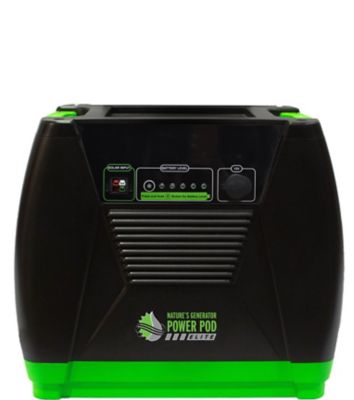
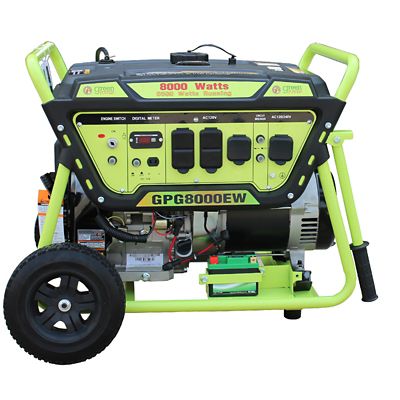
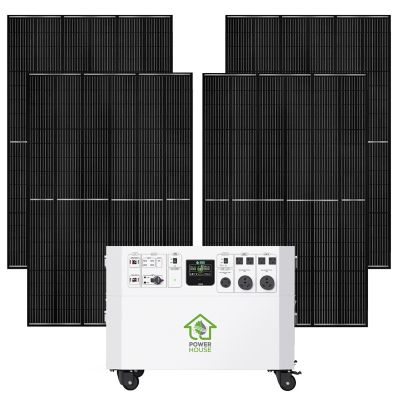
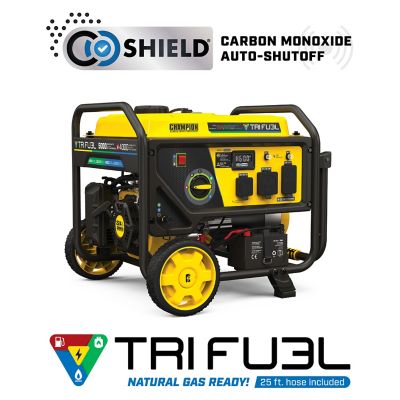
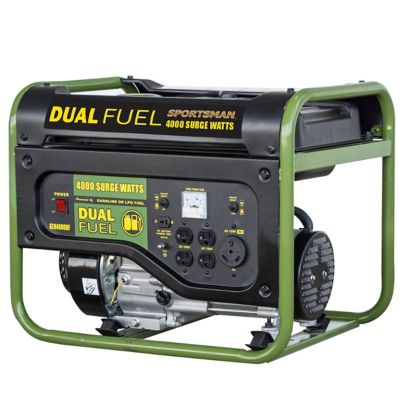
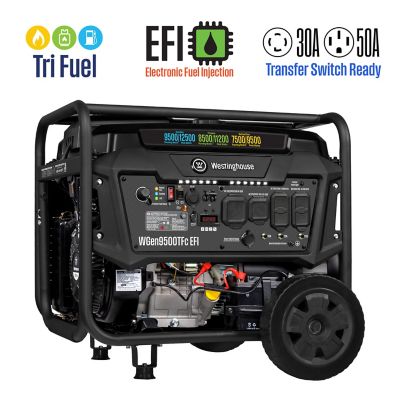
Battery powered generators, also called portable power stations, store electricity in an internal battery instead of making power with a gas engine. That simple difference makes them handy around the farm, campsite, workshop and home. They produce no exhaust and generally run with very little noise, so they can be useful when you need backup power without the rumble, fumes or fuel storage that come with traditional generators. During a power outage, a charged unit can keep phones, tablets, lamps, radios, Wi-Fi equipment and other small electronics ready to use. Larger-capacity models may also provide power for items such as a refrigerator, freezer, coffee maker, medical equipment or select power tools, depending on the unit’s wattage, battery capacity and the startup demands of the appliance. They are also a practical choice for tailgating, hunting camp, roadside emergencies, outdoor work and other places where a wall outlet is out of reach. Because they do not burn gasoline or propane, battery powered generators do not produce carbon monoxide while operating. Even so, read the owner’s manual, keep the unit dry, leave room around the vents and use only approved cords and accessories. Battery safety matters, too: avoid damaged cables, extreme heat and water exposure, and store the generator according to the manufacturer’s directions. For more ways to prepare for remote work, travel and backup power needs, explore
Off Grid Power Generators.
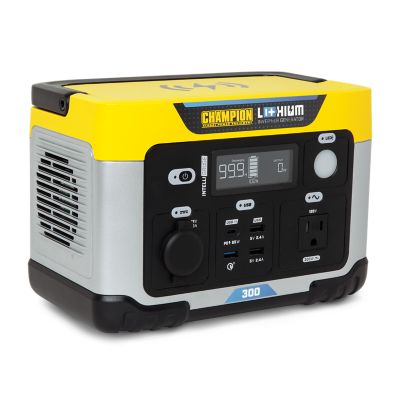
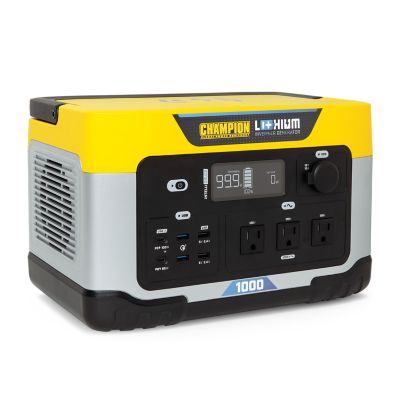
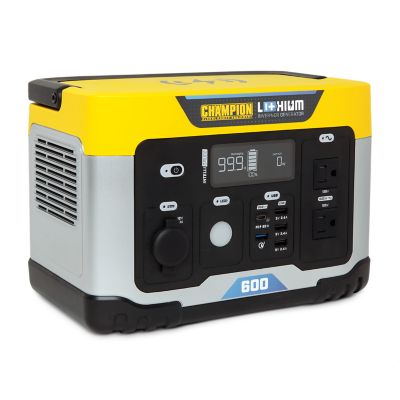
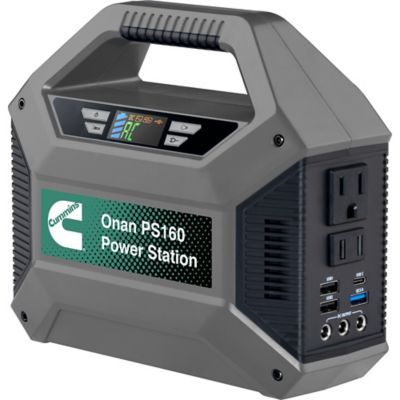
Choosing the right battery powered generator starts with the jobs you want it to handle. Small, lightweight units are easy to carry in a truck, camper or equipment tote and are well suited for charging phones, cameras, laptops, handheld radios, rechargeable tools and LED lights. They can be especially useful for a short overnight trip, a day at a ball field or a minor outage when keeping a few essentials running is more important than powering the whole house. Mid-size units offer more stored energy and higher output for longer use. Depending on the model, they may run a compact refrigerator, fan, television, coffee maker or small tool, though not always at the same time. Heavy-duty and expandable battery generators are built for greater demand, with larger inverters, higher watt ratings and the ability to add battery packs on some models. These systems can be a better fit for extended outages, remote job sites or households that need to keep several essential devices going. Before buying, check both running watts and starting or surge watts. Appliances with motors and compressors, including refrigerators, freezers, pumps and some power tools, often need an extra burst of power when they start. Battery capacity, usually listed in watt-hours, helps indicate how long a unit may run, but actual runtime depends on the load, temperature, battery age and conversion losses. A simple way to plan is to list the devices you expect to use, note each watt requirement and decide whether you need a few hours of charging power or dependable energy through the night. Look for useful outlets and ports, such as standard AC outlets, USB-A or USB-C ports and 12-volt connections, along with a clear display that shows remaining charge, output and estimated runtime. A built-in light, sturdy handle, wheels, weather-resistant storage case and a compact shape can make a noticeable difference when you are carrying the unit over gravel, loading it into a side-by-side or setting it beside a tent.
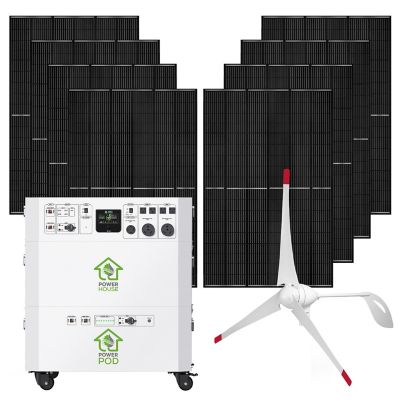
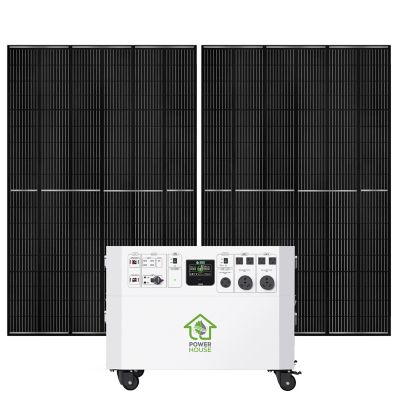
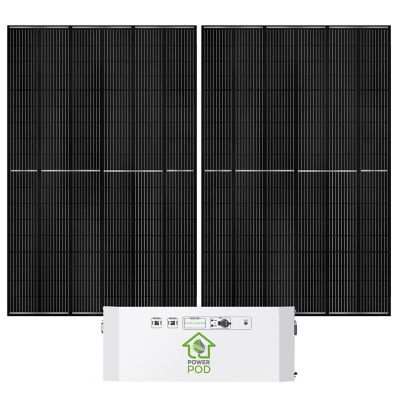
Recharge options are another important part of the decision. Most battery powered generators can charge from a household outlet, and many can recharge from a vehicle outlet when you are traveling. Some are compatible with portable solar panels, giving you a way to replenish the battery away from the grid when conditions are suitable. Solar charging takes planning, since panel output changes with cloud cover, shade, season and panel angle, but it can extend your time off-grid when paired with a properly sized power station. A fast wall-charging option may be useful before a storm or busy weekend, while pass-through charging can let certain units charge while supplying power to connected devices. If you need uninterrupted service for a computer, communications equipment or other sensitive electronics, check whether the model includes an uninterruptible power supply function and review its transfer time. Battery generators can make thoughtful gifts for campers, anglers, new homeowners, college students, travelers, outdoor workers and anyone who likes being prepared. They fit neatly into a practical gift for a family member who spends weekends at a cabin or for a neighbor who keeps emergency supplies on hand. As the weather shifts from warm outdoor projects to cooler evenings at home, a charged power station can be ready beside the camping gear, in the truck or near the household emergency kit. Keep it charged as recommended, test it occasionally with the devices you plan to use and rotate older batteries according to the manufacturer’s guidance. With the right capacity and a realistic list of expected loads, a battery powered generator can provide clean, quiet and convenient backup power for everyday interruptions, travel and work away from an outlet.