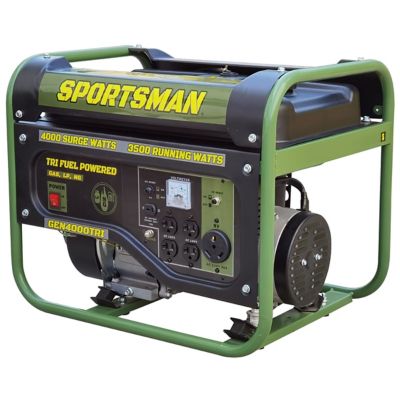
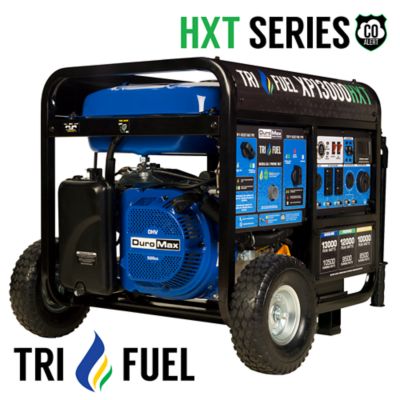
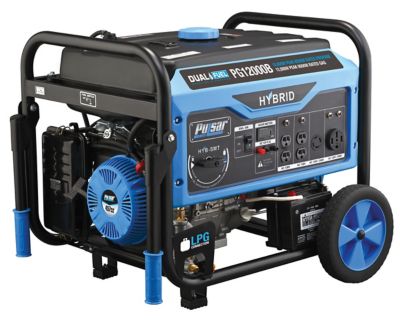
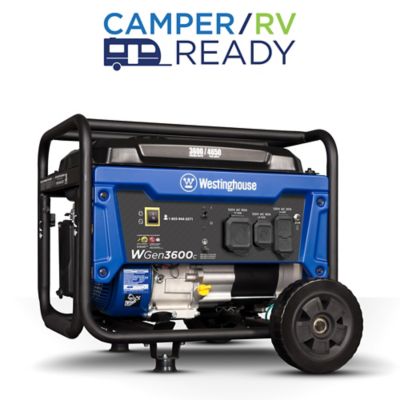
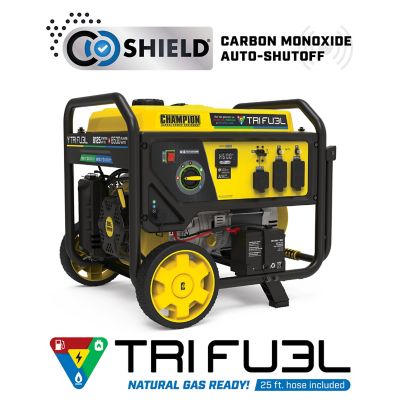
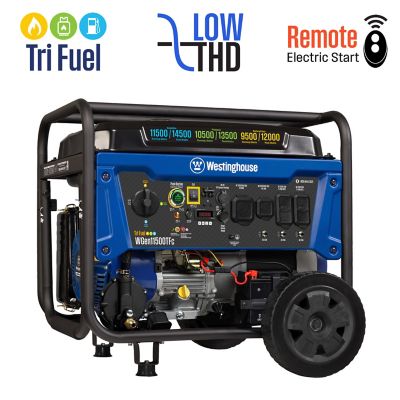
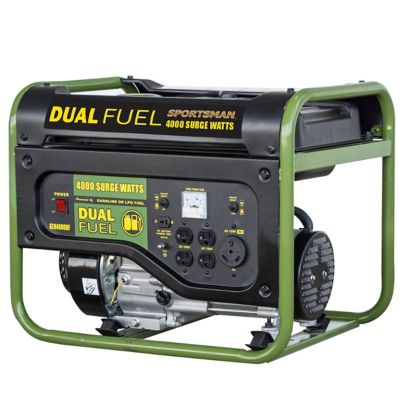
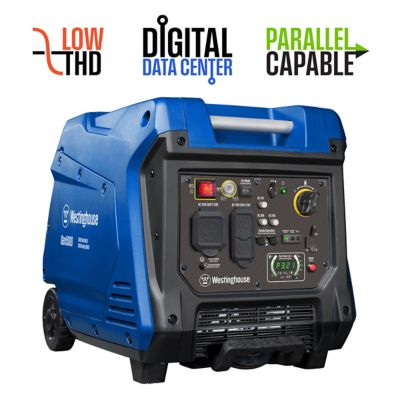
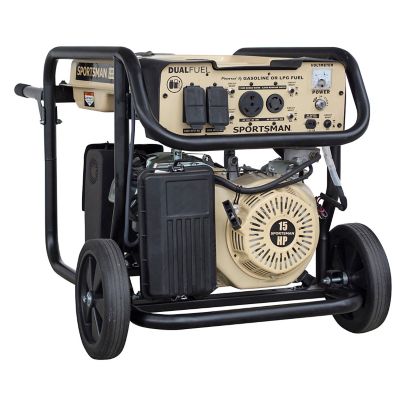
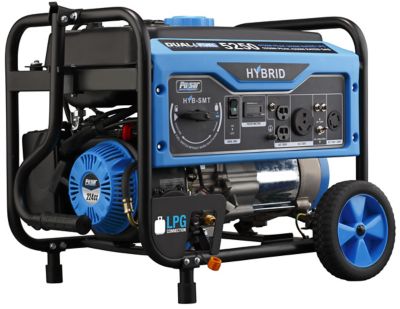
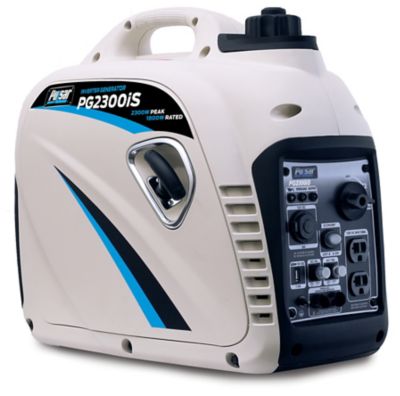
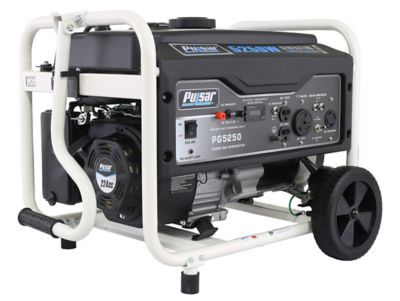
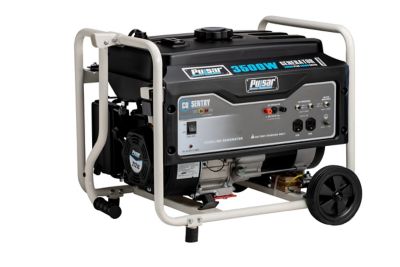
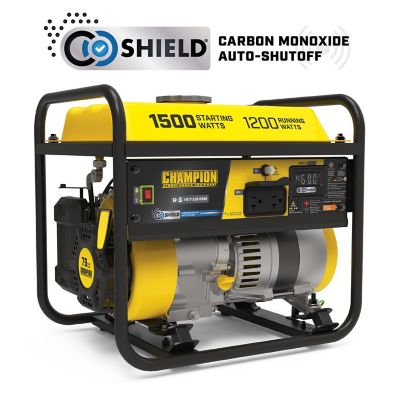
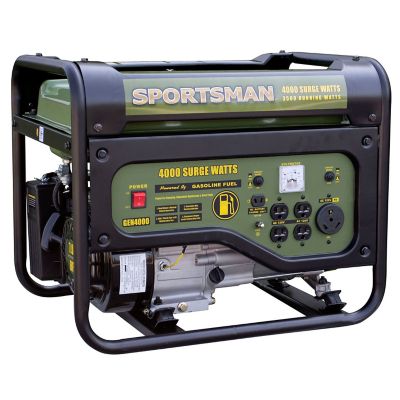
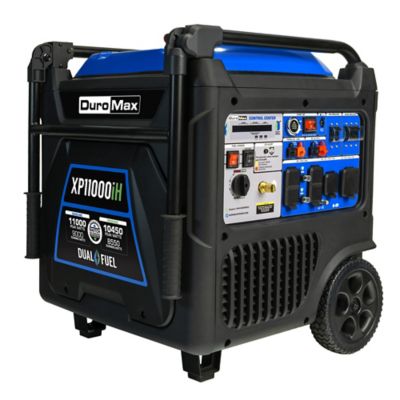
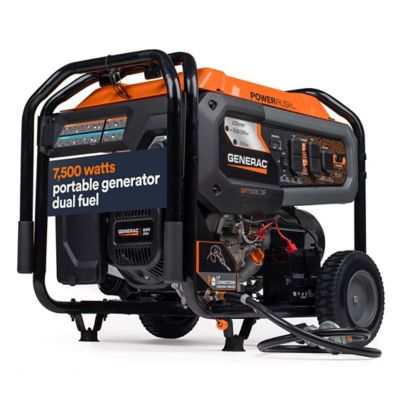
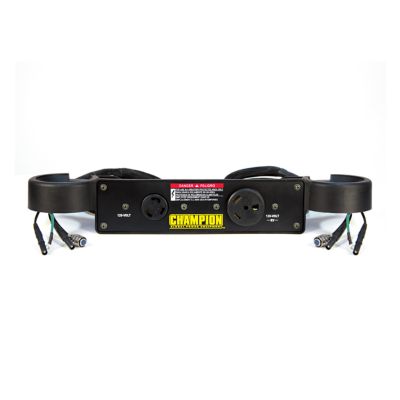
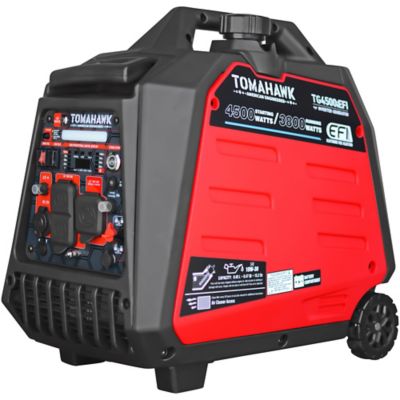
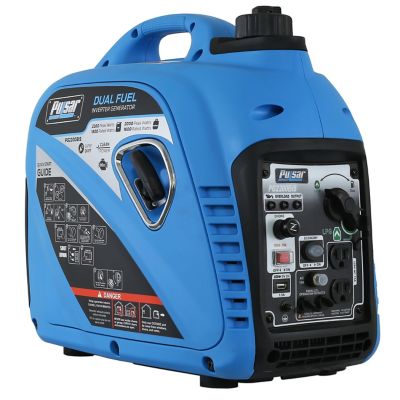
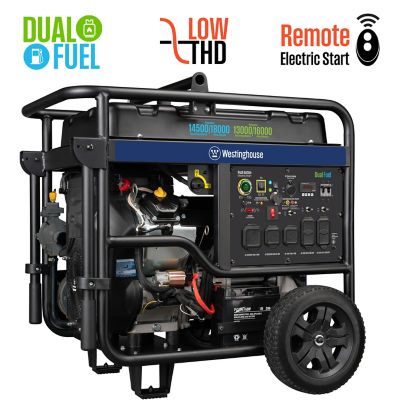
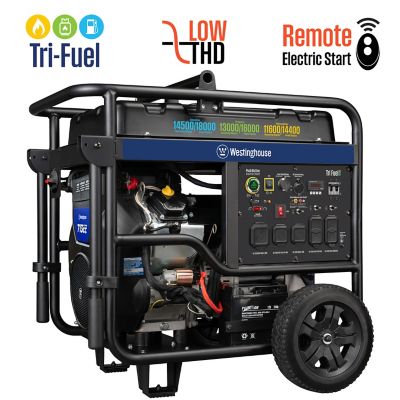
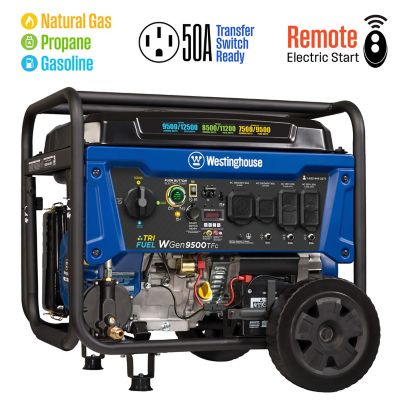
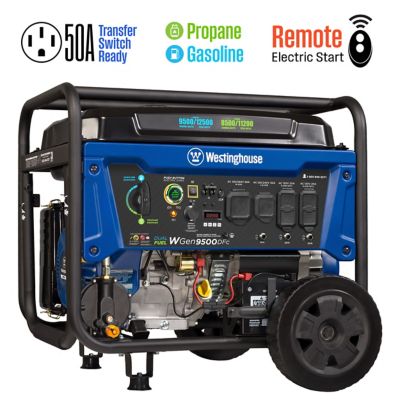
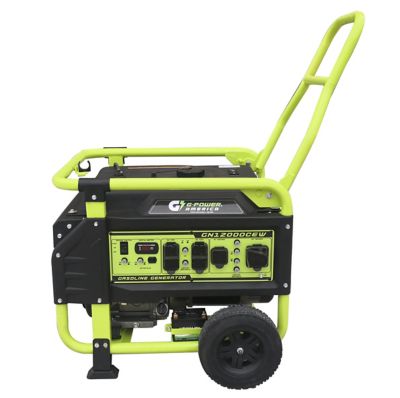
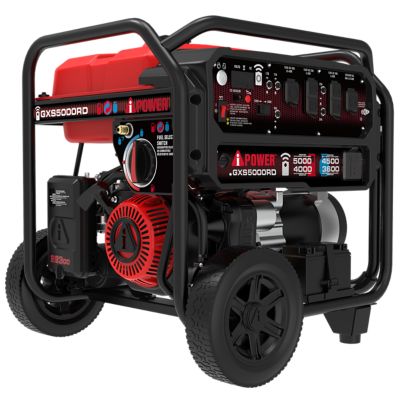
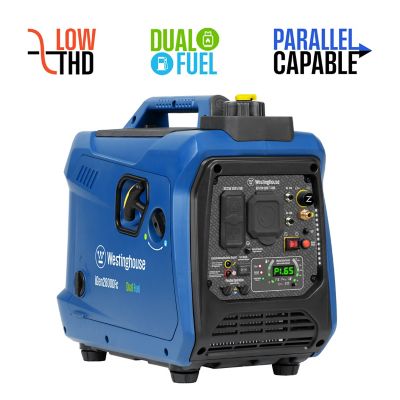
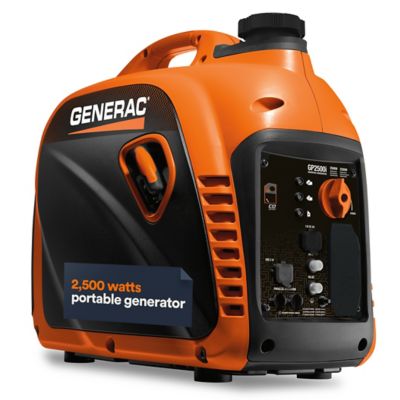
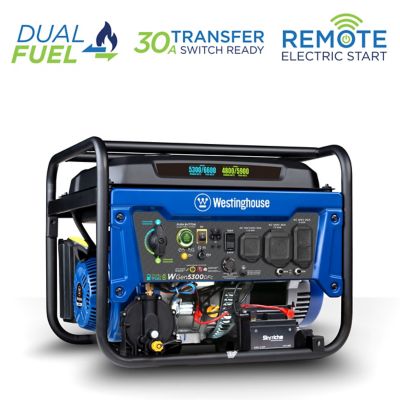
A portable natural gas generator can help keep the lights on and important equipment running when an outage hits, especially during storms, high winds, ice, or other rough weather. Unlike gasoline, utility-supplied natural gas does not go stale, so there is no need to rotate fuel cans or make a last-minute trip for extra gas before a storm rolls in. Many portable natural gas generators are tri-fuel models that can run on natural gas, propane, or gasoline, giving you flexibility when fuel availability changes. Natural gas is often a convenient choice for a home already connected to a utility line, while propane or gasoline may be useful when the generator is used away from home or when the natural gas supply is interrupted. These units may be used to power essentials such as a refrigerator, freezer, well pump, sump pump, furnace blower, lights, internet equipment, or selected outlets. Larger-capacity models may support additional loads, but the available wattage depends on the fuel being used. A generator commonly produces less power on natural gas than on gasoline—often about 10% to 20% less—so compare both running watts and starting watts before making a choice. Motors in refrigerators, pumps, fans, and air conditioners can draw a short burst of extra power when they start, and that starting demand needs to fit within the generator's rated capacity. Make a simple list of the equipment you want to run, note each item's running and starting watt requirements, and leave some extra capacity rather than sizing the unit right at its limit. A portable natural gas generator can also be a thoughtful gift for a new homeowner, someone living in a rural area, or a family that relies on medical equipment, a private well, or a sump pump. It is the kind of practical gift that may spend plenty of time tucked away in a garage, then earn its keep when the weather turns rough and the power goes out.
Before buying, take a close look at how the generator will connect to your home and where it will be operated. A natural gas connection is not a do-it-yourself extension of the household line. A qualified plumber or gas technician should install the correct outdoor quick-connect fitting, regulator, shutoff components, and piping, and should confirm that the home's meter and service can provide enough BTUs for the generator along with the other gas appliances in use. A gas line that is too small or a meter with insufficient capacity can prevent the generator from operating properly. If you plan to power household circuits through the electrical panel, a properly installed transfer switch or approved interlock is needed to prevent dangerous backfeeding into utility lines. Local building, electrical, and fuel-gas rules may require permits or inspections, so check with the utility and local authorities before installation. The natural gas connection also affects portability: a unit may have wheels and handles for moving it around the property, but it still needs to be placed within reach of the approved connection and far enough from the home, doors, windows, and air intakes to keep exhaust away from living spaces. Never run a fuel-burning generator inside a house, barn, shed, garage, crawl space, or other partly enclosed area, even with doors or windows open. Carbon monoxide is an odorless, deadly gas. Set the generator outdoors on a stable, dry surface, keep it protected from rain and snow as directed by the manufacturer, and use carbon monoxide alarms inside the home. Keep the unit away from dry grass, stored lumber, hay, fuel, and other materials that could catch fire, and allow the engine and muffler to cool before moving or covering it. Read the owner's manual for fuel connection instructions, grounding requirements, oil type, maintenance intervals, and approved extension cords. A licensed professional can help make sure the setup fits your property instead of relying on a makeshift hose or electrical connection.
For many households, the best generator is the one that matches real needs instead of simply having the biggest engine or highest advertised peak wattage. Compare rated running watts, peak or starting watts, fuel consumption, noise level, run time, outlet types, wheel and handle design, weather protection, warranty coverage, and the availability of replacement parts and service. A lower-wattage unit may be a good fit for a refrigerator, a few lights, a modem, and a small pump, while a larger home may need more capacity for a well system, multiple freezers, heating equipment, or central air conditioning. Keep in mind that not every appliance needs to run at the same time. Many families use a written load plan or label selected circuits so everyone knows what can be switched on during an outage. Before cooler weather arrives, test the generator according to the manual, inspect the oil and air filter, check the wheels and cords, and make sure the natural gas connection is easy to reach and free of damage. A short test on a calm day can reveal a low battery, a tripped breaker, a blocked exhaust area, or an overloaded circuit before those problems matter. Even though natural gas avoids the need to store gasoline, it is still wise to keep any alternate fuel stored only in approved containers and according to local requirements if the unit also runs on propane or gasoline. Portable natural gas generators are useful for homes, workshops, farms, cabins, and job sites where dependable backup power matters. With the right capacity, a code-compliant connection, safe outdoor placement, and regular maintenance, a generator can bring a welcome bit of comfort to a dark kitchen, keep a freezer cold, or help protect a basement from rising water during a long outage. For additional information and options, explore the
Natural Gas Backup Generator collection.