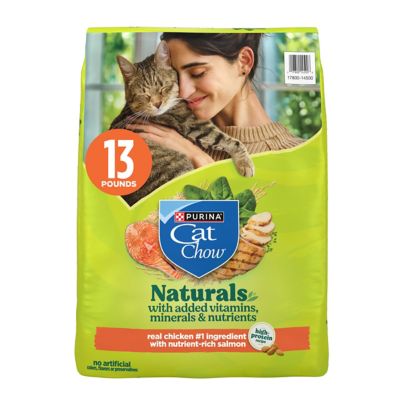
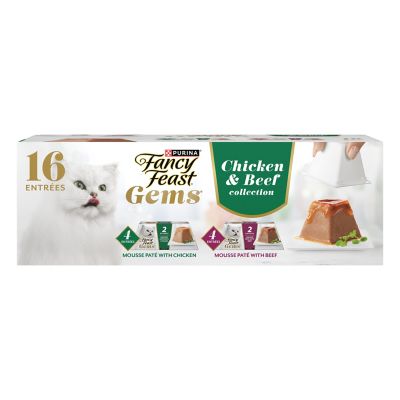
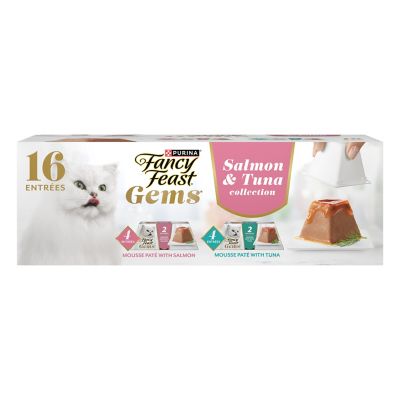
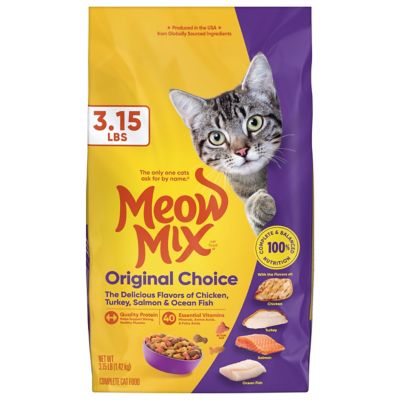
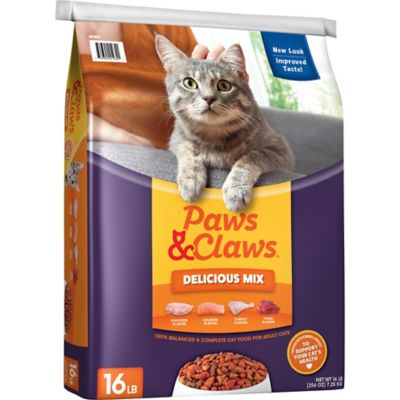
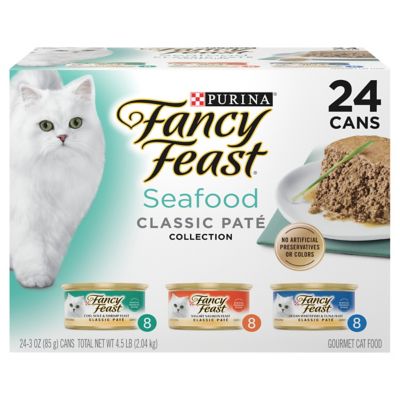
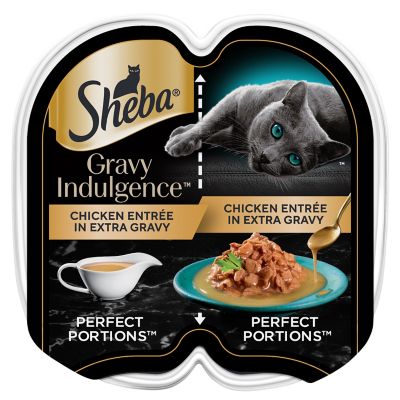
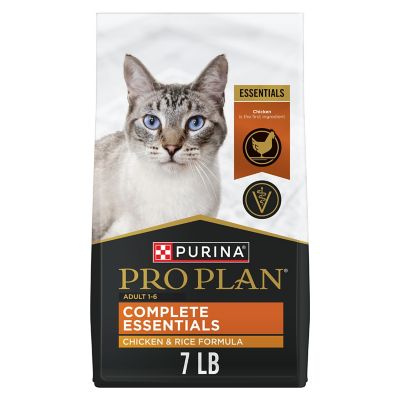
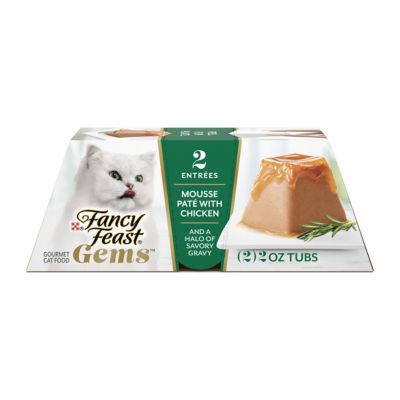
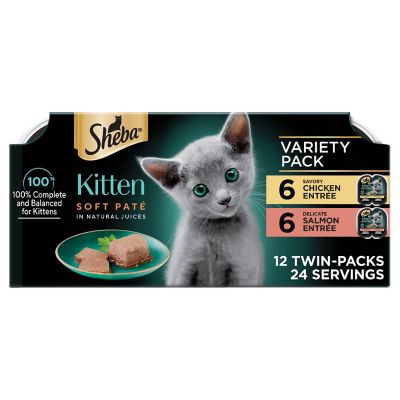
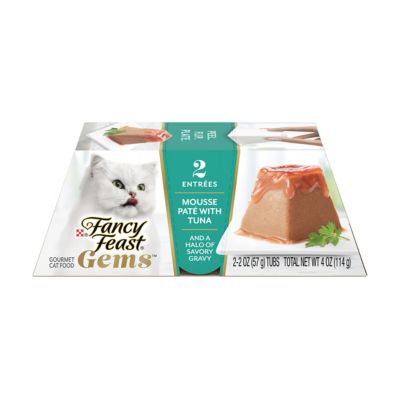
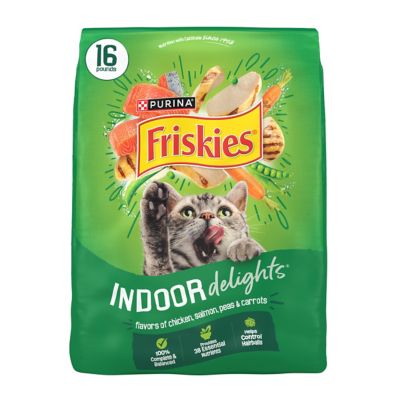
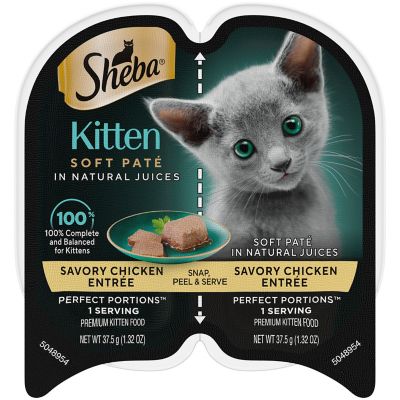
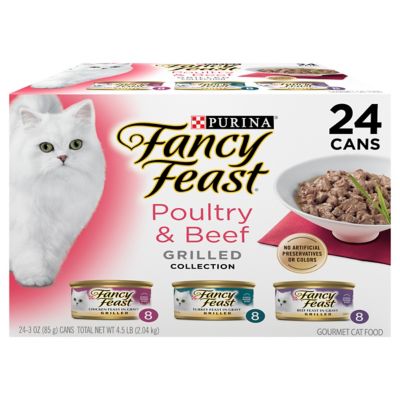
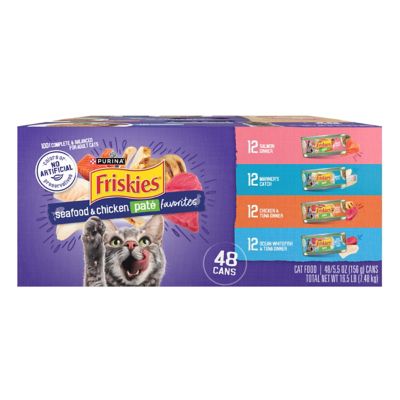
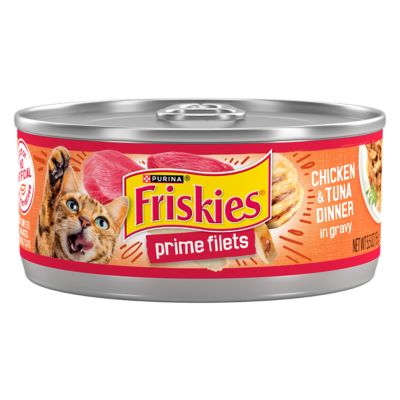
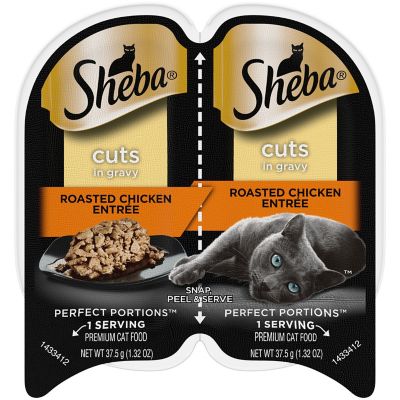
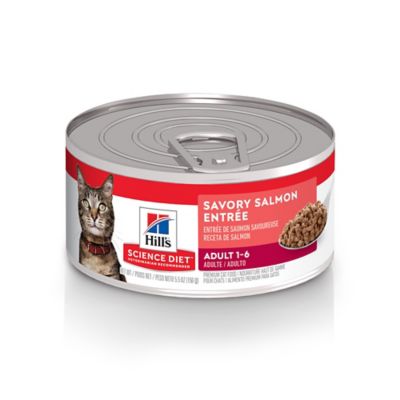
Finding foods for picky cats can take a little patience, especially when a cat has decided that one particular texture, smell or serving routine is the only acceptable choice. Some cats turn away from a bowl as soon as they see pâté, while others reject dry kibble but show interest in shredded meat or fish in gravy. A cat that has always been selective may simply have strong sensory preferences, but a sudden change in appetite deserves closer attention. Dental discomfort, stomach trouble, stress, changes in the home and other health concerns can all affect eating habits, so contact a veterinarian if your cat refuses food, loses weight, vomits, has diarrhea, seems unusually tired or goes without eating for an extended period. For healthy cats with a history of being particular, shopping for a variety of carefully made options can help you identify what works. Look for complete and balanced food suited to your cat’s life stage, with an animal-based protein source near the beginning of the ingredient list. Chicken, turkey, beef, duck and fish may each appeal to different cats, and a strong natural aroma can make a meal more inviting. Wet food usually has more moisture and may offer a softer mouthfeel, while dry food provides a crunchy texture that some cats prefer. It is also common for a cat to enjoy one texture at breakfast and a different one later in the day. Having several suitable choices on hand can be useful during the cooler months, when indoor routines change and cats may become less active or more interested in familiar comforts.
Texture and aroma often matter just as much as flavor. Smooth pâté can be easy for some cats to lap up, while shredded pieces, tender morsels or food in gravy may give another cat the variety needed to finish a meal. Cats rely heavily on scent, and food served straight from the refrigerator may smell less appealing than food brought closer to room temperature. Wet food can be gently warmed for a few seconds, then stirred and checked carefully before serving, since hot spots can develop in a microwave. A clean, shallow dish may help whiskers stay clear of the sides, and a quiet feeding spot away from litter boxes, noisy appliances and busy foot traffic can make mealtime feel safer. Small portions are often more successful than a large serving that sits untouched, particularly for cats that like fresh food. Keep unopened foods stored according to the package directions, refrigerate leftovers promptly and wash bowls regularly to keep old odors from putting off a sensitive eater. If you are changing from one food to another, make the switch gradually over about seven to 10 days by mixing a small amount of the new food with the familiar food and increasing it little by little. This gives your cat time to adjust to the new taste and texture while reducing the chance of digestive upset. Avoid constantly replacing a meal after a few bites or offering a long line of treats, because a clever cat may learn to hold out for a favorite snack. Instead, keep portions measured, feed on a steady schedule and watch which recipes, textures and serving methods lead to a comfortable, consistent appetite. Fresh water should always be available, and cats eating mostly dry food may benefit from extra attention to water intake.
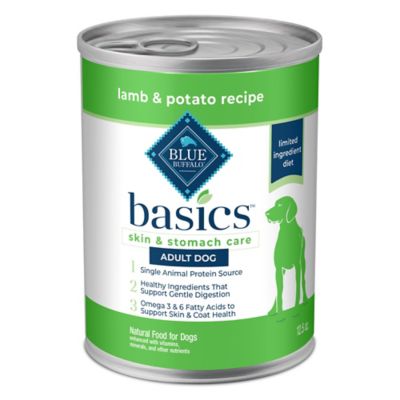
Foods for picky cats can be a practical choice for households with kittens growing into adulthood, older cats with changing preferences or newly adopted cats settling into an unfamiliar home. They may also make a thoughtful gift for someone bringing home a rescue cat, caring for a senior companion or preparing for a new pet, especially when paired with food and water bowls, storage containers or other everyday supplies. Choose food that matches the cat’s age and any dietary needs recommended by a veterinarian rather than buying solely for an appealing picture or bold flavor name. Multi-texture variety can be helpful, but abrupt rotation between many foods is not ideal for every stomach, so keep notes on what your cat eats willingly and how they respond afterward. During warmer weather, smaller servings can help prevent leftovers from sitting out, while comfortable indoor routines and familiar foods can be reassuring as the seasons change. Households with both cats and dogs should keep each pet’s food separate; a dog’s nutritional needs are different, and selective dogs may need their own tailored choices, such as the options found in
Dog Food For Picky Eaters. The best choice for a finicky cat is one they will eat consistently, that provides appropriate nutrition and that fits comfortably into your feeding routine. With a little observation, a clean serving setup and a sensible rotation of appealing textures, even a cat known for sniffing, pausing and walking away may settle into meals that feel familiar and satisfying.