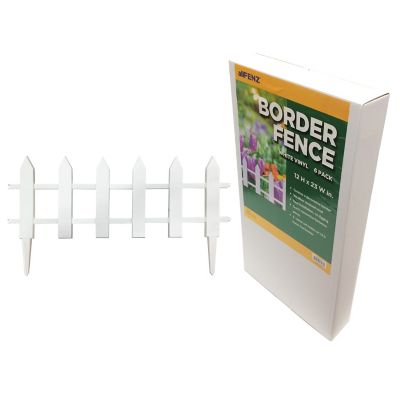
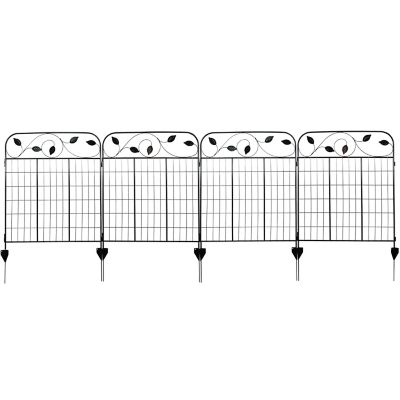
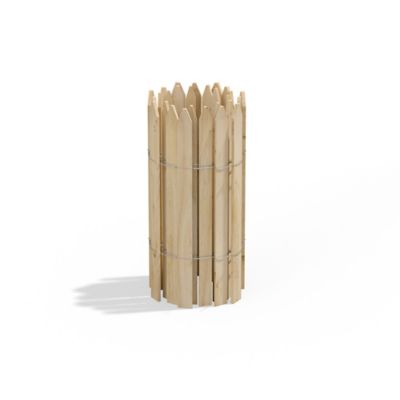
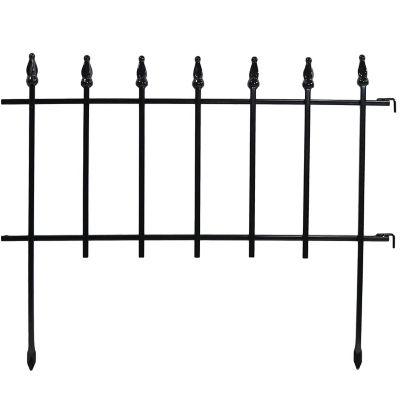
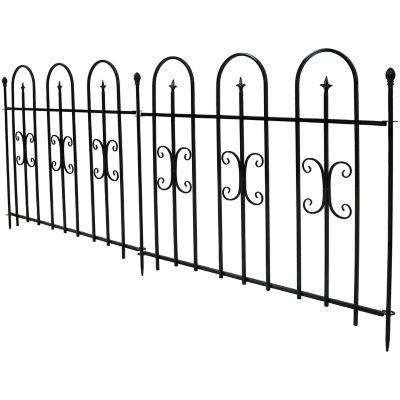
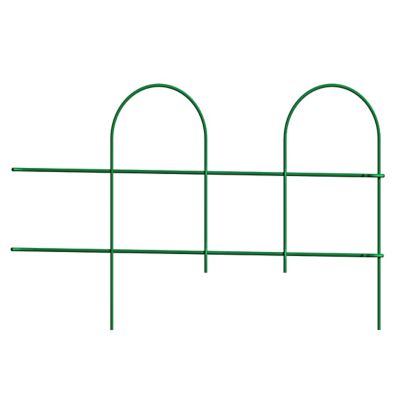
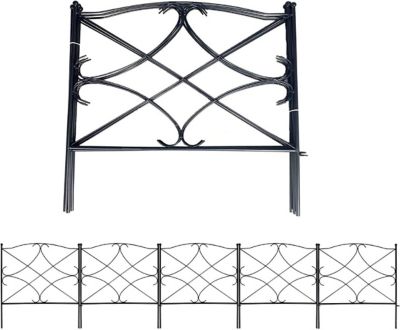
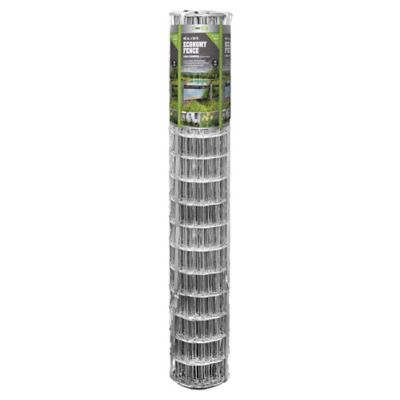
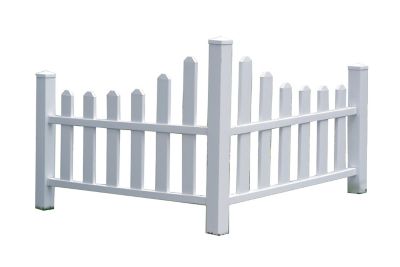
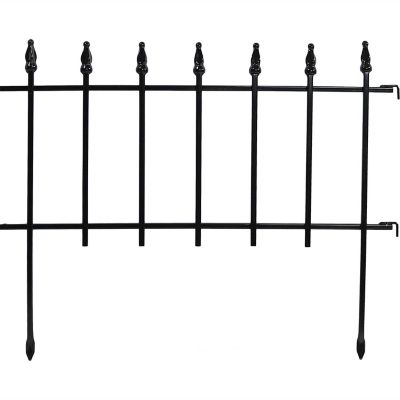
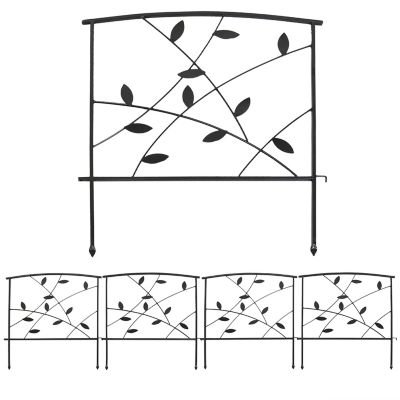
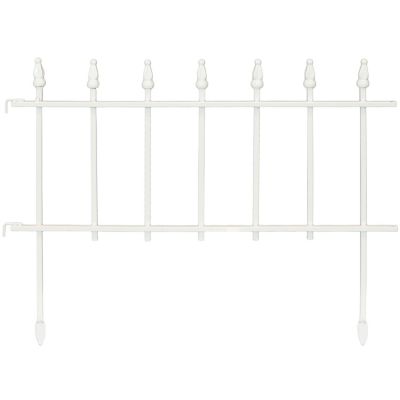
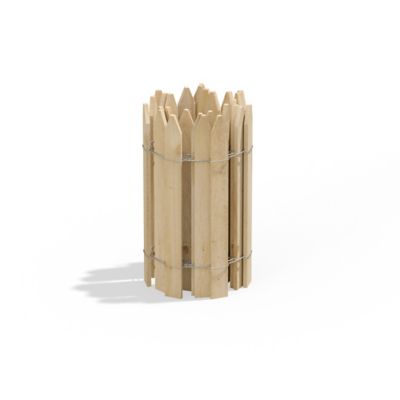
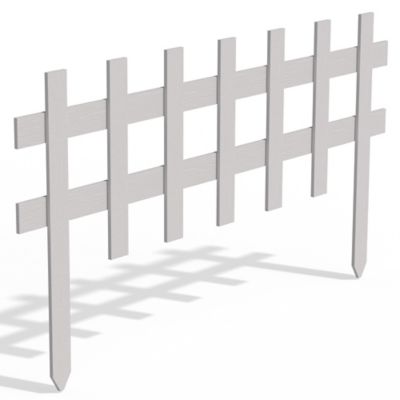
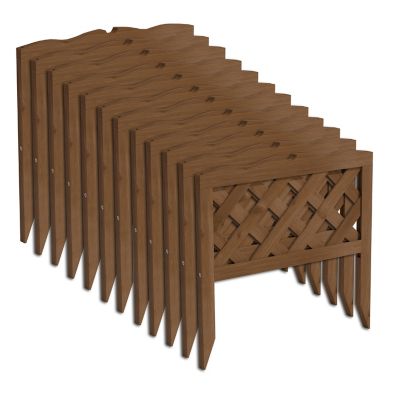
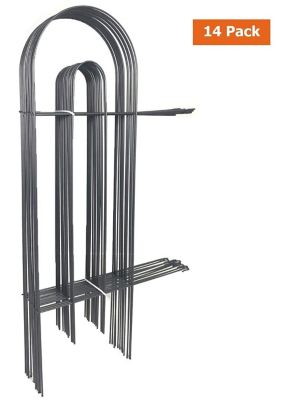
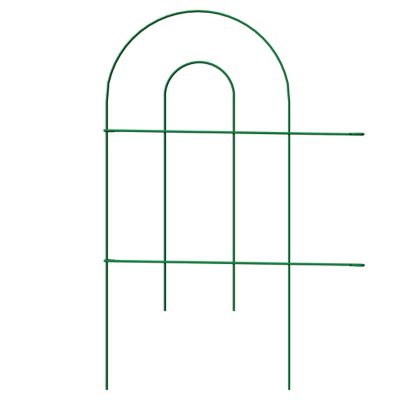
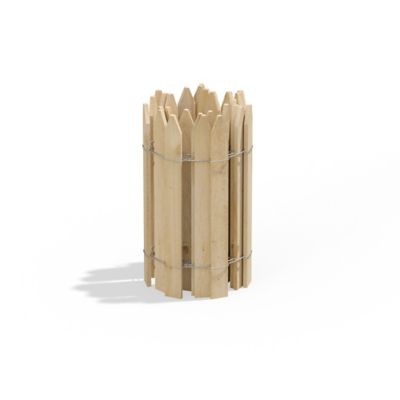
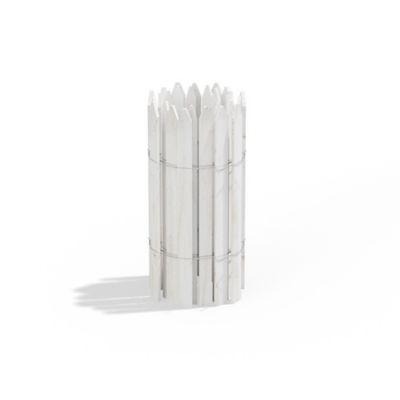
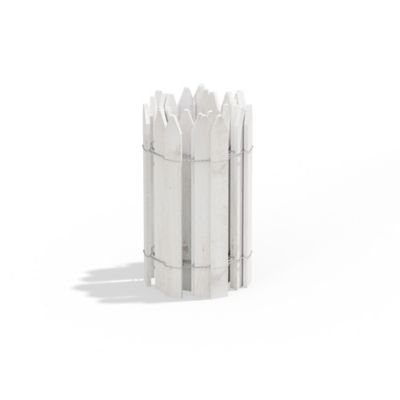
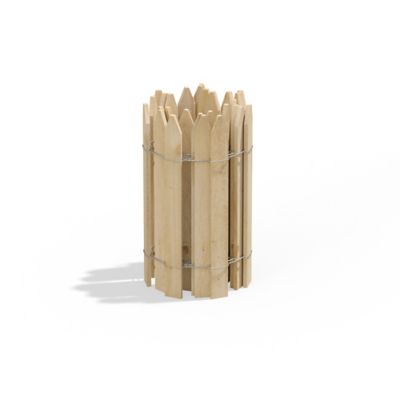
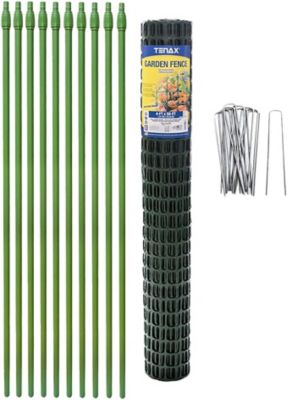
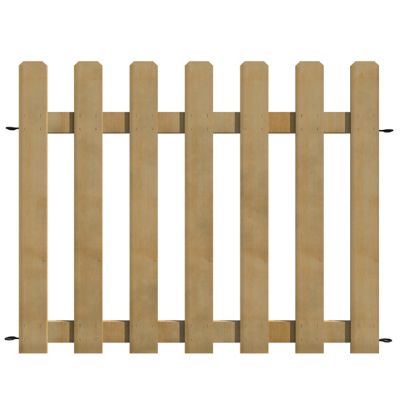
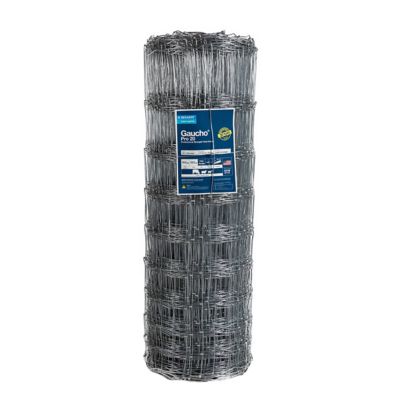
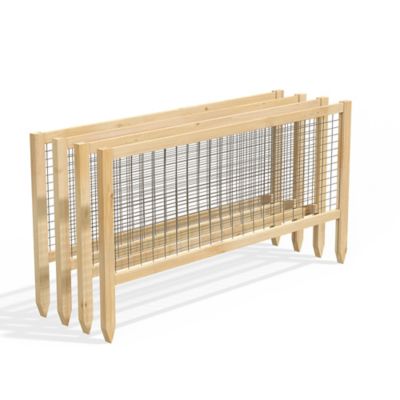
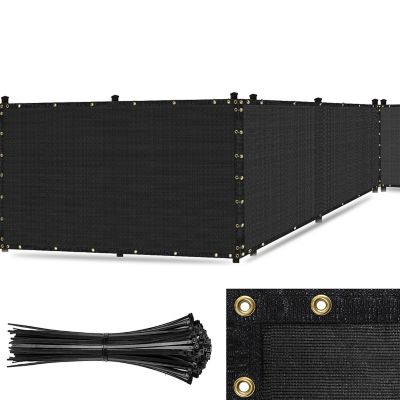
Flower fences are low borders that outline flower beds, separate planted areas from paths and give blooms a tidy frame without hiding them from view. The term can also describe taller fencing that supports flowering vines, but bed borders and plant supports serve different jobs. A short border marks where the lawn ends and the flowers begin, while a taller structure gives climbing plants room to grow upward. Around a front porch, along a gravel walk or beside a vegetable patch, the right fence can make a planted space feel more settled and easier to navigate. Open picket shapes, simple arches and narrow wire patterns let leaves and blossoms show through, keeping the plants at the center of the scene. Height makes a big difference in that balance: a low edge suits compact flowers near a walkway, while taller panels can frame a deeper bed without disappearing behind the foliage. Gardeners tending a small yard, folks caring for a farmhouse entry and anyone planting around a patio may appreciate a clear boundary that does not take over the space. These borders can also help people recognize newly planted areas before the flowers have filled in. A fence beside a frequently traveled path offers a visible reminder to keep boots, wagon wheels and foot traffic outside the bed, although a light border is not a protective barrier against heavy equipment. Flower fencing works best when its purpose is clear from the start. Framing a patch of marigolds takes a different height and structure than supporting a climbing rose or discouraging a curious pet. For a broader look at boundaries around planted spaces,
Fences for Gardens covers the larger garden-fencing category. Within a flower bed, the goal is often simpler: an edge that follows the planting, leaves room for everyday chores and looks at home beside the house, barn or backyard gathering spot.
Material, panel shape and the way sections connect all affect how a flower fence fits that job. Metal borders offer a slender profile, with wire or bar construction that can leave plenty of open space around plants. Steel generally depends on an intact protective finish to help resist rust, so scratches, joints and areas near the soil deserve attention during routine care. Aluminum does not develop red rust, though its strength still depends on the construction and thickness of the fence. Plastic and resin borders are generally lightweight and do not rust, making them worth considering where easy handling matters. Their resistance to cracking, fading or bending varies by material and design; a thick-looking panel is not necessarily suited to holding back soil or supporting a vine. Wood brings a natural texture that pairs easily with gravel paths, porch steps and planted beds. Its service life depends in part on the wood species, treatment, finish and whether the material is intended for contact with the ground. Woven willow or similar plant-based fencing offers a softer, more textured appearance, but it should not be expected to perform like a rigid metal barrier. Across materials, secure connections and suitable anchoring matter as much as appearance. Loose joints can leave uneven gaps, and shallow stakes may not hold a taller panel steady. Some short borders have integrated stakes that press into workable soil, while other designs call for separate posts, connectors or additional fastening. Rocky or compacted ground can make stake placement harder, so installation requirements are worth checking before settling on a style. Care should match the material rather than follow a single routine for every fence. Clearing packed soil and tangled stems from connections, checking for sharp edges and following finish-care directions can help a border stay neat and sound. Painted or coated metal may need attention where the finish is damaged, while wood may call for periodic surface care. Access matters here, too: a fence that leaves enough room to reach weeds and fallen leaves is easier to keep tidy.
Fit goes beyond the length printed for a panel. A flower fence needs to follow the actual outline of the bed, including corners, curves and any opening needed for access. Straight sections tend to suit rectangular beds and long walks, while hinged or flexible connections may work better around rounded plantings, depending on how far the sections can turn. Installed height is another important detail because a measurement that includes the ground stakes can differ from the height visible above the soil. Spacing between pickets or wires affects both the look and the job the fence can handle. Wide openings keep a bed airy and visible, but they do little to block small animals. Even closely spaced low fencing should not be treated as dependable containment for pets or a complete answer to rabbits, digging animals or deer. Animal exclusion calls for fencing matched to the animal, with suitable height, opening size, anchoring and attention to gaps underneath. For an everyday flower border, comfortable access may matter more than blocking entry. A removable section or planned opening can make room for a kneeling gardener, a watering can or a wheelbarrow without repeated steps over the fence. Space between the border and the flowers also gives stems room to spread without rubbing against sharp ends or becoming tangled around connections. Where flowering vines are part of the plan, the fence must suit the mature plant rather than just its size at planting. Clematis climbs with leaf stalks that need slender supports to grasp, while climbing roses generally need their canes tied to a suitable structure. A small push-in bed border is not a substitute for an anchored trellis or fence built to carry that growth. Likewise, most open flower borders are not retaining walls and should not bear the weight of a raised bed. For a gardener receiving fencing as a gift, knowing the bed measurements, preferred material and intended purpose makes the choice more practical. A well-matched border leaves the flowers in view and enough room for the hands-on work that keeps a garden looking cared for.