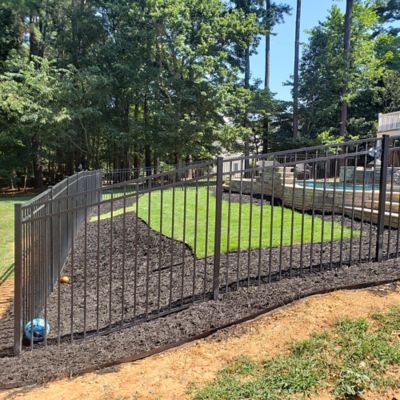
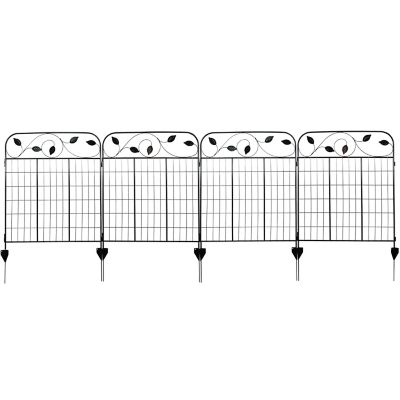
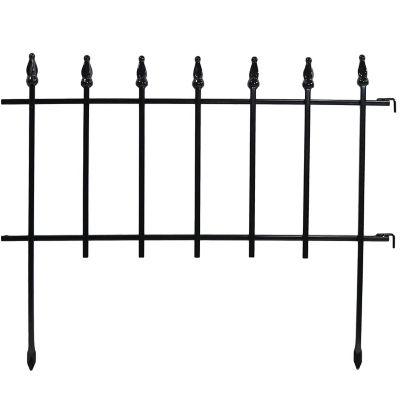
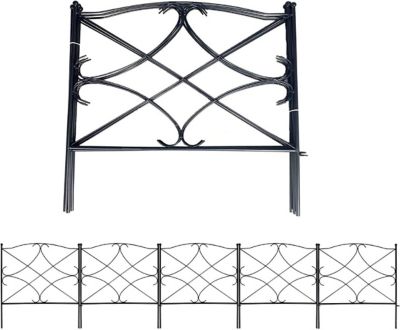
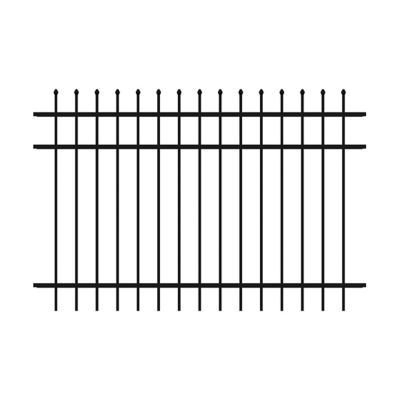
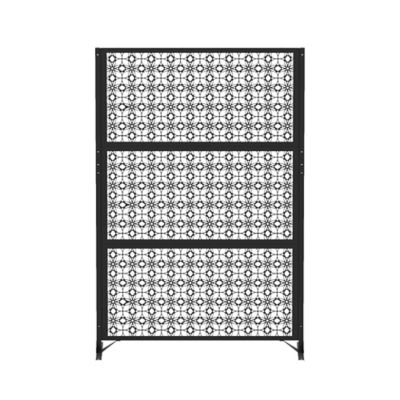
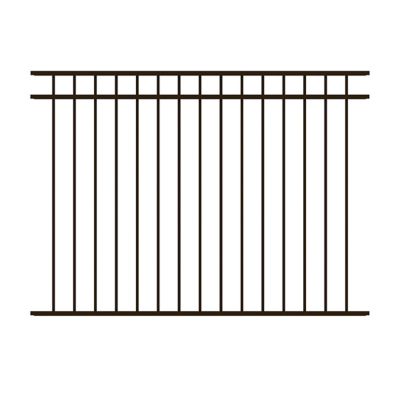
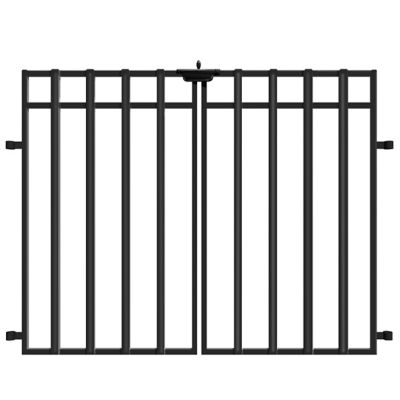
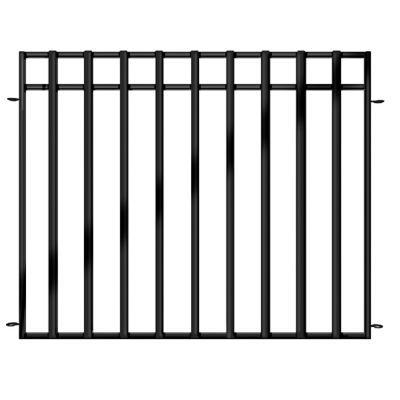
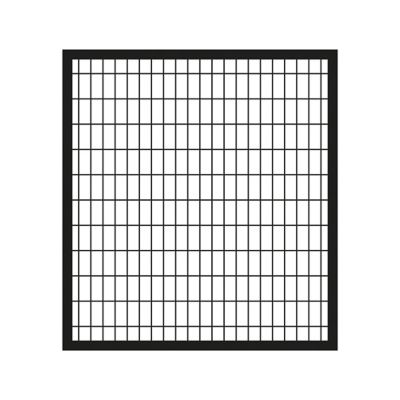
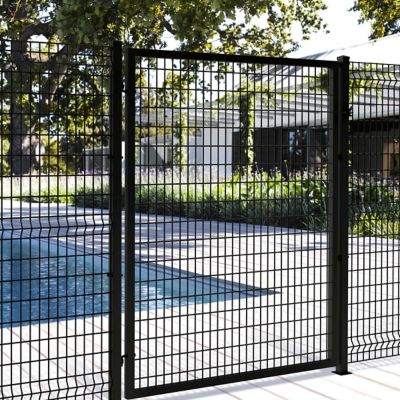
Ornamental fences bring a finished, welcoming look to a property while adding a dependable boundary around gardens, walkways, yards and outdoor living areas. With their open picket design, these fences help define a space without blocking the view, making them a natural fit for country homes, suburban yards, rental properties, farms and businesses. They can frame a front garden, keep foot traffic off fresh landscaping, mark a driveway entrance or add a polished edge around a porch. Many ornamental fence styles are made from powder-coated aluminum or galvanized steel, offering the classic appearance of wrought iron with less day-to-day upkeep. These materials stand up well to sun, rain and changing temperatures, and a durable finish helps protect against rust, peeling and corrosion. For homeowners who like the look of natural materials, ornamental metal can also complement nearby wood features, including
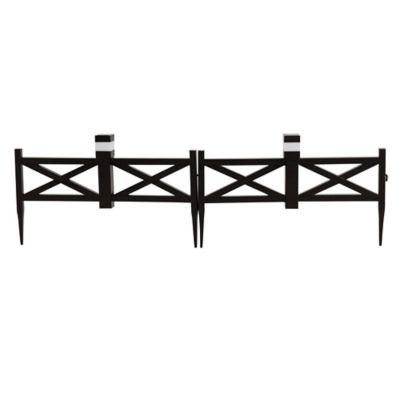
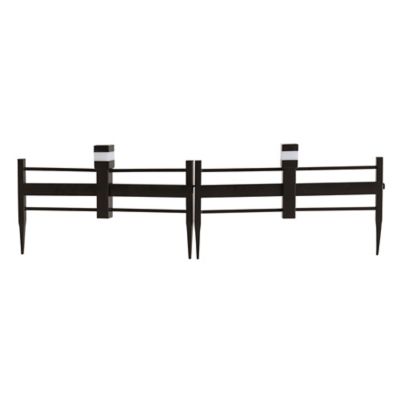
Wooden Fences, raised beds, barns and split-rail boundaries. Choose a finish and design that suits the surrounding buildings, whether that means a simple black fence with clean lines, a decorative pattern that echoes older architecture or a low-profile border that lets flowers and shrubs take center stage. During the cooler months, an ornamental fence can be especially useful for giving dormant beds and bare borders a crisp outline, while its open construction keeps the landscape from feeling closed in.
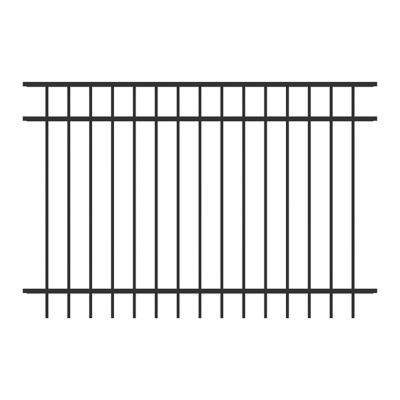
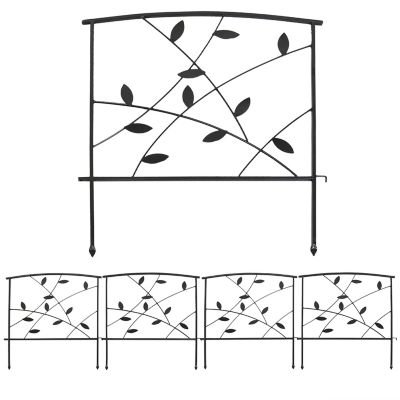
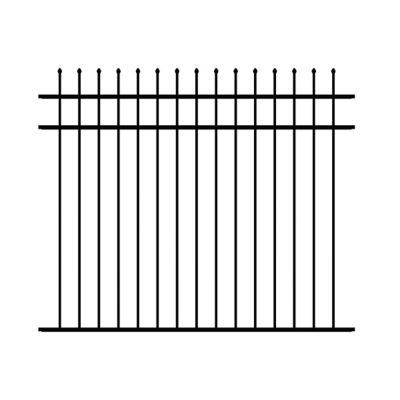
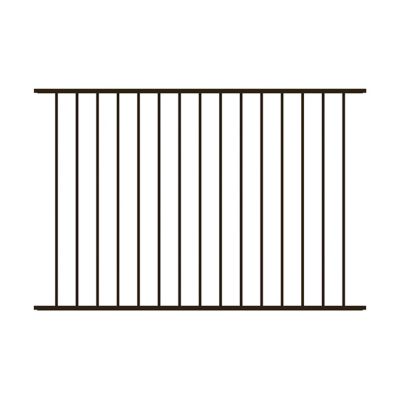
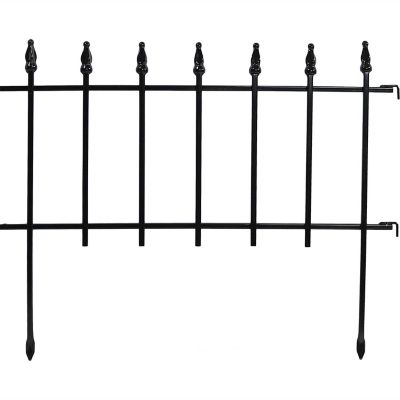
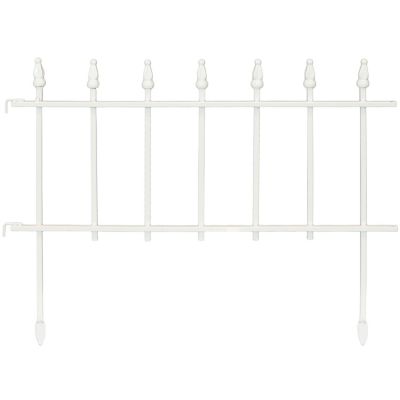
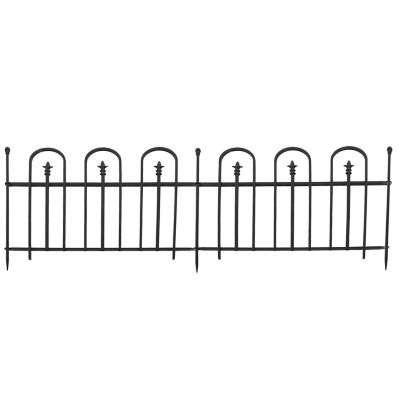
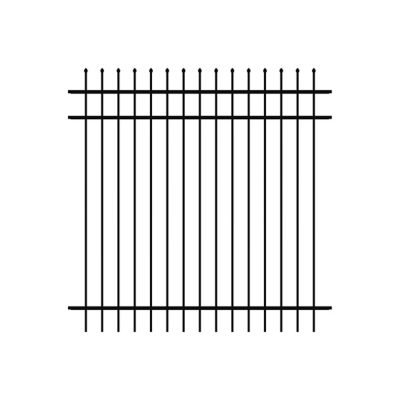
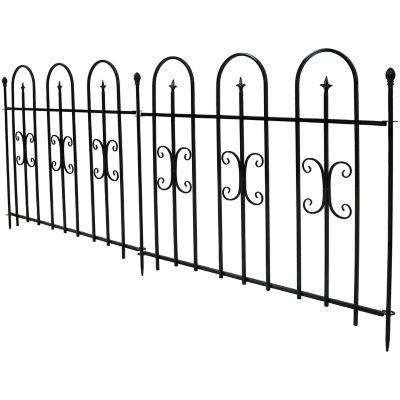
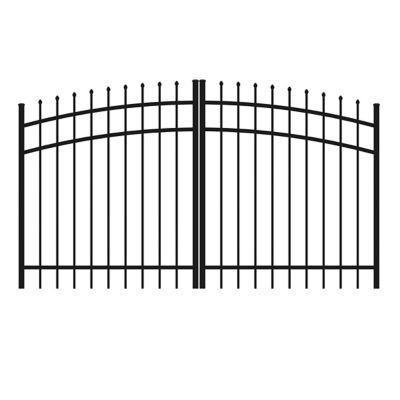
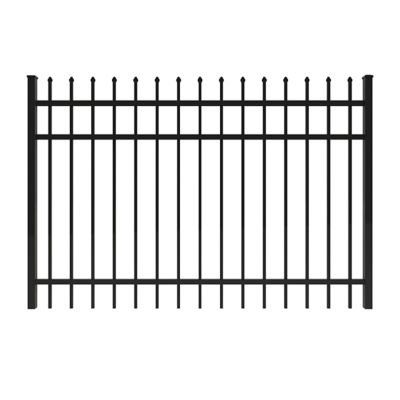
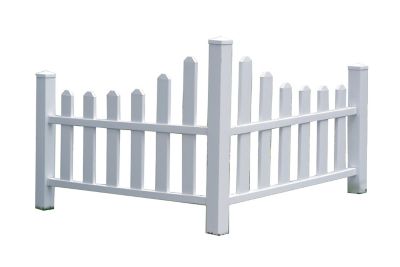
The right ornamental fence depends on the job it needs to do. Short panels, often around 3 to 4 feet tall, are commonly used for decorative property borders, garden enclosures and front-yard landscaping where visibility matters. Taller sections provide a stronger boundary for larger properties, driveways and areas that need more separation, while matching gates can create a consistent entrance for people, equipment or vehicles. Flat-top designs have a smooth, straightforward appearance and work well around family yards, patios and modern homes. Spear-top or pressed-point pickets offer a more traditional style, with pickets extending above the top rail; blunted points may be a better choice where children regularly play or where a softer appearance is preferred. Decorative accents such as scrollwork, rings, finials and additional rails can give a fence an estate-inspired look, though simpler profiles are often easier to blend with existing landscaping. Pet owners should pay close attention to picket spacing and the height of the lower rails. Tighter spacing, sometimes called puppy pickets, helps keep small dogs and other pets from squeezing through the bottom of the fence. A fence designed for animal containment should also be checked for gaps beneath the panels, uneven ground and nearby objects that could help an agile pet climb. For pools, the fence must be selected and installed with local safety requirements in mind; many areas call for a minimum height of 48 inches, self-closing and self-latching gates, and openings smaller than 4 inches, but rules vary by location. Always check local building and pool codes before purchasing materials, and keep gates, latches and access points in mind from the beginning rather than treating them as an afterthought.
Before ordering an ornamental fence, measure the full run and sketch the layout, including corners, slopes, gates, driveways and any changes in direction. A long, straight stretch may need different planning than a garden with several turns, and sloped ground can affect how panels meet from one post to the next. Confirm the fence height, panel width, picket spacing, post size and mounting method, then make sure the ground is suitable for setting posts securely. Some systems are suited to smaller do-it-yourself projects, while extensive property lines, steep grades, pool perimeters and heavy gates may be better handled by an experienced installer. Underground utility lines, drainage, frost depth and local setback requirements can all affect placement, particularly around driveways or older homes. In areas with hard winters, proper post setting and corrosion-resistant hardware are important for keeping the fence steady through frozen ground, snow and thawing conditions. Ornamental fencing is also a thoughtful housewarming gift for someone settling into a new home, especially when paired with garden planning, landscaping or outdoor improvement projects, though the best choice depends on the recipient’s property measurements and local rules. As the weather shifts from mild afternoons to colder nights, inspect existing fences for loose fasteners, damaged coating, leaning posts and debris collecting around the bottom rail. A quick rinse, gentle cleaning and prompt touch-up of small scratches can help preserve the finish. With the right height, spacing, material and layout, ornamental fences add curb appeal and practical structure without overwhelming the character of the property.