Electric floor heaters bring warmth up from beneath your feet, making cold tile, laminate or other compatible flooring more comfortable during the cooler months. Unlike a forced-air system that warms a room by blowing air, an electric radiant floor system uses thin heating wires, mats or film installed below the finished floor. Once powered on, the heating element warms the floor surface, and that heat rises gently through the room. There are no loud blower fans and less air movement to stir up dust, which can make radiant heat feel especially pleasant in bathrooms, kitchens, entryways, mudrooms, bedrooms and finished basements. A wall-mounted thermostat typically controls the temperature, letting you set a comfortable level and adjust it as the weather changes. Electric floor heaters can serve as a cozy supplemental heat source in a chilly room or, when properly sized and installed, part of a room’s overall heating plan. They are also handy in homes where a cold floor is the main complaint. Picture stepping out of the shower onto comfortably warm tile, or coming in from feeding animals and leaving muddy boots by a floor that takes the edge off the chill. These systems are generally a practical choice for homeowners remodeling a room, building a new space or adding comfort to an area that stays colder than the rest of the house. They may also appeal to landlords, cabin owners, workshop users and anyone planning a thoughtful housewarming gift for someone tackling a bathroom or flooring project, though installation planning is an important part of the purchase.
Choosing the right electric floor heater starts with the room, the flooring and the amount of floor you actually plan to heat. Measure the open, usable floor area rather than the entire room, leaving out cabinets, vanities, tubs, toilets, built-ins and other areas that will not receive heating elements. Coverage is commonly listed in square feet, and selecting a system that is too small may leave cold spots or provide less warmth than expected. Floor heating kits may come as mesh mats, rolls or loose-wire systems, while film-style systems are made for certain floating floors such as compatible laminate or vinyl. Mats and rolls are often used beneath tile and other approved surfaces, but each flooring material has its own temperature limits, underlayment requirements and installation rules. Check that the system is designed for the specific flooring type before placing it in your cart. The room’s electrical supply matters, too. Many residential systems use 120 volts, while larger heated areas may call for a 240-volt setup to deliver the needed output efficiently. The correct voltage is determined by the heater, the available circuit and the size of the installation, so avoid assuming that a higher-voltage option is automatically better for every room. A thermostat should be compatible with the heater and sized for the electrical load; programmable models can help warm the floor when the room is in use without running it unnecessarily. Look for details such as included floor sensors, thermostat compatibility, coverage area, wattage, maximum floor temperature and approved installation locations. If you are comparing systems for a bathroom, kitchen or basement, also pay close attention to moisture protection and ground-fault circuit-interrupter requirements. A floor heater is not a substitute for repairing drafts, improving insulation or addressing a failing furnace, and it should not be covered by rugs or furnishings unless the installation instructions specifically allow it.
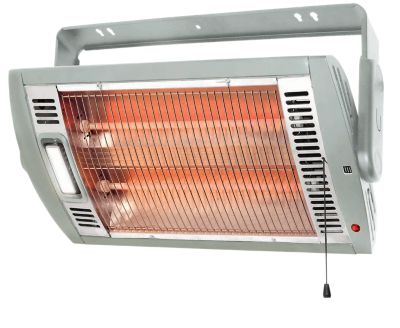
Installation deserves careful planning because the heating wires and electrical connections are built into a finished floor where repairs can be difficult. Lay out the mat, roll or wire pattern before securing anything, and keep heating elements away from areas where cabinets, walls or fixtures will be permanently installed. Do not cut, cross, overlap or sharply bend the heating wire unless the manufacturer’s instructions specifically permit a particular adjustment. With many mesh products, the mesh can be cut and turned to fit the layout, but the heating cable itself must remain intact. Never cut the actual heating wires to make a system fit. Follow the supplied instructions for subfloor preparation, insulation, spacing, sensor placement, adhesive, mortar, leveling material and flooring installation. Electrical work, including connecting the system to the circuit, thermostat and required ground-fault protection, should be completed or inspected by a qualified electrician. Local electrical codes and permit requirements may apply, especially in wet locations. Test the system at the stages recommended by the instructions and keep the resistance readings for your records before the floor is covered. Once installed, give the flooring materials and setting compounds the full recommended curing time before turning on the heat; switching it on too soon can damage the installation. For spaces that need heat from above rather than below, Tractor Supply also offers
Ceiling Heaters as another way to add comfort. With the right coverage, compatible flooring, dependable thermostat and professional electrical hookup, electric floor heaters can make hard-working rooms feel warmer and more inviting every time you walk across them.