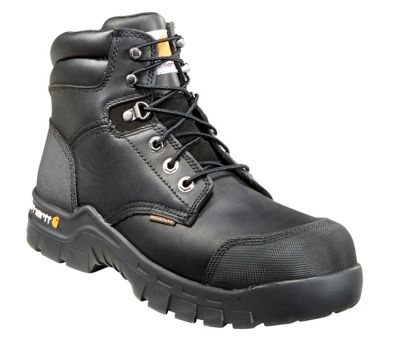
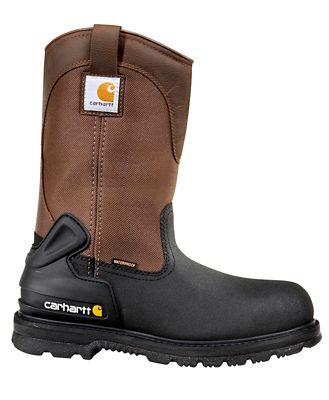
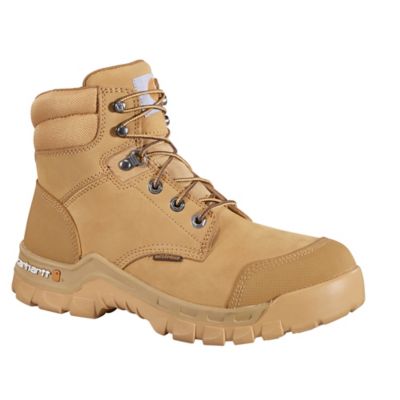
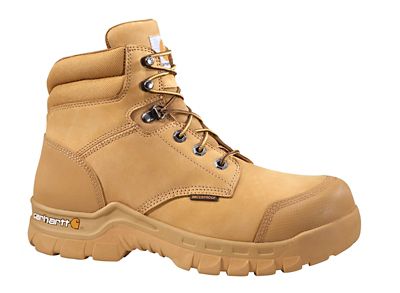
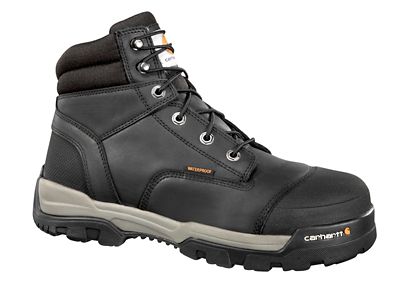
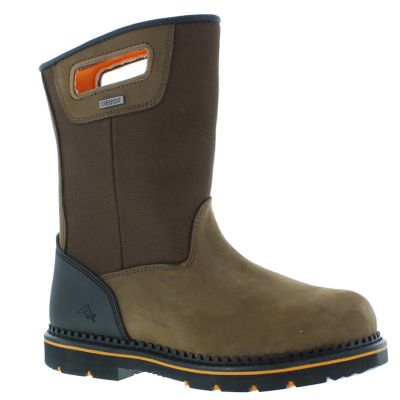
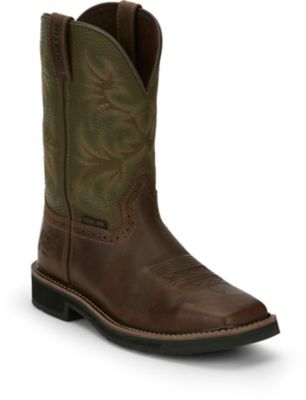
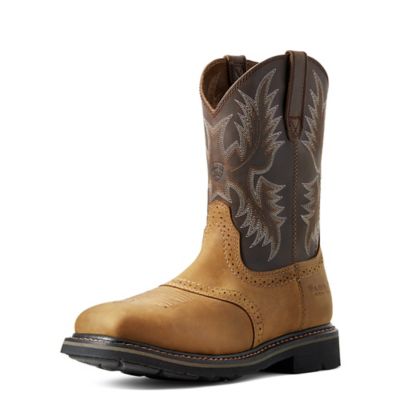
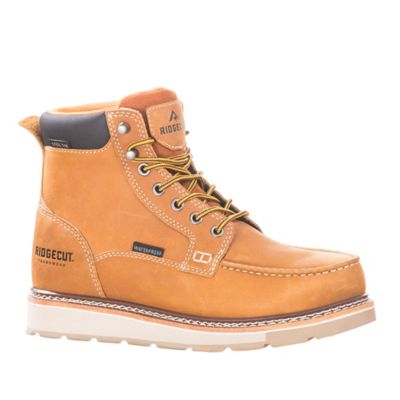
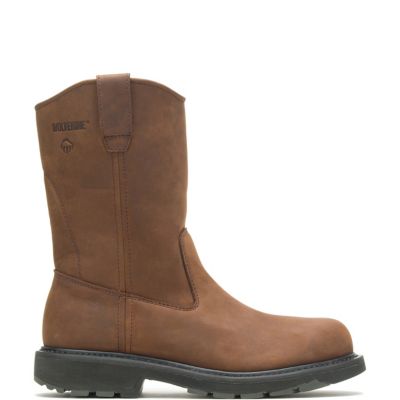
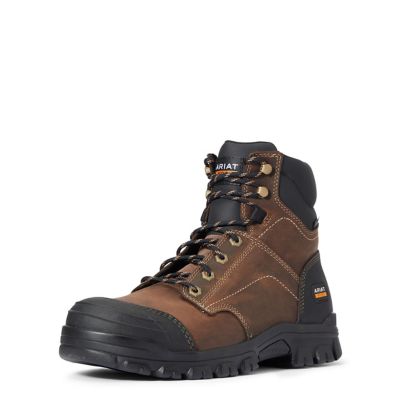
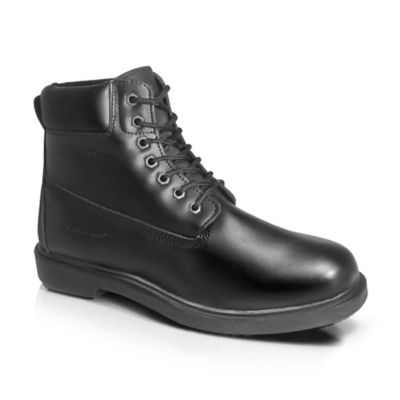
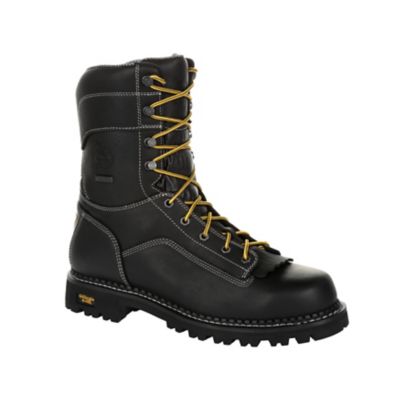
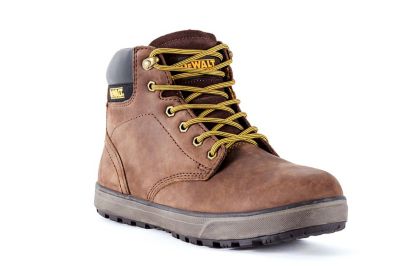
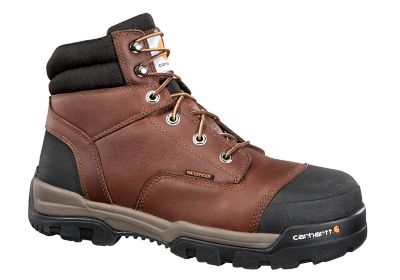
Flexible work boots are made for people who spend the day moving instead of standing in one spot. On a farm, ranch, jobsite, warehouse floor, or property with a long list of chores, every step adds up. A boot that bends with the foot can make it easier to climb into a truck, kneel beside a fence post, walk across uneven ground, or move between jobs without the stiff, heavy feel of traditional work footwear. Many flexible work boots borrow ideas from athletic shoes, using cemented or Strobel-style construction, cushioned midsoles, and lighter materials that allow the boot to flex more naturally. Soft leather, textile panels, and stretch-friendly sections may help the upper move with the ankle, while EVA or polyurethane cushioning helps take some of the sting out of hard floors and packed gravel. Wedge soles and other flatter outsole designs can also bend evenly and provide steady surface contact. These features are especially handy for workers who spend hours on their feet, make frequent trips across a property, or switch between driving, lifting, climbing, and hands-on tasks throughout the day. Flexible does not mean flimsy, though. A well-built work boot should still offer dependable traction, a supportive fit, and construction suited to the demands of the job. Look for an outsole with a tread pattern that matches the ground you work on, whether that means smooth concrete, muddy lanes, loose soil, wet grass, or rough boards. A boot with a flexible forefoot and a stable heel can give you freedom of movement without letting your foot slide around inside.
Choosing the right flexible work boots starts with the conditions you face most often. For jobs involving lumber, tools, livestock equipment, or heavy materials, a safety toe may be worth considering. Steel toes provide familiar protection and are often chosen for demanding work, while composite toes can offer a lighter feel and do not conduct cold as readily as metal. Whichever style you choose, check that the boot carries the safety rating required for your workplace and that the toe area leaves enough room for your toes to spread naturally. A boot that is too short or narrow can become uncomfortable long before the workday is over. Pay attention to the heel hold, arch support, tongue, and collar as well. Your heel should stay in place without rubbing, and the ankle should feel supported without being pinched. If wet grass, rain, puddles, or muddy ground are part of the routine, sealed construction and water-resistant materials can help keep feet drier. For another option, browse
Soft Toe Waterproof Work Boots when toe protection is not required but weather coverage still matters. Insulation can be useful during the cooler months, while breathable linings and moisture-managing socks can make a lighter flexible boot more comfortable as the weather warms. It is also smart to leave a little room for work socks, especially if you move between indoor and outdoor spaces. Try boots on later in the day, when feet are naturally a bit larger, and walk on a clean surface to check flex, balance, and pressure points before wearing them on the job.
Flexible work boots can be a practical gift for a farmer, mechanic, landscaper, builder, delivery driver, warehouse worker, or anyone who regularly wears through ordinary footwear. They are also a thoughtful choice for someone starting a new trade, heading back to outdoor work, or tackling a season of repairs and projects around the homestead. A good pair should feel ready for real life: stepping through damp pasture first thing in the morning, hauling feed across the yard, kneeling to repair a gate, or walking a concrete aisle until the last task is finished. To get the most wear from flexible work boots, match the boot to the job rather than choosing by appearance alone. Brush off dirt after muddy work, allow wet boots to dry away from direct heat, and replace worn insoles when cushioning starts to flatten. Check the outsole for smooth spots, cracks, or uneven wear, and inspect stitching and eyelets from time to time. Clean leather according to its care instructions and use a suitable conditioner when needed; harsh heat and improvised treatments can shorten the life of the materials. The right pair should bend where your foot bends, stay secure through each stride, and give you enough grip and protection for the ground underfoot. With the right fit and features, flexible work boots can help reduce break-in time, ease foot fatigue, and keep everyday work moving from the first chore to the last.