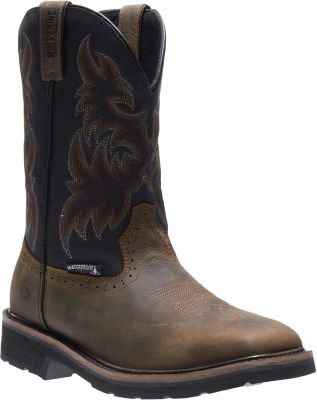
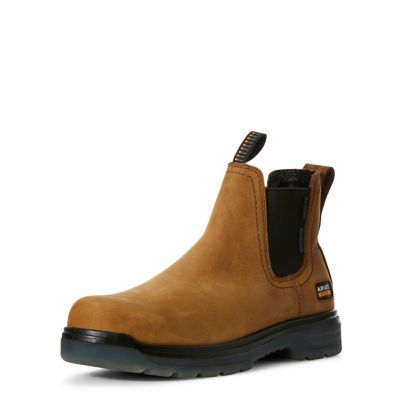
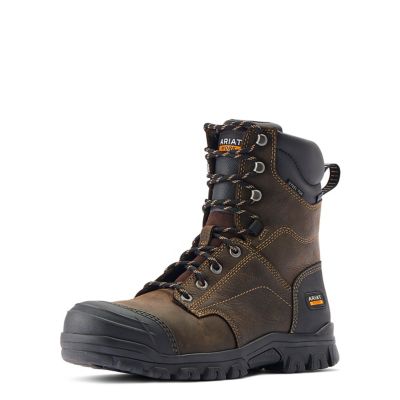
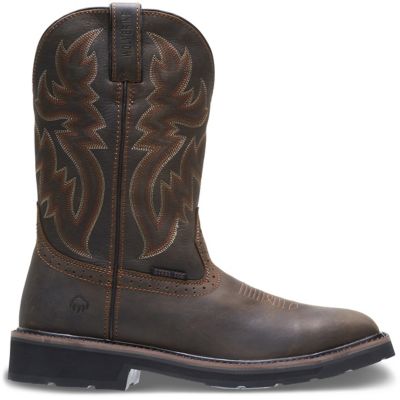
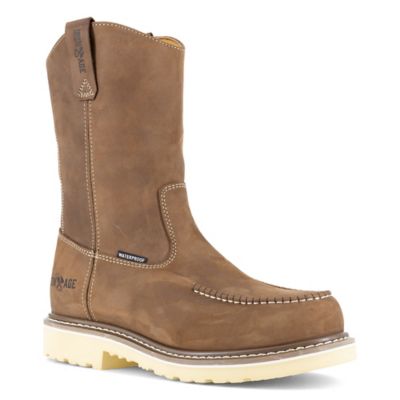
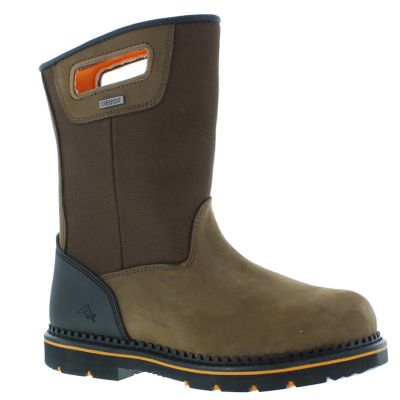
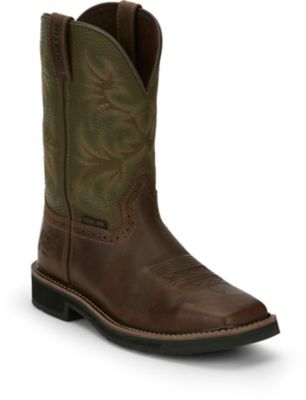
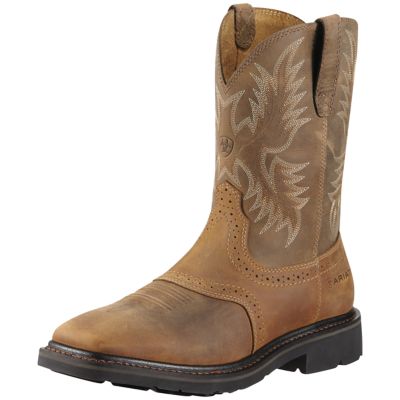
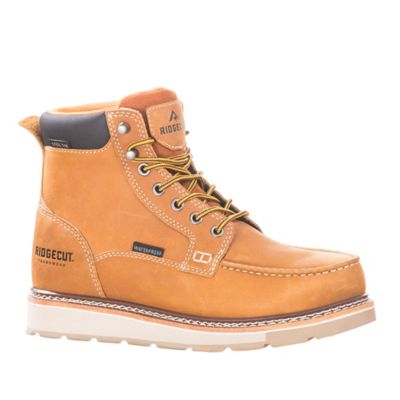
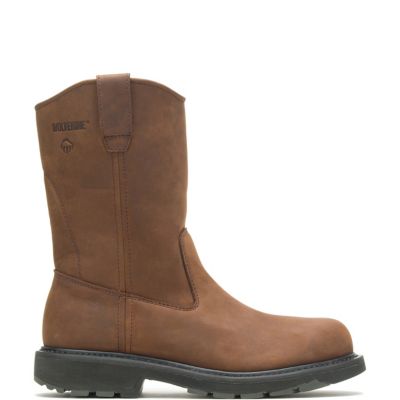
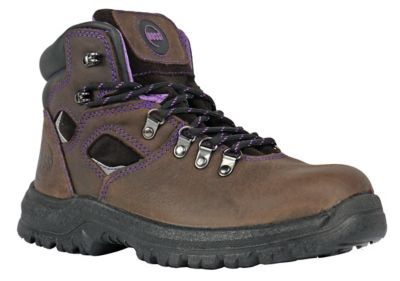
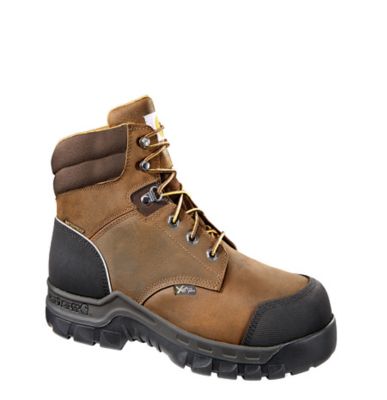
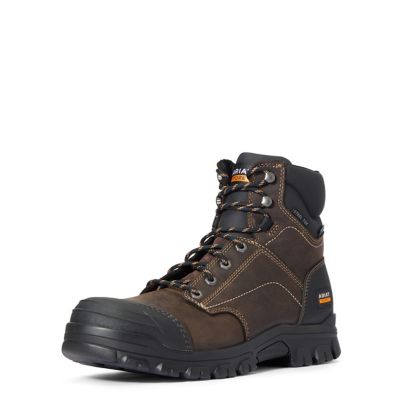
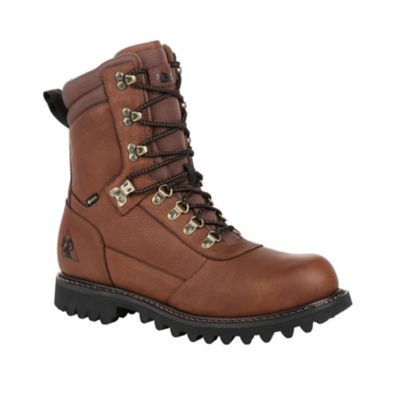
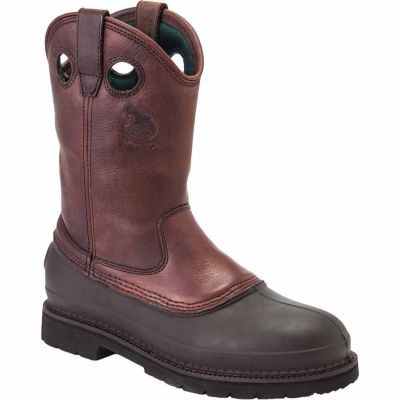
Waterproof steel toe boots bring together two features that matter when a workday includes wet ground and heavy equipment: a barrier against outside moisture and a reinforced toe built to help protect against impact and compression. That combination makes sense for farm chores, construction work, landscaping, and other jobs where puddles and dropped materials can be part of the same day. Walking across a muddy equipment yard, hauling feed through a damp barn aisle, or working beside a water trough calls for footwear that does more than cover your feet. Leather uppers are common in this category, with full-grain leather offering a substantial feel that softens with wear. Some designs combine leather with textile panels to allow more flexibility, while waterproof membranes or sealed construction help keep water from reaching the inside. Waterproofing and toe protection do separate jobs, though, and neither replaces the other. A steel toe cap provides protection around the front of the foot, while the waterproof system addresses moisture entering through the upper and its seams. Water can still get in over the opening, so shaft height matters when splashes or shallow standing water are part of the task. Taller shafts provide more coverage around the lower leg; shorter shafts leave less material around the ankle and may feel less restrictive when kneeling. Lace-up boots let you adjust how closely the upper holds your foot, while pull-on styles keep things straightforward when getting ready for chores. The right choice depends on how you move, what your workplace requires, and how much coverage feels comfortable through a full shift. Steel toe protection also belongs within a broader safety picture. Check the footwear’s stated safety ratings against the hazards of the job rather than assuming every pair meets the same requirements. Electrical hazard protection, puncture resistance, and slip resistance are separate features, not automatic benefits of a waterproof upper or steel toe.
Comfort in waterproof steel toe boots starts with enough room in the right places. The toe cap should not press against the tops or sides of your toes, and your toes should have room to move without your whole foot sliding forward. Leather can soften as it breaks in, but a steel cap will not stretch to make extra space. Width, toe shape, and the volume through the instep all affect how a boot feels, especially when long stretches on your feet alternate with climbing steps, crouching beside machinery, or carrying supplies. Trying boots with the socks intended for work gives a better sense of the fit than trying them with a much thinner pair. Any orthotic or replacement footbed needs room, too; adding a thick insert can lift the foot closer to the toe cap and change the fit around the heel. A secure heel helps limit rubbing, although the feel of a pull-on boot can differ from that of a tightly laced work boot. Underfoot, cushioned footbeds and midsoles help soften repeated steps across concrete barn floors and packed gravel, while a supportive shank can provide structure through the arch. Flexibility at the forefoot matters for walking and kneeling, but more flex is not always the best match for every task. Outsole design deserves just as much attention as cushioning. Deeper lugs can help on loose soil and uneven ground, while flatter tread patterns may feel more settled on hard surfaces. Mud packed into the tread can reduce grip, and no outsole prevents every slip on wet boards, slick concrete, or oily surfaces. Boot weight is another practical consideration when a job involves plenty of walking. Shoppers comparing protective toe materials and other features can also explore
Waterproof Safety Toe Work Boots, keeping the required safety rating, fit, and work surface at the center of the decision. A boot that suits a machinery shed may not feel the same on a long walk along a fence line.
Construction and everyday care play a big part in how waterproof steel toe boots hold up to work. Reinforced areas around the toe and heel can help handle scuffing from gravel, steps, and repeated contact with equipment, while stitching placement affects how much thread is exposed to abrasion. Welted and cemented constructions offer different balances of structure, flexibility, and repair options; not every boot can be resoled, and any repair needs to preserve the footwear’s protective features. A smooth leather upper may be easier to wipe clean than a heavily textured surface, but both benefit from having mud removed before it dries into seams and creases. After a day around the barn or jobsite, brush away loose dirt and clean the uppers according to the manufacturer’s directions. Leather conditioner or a compatible waterproofing treatment may help maintain the outer material, but treatments should match the leather finish and waterproof system. More product is not necessarily better, and a surface treatment cannot repair a torn membrane or a split seam. Let boots dry with good airflow rather than setting them beside a heater or stove, where concentrated heat can harm leather, adhesives, and other components. Removing footbeds, when the design allows it, helps the inside air out after a long day. Waterproof footwear can still collect moisture from perspiration, so breathable linings and moisture-managing socks have a practical role even when no outside water gets through. Regular checks of the tread, seams, lining, and toe area can catch wear before it turns into a bigger problem. A boot that has taken a serious impact may need replacement even if the steel cap is not visibly exposed; follow the manufacturer’s guidance after damage. For farmhands, tradespeople, grounds crews, and anyone moving between wet footing and demanding tasks, the value of this footwear is in how its features work together. A well-fitting upper, suitable traction, sound waterproof construction, and the right protective rating help make waterproof steel toe boots a practical part of getting the day’s work done.