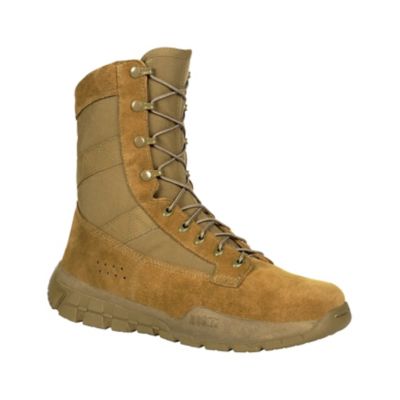
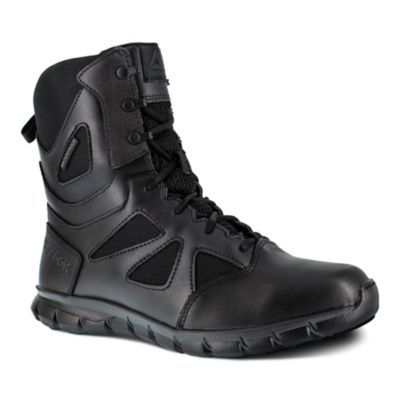
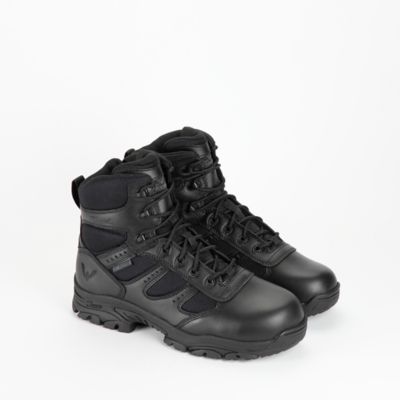
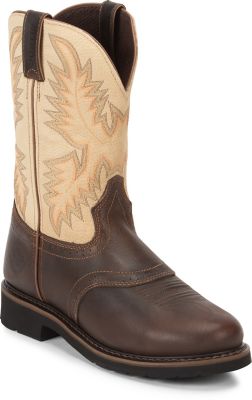
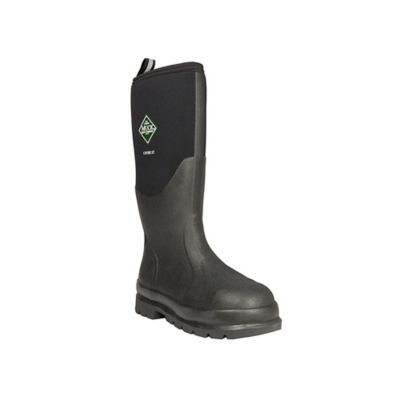
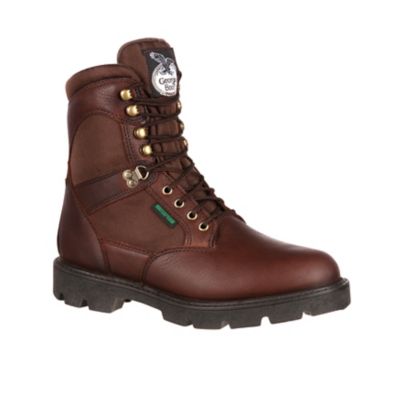
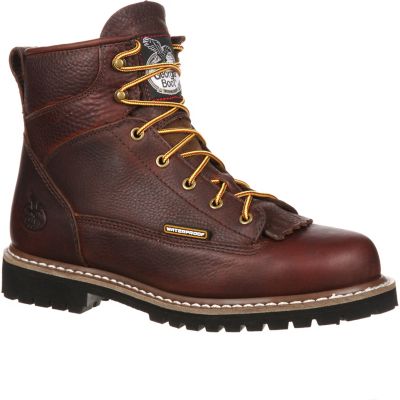
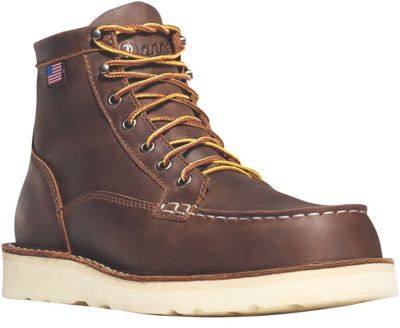
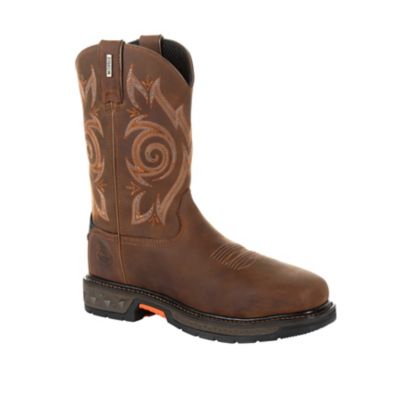
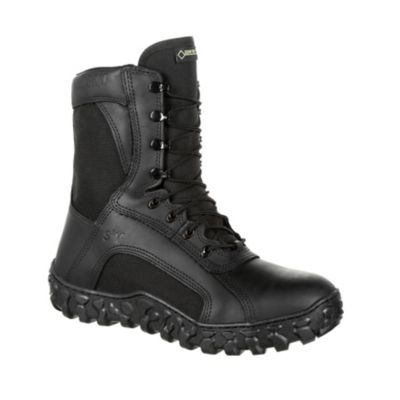
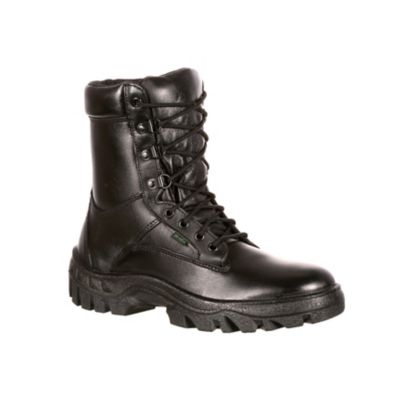
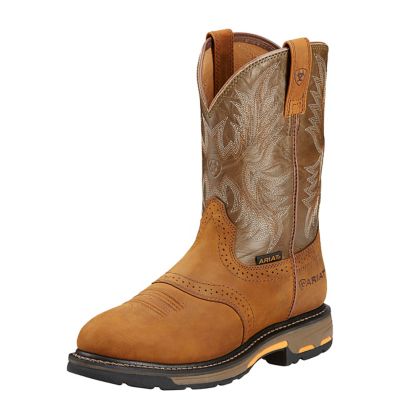
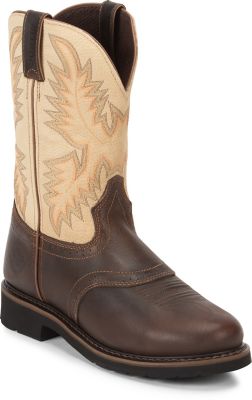
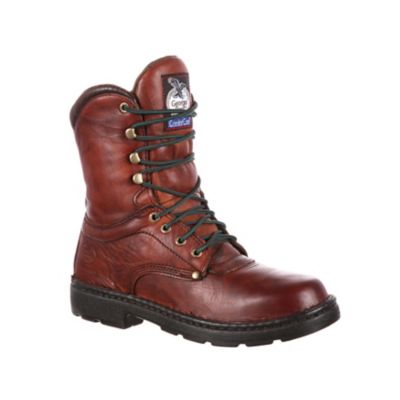
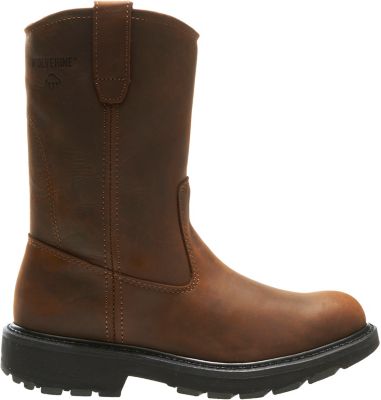
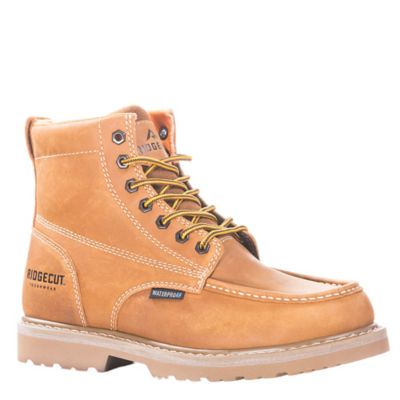
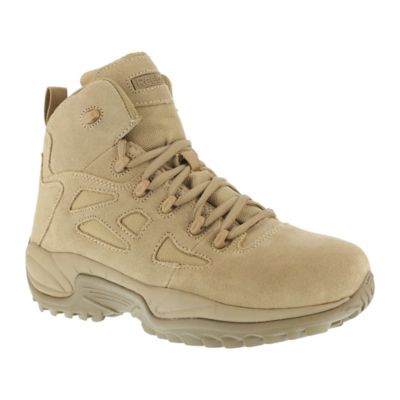
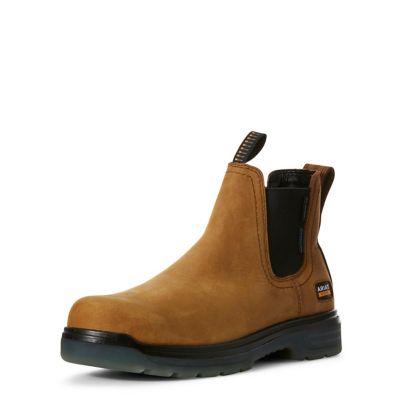
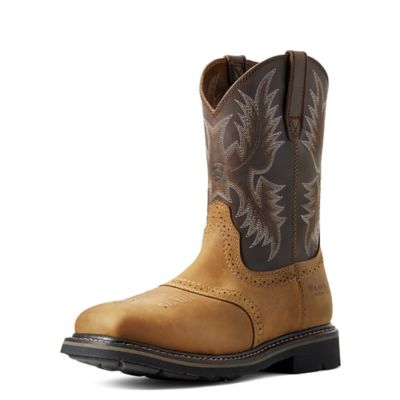
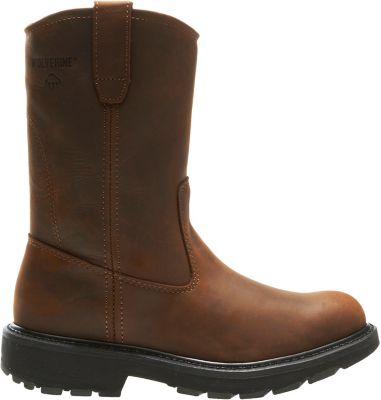
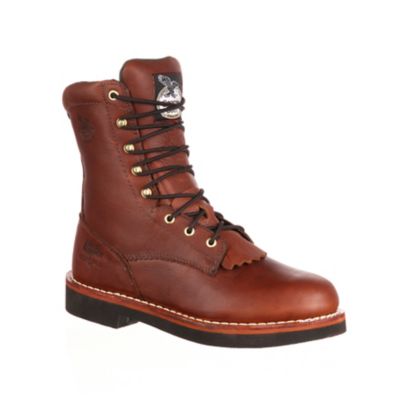
Tactical work boots are built for people who need steady footing, dependable protection and all-day comfort without the heavy, stiff feel of old-fashioned work footwear. They fit in on a jobsite, farm, warehouse, patrol route, loading dock or outdoor property where every step may take you across gravel, wet grass, concrete, packed dirt and uneven ground. Many tactical styles borrow the athletic feel of running shoes, using lightweight midsoles and flexible construction to help reduce foot fatigue during long shifts. At the same time, they add rugged uppers, reinforced stitching, supportive ankle heights and work-ready outsoles for demanding conditions. A pair with a 6-inch or 8-inch shaft can offer extra ankle coverage and help keep loose debris, brush and mud from finding its way inside. Side-zip designs make it easier to get ready when the day starts early, while traditional laces allow a more customized fit around the heel and instep. Gusseted tongues are another practical detail, helping block out grit and moisture when walking through a dusty barn aisle or crossing rough ground. For shoppers who want dependable footwear that can move between work, chores and outdoor use,
Flexible Work Boots may also be worth considering alongside tactical styles.
When comparing tactical work boots, start with the conditions they will face and the kind of protection your work requires. Safety-toe boots may feature steel, composite or carbon-fiber toes, and models intended for regulated workplace protection should be checked for ASTM F2413 compliance. Steel toes offer familiar impact and compression protection, while composite and carbon-fiber options can weigh less and may be more comfortable in environments where metal-free footwear is preferred. A safety toe is not necessary for every use, though, and it can add weight or reduce room at the front of the boot, so look for a proper fit rather than choosing protection you do not need. The outsole matters just as much. Oil- and slip-resistant rubber can help provide traction around equipment, shop floors, feed rooms and wet concrete, while multi-directional lugs help grip loose soil, stone and rough trails. Some soles include ladder-friendly edges or tread patterns designed for stairs and climbing surfaces. For outdoor work during the warmer part of the year, breathable mesh or nylon can help release heat, while full-grain leather or water-resistant treatments may be a better match for brush, mud and frequent exposure to moisture. Waterproof membranes can help keep feet dry through puddles and damp grass, but they may feel warmer than unlined boots. During the cooler months, consider room for work socks without allowing the heel to slide. A boot that feels fine for a quick walk through the store may feel very different after eight or twelve hours on hard concrete, so pay close attention to cushioning, arch support and the way the boot flexes at the ball of the foot. EVA or PU foam midsoles can soften repeated steps, and a removable footbed makes it easier to replace worn cushioning or fine-tune the fit with an insole.
Tactical work boots can serve a wide range of workers, including security staff, law enforcement personnel, warehouse and delivery crews, utility workers, maintenance teams, ranch hands and anyone who spends long stretches on their feet in changing conditions. They are also useful for property owners who move between a truck, workshop, pasture and home projects throughout the day. A solid pair can make a practical gift for someone starting a trade, joining a work crew or preparing for outdoor duty, especially when the giver knows the recipient’s required safety standards and usual work environment. Fit is personal, so gifting a gift card or confirming size and toe-room preferences may be smarter than guessing. Before choosing, check whether the wearer needs a safety toe, puncture-resistant construction, electrical hazard protection, waterproofing or a particular uniform color. Think about socks, too: moisture-wicking work socks can help manage sweat, while thicker wool blends may add warmth when mornings turn cool. Break boots in gradually instead of wearing a new pair for a full shift on the first day. Short walks around the house, barn or shop can reveal rubbing at the heel, pressure across the toes or a tongue that shifts out of place before those small issues become painful. Laces should hold the foot securely without cutting into the ankle, and a side zipper should glide smoothly while still allowing the boot to stay snug. After use, brush away dirt, let wet boots dry naturally away from direct heat and follow the care instructions for leather, fabric or waterproof finishes. With the right combination of traction, protection, fit and cushioning, tactical work boots can help keep feet ready for early chores, long routes and hard-earned time off when the workday is done.