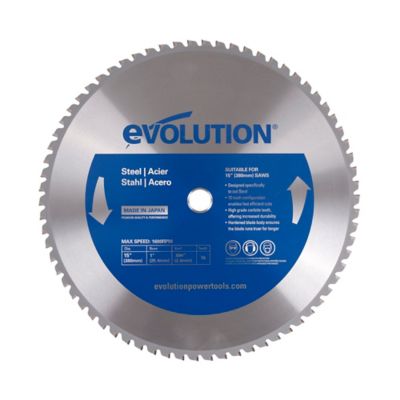
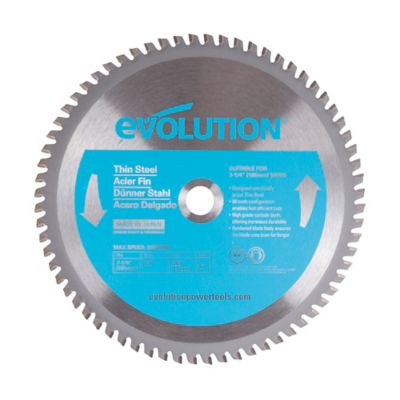
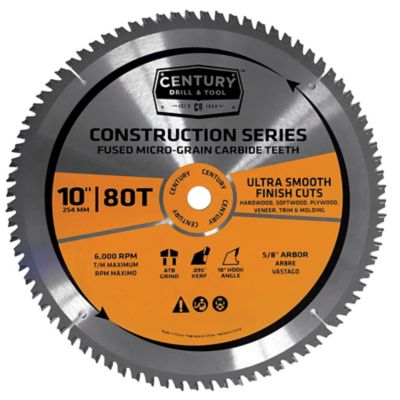
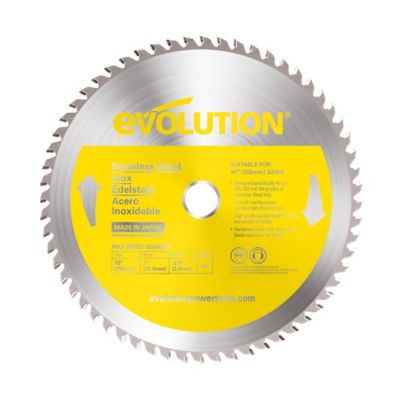
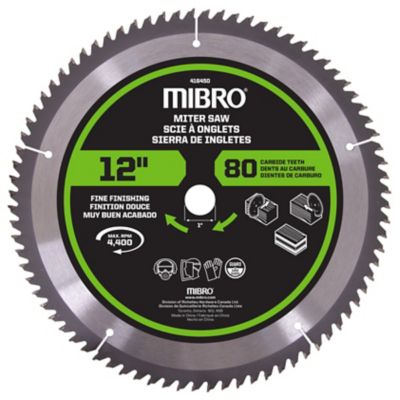
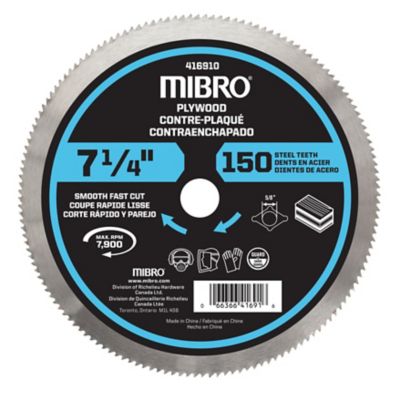
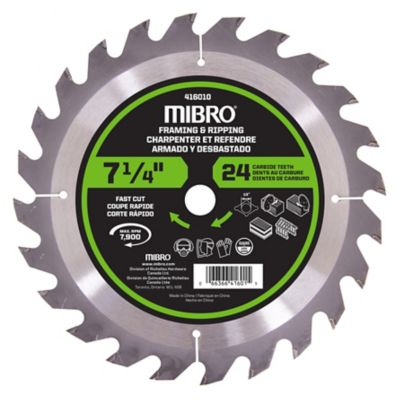
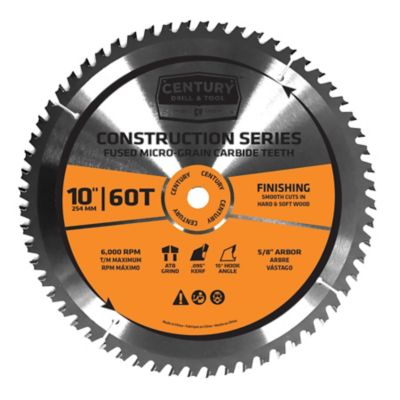
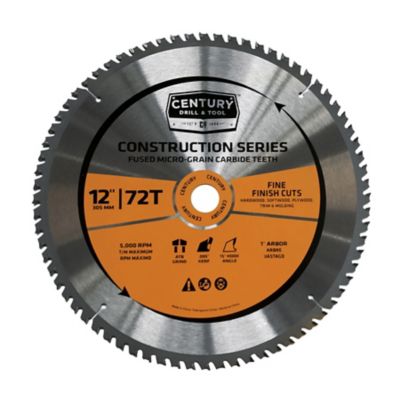
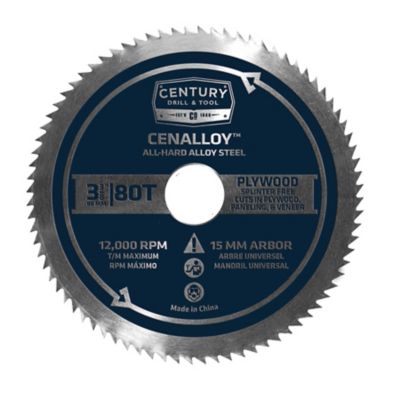
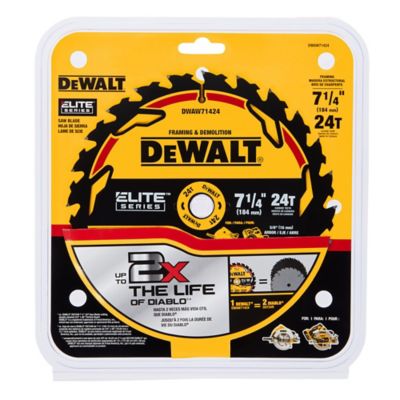
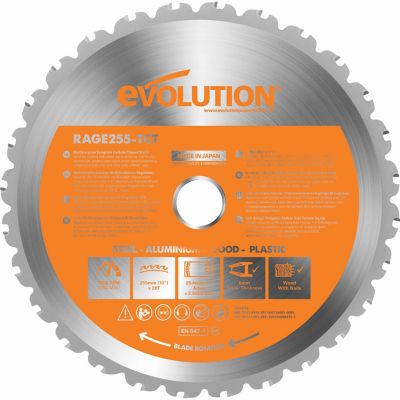
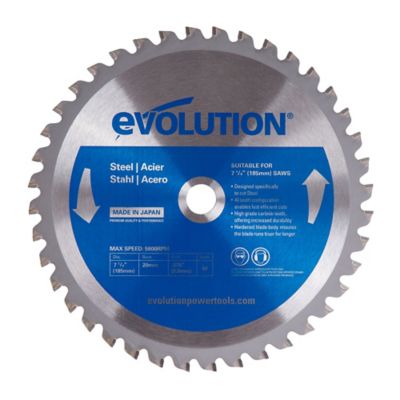
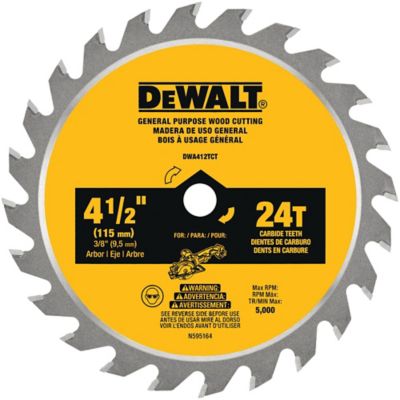
When you’re looking to get those smooth, splinter-free cuts—whether you’re working on a home renovation, building custom furniture, or just tackling some finish carpentry around the farm—a fine tooth circular saw blade is a must-have in your tool kit. Folks who do a lot of woodworking know there’s a world of difference between a rough cut and a clean, polished edge, especially if you’re working with hardwoods, softwoods, or even sheet goods like plywood and MDF. That’s where a fine tooth saw blade shines, with its higher tooth count (usually 60 to 80 teeth on a standard 10-inch blade) designed to leave your cuts crisp and tidy, without the tear-out or ragged edges you might see from a standard framing blade. These blades are especially handy when you’re trimming out windows, building cabinets, or installing crown molding—any job where appearance matters just as much as strength. If you’re putting together a gift for a woodworker, hobbyist, or anyone who loves to tinker in the shop, a fine tooth circular saw blade is a practical choice that’ll get used time and time again, especially as the weather warms and project lists start to grow.
Choosing the right fine tooth saw blade takes a little know-how, but it’s worth it for the results you’ll see. Most folks prefer carbide-tipped teeth since they hold an edge much longer than plain steel, which means less downtime for sharpening and more time making sawdust. The tooth configuration matters, too—look for blades with an ATB (Alternate Top Bevel) grind if you want cleaner crosscuts and less chance of splintering, especially across the grain. If you’re using a cordless or portable saw, you might want to check out a thin-kerf blade, which removes less material and makes cutting easier on your batteries and your arms. For more details on these, take a look at our page on
Thin Kerf Circular Saw Blades. No matter which saw you’re running—be it a table saw, miter saw, or handheld circular saw—make sure to match the blade size and arbor hole to your tool, and always raise the blade so the bottom of the gullets just clear the top of your workpiece; this helps keep tear-out to a minimum. It’s also smart to feed your material slow and steady, letting the blade do the work. Pushing too fast can cause vibration and rougher edges, which sort of defeats the purpose of using a fine tooth blade in the first place.
Fine tooth circular saw blades aren’t just for the pros, either. If you’re a weekend warrior building a backyard deck, fixing up a barn, or making a set of shelves for the mudroom, you’ll appreciate the difference in cut quality, especially during those long days when you want your work to look as good as it holds together. These blades are also a solid option for anyone teaching young folks the basics of woodworking, since they make it easier to achieve professional-looking results and build confidence. With the busy season for building and repairs stretching from early summer through the cooler fall months, having a sharp, clean-cutting blade on hand can save time and frustration—plus, it keeps your projects moving right along while the weather’s good. Don’t forget to give your blade a little TLC now and then, too; resin and pitch can build up on the teeth, so a quick cleaning with blade and bit cleaner helps maintain cutting efficiency and extends the life of your investment. Whether you’re crafting heirloom pieces or just making repairs around the homestead, a fine tooth circular saw blade is a reliable partner for any job where precision and finish make all the difference.