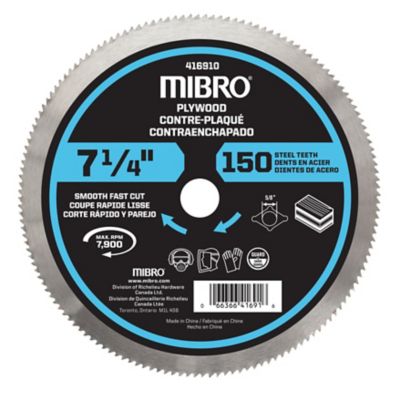
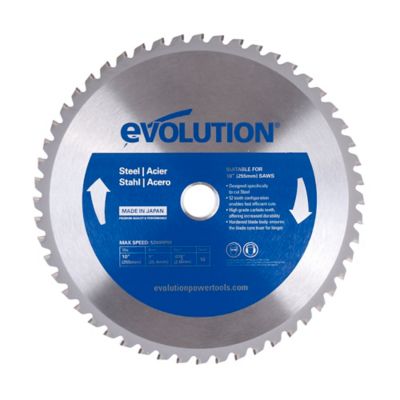
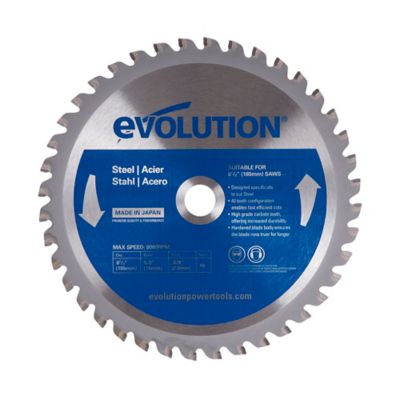
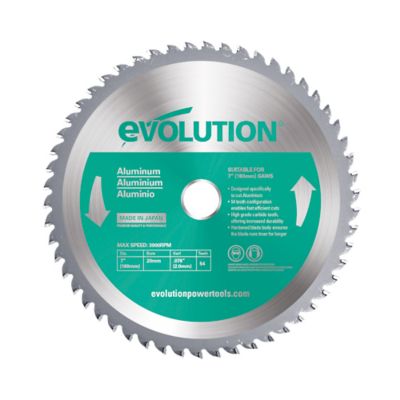
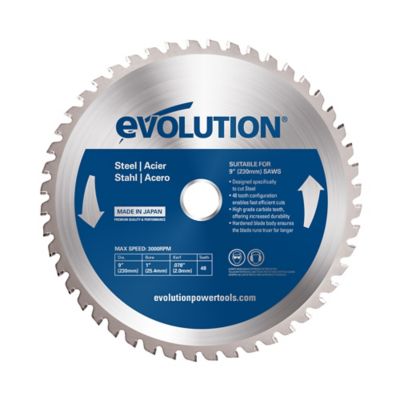
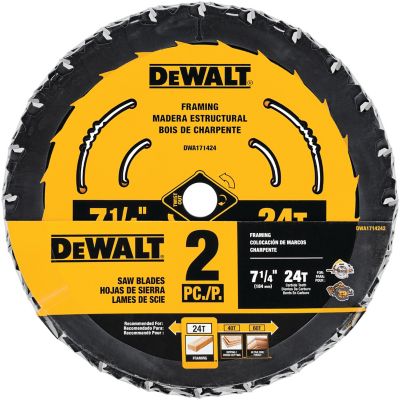
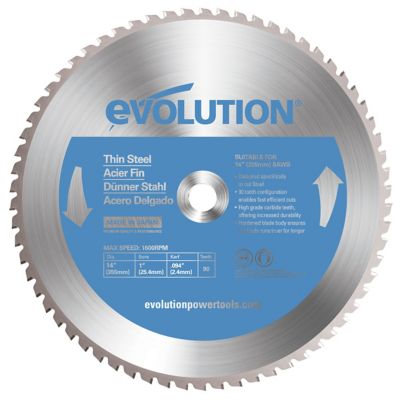
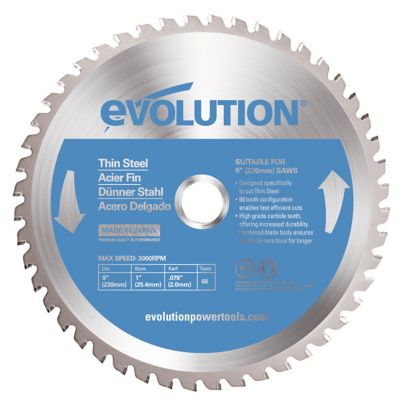
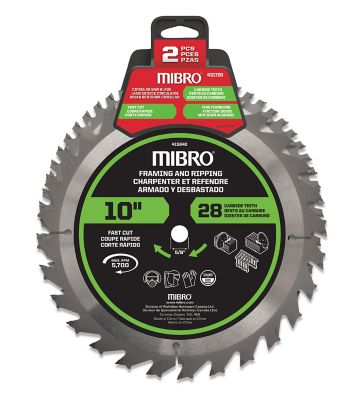
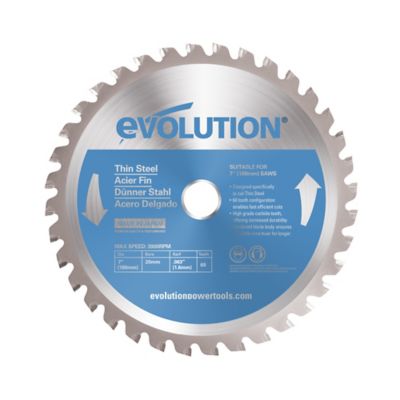
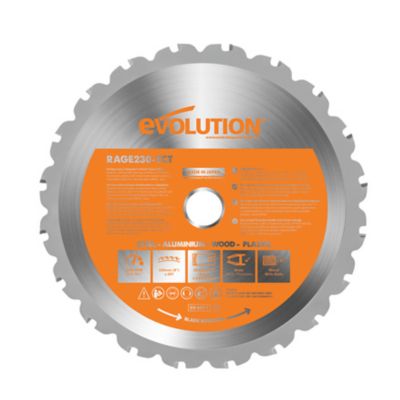
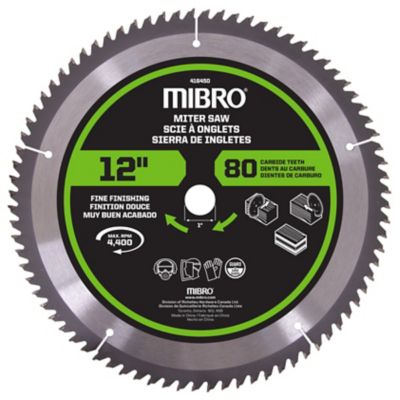
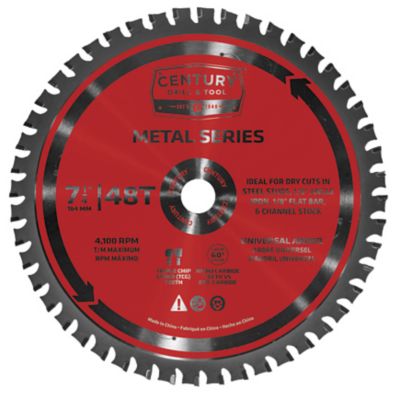
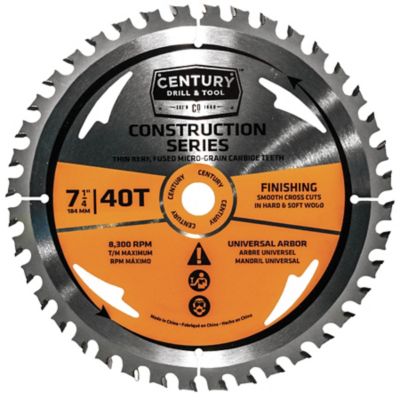
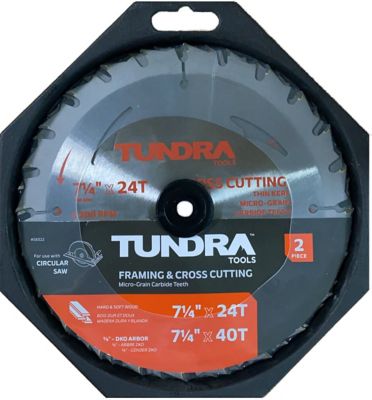
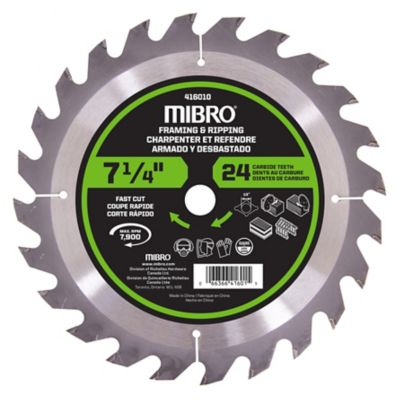
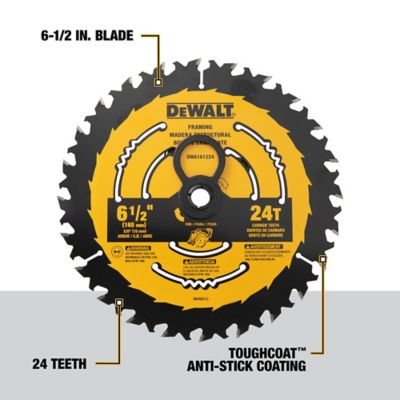
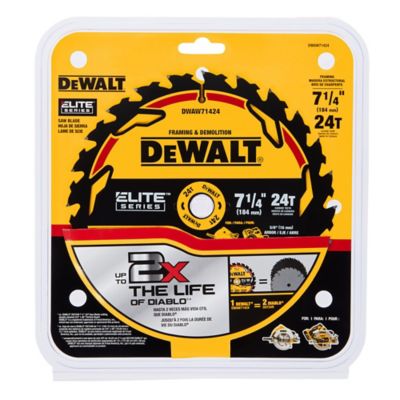
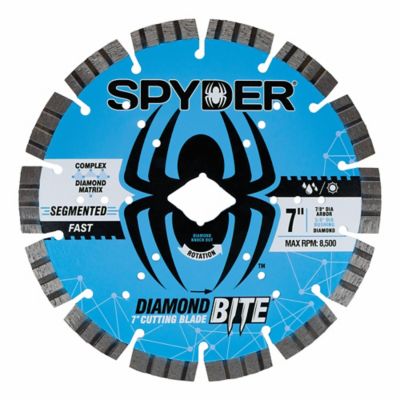
Thin kerf circular saw blades are made for clean, efficient cuts while removing less wood than a standard full-kerf blade. The kerf is the width of the cut left behind by the blade, and thin kerf designs commonly measure around 1.5 to 1.8 millimeters, depending on the blade and application. That narrower cut means less material turns to sawdust with every pass, which can make a real difference when working with costly hardwood, trim boards, plywood, flooring, cabinet parts, or thin veneer. Less resistance also allows the saw to move through the work more easily. A cordless saw may draw less power and run longer between charges, while a smaller corded saw can feel quicker and less strained during a long afternoon of cutting. Thin kerf blades are especially useful for homeowners, farmers, remodelers, furniture builders, cabinetmakers, and anyone tackling routine repairs with a compact circular saw. They can be a practical addition to a workshop or a thoughtful gift for a handy neighbor, new homeowner, woodworker, or do-it-yourselfer who spends cooler days building shelves, repairing gates, or finishing indoor projects. For a broader selection of blades intended for wood, visit
Wood Cutting Circular Saw Blades.
Choosing the right thin kerf circular saw blade starts with matching the blade to the saw and the material. Check the saw’s required diameter, arbor size, and maximum rated speed before making a purchase, and make sure the blade is approved for the tool. A blade with the correct number of teeth can make a noticeable difference in the finished cut. Lower tooth counts generally clear chips quickly and work well for fast crosscuts or ripping through framing lumber, while higher tooth counts are better suited to smoother cuts in plywood, finished boards, laminate, and other materials where a clean edge matters. Combination and general-purpose tooth patterns offer a useful middle ground for everyday work around the barn, garage, or home shop. Thin kerf blades can help preserve more usable material when cutting narrow strips or breaking down a stack of boards, but the best results still depend on proper support and a steady feed rate. Lay sheet goods on a well-supported surface so the cut-off side does not pinch the blade, and support long boards close to the cut to prevent sagging. Mark the cut clearly, let the blade reach full speed before entering the material, and guide the saw without forcing it. A blade that is pushed too hard can wander, burn the wood, or leave a rough edge, even when the tooth pattern is well matched to the job.
Because a thin kerf blade has a narrower plate, it may not be as rigid as a full-kerf blade. That lighter construction is part of what helps reduce resistance, but it also means the blade can be more prone to deflection when cutting thick, dense, wet, knotty, or warped lumber. For straight cuts, keep both hands in a comfortable position, maintain a consistent pace, and avoid twisting the saw in the cut. A straightedge or saw guide can help when appearance and accuracy count, particularly for long plywood cuts or repeated boards. Inspect the blade before use and replace it if the teeth are damaged, the plate is warped, or the blade shows signs of overheating. Keep the blade clean and allow the saw to do the work rather than leaning into it. Always wear eye and hearing protection, keep hands away from the cutting path, and follow the saw manufacturer’s instructions for guards, depth settings, and safe operation. Set the blade depth only slightly below the material when possible; excessive blade exposure can increase splintering and the chance of kickback. During late summer projects and the cooler months that follow, thin kerf circular saw blades can help make better use of lumber, stretch cordless battery life, and keep everyday cutting tasks moving smoothly from the first measured line to the final fitting piece.