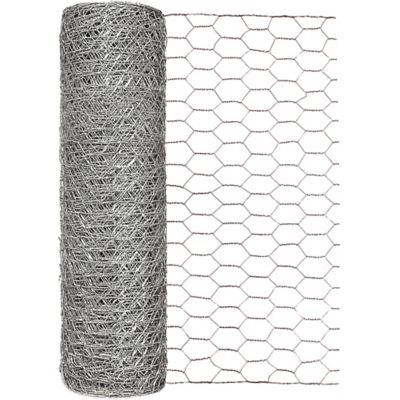
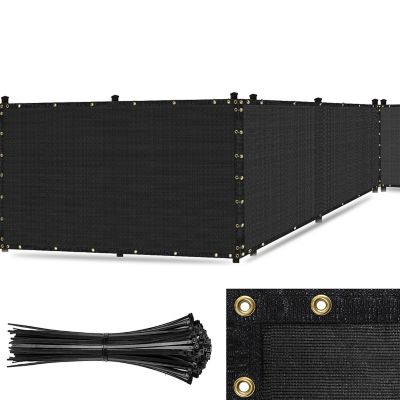
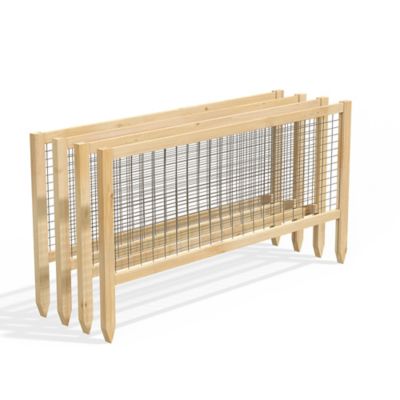
Fences For Gardens
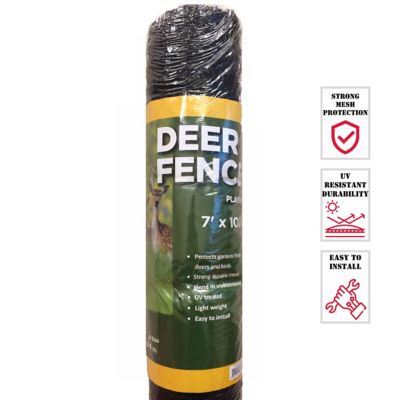
Shop fences for gardens to mark off planting areas and help keep unwanted visitors out of your beds. Explore garden fencing options with your space in mind, considering fence height, opening size, and access for tending plants before you choose.
$1
.99
Sale Was $2.49 Save $0.50 (20%)
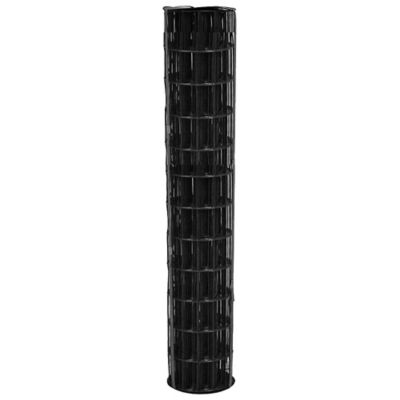
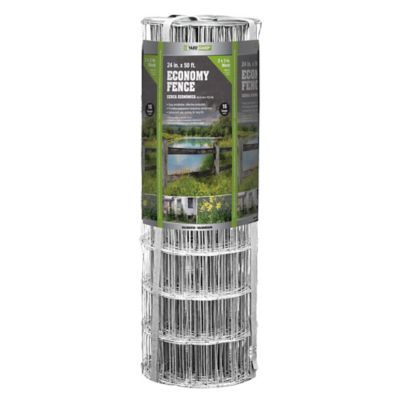
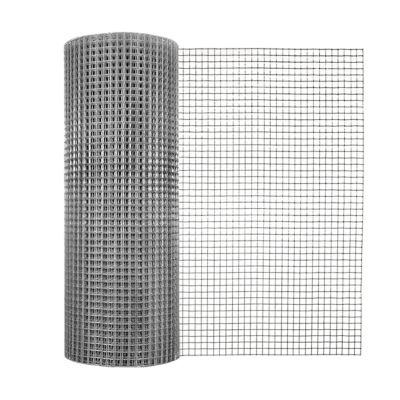
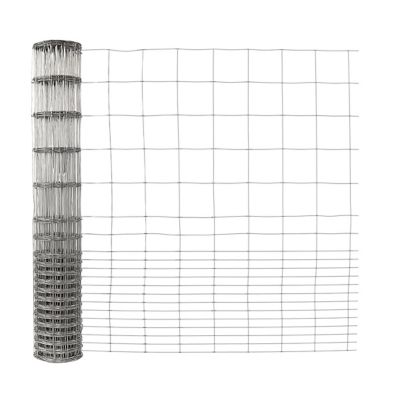
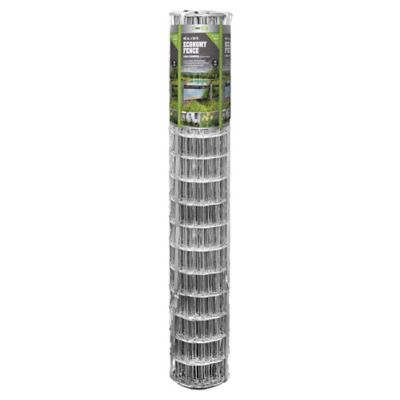
$80
.99
Sale Was $89.99 Save $9.00 (10%)
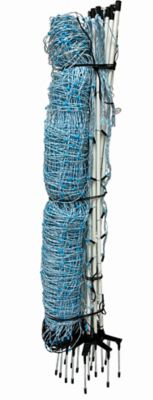
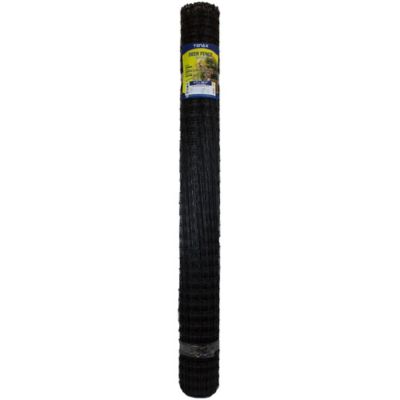
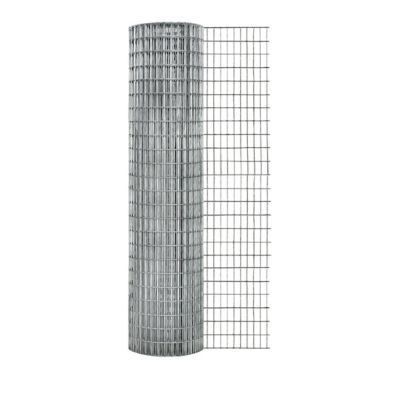

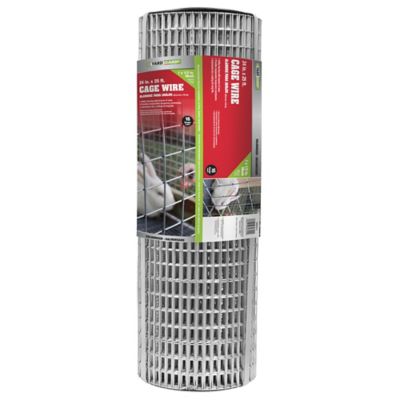
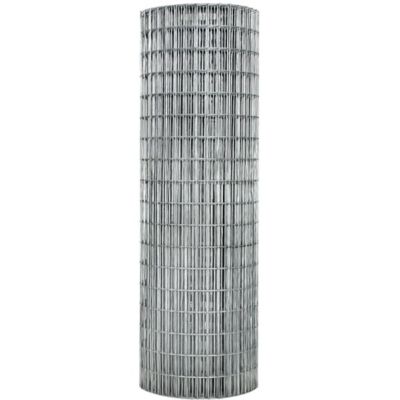
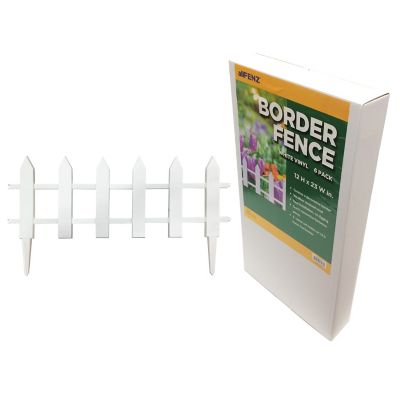
$16
.19
Sale Was $17.99 Save $1.80 (10%)

Best Of FAQ
What should I consider when planning a garden fence layout?
Start by mapping your planting beds, paths and regular garden chores. Plan the fence line around how you move between the garden, tool shed, compost pile and water source, and mark any spots where you want an entrance.
Where should gates go in a garden fence?
Put gates along the routes you already take to tend your garden. An entrance near your main path makes for a natural setup, while another near the compost pile or tool shed can fit your daily routine. Think through the gate's swing before settling on its location.
How can I match garden fencing to my yard's style?
Take cues from your house, barn, planting beds and nearby fences. Repeated lines and a coordinated color palette give the garden a pulled-together look. A simple fence pattern can keep the focus on your plants, while a more detailed pattern makes the fence part of the scene.
When should I plan fencing during a garden project?
Plan your garden fencing alongside your beds and paths, before planting gets underway. That gives you time to settle the fence line, entrances and installation sequence without working around established plants. For an existing garden, consider scheduling the work between growing seasons.
What routine care does garden fencing need?
Care depends on the fence's material and finish, so follow its care instructions. Common chores include clearing fallen leaves from the fence line, wiping away soil splashes and tending climbing plants. Gates and latches may also need occasional cleaning or adjustment according to their instructions.
Best Sellers
-
"I was worried about the welded joints breaking but they all held up great"
-
"Works great, fast delivery, thanks Tractor Supply"
-
"This privacy screen was fairly easy to install and looks great"
-
"Great look and quality. Also affordable"
-
"Love this fence. It is well made and looks nice. Tractor Supply is the best place to get it"