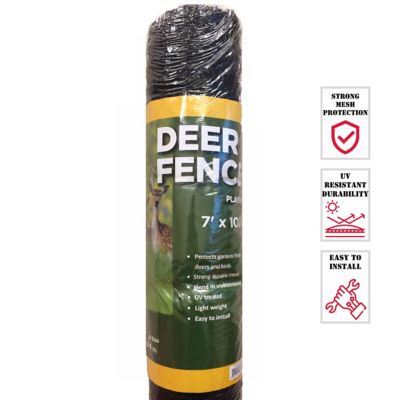
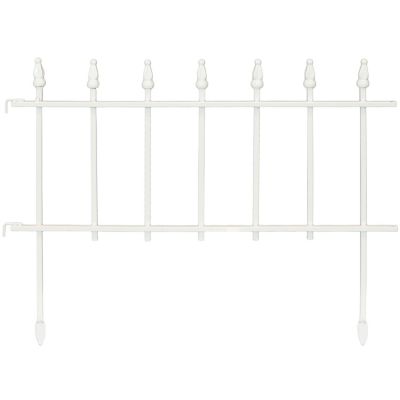
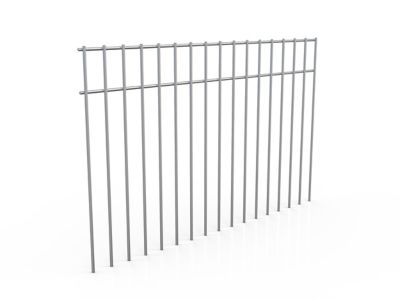
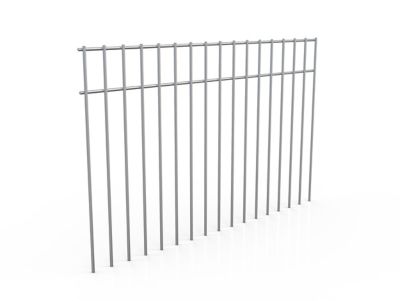
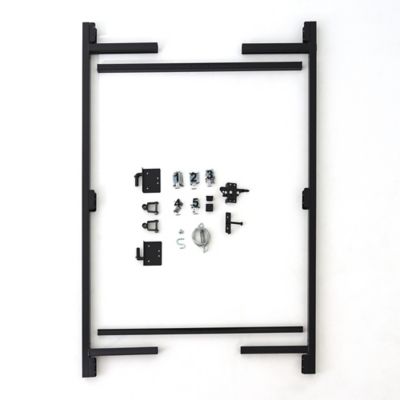
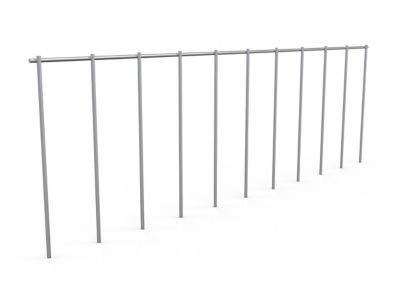
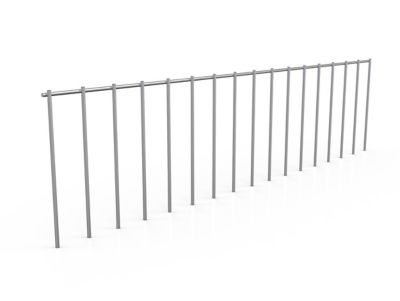
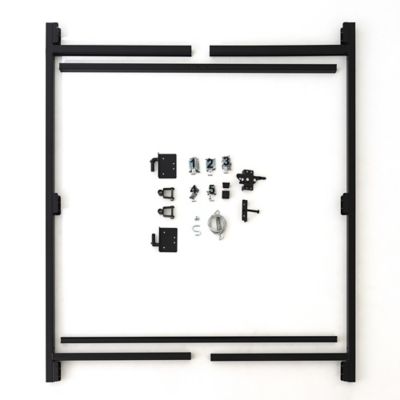
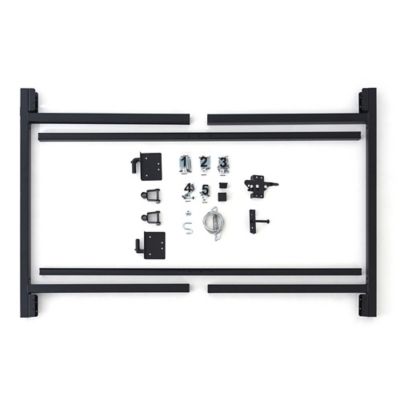
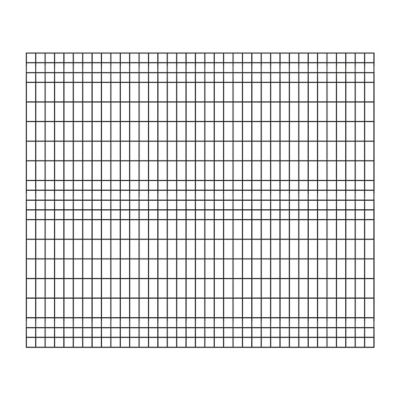
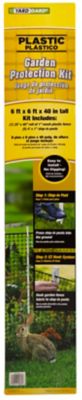
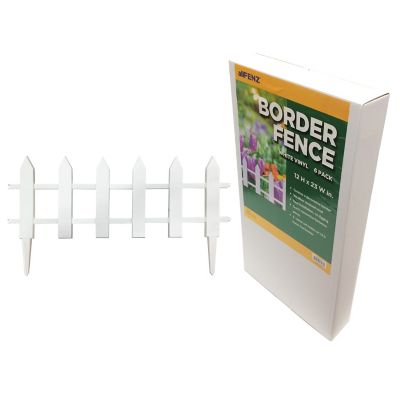
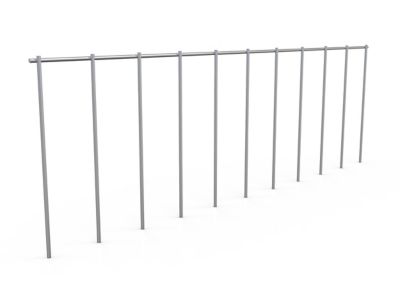
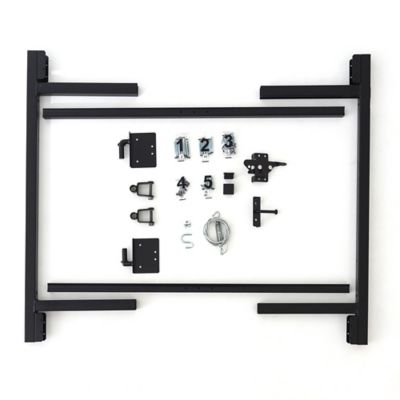
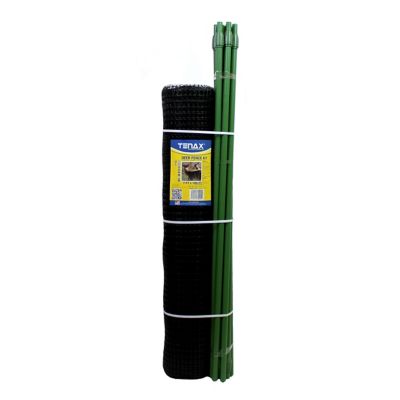
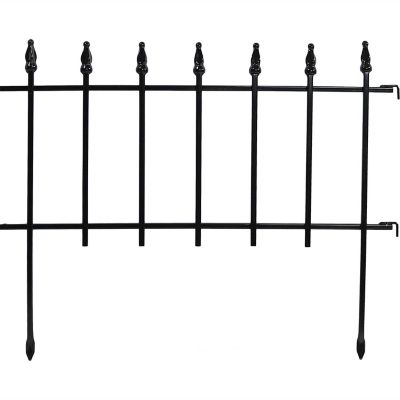
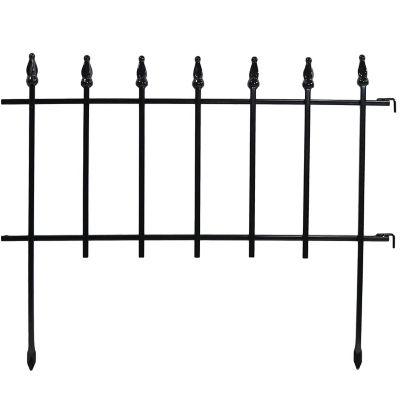
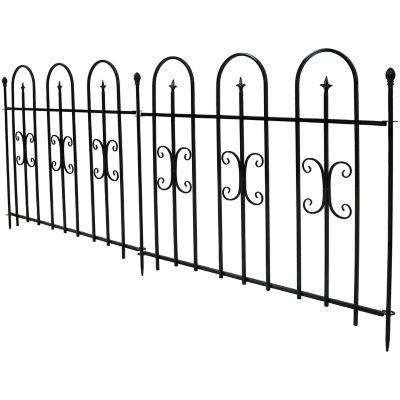
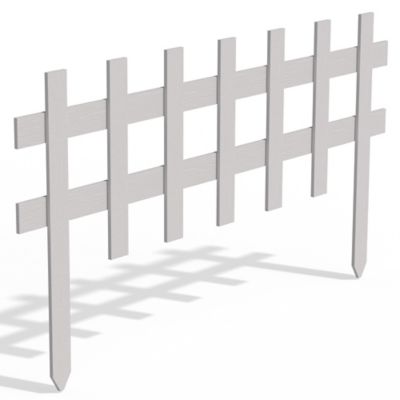
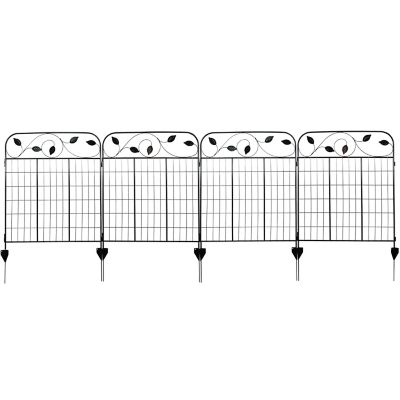
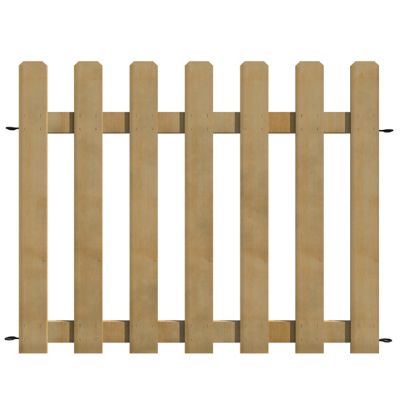
Garden fence kits bring fencing components together in a coordinated set for marking garden boundaries, keeping foot traffic out of planting beds, or helping protect crops from animals. Depending on the design, a kit may include panels or mesh, posts, connecting hardware, ground stakes, and a gate; package contents determine whether additional parts are needed to finish an enclosure. These systems suit everything from a few raised beds beside the back porch to a larger vegetable patch near the barn. A low border can keep a wandering boot out of lettuce rows, while animal protection calls for a closer match between fence height, opening size, and the critter causing trouble. Rabbits, deer, climbing animals, and digging animals present different challenges, so garden fencing is not a one-size-fits-all barrier. Closely spaced wire near the ground can help limit access for rabbits, but a short panel fence generally will not stop deer. An enclosure with a properly fitted top can help restrict access from above, though mesh size and secure connections still matter. For gardeners who mainly want a clear edge around flowers or herbs, an open panel or picket design provides definition without hiding the planting bed. Open fencing also leaves plants visible from the kitchen window and allows light and airflow through the enclosure. That makes it a practical fit for working gardens where checking leaves, spotting ripe tomatoes, and noticing an open gate are part of the daily routine. Households with children or pets may also appreciate a boundary between play space and tender plants, but garden fencing should not be assumed to provide secure pet containment or a child safety barrier. When screening is the main goal rather than crop protection,
Garden Privacy Fences offer a different approach to separating a garden from nearby activity. The right purpose helps narrow the field: a tidy bed edge, a seasonal enclosure, and a wildlife barrier each ask something different of the fence.
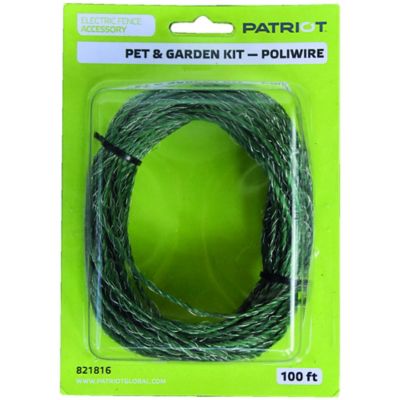
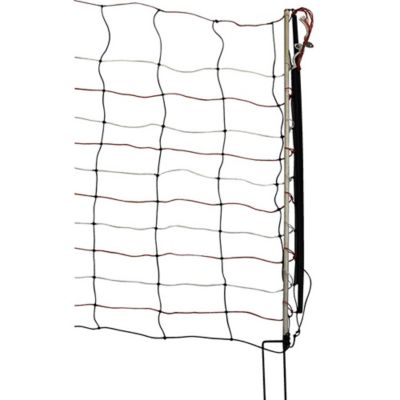
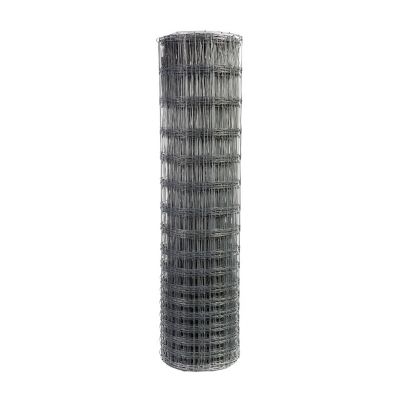
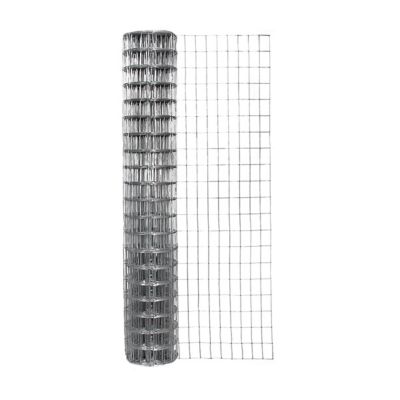
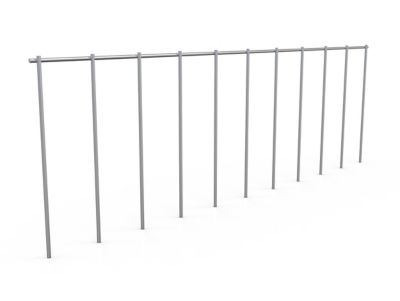
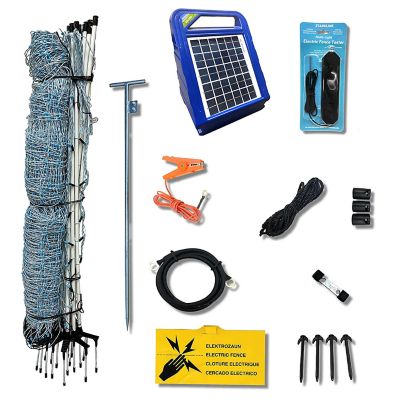
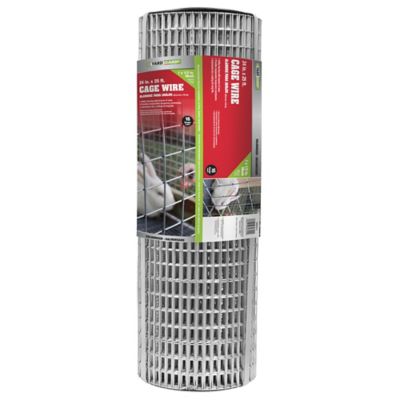
Materials and construction make a difference in how garden fence kits handle everyday work and changing weather. Steel wire and metal panels provide a defined structure, with galvanized finishes or protective coatings helping slow corrosion. Scratches, cut ends, and spots that stay damp deserve attention because exposed metal can begin to rust. Welded wire creates a grid that holds its shape, while lighter mesh or netting can be easier to move around a seasonal planting area. Flexible materials still need enough support and tension to prevent sagging, loose pockets, or gaps at the base. Vinyl picket systems offer a different appearance and do not rust, although their resistance to impact and cold-weather stress depends on the material and construction. No-dig garden fence kits typically rely on stakes, spikes, or driven anchors rather than concrete-set posts. That can suit a small backyard plot or a bed whose layout changes between growing seasons, but rocky ground, hard clay, roots, and frozen soil can make placement harder. Soft or saturated ground may not hold shallow stakes as firmly, especially where wind catches the fence or animals lean against it. Post depth, bracing, and the fastening method affect how well an enclosure stays upright. Electric garden fence kits are another category, pairing conductive fencing with a compatible energizer and the components specified for that system. Their performance depends on correct installation, grounding where required, adequate power, and vegetation control; they are not simply a physical wall around the garden. Electric fencing also requires particular care around children, pets, paths, and visitors, along with attention to local requirements and the manufacturer's safety directions. Fully enclosed frames or netted systems serve a different purpose by extending protection over the planting area. Their tops need clearance for mature plants and adequate support for the conditions they will face. Lightweight netting should not be expected to carry snow or ice unless the system is rated for that load. Across these styles, the best material match reflects the soil, exposure, animal pressure, and amount of upkeep a gardener is prepared to take on.
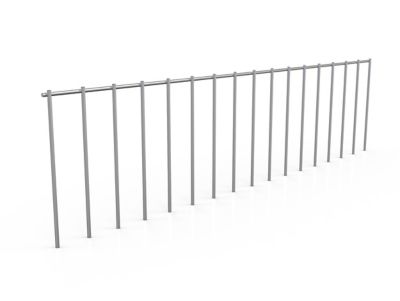
Fit is about more than the length printed on a package. A garden fence kit needs to suit the entire perimeter, including corners, gate openings, and changes in elevation. A rectangular vegetable patch may be straightforward to enclose, while curved flower beds or a sloping stretch beside an outbuilding can call for more flexibility in panel connections and post placement. Rigid panels on uneven ground may leave gaps underneath, and those small spaces can matter more than the overall fence height when rabbits are the concern. For digging animals, a system designed to accommodate a buried barrier or outward-facing ground apron may be a better match than surface panels alone. Gate width matters on chore day: a person carrying a watering can needs less room than a wheelbarrow loaded with compost or a mower traveling between beds. Room inside the fence matters, too. Leaves pushing through mesh can remain within reach of animals, and vines tangled around a gate can turn a quick harvest into a wrestling match. Enough space between the fence and mature plants allows for picking, pruning, and clearing fallen stems without reaching awkwardly over the top. Latches that close securely, connections that stay snug, and a bottom edge that follows the ground all contribute to a useful enclosure. Through the cooler months, fallen leaves and spent vegetation can collect along the fence line, holding moisture against surfaces or hiding damage. Routine care generally includes clearing that buildup, checking posts after strong winds or freeze-and-thaw cycles, and cleaning materials according to their care directions. Removable panels and netting benefit from being clean and dry before storage, with fasteners kept together for the next setup. For a kitchen gardener, a small-acreage grower, or someone tending flowers along the driveway, the value of a garden enclosure is practical: easier access for the person doing the work and a better-defined boundary around the plants. Matching the kit to those everyday needs helps it earn its place from planting through cleanup.