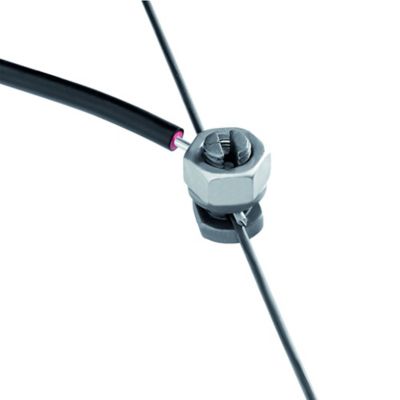
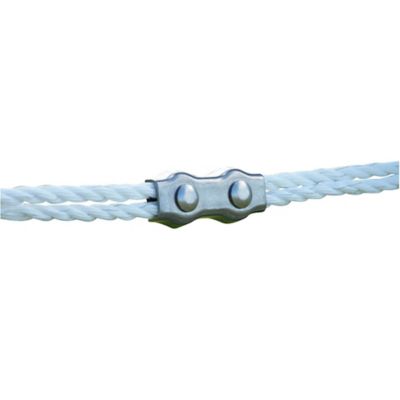
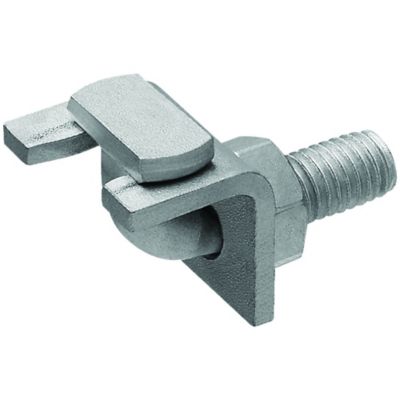
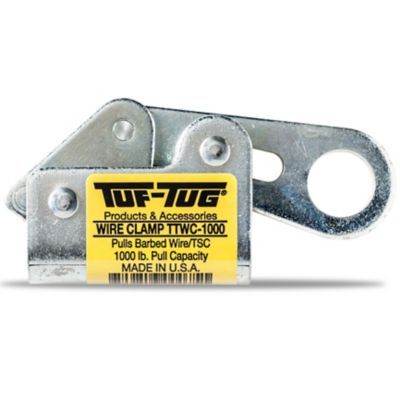
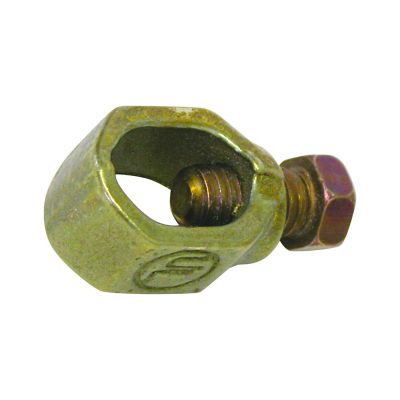
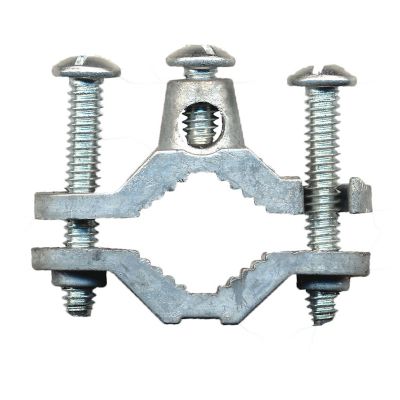
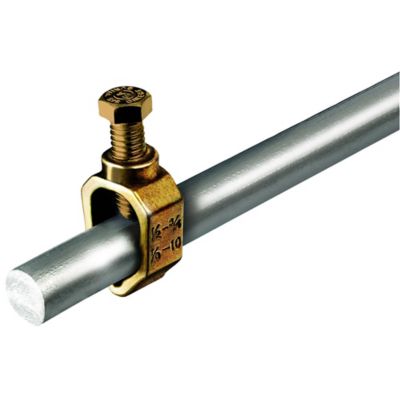
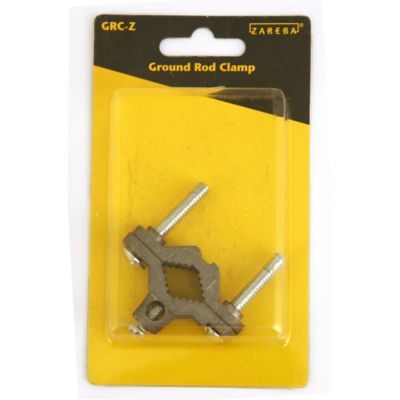
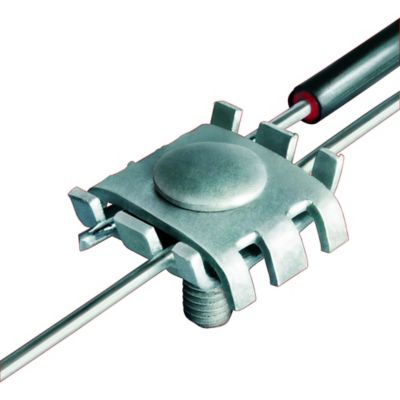
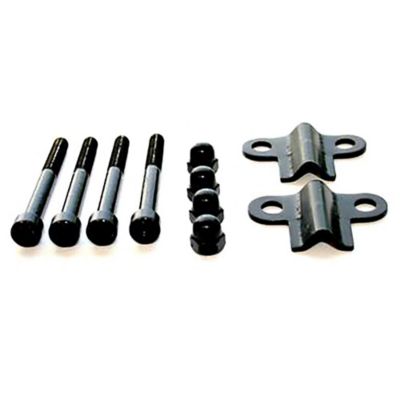
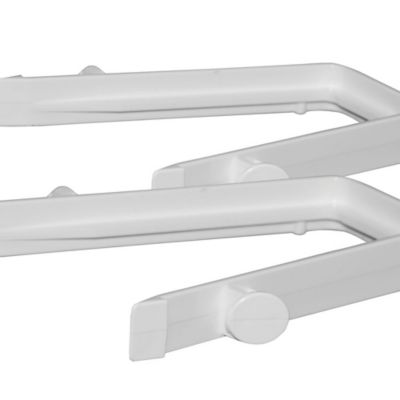
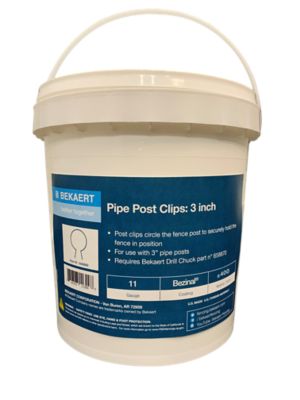
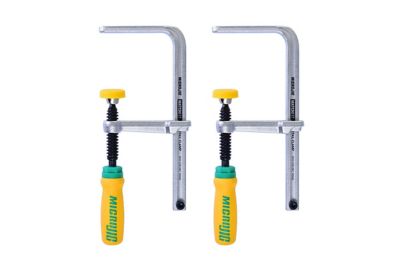
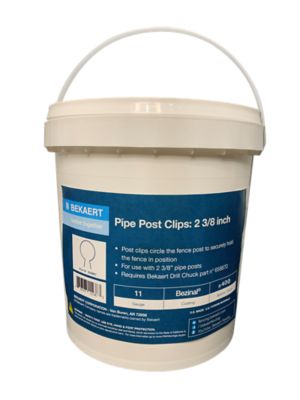
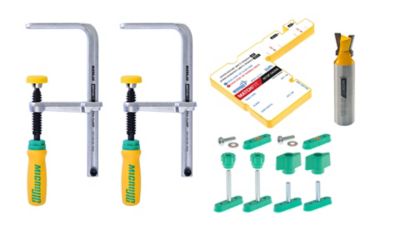
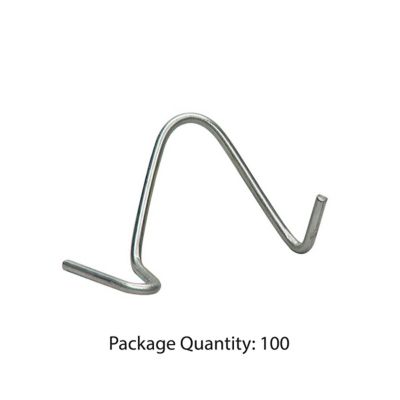
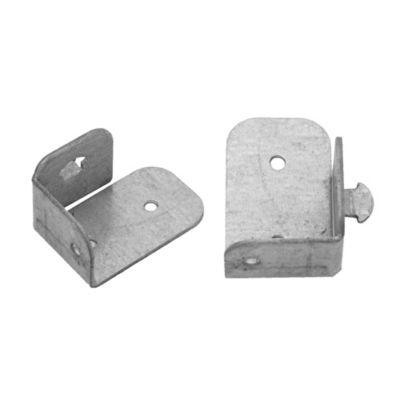
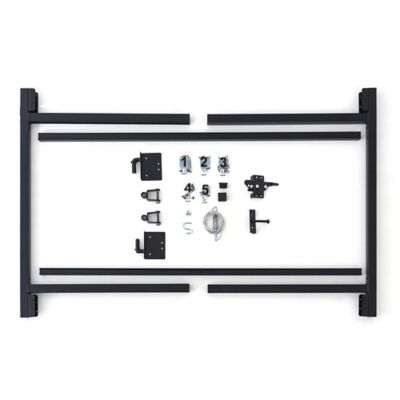
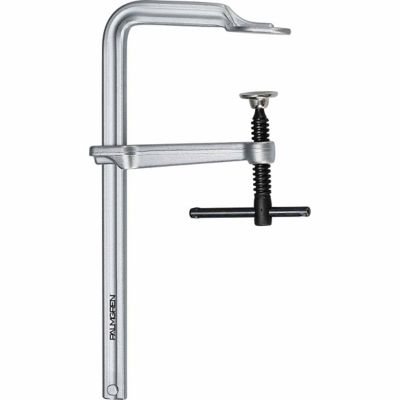
Fence clamps are fasteners that hold fence components together or secure an auxiliary fence to woodworking equipment. Those are two different jobs, and the right clamp depends on which kind of fence is involved. For outdoor fencing, clamps connect parts such as tubular panels, rails, posts, or other components specified by the fence system. In woodworking, fence clamps hold an added fence face or similar attachment against a table saw or router fence, with the fastening hardware positioned clear of the workpiece. These shop applications call for a different design than livestock panels or chain-link fencing, so the two categories aren't interchangeable. Around a farm, acreage, or backyard enclosure, fence clamps help turn separate sections into a connected fence line. Panel clamps commonly join neighboring tubular frames, while certain rail clamps connect horizontal rails to posts. Chain-link systems also include bands with distinct jobs: tension bands hold tension bars at terminal posts, and brace bands can connect rail-end fittings or other specified components. Although these fittings may look similar at a glance, their shapes and fastening points serve different purposes. A clamp for joining two round panel frames isn't automatically suited to holding chain-link fabric or carrying a gate. Intended use matters just as much as appearance. Ranchers, livestock owners, kennel operators, grounds crews, and homeowners may all need fence connections, but the demands differ between a small pet enclosure, a panel pen, and a long boundary fence. A straight run needs connections that match its layout, while a corner or change in direction can require a different fitting. The angle between panels also matters when a pen follows an irregular footprint rather than a simple rectangle. Matching the clamp to the fence system helps keep those connections seated as intended, without asking one small fitting to do a job meant for a brace, hinge, or structural support.
Material and fit go hand in hand when comparing fence clamps. Galvanized steel is common in outdoor fencing because its zinc coating helps protect the underlying steel from rust. Stainless steel and aluminum fittings also have applications, though their suitability depends on the fence design, the surrounding metals, and the connection's load requirements. A heavier clamp isn't necessarily a better match, and a lighter fitting shouldn't be judged by weight alone. The important details include the specified application, metal thickness, clamp shape, and fastening arrangement. Round tubing, square tubing, and flat components need contact surfaces that fit their profiles. A clamp that rests neatly against a round rail may leave gaps or uneven pressure on a square frame. Sizing deserves close attention because pipe names and actual measurements don't always tell the same story. Nominal pipe size can differ from outside diameter, while fence tubing is often identified by its outside diameter. Clamp dimensions should match the measurement method stated for the fitting, along with the number and arrangement of pieces it joins. Where a clamp has a stated adjustment range, that range matters more than whether the hardware can simply be pulled together with a longer bolt. Bolt diameter, length, thread type, and hole spacing also affect the connection. There needs to be enough thread engagement for the specified fastening method, without unnecessary projections where livestock, pets, or people pass close by. On a narrow alley or beside a feed area, the orientation of a bolt end can make a noticeable difference in clearance. Properly matched hardware seats without forcing the clamp out of shape or flattening thin-wall tubing. Tightening requirements vary by fitting, and excessive force can damage threads, distort the clamp, or crush the component it surrounds. A snug-looking connection isn't proof that every part is compatible. Manufacturer specifications remain the best reference for sizing, assembly, and any stated load limits, especially where animal pressure or repeated movement is part of the job.
Day-to-day use puts the details of a fence connection to work. In a panel pen, adjoining frames need to stay connected without leaving an unintended opening between them. Along a chain-link run, the bands and fittings need to support the fence's intended tension and layout rather than compensate for a leaning post or missing brace. Near a gate, clearance becomes especially important because a stationary clamp can interfere with a swinging frame if it projects into the opening. Ordinary panel clamps aren't a substitute for gate hinges, and a fitting intended to hold a rail shouldn't be assumed to support a hanging load. Livestock containment also depends on the whole enclosure: post spacing, panel strength, fence height, openings, bracing, and suitable gate hardware all matter alongside the clamps. Connections within an animal's reach deserve attention to sharp edges, exposed threads, and gaps that could catch a halter or collar. Related
Fence Hardware helps complete those connections with fittings suited to the rest of the fence. Care is usually straightforward, but it still affects service life. Dirt and manure buildup can hide a loose fastener or damaged finish, while trapped moisture can contribute to corrosion. Cleaning methods should suit the metal and its coating, without grinding away protective surfaces. Periodic checks can reveal a clamp that has shifted, a bolt that has loosened, or tubing that has begun to deform around the connection. Visible cracks, badly worn threads, substantial corrosion, and bent sections call for attention rather than more tightening. A fence that gets rearranged also needs another look at its connections, since a fitting that worked on a straight run may not suit the next corner or panel angle. Fence clamps are small parts, but matching their design, dimensions, and fastening method to the job helps keep the entire fence working as intended.