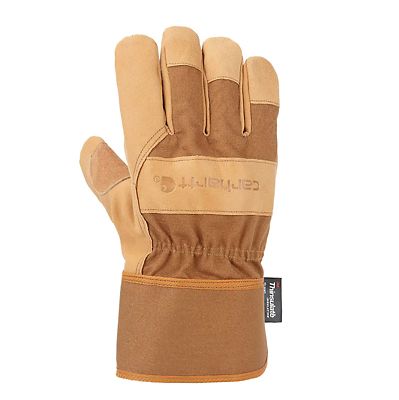
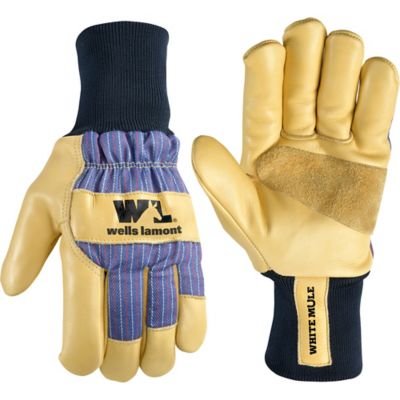
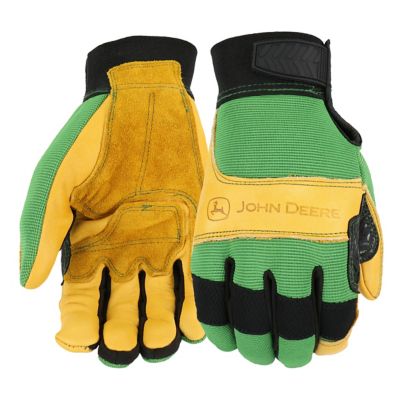
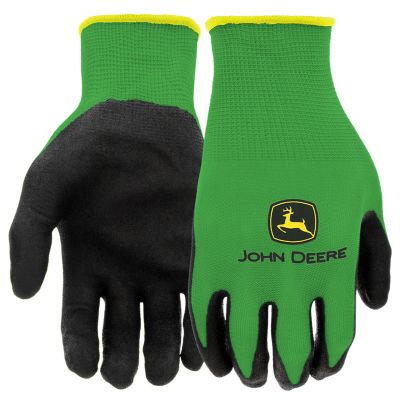
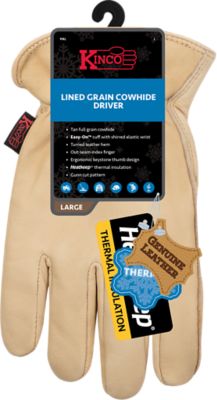
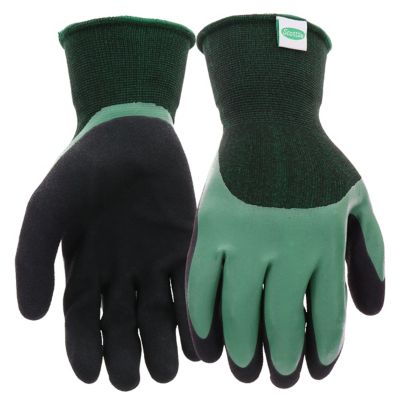
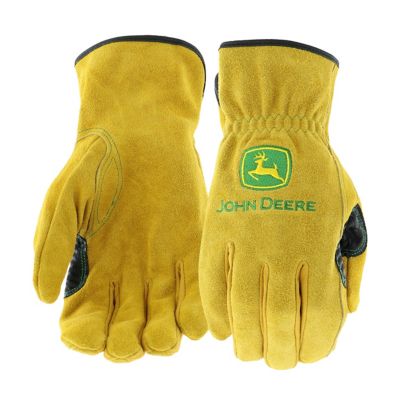
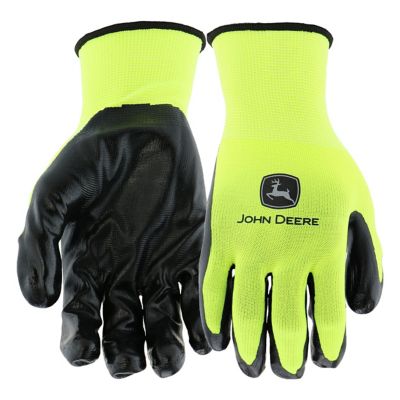
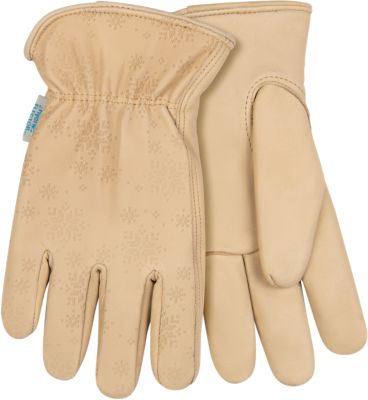
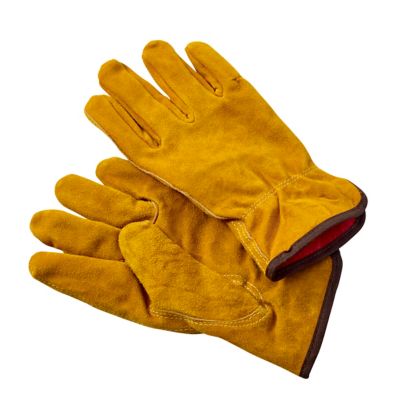
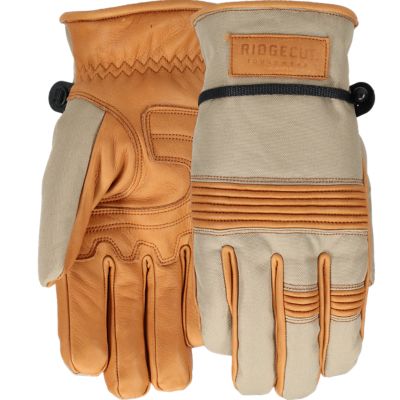
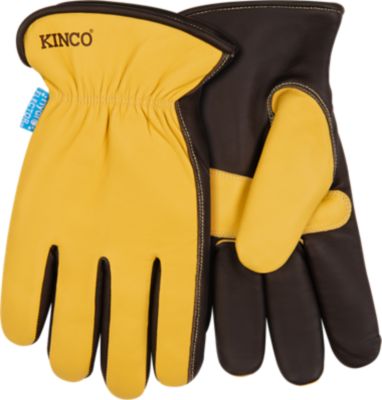
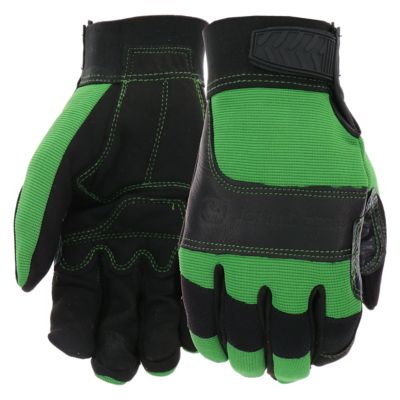
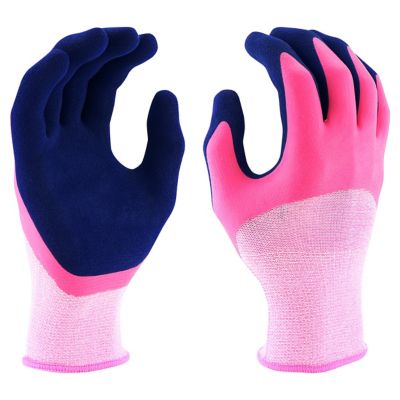
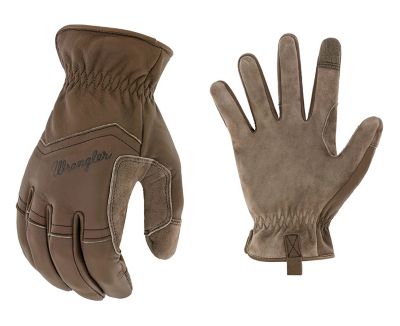
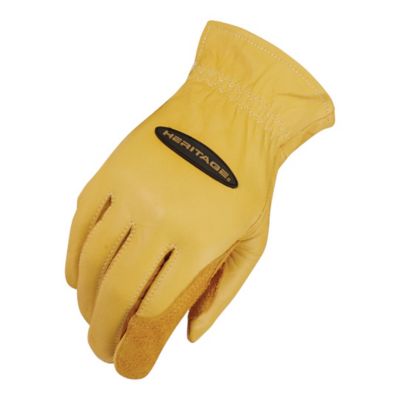
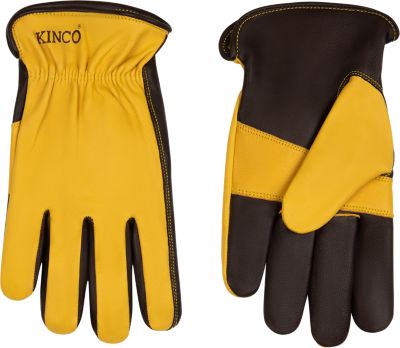
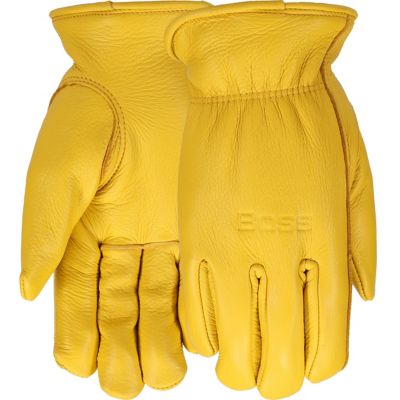
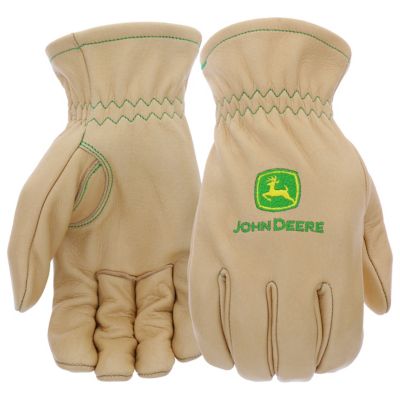
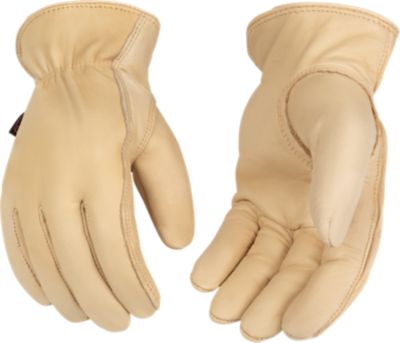
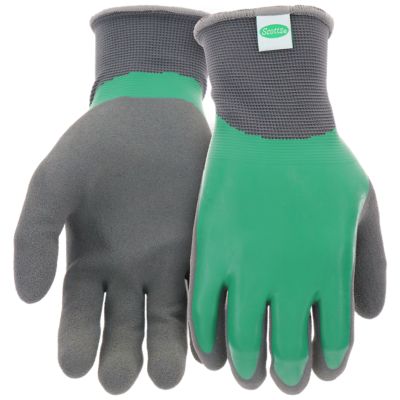
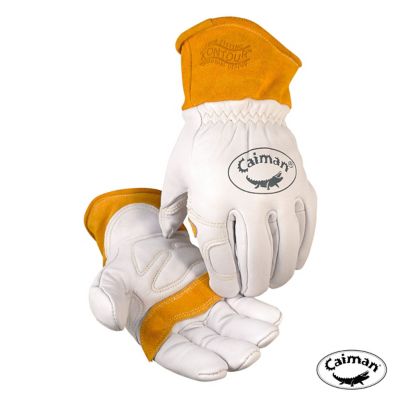
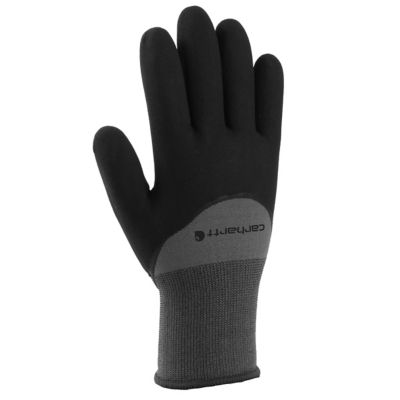
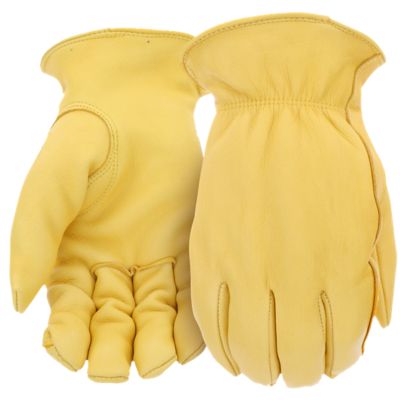
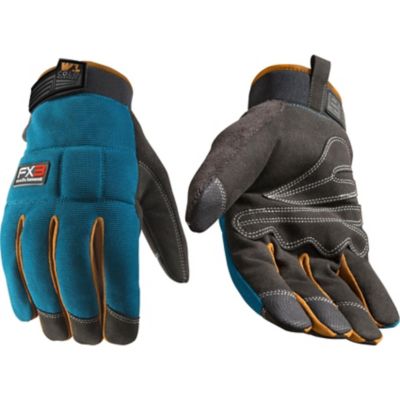
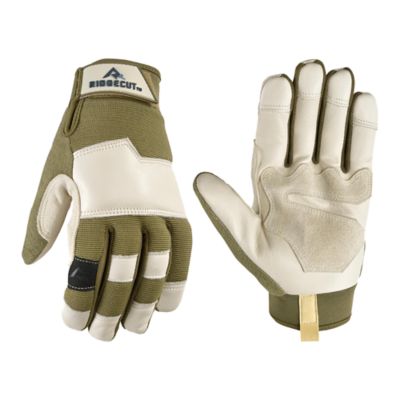
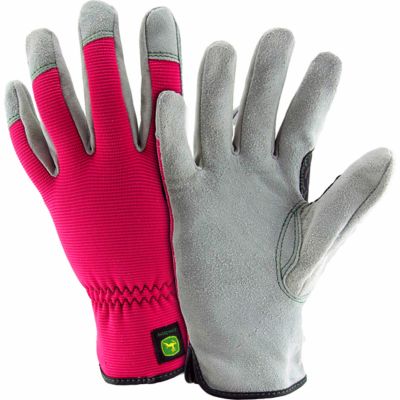
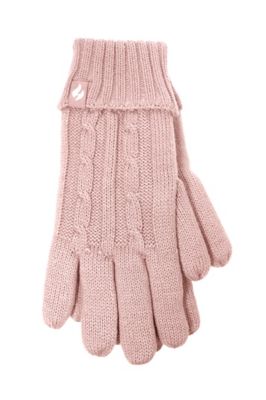
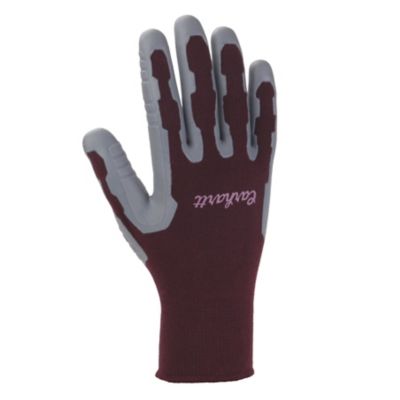
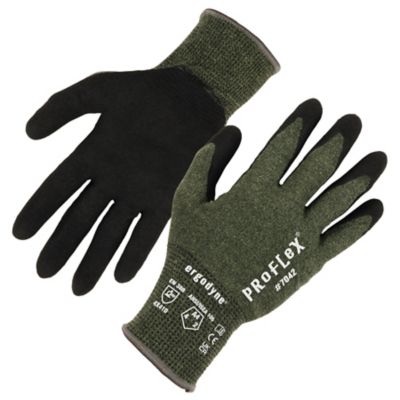
Farm gloves help protect hands from the friction, scrapes, and everyday mess that come with handling feed sacks, carrying lumber, tending livestock, and working fence lines. The right pair depends on the chore: leather provides abrasion resistance for rough handling, coated knit styles balance grip with flexibility, and gloves rated for particular hazards serve jobs that call for more than general hand coverage. Material matters when a morning’s work moves from stacking boards to fastening a gate latch. Cowhide offers a sturdy feel for hauling and handling rough surfaces, while goatskin generally feels more supple for jobs that involve smaller hardware or frequent finger movement. Split leather has a textured surface suited to rough chores, while grain leather has a smoother finish that can feel more flexible, depending on its thickness and construction. Fabric backs can make repeated bending and reaching more comfortable, and reinforced palms add material where shovel handles, rope, and tool grips create friction. Coated palms bring another set of trade-offs. Nitrile, latex, and polyurethane coatings differ in flexibility, grip, and resistance to particular substances, so the coating alone does not tell the whole story. A thin coating may preserve fingertip control, while a thicker palm can put more material between a hand and a rough surface. Breathable knit backs can help hands feel less confined through repetitive chores, though an open back does not provide the same coverage as a fully coated design. For work that stretches from the barnyard to planting beds,
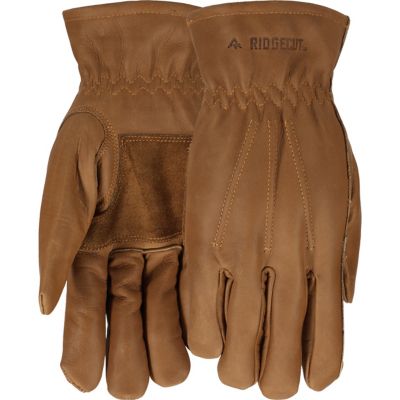
Leather Gardening Gloves connect with familiar tasks such as moving bagged soil, carrying pots, and gathering branches. No single material handles every farm chore equally well. Gloves that feel right around a rake handle may not offer the dexterity needed to thread a nut onto a bolt, and a flexible pair for light chores may not provide enough abrasion resistance for a long stretch of rough handling. Matching the construction to the work makes more sense than expecting one pair to do everything.
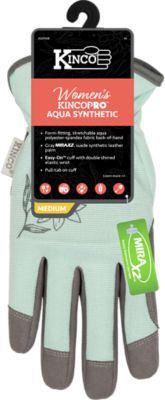
Fit has just as much to do with usefulness as material. Farm work gloves should sit close enough for control without squeezing the fingers or pulling tight across the knuckles when the hand closes. Extra fabric at the fingertips can get in the way of a small fastener, while a palm that bunches around a tool handle can create pressure spots. A glove that feels comfortable with the hand open should also allow a natural grip around a shovel, bucket handle, or pair of fencing pliers. Finger length, palm width, and thumb placement all affect that feel, which is why size charts based on hand measurements are more helpful than guessing from an everyday clothing size. Seams deserve attention, too. A raised seam across a gripping surface can become noticeable after repeated lifting, and reinforcement between the thumb and forefinger can help with wear in a spot that sees plenty of contact. Flexible knuckles and shaped fingers may ease movement during chores that involve switching between carrying, gripping, and fastening. Cuff styles change how a pair fits into the workday. A snug wrist helps keep loose chaff and bedding out, while a longer cuff adds coverage above the hand. Pull-on styles are straightforward for repeated on-and-off wear, and adjustable closures let the wearer fine-tune the wrist fit. Grip needs vary just as much. Carrying a smooth pail handle, holding a wooden rake, and picking up a dusty feed sack each put different demands on the palm surface. More padding is not always better; extra material can cushion contact but also make small parts harder to feel. Touchscreen-compatible fingertips can be handy for checking a phone without taking gloves off, though that feature does not replace a comfortable fit or a suitable palm. For livestock owners, gardeners, acreage owners, and farmhands alike, the most practical pair is one that supports the actual movements of the job rather than fighting them.
Protection ratings and care details help separate everyday chore gloves from gloves intended for particular hazards. Abrasion resistance, cut resistance, puncture resistance, and chemical resistance describe different things, and strength in one area does not establish protection in another. Leather can stand up to rubbing against rough materials, but ordinary leather work gloves are not puncture-proof and should not be treated as protection against every thorn, wire end, or sharp edge. Tasks involving cutting hazards call for a suitable cut-resistance rating, while handling cleaners, pesticides, or other farm chemicals requires gloves specified for that substance and exposure. The chemical label and glove manufacturer’s guidance matter more than a general description such as coated or waterproof. Liquid resistance also varies by construction; a coated palm with an exposed knit back does not seal the whole hand. Around machinery, glove selection belongs alongside the equipment’s safety instructions, since loose material can catch in moving parts. Care is another everyday consideration, especially when gloves spend time around soil, bedding, grease, and feed dust. Some fabric and coated styles allow machine washing, while leather generally needs a different cleaning approach. Manufacturer care directions help prevent stiffening, shrinkage, cracked coatings, or weakened seams. Letting gloves dry thoroughly after cleaning or damp chores, away from direct heat, helps preserve their shape and feel. Checking fingertips, palm seams, and coating surfaces for holes or separation makes it easier to spot a pair that no longer provides its original coverage. Gloves exposed to chemicals need handling and replacement according to the applicable safety directions, not just a quick rinse before the next chore. Keeping separate pairs for general handling and messier tasks can also limit the transfer of grime between jobs. Farm gloves make a practical gift for someone who spends time at the barn, in the garden, or maintaining a few acres, especially when the size and usual chores are known. A comfortable fit, useful grip, and construction matched to the work are the details that earn a pair its place beside the chore boots.