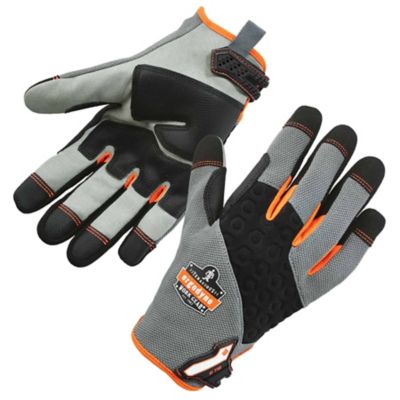
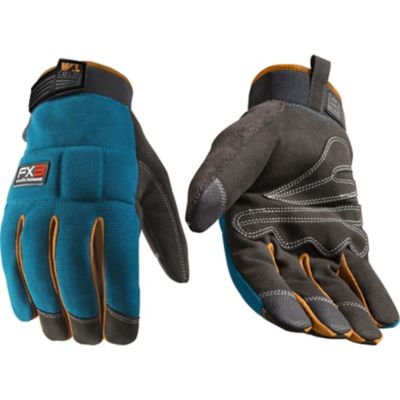
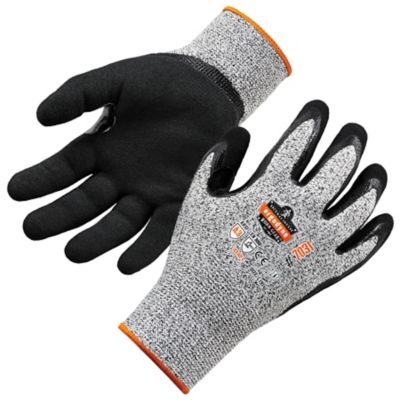
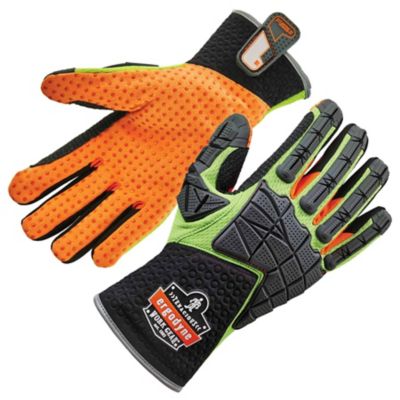
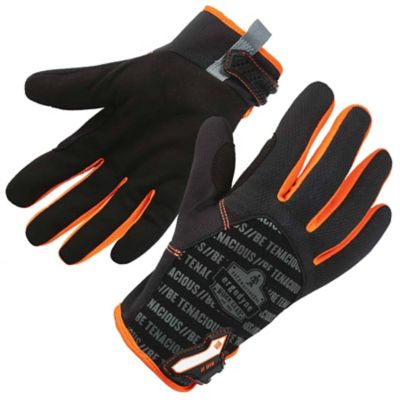
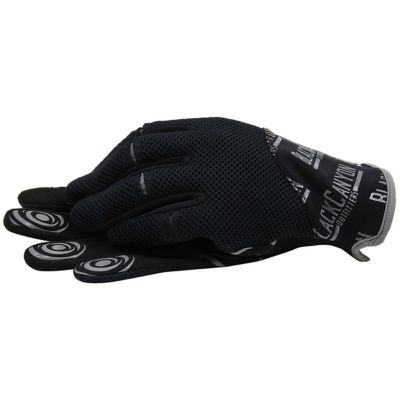
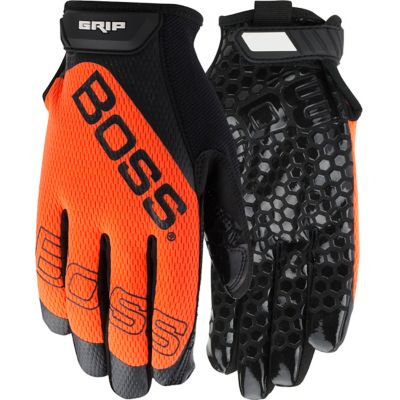
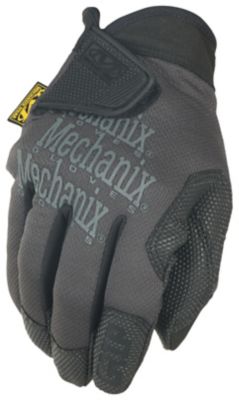
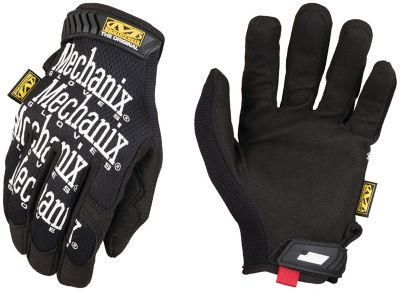
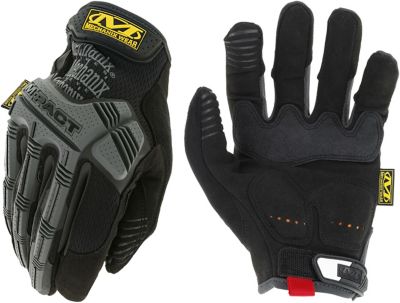
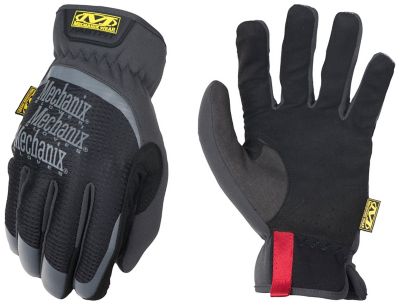
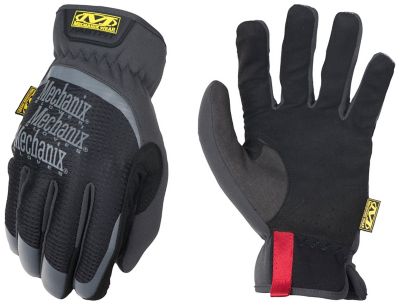
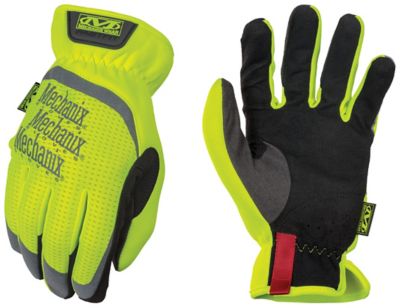
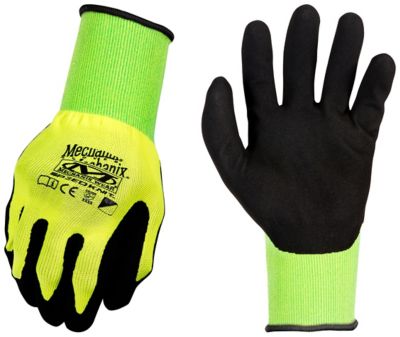
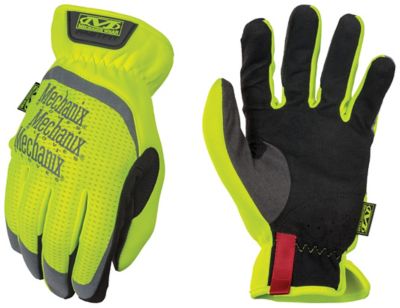
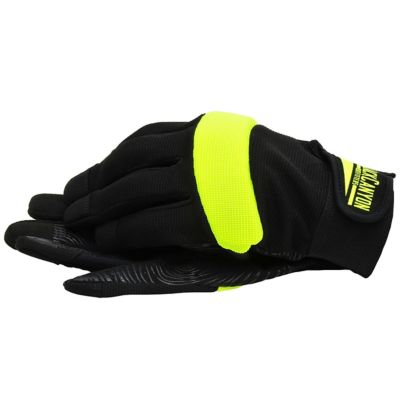
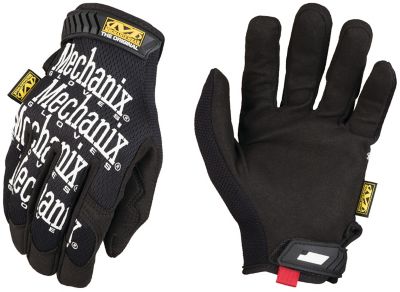
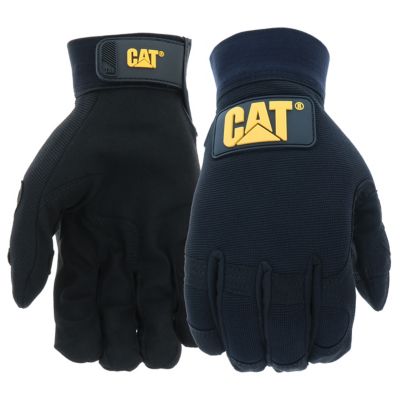
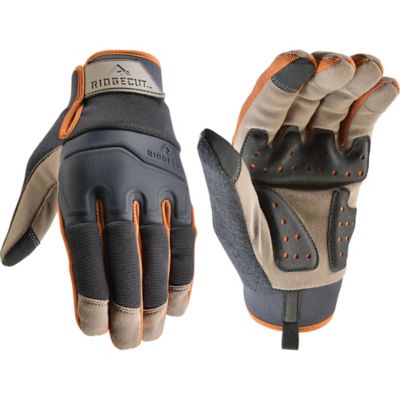
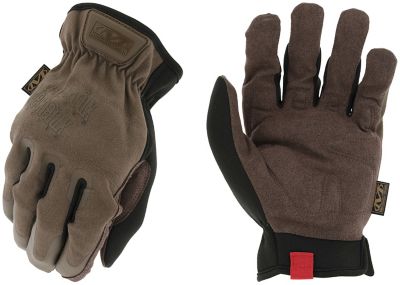
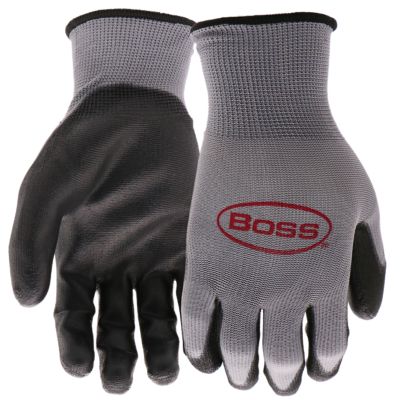
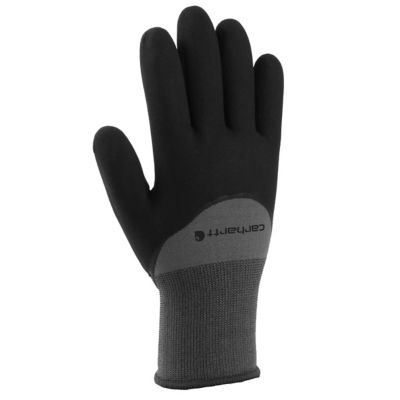
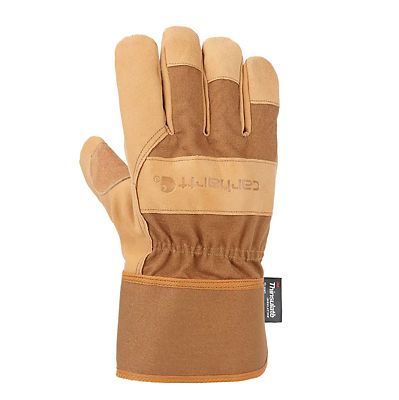
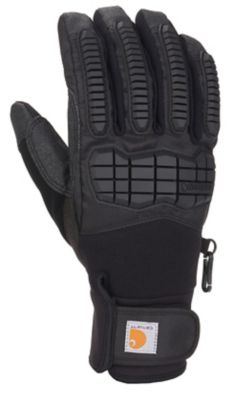
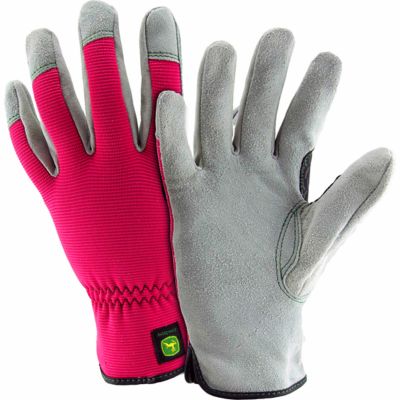
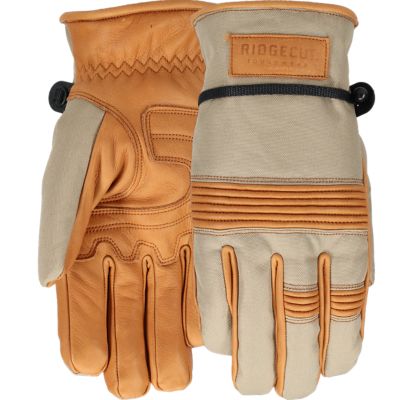
Mechanic gloves are made for the kind of hands-on work where bare hands take a beating but bulky work gloves get in the way. They can help protect against common shop hazards such as abrasions, grime, light scrapes, rough metal edges, oil, and everyday bumps while leaving you enough feel to handle small fasteners, wiring, sockets, and hand tools. Automotive technicians, farm and ranch owners, equipment operators, maintenance crews, fabricators, and weekend garage tinkerers all put mechanic gloves to good use. They are handy when changing filters, checking belts, servicing mowers, repairing trailers, working on tractors, or handling tools around the shop and barn. A traditional pair often combines a synthetic leather palm for grip and wear resistance with a breathable fabric back that allows air to move around your hands. Other styles add padded palms to help reduce hand fatigue during long sessions with drills, grinders, impact tools, or other vibrating equipment. Impact gloves typically include raised, flexible protection over the knuckles and back of the hand, which can be useful when working in tight spaces where hands may bump against frames or machinery. Cut-resistant designs are worth considering for fabrication, sheet metal, fencing, or jobs involving sharp edges, though the level of cut protection varies and should match the task. Heavy-duty leather options can provide added durability and puncture resistance for demanding work, while lighter synthetic materials tend to dry quickly, flex easily, and offer a closer feel for detailed repairs. Think about the work you do most often, then choose the protection level that fits it instead of reaching for the thickest glove in the bin.
Fit is one of the biggest factors in how well mechanic gloves perform. A glove that is too loose can catch on parts, make it harder to pick up a washer, and leave extra material bunching in the palm. One that is too tight may restrict movement, split at the seams, or become uncomfortable before the job is finished. Measure your hand according to the sizing information provided, and pay attention to finger length, palm width, and the way the cuff sits around your wrist. Adjustable hook-and-loop cuffs can help keep out dirt and hold the glove in place, while stretch panels and articulated fingers make it easier to bend, grip, and reach. Look for reinforced stitching in high-wear areas, textured palms for a steadier hold on oily or dusty tools, and breathable backs if you spend long hours in a warm garage or working outdoors as the weather warms. During the cooler months, a snug pair can be worn for equipment checks, firewood chores, and repairs without giving up all your finger control. Some mechanics wear a disposable nitrile glove underneath a fabric or leather mechanic glove to keep grease and fluids off their skin. This layered approach can be convenient, but it should not make the outer glove too tight or reduce your ability to safely operate tools. Let gloves dry fully after use, brush or wipe away dirt, and follow the care instructions before washing; heat and harsh cleaners can damage coatings, elastic, or protective padding. Keep a spare pair in the truck, tool chest, or barn cabinet so a torn or soaked glove does not bring a useful job to a halt. Mechanic gloves also make a practical gift for someone setting up a first garage, maintaining a farm truck, working on a project vehicle, or building a collection of dependable shop gear. They are small enough to tuck into a toolbox and useful enough to earn their keep quickly.
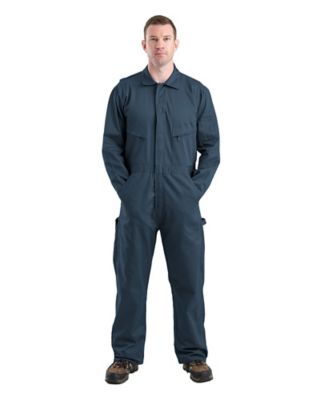
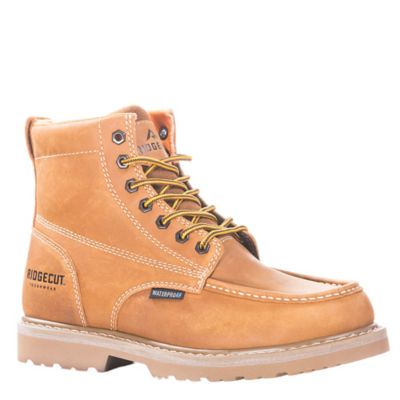
The right glove helps with everyday mechanical work, but it is important to match the glove to the hazard in front of you. Standard mechanic gloves are not designed for live electrical work, chemical immersion, welding heat, or protection from every sharp or crushing hazard. Anyone servicing a hybrid or electric vehicle should follow the vehicle manufacturer’s procedures and use properly rated, certified high-voltage rubber insulating gloves and the required protective equipment; ordinary mechanic gloves are not a substitute. For fuel, solvents, battery acid, pesticides, or other chemicals, check the chemical’s safety information and select gloves specifically rated for that exposure. When grinding, cutting, drilling, or working around flying debris, add eye and hearing protection and use task-appropriate protective equipment. Mechanic gloves work best as part of a sensible setup that may also include sturdy work clothing, knee protection, a well-lit work area, and reliable footwear. For people who spend the day on concrete, gravel, or uneven ground, comfortable, supportive
Shoes For Mechanics can help round out the job-ready kit. Before starting, inspect the gloves for worn palms, loose stitching, cracked coatings, or holes, especially after a long repair or a busy day maintaining equipment. Replace them when damage affects the fit or protection. Whether the work happens beneath a pickup, beside a hay baler, at a workbench, or under the hood of a mower, a well-fitting pair of mechanic gloves can help keep hands protected while preserving the control needed to get a good grip and finish the job.