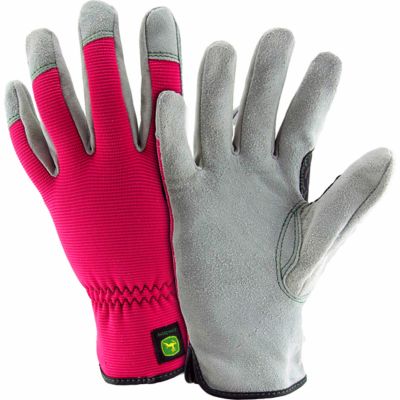
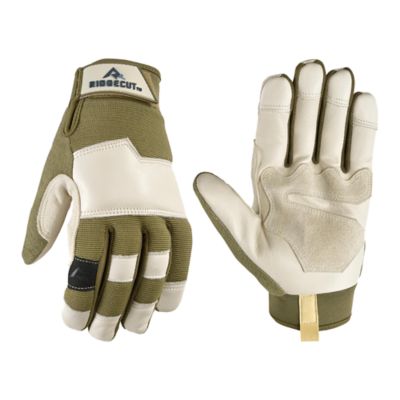
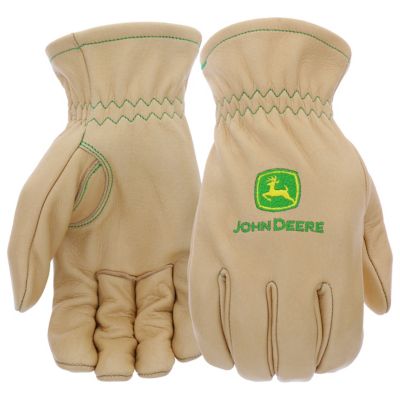
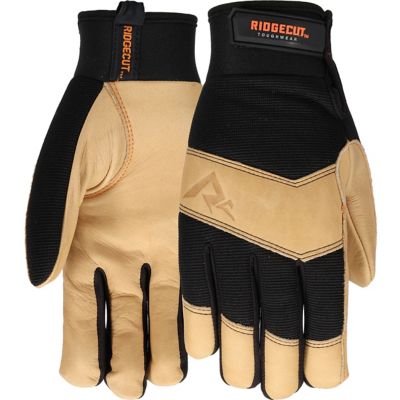
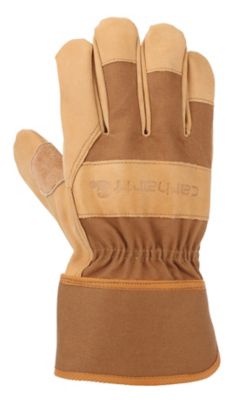
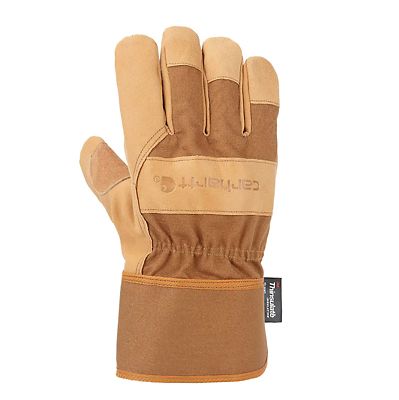
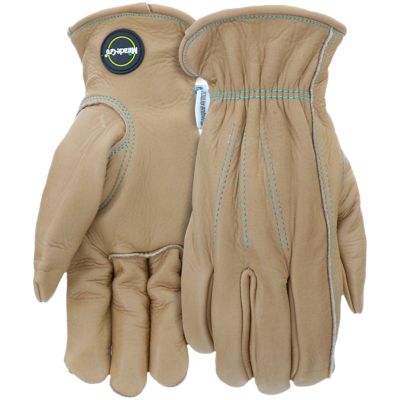
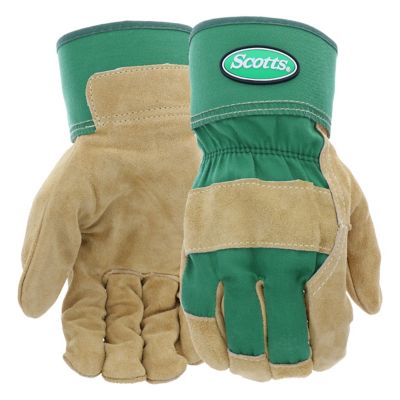
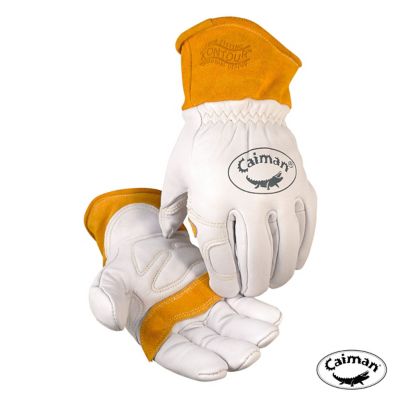
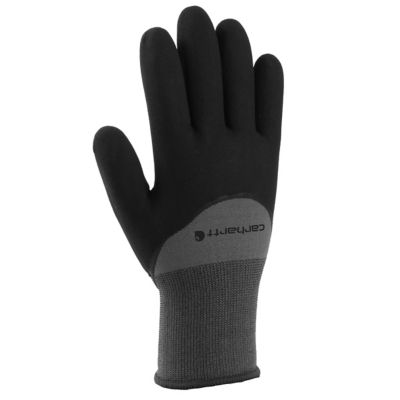
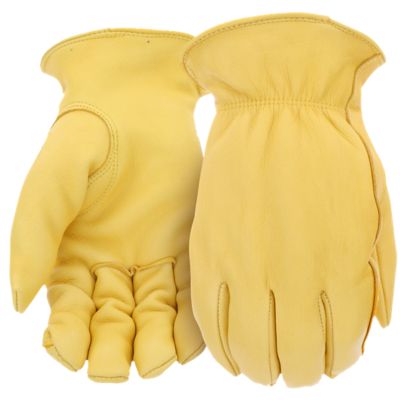
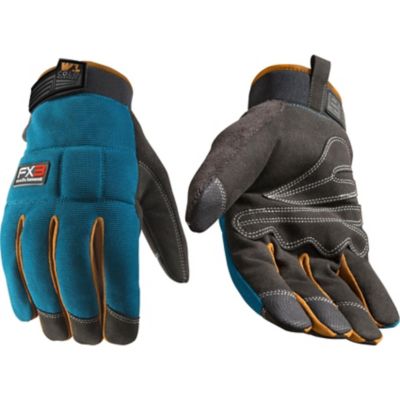
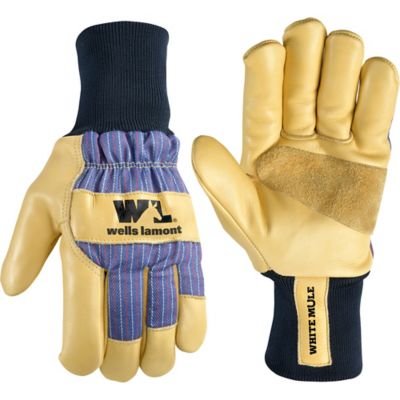
Leather gardening gloves help shield hands from rubbing, rough stems, and abrasive soil while leaving enough movement to grip tools and pull weeds. They’re a practical choice for pruning shrubs, carrying branches, working around raised beds, and handling the everyday mess that comes with keeping a garden in shape. A good match starts with the leather itself, since hide type, thickness, and construction all affect how a glove feels at work. Goatskin is generally supple and offers a close feel around tool handles, making it a good fit for jobs that mix gripping with smaller hand movements. Cowhide often has a heavier feel suited to hauling brush, handling rough lumber around garden beds, and moving tools or materials. Pigskin has a porous structure that supports breathability, though the lining and overall glove design also influence airflow. Deerskin is known for its soft feel and flexibility, which can appeal to gardeners who dislike stiff gloves. These differences are useful starting points, but leather type alone does not determine protection or how long a pair will last. The thickness of the palm, seam placement, reinforcement, and cuff design matter, too. Grain leather has a smoother outer surface, while split leather has a more textured, suede-like feel. A leather palm paired with a fabric back may offer easier movement than an all-leather design, although that fabric section will not provide the same coverage as leather. Reinforced palms and fingertips add material where shovel handles, tool grips, and repeated pulling tend to create wear. For everyday garden work, the goal is a glove that takes the scraping and rubbing without making every small task feel clumsy. A thick pair that feels right for dragging limbs may be more glove than needed for sorting plant labels or easing seedlings out of a tray.
Fit makes a noticeable difference once the work gets going. Leather gardening gloves should let the fingers bend naturally and the thumb reach across the palm without pulling tightly at the seams. Too much empty space at the fingertips can make it harder to grasp a weed near its base, while a palm that bunches up can become uncomfortable around a rake or spade handle. A close fit should still leave room to open the hand fully; leather may soften with wear, but a pair that pinches from the start is not a good bet. Sizing charts based on hand measurements are more helpful than assuming the same size works across every glove style. Finger length, palm width, and cuff opening all deserve attention, especially for smaller hands or broad palms. An elastic wrist can help keep loose soil out, while an adjustable closure offers more control over how snugly the glove sits. Short cuffs leave the wrist freer for frequent bending and quick tasks. Long-cuff leather gardening gloves, often called gauntlet gloves, extend coverage onto the forearms when reaching among rose canes, brambles, or scratchy shrubs. That extra length is handy when carrying an armful of trimmings, too, though the material and fit of the cuff still matter. Leather is not automatically thornproof, cut-resistant, or waterproof, and a thicker glove is no guarantee against a sharp point. Protection claims should come from the glove’s stated specifications, not its appearance. Ordinary gardening gloves also do not replace gloves rated for handling garden chemicals. For someone moving between digging, pruning, and transplanting, having different glove weights can make more sense than expecting one pair to do everything. A flexible pair suits the stop-and-start work around a vegetable bed, while a more substantial palm and longer cuff may suit clearing neglected corners along a fence. Neither needs to feel cumbersome; the best match leaves a steady hold on the tool without forcing a tighter grip than the job requires.
Care affects how leather gardening gloves feel from one round of chores to the next. Packed-in dirt can make folds and seams feel stiff, so brushing off loose soil before putting gloves away helps keep them ready for the next job. Cleaning directions vary by leather, lining, and finish; a washable label matters more than a general claim about the hide. Some pairs call for spot cleaning, while others permit a gentle wash under specified conditions. Soaking, harsh cleaners, and machine drying can change the fit or leave leather stiff, making the manufacturer’s care directions worth keeping. When gloves get damp, air-drying away from direct heat is generally gentler than leaving them on a heater or forcing the process with a dryer. A leather conditioner may help certain styles stay supple, but it should be compatible with the glove’s finish and care instructions. Storage matters as well: a clean, dry spot near the garden tools keeps gloves easy to find without leaving them buried under damp potting supplies. Checking fingertips, thumb seams, and palm patches for thinning helps reveal when protection is wearing away. A loose seam or worn-through finger deserves attention before the next load of rough branches. For gardeners who spend hours tending vegetable rows, maintaining flower beds, or keeping a small acreage tidy, gloves are everyday working gear rather than an afterthought. They can also make a thoughtful gift for someone putting in a first garden or tending a well-established patch, especially when hand size and favorite chores are known. For related options suited to planting and tending beds, browse
Spring Gloves for Outdoor Gardening. Whether the day’s work means pulling stubborn roots or carrying a bucket of hand tools down the garden path, well-fitting leather gloves bring useful coverage and a comfortable grip to the job.