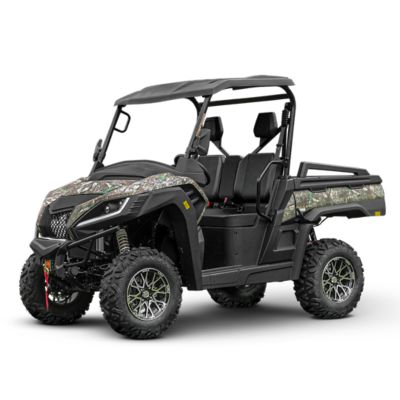
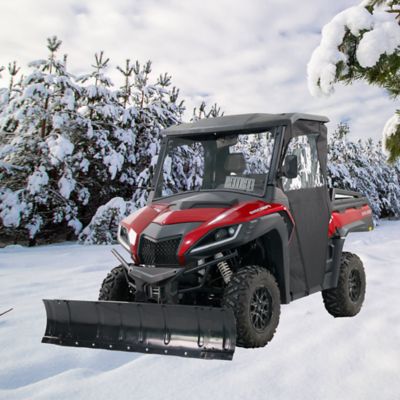
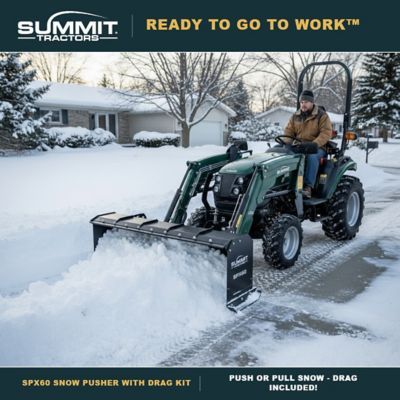
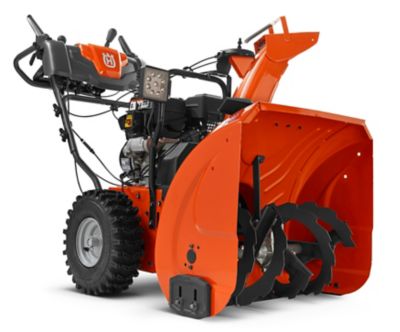
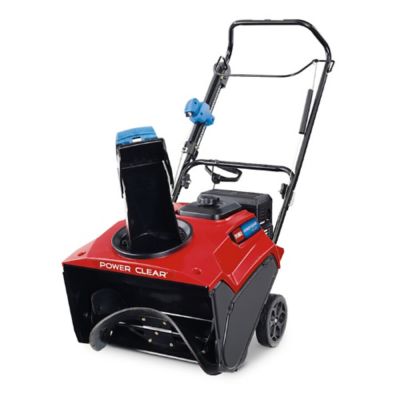
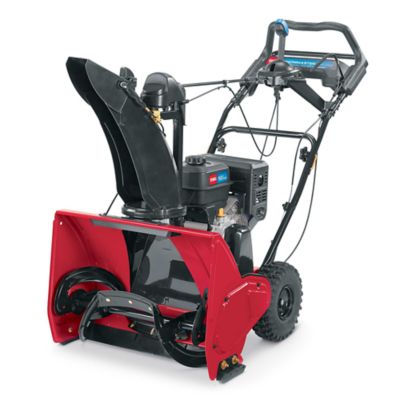
Snow vehicles are built to keep moving when ordinary tires and open ground vehicles begin to struggle. Depending on the type, they can carry a rider across packed trails, pull a sled through deep snow, haul tools and supplies, or clear narrow paths around a farm, lodge, cabin, or large property. Common categories include recreational snowmobiles with front skis and a rear continuous track, compact tracked utility machines made to tow gear, heavier multi-track vehicles for hauling and rescue work, and narrow sidewalk snow vehicles designed to work in tight pedestrian areas. Each style has a different job, so it helps to think about the ground you need to cover and the work you need to get done before choosing equipment. A groomed trail and a steep wooded hillside call for a different setup than a long driveway, pasture access road, or snowy walkway. Deep powder, packed snow, ice, uneven ground, and slopes can all affect traction and handling. Riders who want a faster way to explore winter trails may focus on seating, steering, suspension, storage, and overall comfort, while property owners may place more importance on towing strength, track design, operator visibility, and the ability to move steadily at low speeds. For a broader look at machines and tools that help with winter work, visit
Equipment For Snow.
When shopping for snow vehicles, start with the practical details that shape everyday use. Measure the areas where the machine will travel, including gates, barn doors, trail entrances, and narrow walkways, and check the surface conditions that tend to build up during the cooler months. A compact machine can be easier to store and maneuver around outbuildings, while a larger tracked vehicle may offer more pulling power and room for cargo. Consider whether the operator will travel alone or with a passenger, and look for a layout that makes mounting, steering, stopping, and loading feel manageable in bulky winter clothing. Power source matters, too. Gas-powered equipment can be a familiar choice for longer outings and remote work, while electric equipment may appeal to shoppers looking for quieter operation and simpler routine maintenance. Pay attention to operating range, fuel or charging needs, cold-weather starting, weight, turning radius, and transport requirements. If the machine will tow a sled, supplies, or a small trailer, verify that the vehicle and hitch setup are suited to the expected load and terrain. Storage is another detail that is easy to overlook until the first storm rolls in. A dry, sheltered space helps protect the engine, battery, controls, belts, tracks, and other components from moisture and freezing temperatures. Before heading out, operators should use the appropriate helmet and cold-weather gear, check visibility, inspect the track or traction system, and make sure lights, brakes, steering, and safety controls are working properly. Keeping a small recovery kit, extra clothing, water, and communication device close by is sensible for longer trips, especially on wooded property or remote trails.
Snow vehicles can be useful for a wide range of people, from rural landowners and outdoor workers to trail riders, cabin owners, maintenance crews, and families who enjoy spending time outside when the landscape turns white. A utility-minded shopper might use one to bring feed to livestock, reach a remote gate, check fences after a storm, or pull firewood and supplies across a drifted field. A property manager may need a narrow machine for clearing access around buildings and pedestrian paths, while a search, rescue, or trail crew may depend on a tracked vehicle to carry equipment where trucks cannot travel easily. For recreation, a snow vehicle can open up miles of winter scenery, from quiet timber roads to wide-open fields, with the right machine matched to local rules and trail conditions. These machines can also make thoughtful gifts for an experienced winter sports enthusiast, a new property owner, or someone who spends long hours caring for land in cold weather. Gift shoppers should consider the recipient’s experience level, storage space, transportation options, and intended use rather than choosing by appearance alone. A first-time operator may appreciate a manageable design and straightforward controls, while a seasoned rider or working landowner may be looking for more cargo capacity, towing ability, or long-distance comfort. No matter the purpose, snow vehicles work best when they are matched to the terrain, maintained according to the manufacturer’s instructions, and operated with patience. Fresh snow can hide rocks, stumps, fences, thin ice, and uneven ground, so taking time to learn the route and adjust speed to the conditions helps make winter travel safer and more enjoyable.