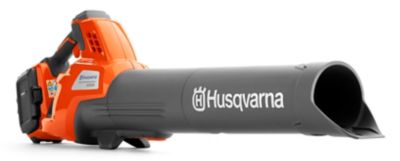
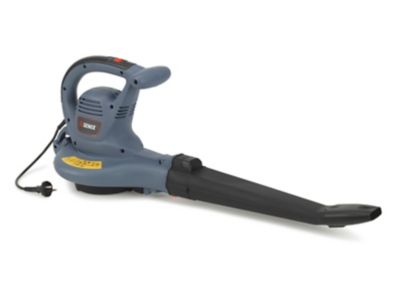
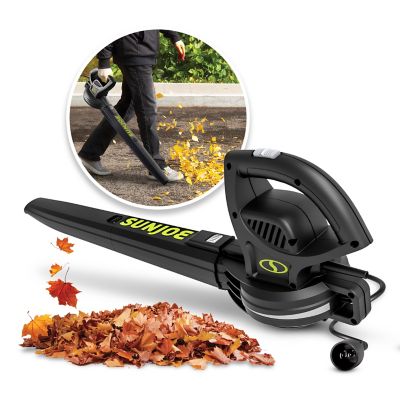
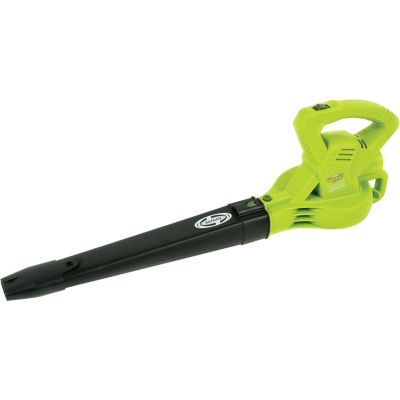
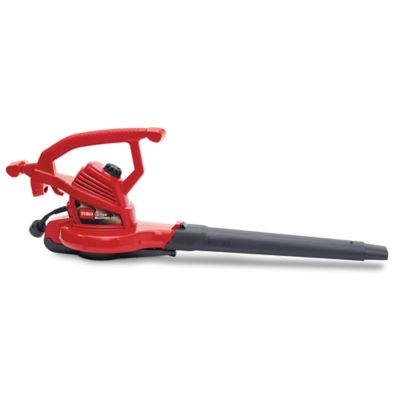
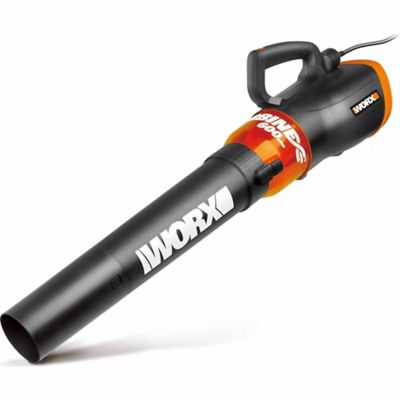
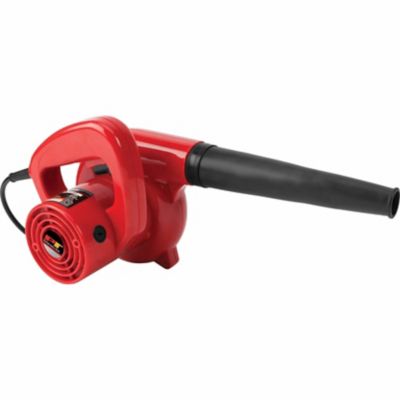
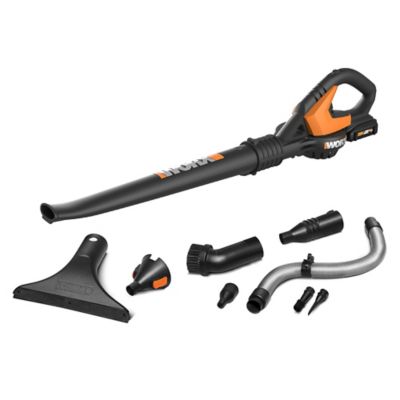
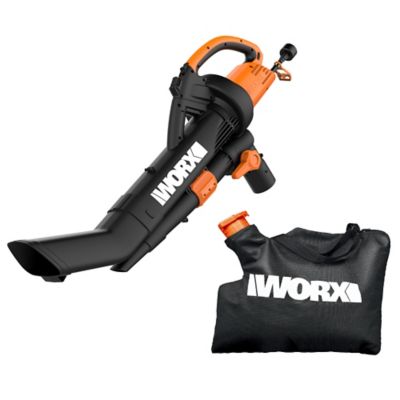
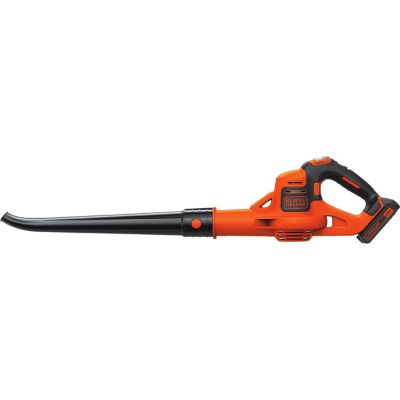
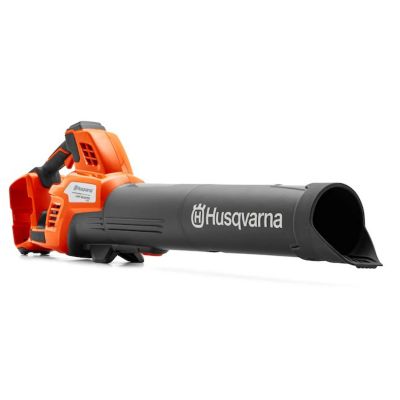
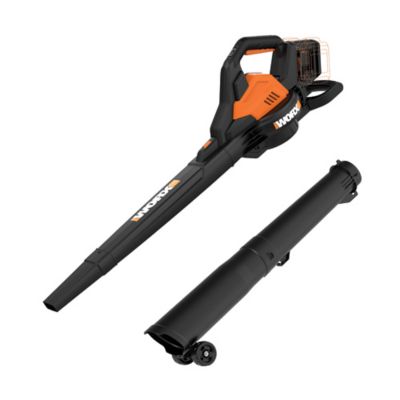
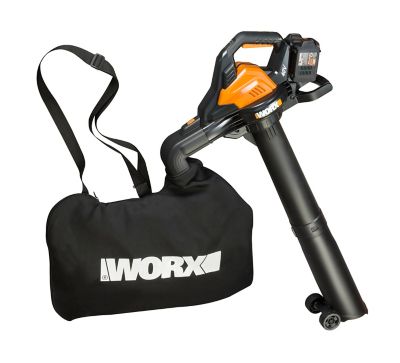
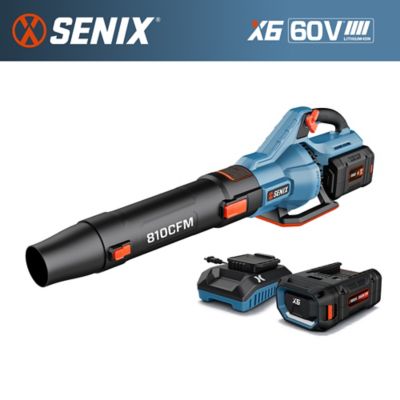
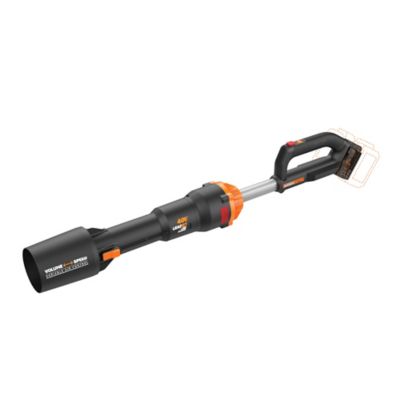
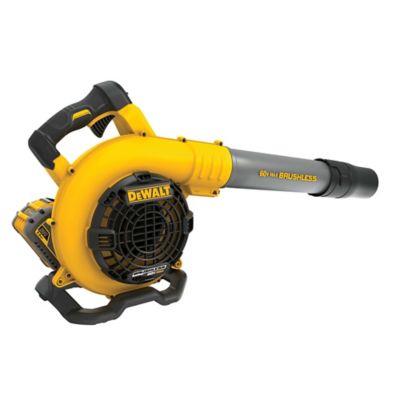
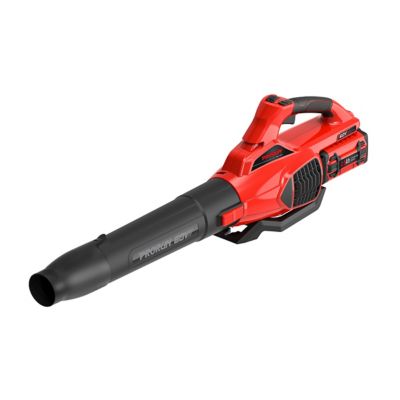
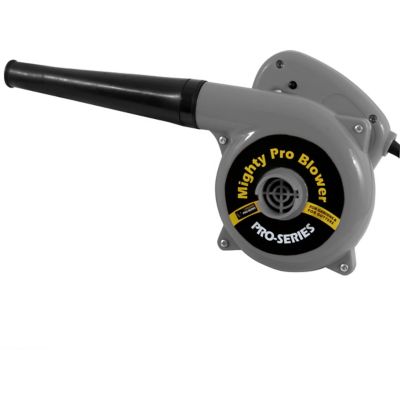
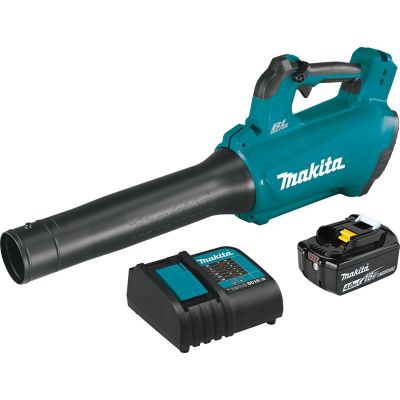
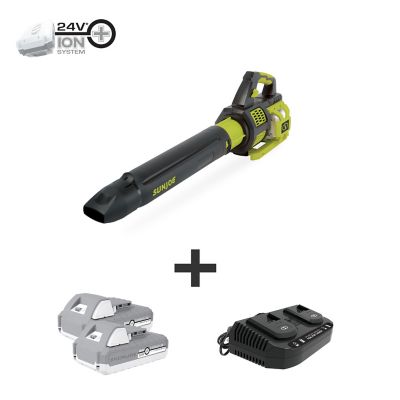
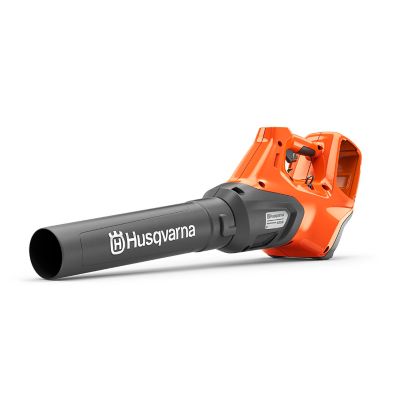
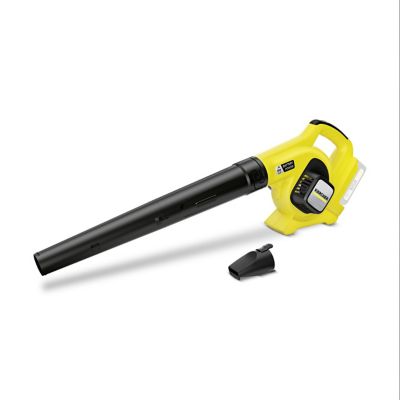
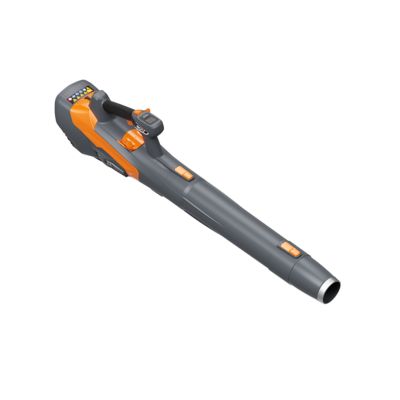
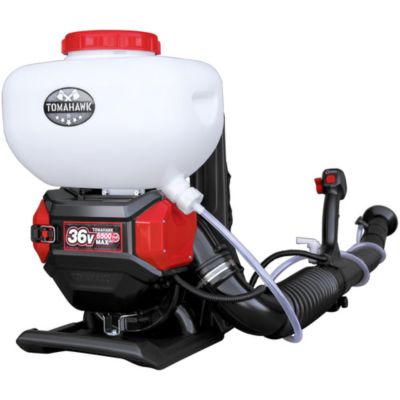
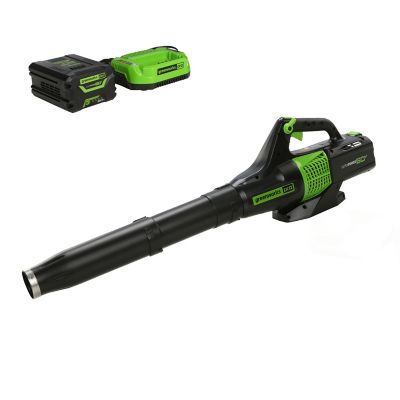
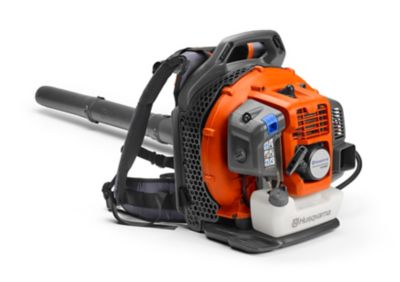
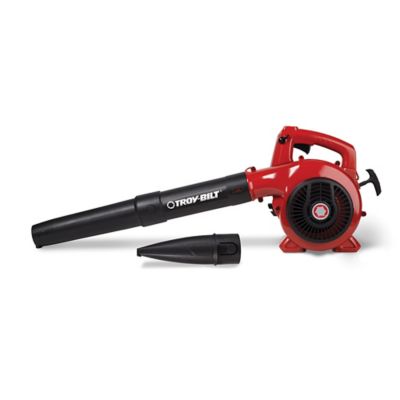
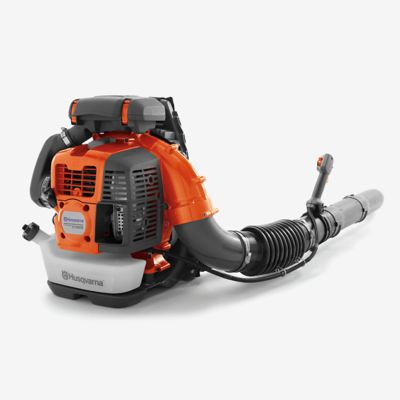
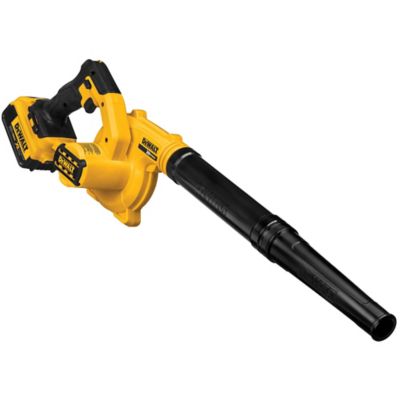
Electric leaf blowers put moving air to work on the leaves, grass clippings and light yard debris that collect around a home or acreage. They’re a practical fit for clearing a front walk, tidying the driveway after mowing or moving fallen leaves away from the garage door during the cooler months. With no gasoline to mix or engine oil to change, electric models keep routine upkeep fairly simple, and they produce no engine exhaust at the tool. The main choice is between corded electric leaf blowers and cordless, battery-powered leaf blowers. Corded models draw power from an electrical outlet, so there’s no battery runtime to manage during a longer cleanup. Their working range depends on a properly rated outdoor extension cord and access to an outlet, making them a sensible match for patios, smaller lawns and stretches of driveway near the house. Cordless models run on rechargeable batteries and leave the cord behind, which comes in handy around trees, along fence lines and out by a detached shed. Runtime varies with battery capacity, blower design and speed setting; running at full output generally drains a charge faster than clearing scattered leaves at a lower setting. For a property with several separate cleanup areas, battery compatibility can matter as much as the blower itself. Batteries and chargers must match the manufacturer’s specified system, even when two batteries carry the same voltage rating. Handheld electric blowers suit everyday touch-ups and shorter rounds across the yard, while battery-powered backpack designs shift more of the load onto the back and shoulders for longer work sessions. Neither style has to tackle an entire property to earn its place in the shed. A blower that comfortably handles the porch, walkway and parking area can take much of the sweeping out of regular outdoor chores. For homeowners, gardeners and folks maintaining a small acreage, the best fit comes down to the ground being covered, the debris being moved and how long the work usually takes.
Air volume and air speed describe different parts of an electric leaf blower’s performance. CFM, or cubic feet per minute, measures how much air the blower moves, while MPH, or miles per hour, measures how fast that air travels. Higher air volume helps carry a broad swath of leaves across a lawn, while air speed helps loosen debris from a surface. Neither number tells the whole story on its own: nozzle shape, blowing force and the condition of the leaves also affect how a blower handles a job. Dry leaves scattered across concrete generally take less effort to move than damp leaves pressed into grass. For heavier leaf cover or wider cleanup areas,
High CFM Leaf Blowers put the focus on air volume, though tool weight and power demands still deserve a look. When manufacturers list blowing force in newtons, that measurement provides another way to compare output, especially when test conditions are comparable. Battery voltage alone doesn’t establish blowing performance, and a larger battery can add working time as well as weight. Variable-speed controls make a noticeable difference around the yard. A lighter touch can move leaves off a gravel path without scattering as much stone, while stronger airflow helps gather a wider layer on open turf. A speed lock can reduce the need to hold a trigger in one position, and a temporary boost setting provides extra output when a stubborn patch calls for it. Boost settings typically shorten battery runtime. Brushless motors eliminate motor brushes that wear over time and can improve efficiency, although overall performance still depends on the complete tool design. Some electric blowers also convert to leaf vacuums or mulchers, collecting suitable debris in a bag and breaking leaves into smaller pieces. Those functions can be handy where blowing leaves into a pile isn’t the whole job, but collection bags, conversion steps and limits on acceptable debris vary by model.
Comfort and construction matter once a quick sweep turns into a full round of the yard. Tool weight should include the battery when comparing cordless handheld blowers, since the battery can change both the load and the balance in your hand. A well-placed handle, a grip that feels secure with work gloves and controls within easy reach help make steady passes less tiring. On backpack styles, adjustable shoulder straps and padding should hold the load close without rubbing or restricting movement. Tube length and nozzle position also affect posture; a comfortable setup directs air toward the ground without constant bending or an awkward wrist angle. Molded plastic housings help keep weight manageable, while securely attached tubes and protected controls support regular outdoor work. Materials alone don’t determine service life, so the manufacturer’s maintenance directions and intended operating conditions remain important. After cleanup, keeping air intakes clear helps the motor cool properly, and checking tubes for blockages keeps airflow from dropping off. Vacuum and mulcher attachments need attention to the collection bag and intake path, with the tool disconnected from power before inspection or clearing a jam. Corded blowers call for an outdoor-rated extension cord of the specified gauge and length, along with GFCI protection as directed. Keeping the cord out of the debris pile and away from traffic makes work around walks and driveways easier to manage. Battery-powered tools need the specified charger and storage within the temperature range in the manual, particularly as nights turn colder. Unless the manufacturer explicitly permits wet-weather operation, keep the blower out of rain and wet conditions. Eye protection, sturdy footwear and hearing protection appropriate to the tool belong with the task, too; electric doesn’t mean silent. Directing airflow away from people, pets, vehicles and windows helps prevent flying debris from causing trouble. With the right balance of reach, airflow and comfort, an electric leaf blower fits neatly into the regular work of keeping outdoor spaces clear.