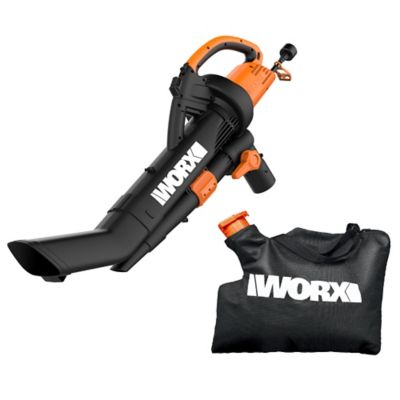
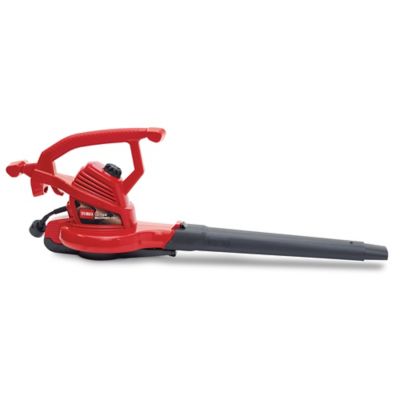
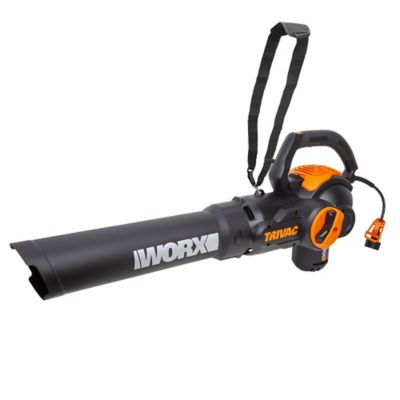
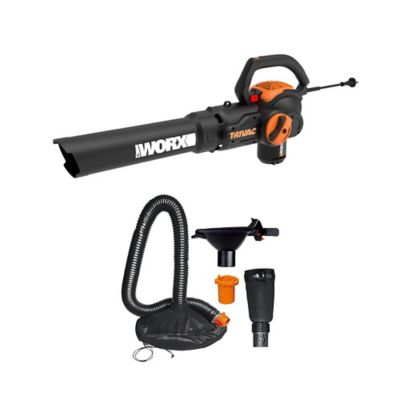
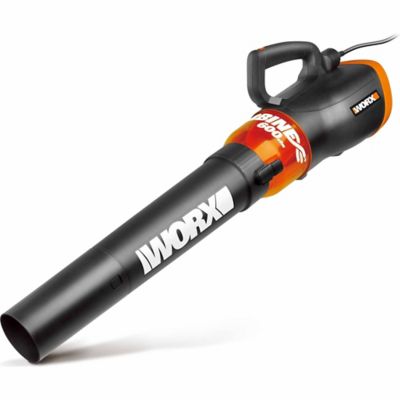
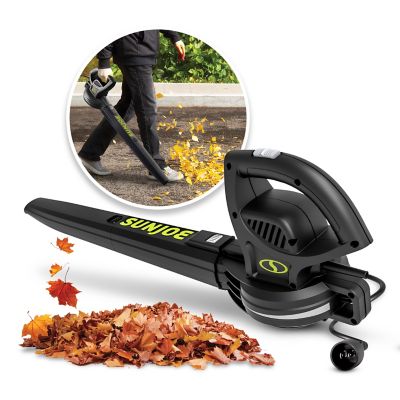
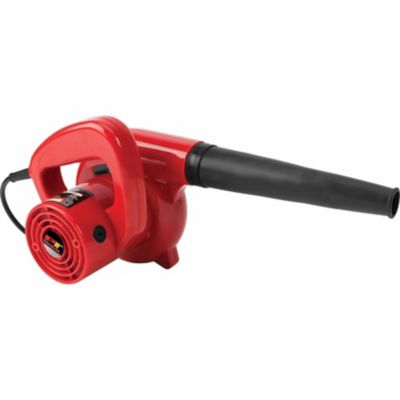
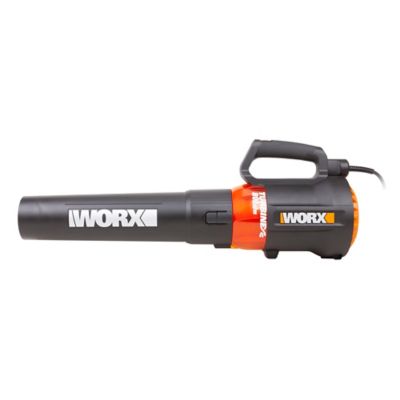
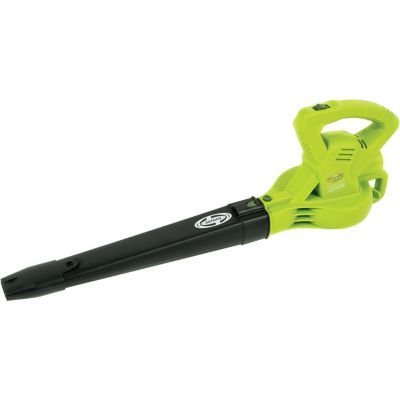
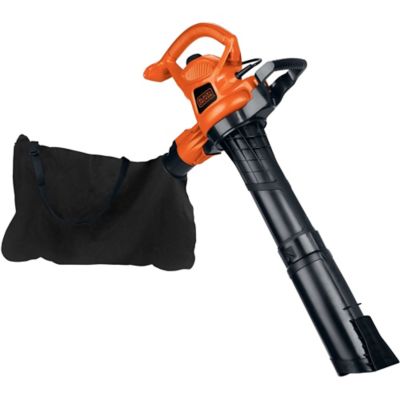
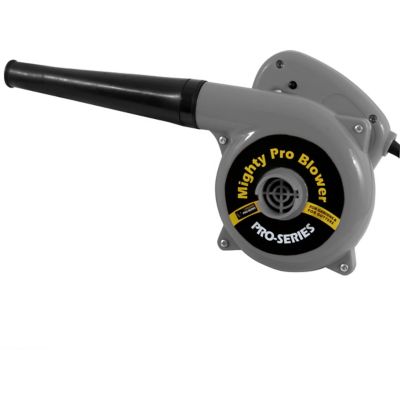
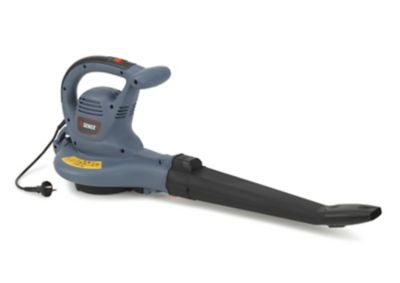
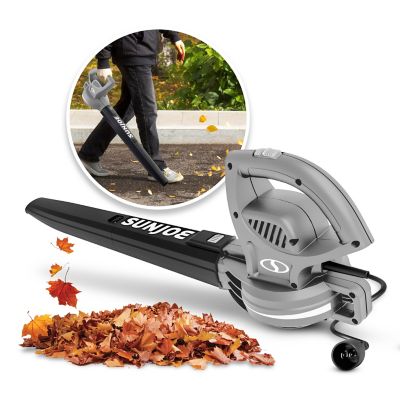
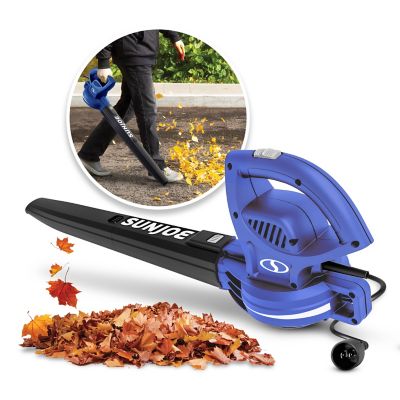
Corded electric leaf blowers bring steady, plug-in power to the everyday job of keeping outdoor spaces clear. They fit especially well around homes, garages, sheds, and smaller yards where a suitable electrical outlet is within reach. A drift of leaves along the porch steps, grass clippings scattered across a paved walk, or dry debris gathered against a fence can turn a tidy place into another chore before supper. A corded blower helps gather that loose material into a manageable pile without a gasoline engine to fuel or a battery to recharge. Within the broader
Electric Leaf Blowers category, corded models make sense for folks whose cleanup routes stay close to a power source. Their working range depends on the extension cord and the tool’s electrical requirements, so the layout of the property matters as much as its size. An open front walk and a short driveway present a different setup than a yard divided by gates, trees, and outbuildings. These blowers are handy for routine touch-ups as well as heavier leaf cleanup in fall, when dry leaves collect beneath shrubs and along the edges of patios. They can also help clear grass clippings from hard surfaces after mowing, keeping that material off walkways and out of the street. For a homeowner tending a compact yard or someone maintaining the area around a workshop, the appeal is straightforward: a tool that handles loose outdoor debris with less sweeping and raking on suitable surfaces. Broad, open pavement gives the airflow room to move material, while corners and planting beds call for more control. The best match comes down to the space, the debris, and how comfortably the blower fits into the work already happening around the place.
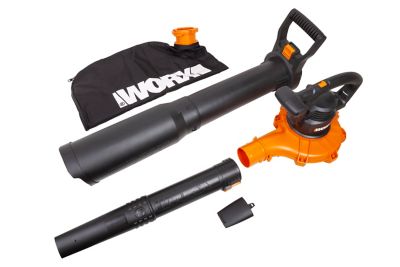
Airflow, handling, and construction all shape how a corded electric leaf blower feels once the cleanup starts. Air volume, commonly listed in cubic feet per minute, describes how much air the blower moves, while airspeed, commonly listed in miles per hour, describes how fast that air travels. Neither number tells the whole story on its own. Moving a broad layer of loose leaves across a driveway is different from shifting material caught in a pavement seam, and nozzle shape helps direct the airflow for those tasks. Variable-speed controls give the operator room to ease back near mulch, gravel, and tender plants rather than blasting everything in the path. More airflow is not always better when the goal is to move leaves without scattering the ground cover underneath. A focused nozzle can help direct a narrow stream, while a wider opening can cover more ground with each pass, depending on the design. Weight and balance deserve just as much attention as power figures. A comfortable grip, a reachable switch, and a handle position that lets the wrist stay relaxed can make a noticeable difference along a long stretch of sidewalk. The extension cord adds its own pull, particularly when it catches around a step or drags across rough pavement. Cord-retention features help reduce accidental disconnections, though they do not replace a clear cord path. Housings often combine molded plastic with metal components around the motor and other working parts, keeping the tool manageable while protecting its internal assembly. Tube connections, switches, and handles should feel secure, with no looseness that makes the blower awkward to control. Some corded designs also provide vacuum and mulching functions. Those features serve a different cleanup style, gathering suitable dry leaves into a collection bag and reducing their volume rather than simply moving them into a pile. Conversion steps, bag capacity, and the kinds of debris permitted vary by model, making the manufacturer’s instructions an important part of matching the tool to the chore.
Living with a corded leaf blower also means making room for the cord, the collected debris, and a little care between jobs. An outdoor-rated extension cord with the wire gauge and length specified for the blower helps support proper operation; a longer reach is not a reason to overlook electrical requirements. A ground-fault circuit interrupter-protected power source adds protection around outdoor work areas, and cords belong clear of standing water, sharp edges, vehicle traffic, and places where someone could trip. Dry conditions offer a better setting for this kind of electrical yard work, and dry leaves generally move more easily than a heavy, rain-soaked mat. Eye protection helps shield against flying grit, while hearing protection should follow the tool’s instructions and the noise level of the task. Even without a gasoline engine, a blower produces motor and airflow noise, so nearby neighbors, people, and animals still deserve consideration. Dusty areas, loose stones, and fragile surfaces also call for restraint. These tools suit leaves, clippings, and other permitted light debris, not ash, hazardous dust, or material that could injure someone when thrown. After the work, clear air openings and a clean exterior help keep debris from building up around the tool. Unplugging before cleaning, inspection, or attachment changes keeps care straightforward and safer. Collection bags on vacuum-capable models need attention too, with seams, closures, and airflow paths checked according to the manual. Storage works best in a dry, sheltered spot where the blower tube will not get knocked sideways and the cord can rest without tight bends or damage. For households that already keep a rake, mower, and broom close at hand, a corded electric leaf blower fills a practical place alongside them. It handles the loose material scattered across the working edges of a property, leaving the rake for gathering and the broom for the last bit by the door. A sensible fit, manageable controls, and a suitable power connection make that cleanup feel less like wrestling equipment and more like getting the place squared away.