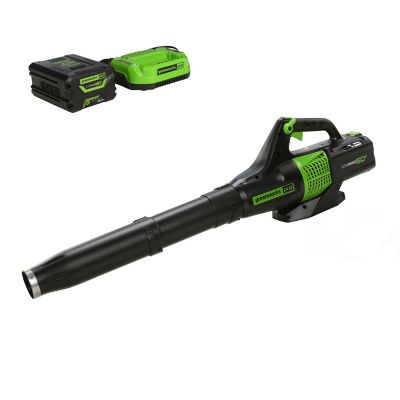
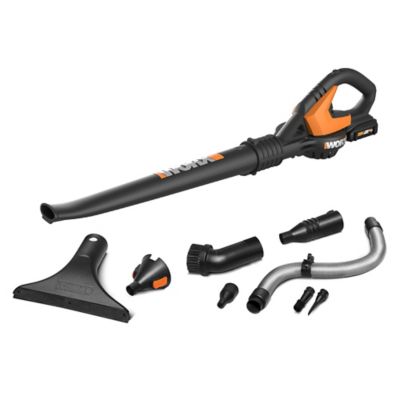
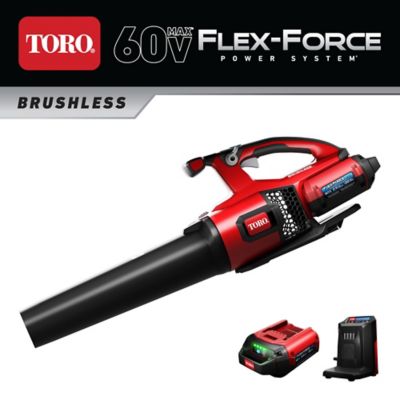
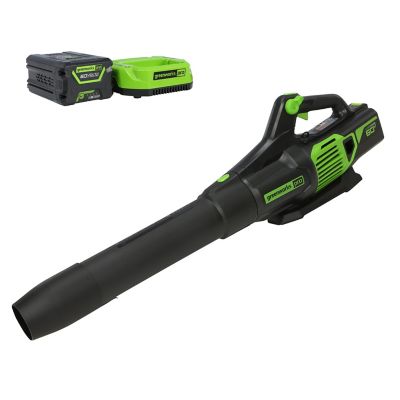
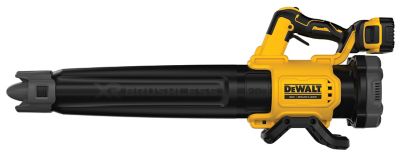
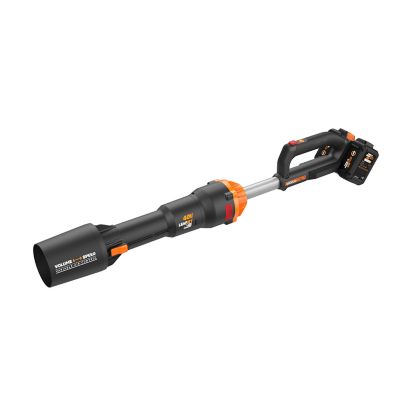
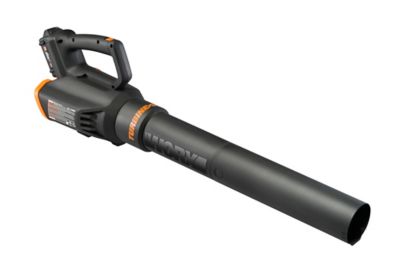
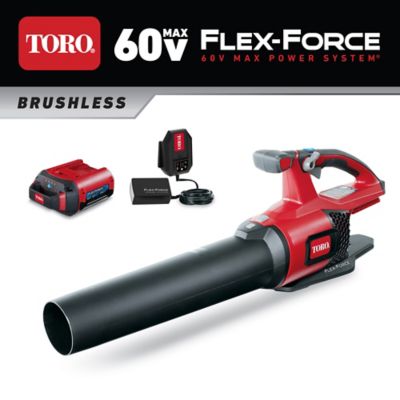
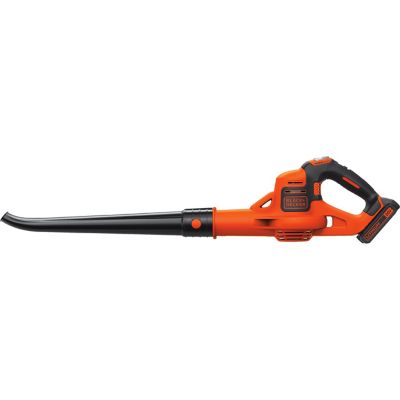
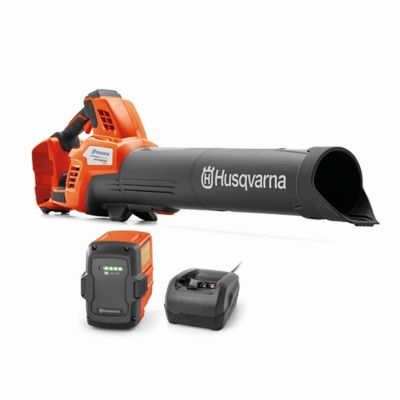
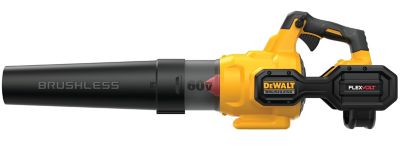
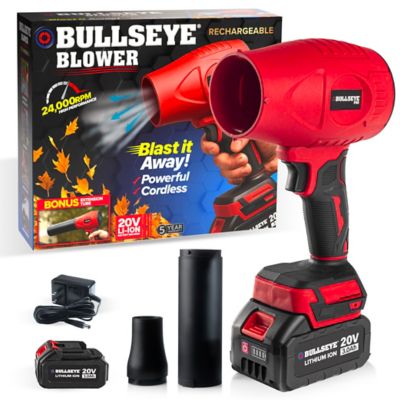
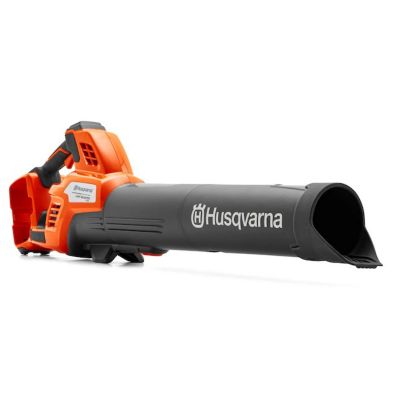
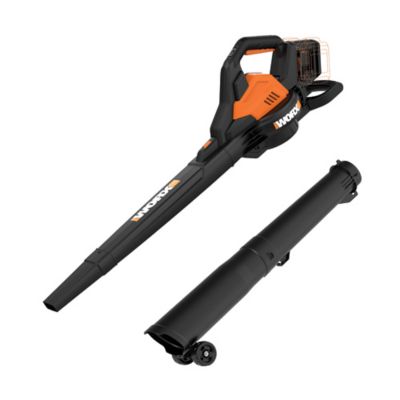
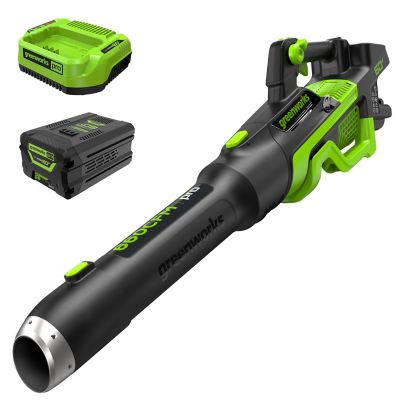
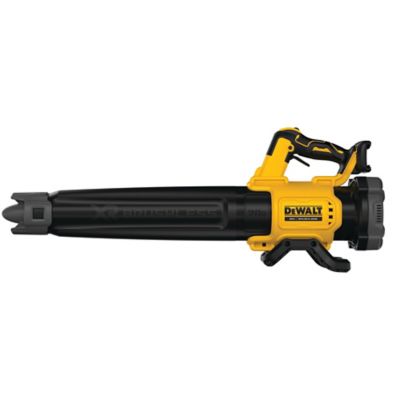
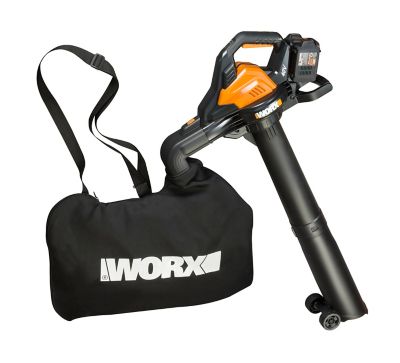
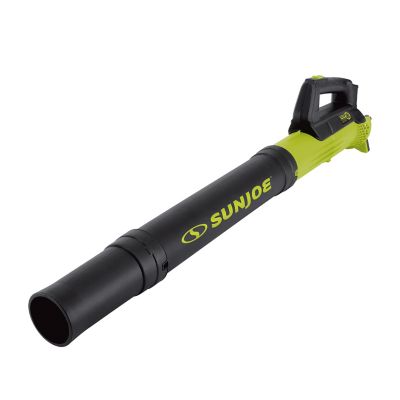
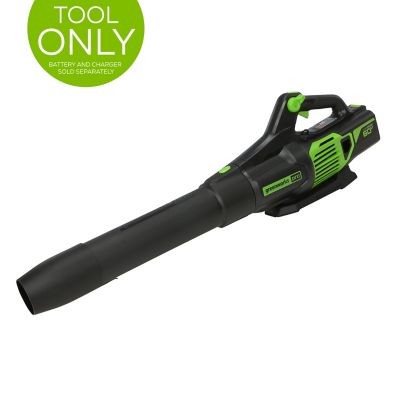
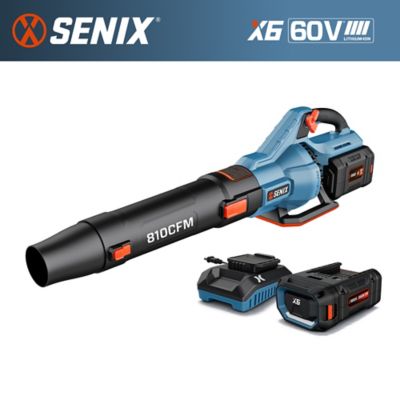
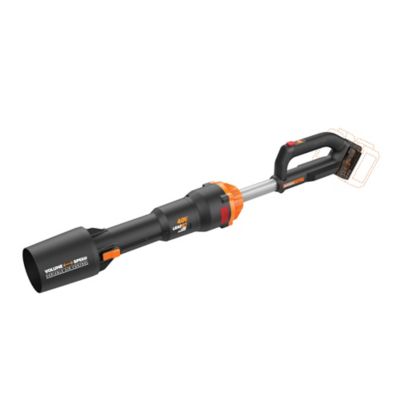
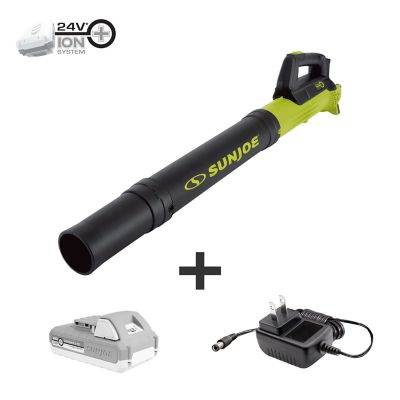
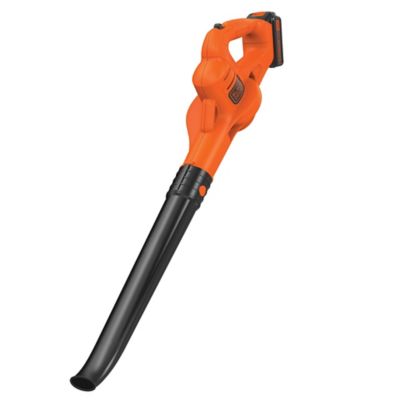
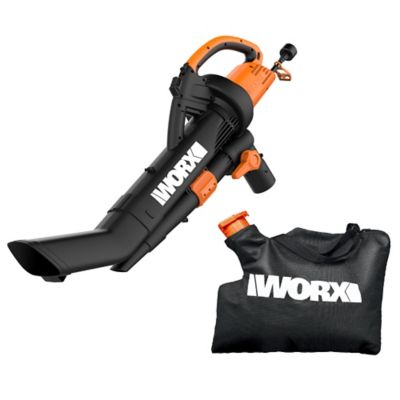
Cordless handheld leaf blowers are battery-powered yard tools that move leaves, grass clippings and other loose debris with a directed stream of air. Their handheld design keeps the motor, fan and controls together in a tool carried by its handle, while a rechargeable battery supplies power without an extension cord or a gas tank. That setup suits the everyday rounds around a place: clearing clippings off the driveway after mowing, gathering leaves along a fence or tidying the walkway between the house and shed. There’s no pull-start routine, no fuel mixing and no exhaust from the tool, though the fan still makes noise and hearing protection may be necessary. For many homeowners, a cordless leaf blower makes a handy companion to a rake, broom and mower rather than a replacement for every cleanup tool. Airflow, commonly listed in cubic feet per minute, or CFM, describes the volume of air moving through the blower. Airspeed, commonly listed in miles per hour, or MPH, describes how fast that air travels. Both matter: moving a broad layer of loose leaves calls for air volume, while directing air into a tight corner benefits from a concentrated stream. Neither number alone tells the whole story, since tube shape, power settings and the debris itself affect results. Dry leaves on pavement generally move more readily than damp leaves tangled in grass, and packed-down material may still call for a rake. Variable-speed controls allow a gentler push around flower beds and a stronger stream across open pavement. A temporary boost setting, where provided, adds power for stubborn patches but draws more from the battery. Wide and tapered tube designs shape the air differently, so the right fit depends on whether the job is gathering scattered leaves into a row or working along steps and edges. For gravel drives and mulched beds, controlled airflow helps move leaves without sending the surface material along with them.
Battery performance and handling make a big difference in how a cordless handheld blower fits the chores ahead. Runtime depends on the blower’s power draw, battery capacity, speed setting and workload, so a single runtime figure doesn’t describe every cleanup. A quick pass over the porch is a different job from moving a thick layer of leaves across a large lawn. Within the same voltage platform, a higher amp-hour battery generally holds more charge, but it can also add weight. Voltage alone isn’t a complete measure of blowing power; the motor, fan and airflow path matter, too. Brushless motors can help improve efficiency and eliminate the need to replace motor brushes, although overall performance still depends on the tool’s design. Battery compatibility deserves a close look when other cordless equipment already has a place in the shed. A battery must be specifically approved for the tool, and matching voltage numbers do not establish compatibility. The charger needs to match the battery as well. A compatible spare battery can help keep longer jobs moving, with charging time and the manufacturer’s cooling requirements factored into the work. Just as important is the weight in hand with the battery and blower tube attached, not simply the weight of the bare tool. A balanced design helps keep the nozzle pointed toward the ground without constant wrist correction. Grip shape, trigger reach and the location of speed controls affect comfort, especially when cleanup takes more than a few minutes. A speed-lock feature, when included, can reduce the need to hold a trigger at one setting throughout a long pass. Molded plastic housings help keep weight manageable, while secure tube connections keep the airflow directed where it belongs. Adjustable tube length, where offered, can help accommodate different operator heights. For someone tending a small yard, compact handling may matter most; for a larger property, stronger airflow and battery capacity may carry more weight in the decision.
Around a home, acreage or small business, cordless handheld leaf blowers fit jobs where freedom to walk between work areas matters. There’s no extension cord to route around a gatepost, and moving from the front walk to the shed doesn’t require finding another outlet. For work that stays close to electrical service,
corded electric leaf blowers offer another approach, with continuous power while connected to a suitable outlet and properly rated extension cord. Cordless operation trades that connection for the need to charge and manage batteries. Either way, the tool should match the size and character of the cleanup rather than simply the highest power number. A narrow walkway beside a garden calls for more restraint than a broad stretch of pavement. Loose leaves beside a parked truck need a clear direction of travel, away from paint, windows and passing traffic. Around livestock pens and pet areas, keeping animals away from the work zone helps prevent trouble from noise and flying debris. Eye protection, sturdy footwear and hearing protection appropriate to the tool belong with the job, along with any additional protection required by the manufacturer. Blowers are meant for suitable loose yard debris, not hazardous powders, hot embers or materials that should not become airborne. Everyday care also helps protect the tool between jobs. With the battery removed and the blower stopped, clear accessible intake openings and check the tube for obstructions according to the owner’s manual. Clean housings with the recommended methods rather than hosing down electrical parts. Battery contacts should stay clean and dry, and damaged batteries should stay out of service. Storage in a dry, protected spot, away from direct heat and within the stated temperature limits, supports battery care. A secure shelf or wall mount keeps the blower out of the walkway and protects its tube from being stepped on. With a comfortable fit and power suited to the property, a cordless handheld blower can make those regular cleanup rounds a lot less work.