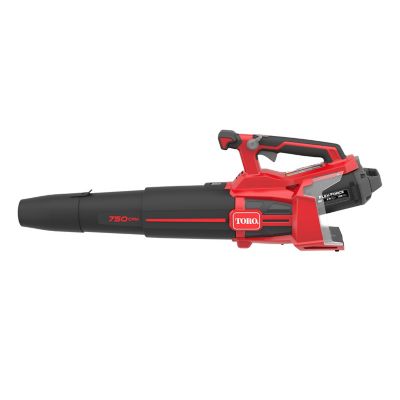
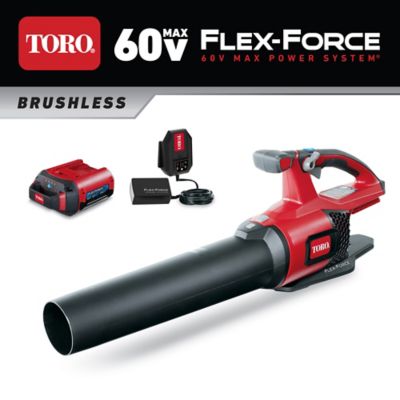
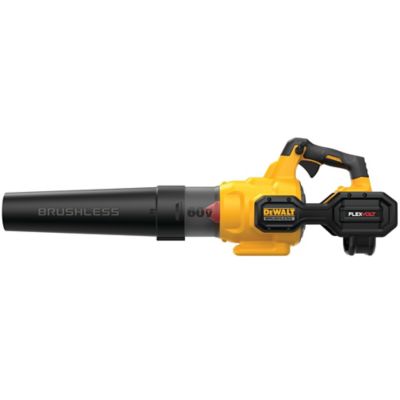
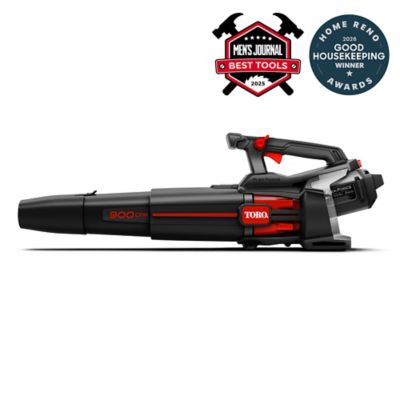
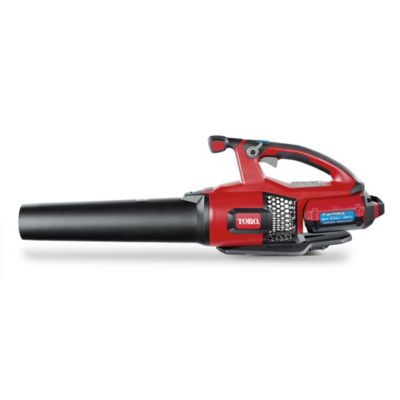
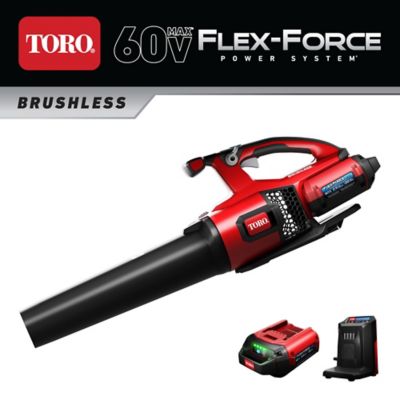
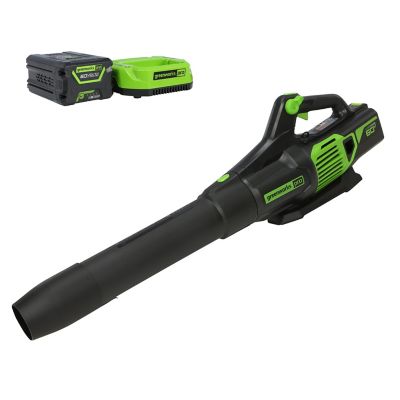
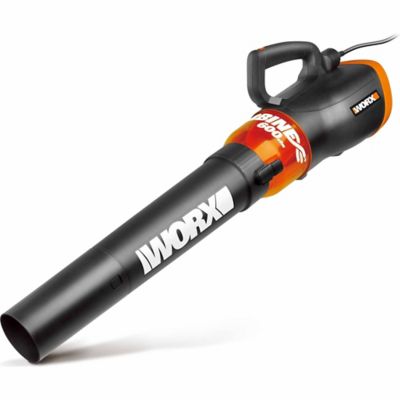
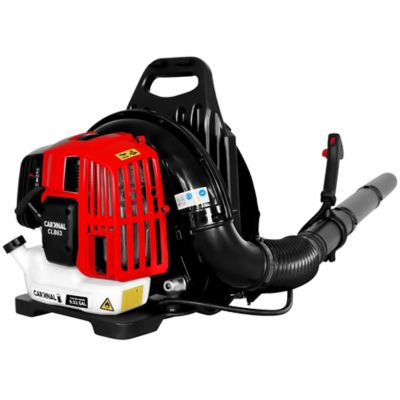
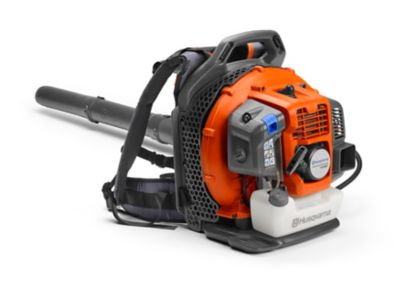
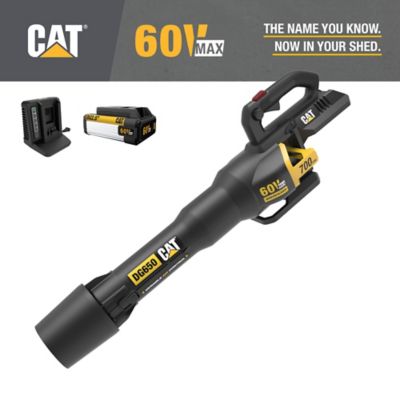
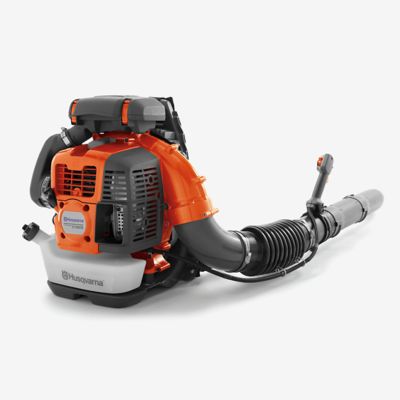
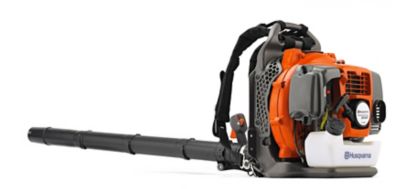
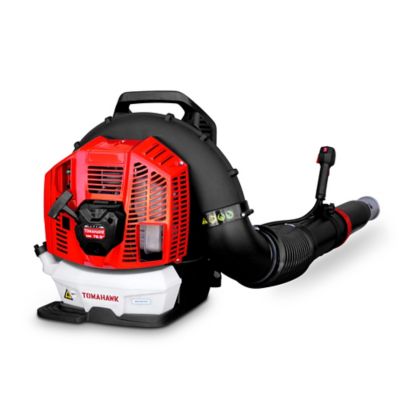
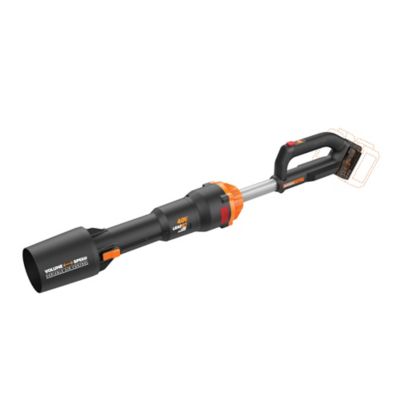
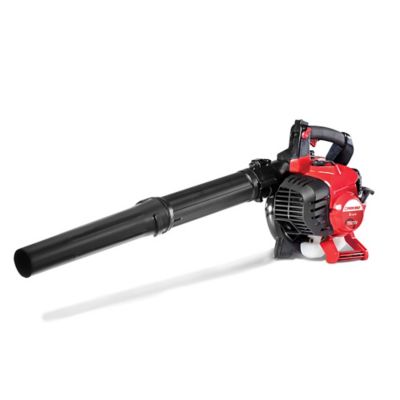
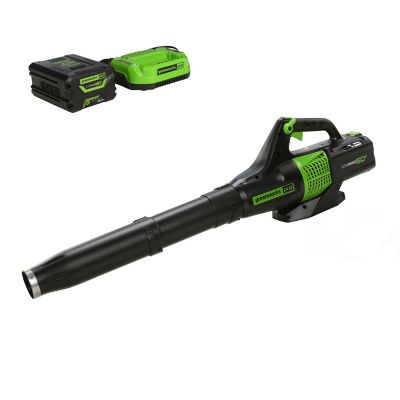
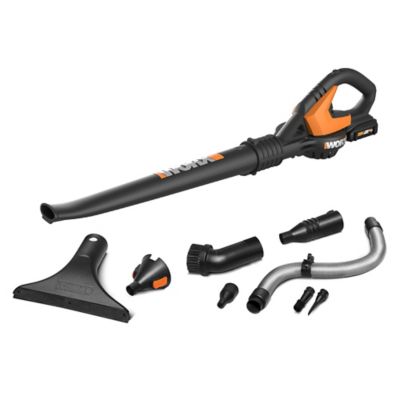
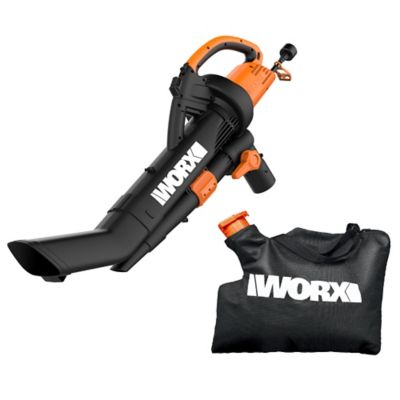
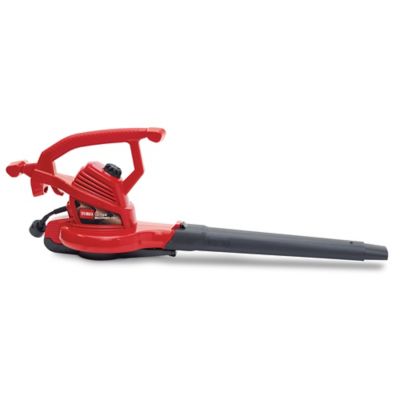
High CFM leaf blowers bring the airflow needed to move broad swaths of leaves across lawns, along fence lines, and away from sheds and outbuildings. CFM stands for cubic feet per minute, a measure of the volume of air a blower moves in a minute. That volume matters when a light scattering turns into a thick carpet beneath mature trees or when leaves collect in the corners of a long driveway. Airspeed, commonly listed in miles per hour, describes how fast that air travels. Both numbers help describe performance, but they tell different parts of the story: airflow helps carry material across an area, while airspeed helps loosen leaves caught in grass or pressed against a hard surface. Neither figure alone tells how a blower will handle every chore. Tube shape, nozzle opening, debris weight, and the distance between the nozzle and the ground all affect the work. A wide air stream can cover open ground efficiently, while a more focused stream can help steer a stubborn pile out from under a hedge. Damp, matted leaves generally demand more effort than loose, dry leaves, especially where they settle into uneven turf. For homeowners with spreading shade trees, acreage owners, and grounds crews, higher airflow can mean fewer passes across the same patch of ground. Around gravel drives, garden beds, and fresh mulch, though, full power is not always the right fit. Variable-speed triggers and cruise-control settings make it easier to match the airflow to the surface, easing leaves along without scattering everything beneath them. A temporary boost setting can provide extra output for a difficult stretch, though its effect on battery runtime or fuel use belongs in the comparison. The most useful match is not simply the largest number on a specification sheet; it is a blower with enough moving power for the property and enough control for the tight spots between the wide-open stretches. That balance matters when one cleanup route runs from an open lawn to narrow paths beside a porch, a vegetable garden, and a wire fence.
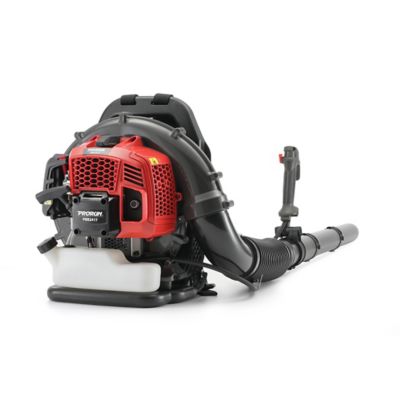
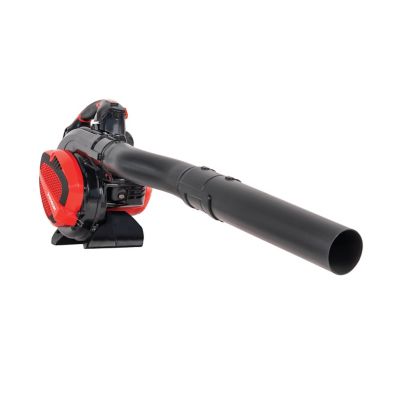
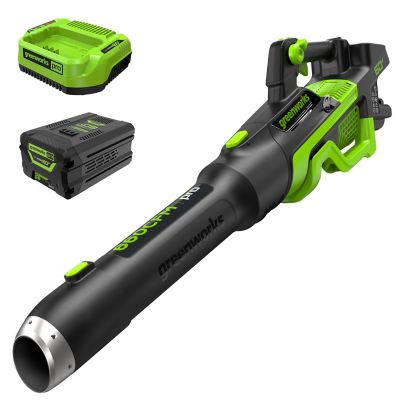
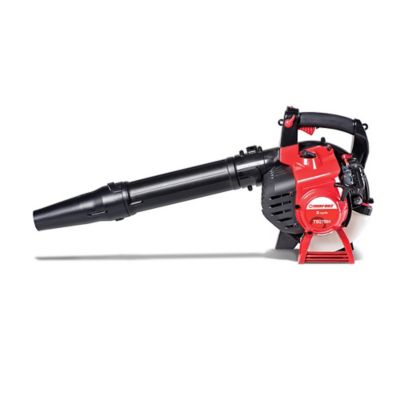
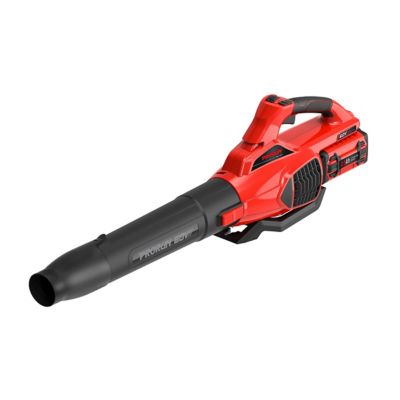
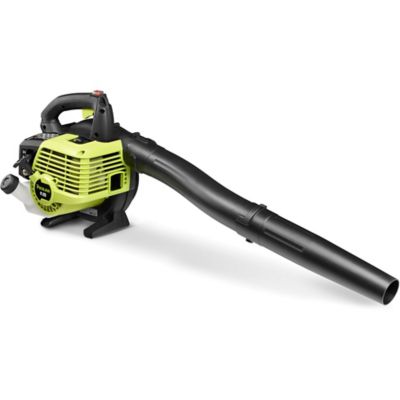
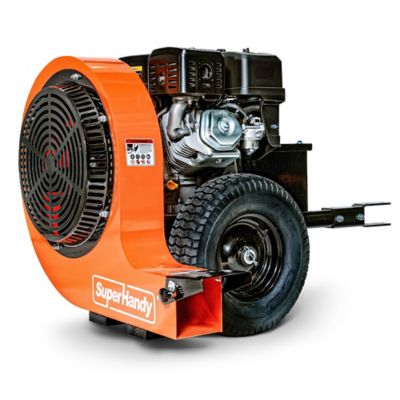
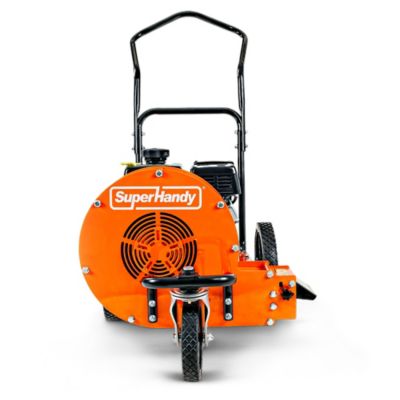
Power source and carrying style shape how high CFM leaf blowers fit into a day’s work. Gas-powered designs offer freedom from cords and can suit properties where cleanup stretches well beyond the house, with refueling needs, engine care, noise, and equipment weight as part of the ownership picture. Battery-powered designs offer push-button starting without fuel mixing, making them a practical fit for regular cleanup around homes, workshops, and fenced yards. Their working time depends on battery capacity, power setting, leaf conditions, and how often the highest output is engaged. A runtime figure at a lower setting may not represent continuous operation at full airflow, so the conditions behind that figure matter. Battery weight also counts toward the load carried around the property, and spare batteries need to match the tool’s specified system.
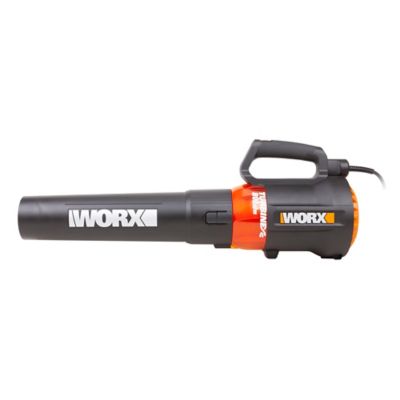
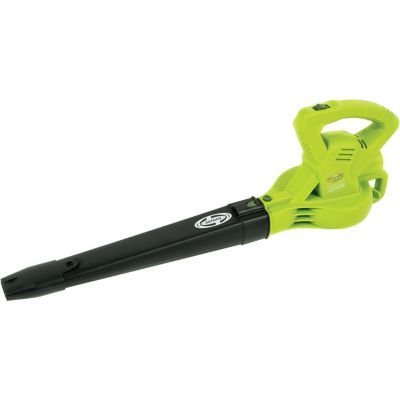
Electric Leaf Blowers include corded and battery-powered designs, giving property owners different ways to match the power source to their work area. Corded designs avoid battery charging and refueling, but their reach depends on outlet placement and a properly rated outdoor extension cord. That arrangement can make sense close to the house, while a route past gates, trees, and distant outbuildings may favor cordless operation. Handheld blowers keep the equipment in one compact package and can be handy for moving between a driveway, walkway, and patio. With longer stretches of work, balance and grip position become just as noticeable as the stated weight. Backpack designs shift much of the load onto the shoulders and hips, with padded straps and an adjustable harness helping distribute it. The blower tube still needs to move comfortably at the operator’s side, without forcing an awkward wrist angle. Reachable controls, room for a gloved hand, and a carrying handle can make everyday handling less of a chore. For shared equipment, a harness that adjusts easily helps different operators get a better fit, while overall size matters when the blower must travel in a truck or share storage space with other yard tools.
Construction and upkeep also influence how a high CFM leaf blower holds up through repeated property cleanup. Molded housings help keep weight manageable, while protected air intakes, secure tube connections, and sturdy handles matter when equipment travels between the shed, truck bed, and yard. Intake placement deserves attention because loose clothing, straps, and leaf litter need to stay clear of moving air openings. A tube that attaches firmly is easier to manage through steady sweeping motions, and replaceable wear parts can help support a longer service life. Access to filters, spark plugs on gas engines, and other routine service points affects how straightforward maintenance will be. Fuel type, oil requirements, and storage procedures vary by engine design, so the manufacturer’s directions remain the right reference rather than assumptions carried over from another tool. Battery-powered equipment has its own care needs, including clean connections, compatible chargers, and storage within the temperature range specified for the battery. Before clearing a blockage or inspecting the fan area, the power source needs to be disconnected according to the equipment instructions. Day-to-day handling matters, too. Leaves and dirt left around cooling openings can interfere with airflow, and a dry, sheltered storage spot helps protect the blower between jobs. Eye protection, hearing protection, and sturdy footwear belong with the work, even when cleanup looks brief. Children, pets, and bystanders need space from flying debris, and exhaust-producing equipment belongs outdoors, never inside a garage, barn, or other enclosed area. A blower is meant to move suitable yard debris, not hot ash, broken glass, animal waste, or clouds of fine dust. Around roadways and neighboring property, controlled airflow helps keep the mess headed toward a collection area instead of somewhere it does not belong. Whether the job is clearing leaves from a long stretch of lawn or gathering scattered material near the equipment shed, the right combination of airflow, handling, and upkeep makes a high CFM leaf blower a practical part of the property-care routine.