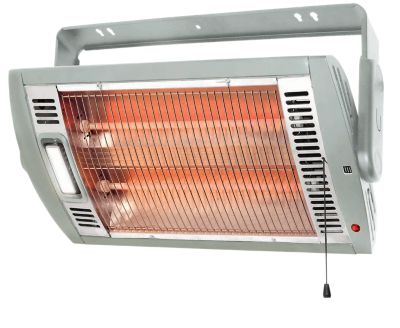
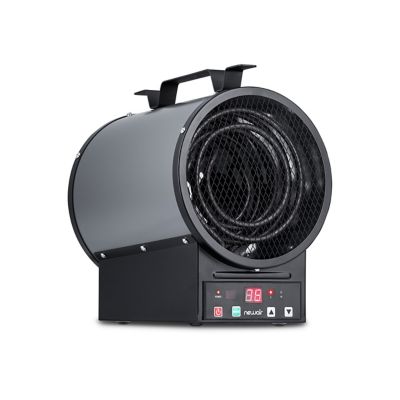
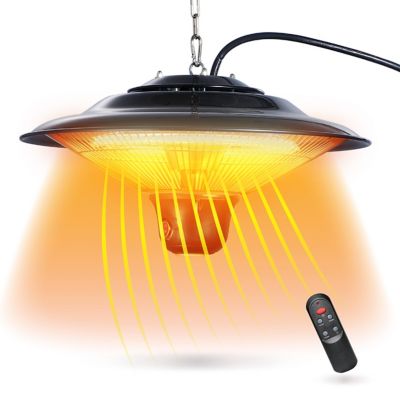
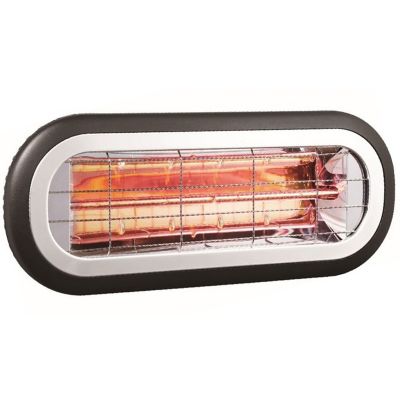
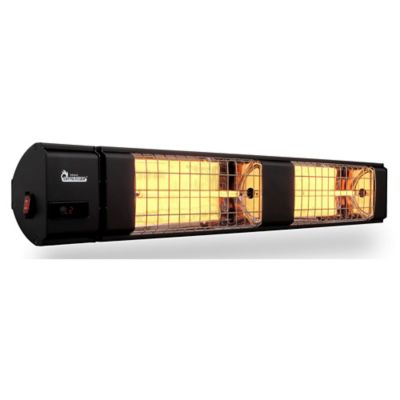
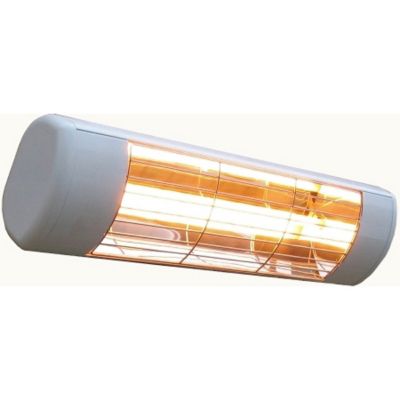
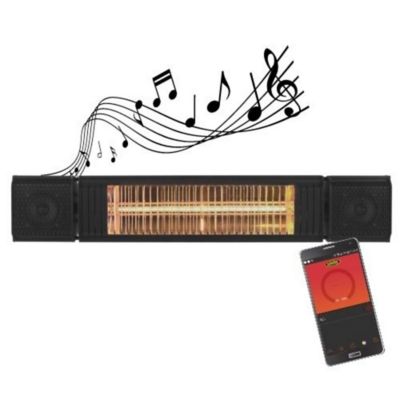
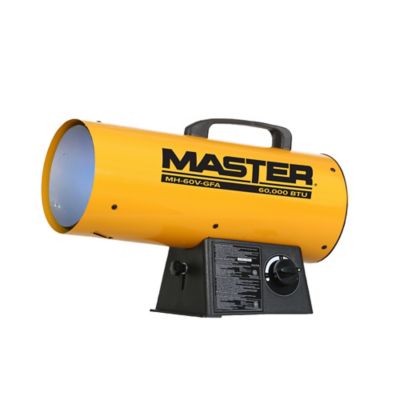
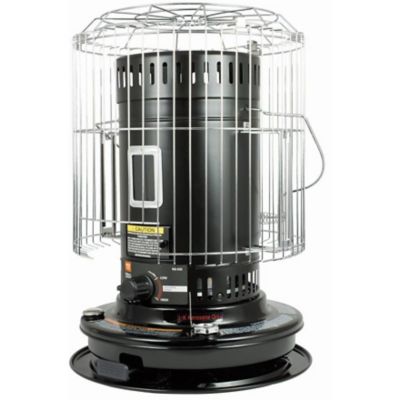
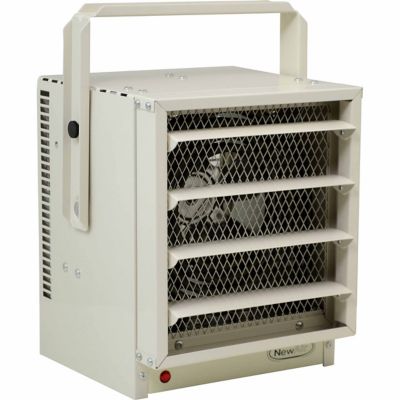
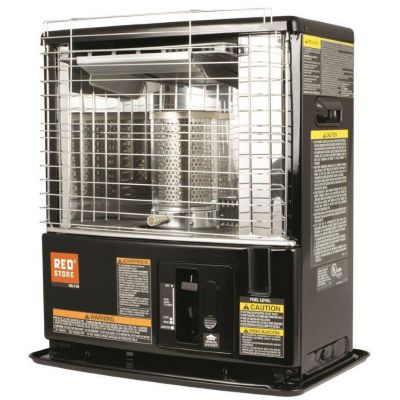
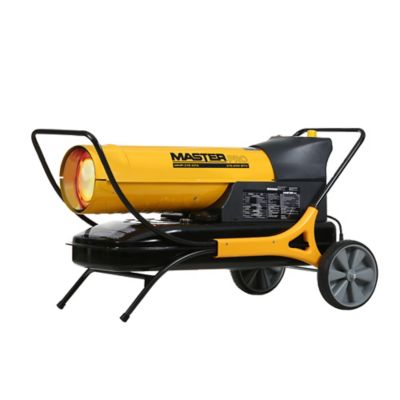
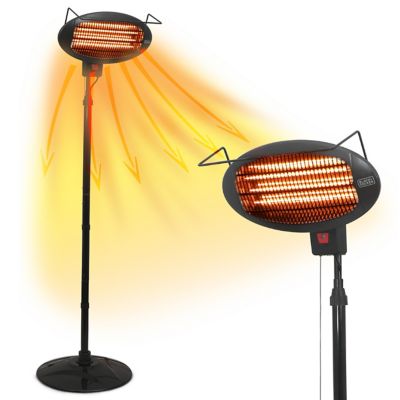
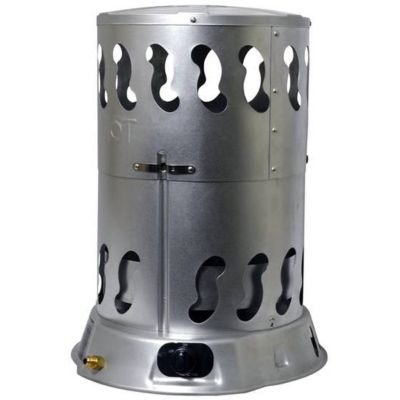
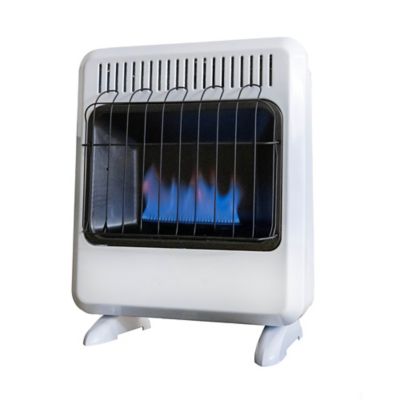
Ceiling heaters can make a big difference in spaces that are tough to heat with a standard furnace or portable heater. Mounted overhead, they help keep valuable floor and workbench space open while sending warmth down into garages, workshops, barns, sheds, mudrooms, covered porches, and other outbuildings. They can be especially handy where cold air settles near the floor, doors open often, or the building has tall ceilings and plenty of room to warm. Some ceiling-mounted heaters use gentle radiant heat that warms people, tools, benches, and nearby surfaces, while others circulate warm air through the room. The right style depends on how the space is used, how well it is insulated, and whether you need steady background warmth or a quick boost while working. A ceiling heater can help take the chill off during the cooler months without tying up a floor outlet or leaving a cord stretched across a walking path. It may also be useful in a tack room while getting animals ready, in a hunting cabin during a cold morning, or in a garage where a do-it-yourself project takes longer than expected. For a more compact space or a spot where ceiling mounting is not practical, you may also want to compare these options with
Unit Heaters, which can be suited to different mounting arrangements and heating needs.
When choosing a ceiling heater, start with the size and layout of the room instead of shopping by appearance alone. Measure the space, note the ceiling height, and think about how much cold air enters through overhead doors, windows, cracks, or uninsulated walls. A well-sealed room may need less heating power than an open shop with a large roll-up door, but even a smaller area can feel chilly if people spend long hours standing still. Check the heater’s recommended coverage area and electrical requirements, including voltage, amperage, and whether a dedicated circuit is needed. Many higher-output heaters should be installed by a qualified electrician, especially in older buildings, barns, or workshops where wiring may already be carrying a heavy load. Look for a thermostat or adjustable heat control when you want to maintain a more even temperature, and consider a built-in fan, remote control, timer, or overheat protection if those features fit the way you work. Noise can matter in a small office, hunting room, or finished garage, while a sturdy metal housing may be more important in a busy shop. If the heater will be used in a dusty, damp, or partially open area, pay close attention to the manufacturer’s location ratings and installation directions. Keep hay, bedding, lumber, fuel cans, paint, cardboard, curtains, and other flammable materials well away from the unit, and maintain the required clearance around it. Never cover a heater or use it as a place to dry gloves, coats, blankets, or shop towels. A ceiling-mounted unit should be firmly secured to an appropriate structural surface, with cords, switches, and controls positioned where they will not be snagged by equipment or exposed to standing water. Taking a little time to plan the installation can help the heater work more efficiently and make the space safer and more comfortable.
Ceiling heaters are a practical choice for homeowners, farmers, ranchers, mechanics, hobbyists, and anyone who spends time in a chilly work area. They can help make a detached garage more inviting for repairs, keep a workshop comfortable while building or refinishing projects, or add warmth to a covered outdoor area when family and friends gather around a table. In a barn or animal-care space, heating should be planned with extra care because dust, moisture, bedding, and curious animals can create added hazards. A heater is not a replacement for proper ventilation, shelter, or species-appropriate animal care, and it should never be placed where livestock, pets, or equipment can bump into it. For people, comfort also depends on clothing, airflow, and the surfaces around the heater. Radiant heat may feel pleasant on a person working at a bench, much like standing in a patch of sunshine on a cool day, while fan-forced heat may be better when the goal is to warm the air throughout an enclosed room. Use a thermostat to avoid overheating the space, close doors and windows when possible, and check filters, vents, mounting hardware, and electrical connections as part of regular upkeep. Remove dust and cobwebs according to the care instructions, particularly in a garage or outbuilding where sawdust and dirt can collect overhead. A ceiling heater can also make a thoughtful gift for someone setting up a new shop, finishing a man cave, restoring an old barn, or spending more time on weekend projects. Before buying for someone else, confirm the room size, available power, ceiling construction, and intended use so the gift fits the space instead of creating an installation headache. With the right match and careful setup, overhead heat can turn a cold, drafty work area into a more useful place for fixing, building, gathering, and getting chores done.