Manual edgers give you a straightforward way to shape the boundary between lawn, walkways, driveways, garden beds, and other parts of the property. Unlike powered lawn equipment, these tools work with your own push, pull, and foot pressure, so they make little noise and do not need fuel, a battery, or an extension cord. That makes them handy for early morning yard work, smaller properties, narrow side paths, and quick touch-ups near the house. A clean edge can make mowing easier by helping grass stay out of gravel, mulch, and planting beds, while also giving the whole yard a cared-for appearance. Manual edgers are often a good fit for homeowners who prefer simple equipment, gardeners maintaining several separate beds, landlords caring for rental properties, and anyone who wants to keep a basic lawn-care setup on hand. They can also make a practical gift for a new homeowner, a relative tending a country place, or a neighbor who enjoys keeping the walk from the driveway to the porch neat. During the cooler months, when grass growth slows in many areas, a manual edger can help tidy borders and keep small overgrowth from taking hold before the next active growing season.
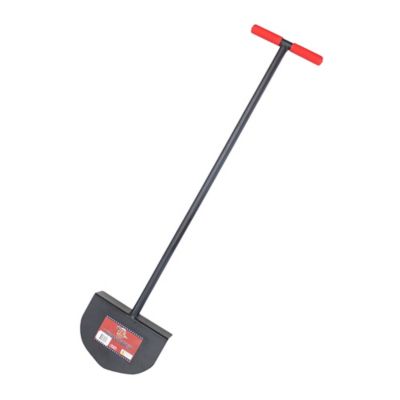
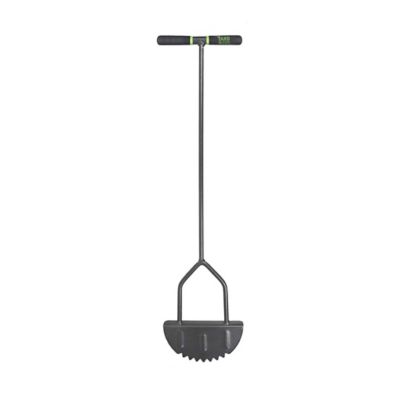
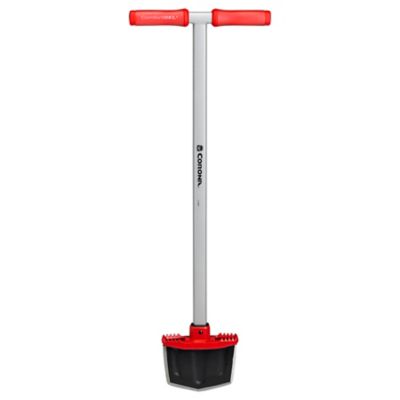
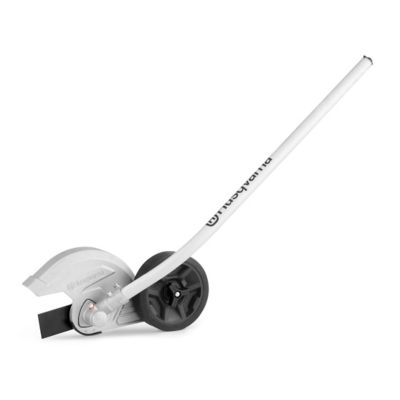
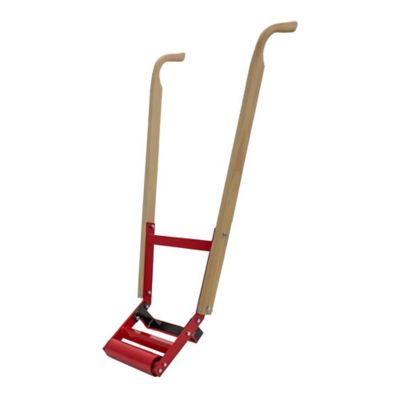
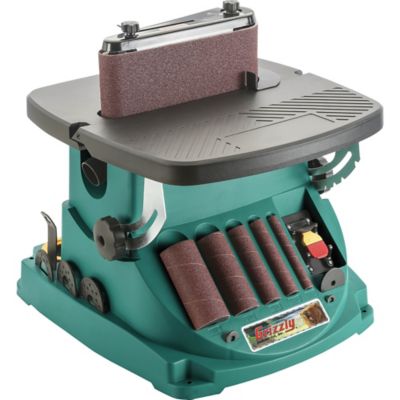
The main manual edger styles work in slightly different ways, so the right choice depends on the ground and the type of line you want to maintain. A half-moon or standing edger has a broad, curved blade and a footplate. Set the blade where the lawn meets the bed or pavement, press down with your foot, and work along the border in a series of controlled cuts. Your body weight supplies much of the force, making this style useful for establishing a clear line beside a sidewalk, driveway, or straight garden bed. Some standing edgers have a smooth cutting edge, while others have serrated teeth that grip into firm soil, dry earth, tangled turf, or small roots. A toothed edge may be especially helpful when a border has gone unattended through a stretch of warm weather, though it still works best when you take steady bites rather than forcing the blade through a large mass of roots. Rotary wheel edgers are pushed along the border and use a rolling cutting action to create a continuous line. They can feel natural on long, fairly even stretches, such as the side of a pavement walk or the outer edge of a lawn. Before choosing a style, look at the surfaces around your yard, the length of the borders, and how much effort you want to put into each pass. Soft soil may call for a simple blade, while compacted ground can benefit from a footplate, a heavier cutting head, or serrated edges. Handle height matters, too; a handle that lets you stand comfortably can reduce hunching, and a grip that stays secure in damp conditions helps you keep control. Check the blade width, overall weight, and storage needs as well. A narrower cutting head can fit into tight spaces around shrubs and fence posts, while a wider head may cover more ground on open borders. For those who also spend time smoothing and finishing the edges of wood projects, an
Edge Sander can serve a separate workshop purpose, but it is not a substitute for a lawn edger.
Good results come from setting up the border before you start and keeping your pace even. If the old line is hard to see, stretch a length of string or lay a garden hose along the intended path to help you follow a gentle curve. Marking the route first is particularly helpful around new beds, curved paths, and corners where the lawn tends to creep outward. Watering the area lightly can soften dry soil, but avoid working in mud, since wet ground can smear across the pavement and make the border harder to see. Clear away stones, sticks, and thick clumps of thatch, then place the blade just inside the lawn so the cut separates grass roots from the bed or walkway without removing more soil than needed. With a half-moon style, press down, lift, and move forward a short distance before repeating. With a rotary style, keep the wheel aligned with the existing groove and let the cutting action do the work rather than shoving it sideways. Wear sturdy shoes with closed toes, gloves that allow a firm grip, and eye protection when the ground contains gravel or loose chips. After edging, sweep clippings and loosened soil from pavement and pull away any grass that still hangs over the line. Rinse soil from the cutting head when needed, dry the metal before storage, and keep the tool in a sheltered spot where it will be ready for the next round of yard work. A few minutes of attention along the borders during the cooler months can leave paths clear, beds defined, and the property prepared for the return of faster grass growth as the weather warms.