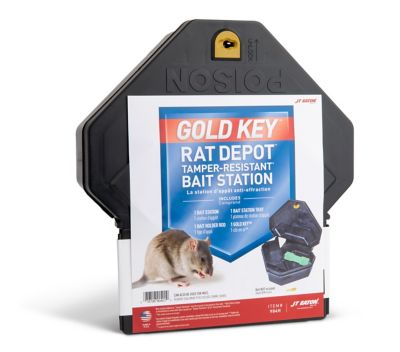
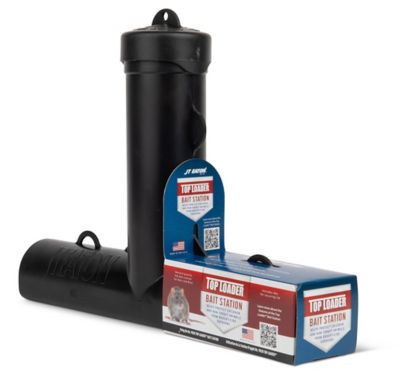
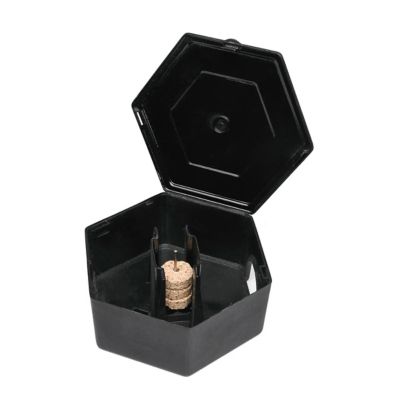
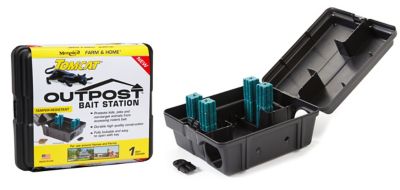
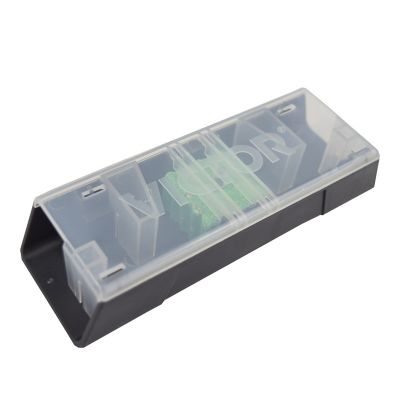
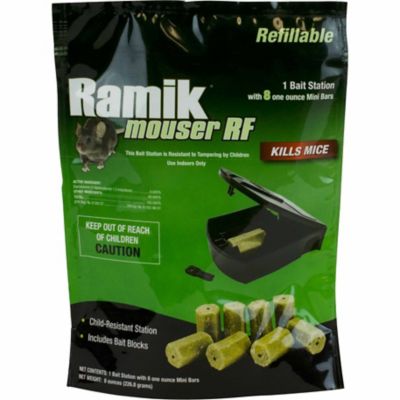
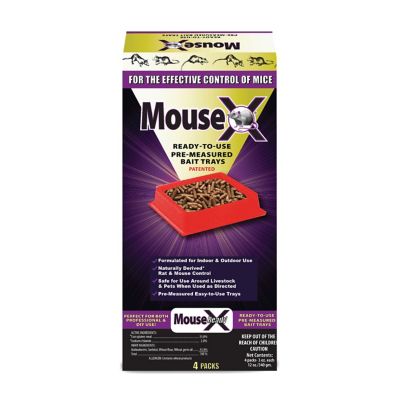
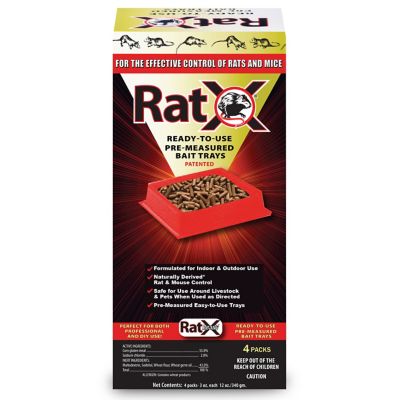
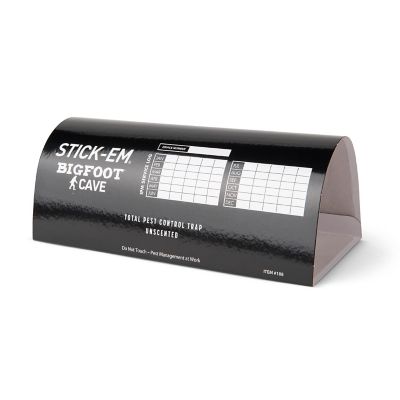
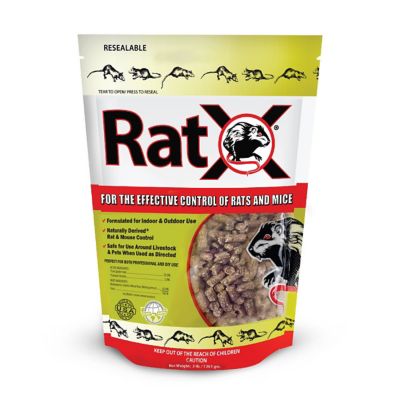
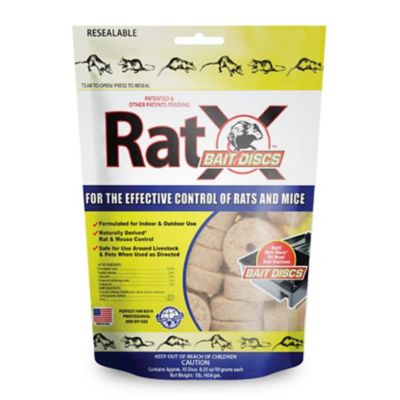
Mouse and rat bait stations are enclosed housings designed to hold compatible rodent bait where mice or rats can reach it while helping limit access by children, pets and other non-target animals. Tamper-resistant models add barriers such as locking lids and recessed bait compartments, but no station makes rodenticide harmless or removes the need for careful placement. The housing and the bait serve different jobs: the station contains and secures the bait, while the rodenticide inside controls the rodents according to its label. A station alone does not kill or capture mice and rats, although certain housings can accommodate compatible traps. That distinction matters when comparing empty, refillable housings with prefilled stations or enclosures built for a particular trapping setup. Around a home, garage, workshop or farm building, these products offer a way to keep compatible bait in a designated location rather than leaving it exposed. Mice working along a garage wall or rats traveling beside a storage building tend to favor sheltered routes, so a station’s footprint, entrance position and placement requirements all affect how well it fits the space. A narrow enclosure may fit along a wall without crowding a walkway, while a larger housing may provide the clearance necessary for rats. Mouse-only stations should not be expected to accommodate larger rodents. For homeowners, acreage owners and property caretakers, the best match depends on the target pest, the setting and the amount of access people and animals have to that area. A locked feed room presents different considerations from a detached shed, and a household with a curious puppy needs particular attention to access restrictions. Rodent activity can mean gnawed feed bags, damaged packaging and contaminated storage areas, but a bait station is only one part of managing those problems. Its role is controlled bait presentation, not repairing entry holes, securing feed or removing the food and shelter that draw rodents in.
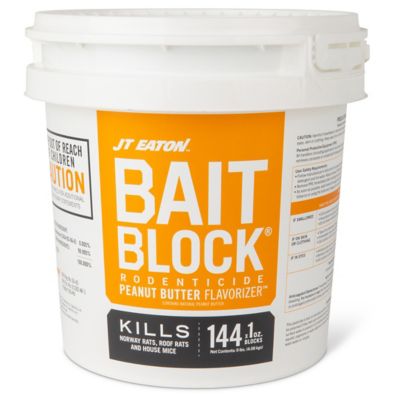
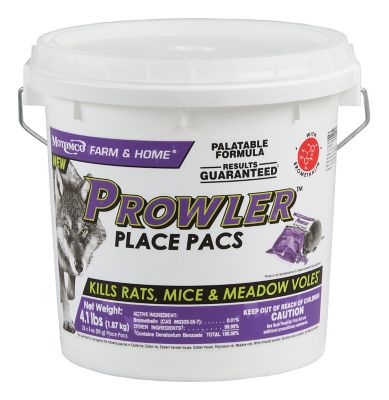
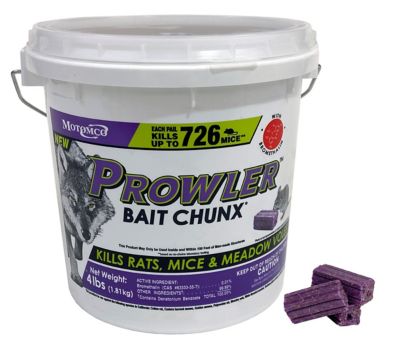
Construction, dimensions and bait compatibility are practical differences to compare across mouse and rat bait stations. Molded plastic housings are common, and features such as reinforced corners, sturdy hinges and protected locking points can help a station stand up to routine handling. Some designs include metal components, internal rods or other retainers that secure the bait format specified for that housing. Blocks, soft bait pouches and other formulations are not automatically interchangeable, so the station instructions and rodenticide label need to agree. A housing with the wrong retention system may not hold a particular bait as intended. Entrance size also deserves attention: the goal is access for the labeled target rodent, not the largest opening possible. Internal partitions and recessed feeding areas can put distance between the entrance and the bait, while a properly functioning closure helps keep the lid from opening unintentionally. Depending on the model, anchoring points or a weighted base may help keep the enclosure in its designated position. Those features matter around busy work areas where a loose housing could be bumped by a boot, a broom or equipment. Overall size is only part of the fit; the lid also needs enough clearance for inspection without forcing the station out of position. A compact footprint can be handy behind stored equipment, but a location that makes checks nearly impossible is a poor match for ongoing maintenance. Refillable stations may suit properties that need continued monitoring, while a nonrefillable design has a different replacement routine. Keys, replacement parts and compatible refills are worth considering as part of that longer-term setup. Inspection windows or clearly defined bait compartments, where included, can make activity easier to assess, though the absence of visible feeding does not necessarily mean rodents are gone. Material condition matters over time as well. Cracks, gnawed openings, broken hinges or a lid that no longer latches can compromise the enclosure, making condition checks just as important as the original choice of housing.
Intended use is another deciding factor, especially where homes, livestock areas and outbuildings share the same property. A station labeled for indoor placement is not automatically suitable outside, and an enclosure’s outdoor designation does not override restrictions on the bait inside it. Rodenticide labels may limit application sites, placement distances, target species and who can apply the bait. Both sets of directions matter. In a barn aisle, tack room or storage shed, a station also needs a position that keeps it away from feed, drinking water and surfaces where food is handled, as directed by the label. Tamper resistance reduces access to the contents; it is not a promise that a child, dog, cat or farm animal cannot reach them. Pets and wildlife can also face poisoning risks from eating poisoned rodents, so an enclosed station does not eliminate every exposure route. For properties with animals that roam, that concern belongs in the selection decision alongside housing size and closure style. Routine care generally includes label-directed checks, attention to damaged parts and proper handling of remaining bait and rodent carcasses. Cleaning methods should follow the station manufacturer’s directions rather than treating every housing like an ordinary storage box. Keeping feed in tightly closed containers, clearing spilled grain and closing rodent entry points supports the work of a station without adding more bait to the property. Pest-specific selection matters elsewhere around the house, too:
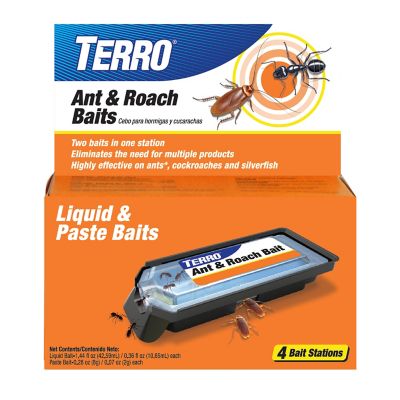
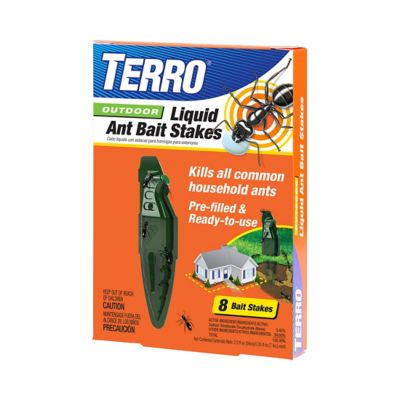
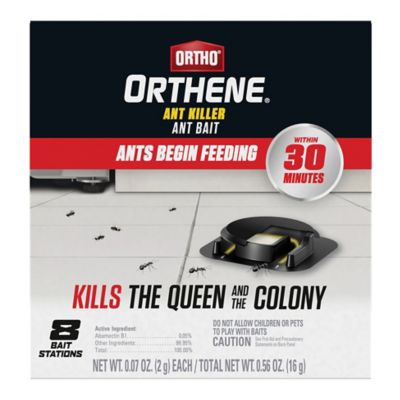
Ant Bait Stations for Home Use address a different pest and are not interchangeable with rodent bait housings or their contents. For mouse and rat control, a well-matched setup brings together the correct enclosure, compatible labeled bait and a placement plan suited to the property. A housing that fits its location, closes securely and allows straightforward inspections is easier to manage consistently, whether the concern is a garage corner, a workshop wall or another label-approved area.