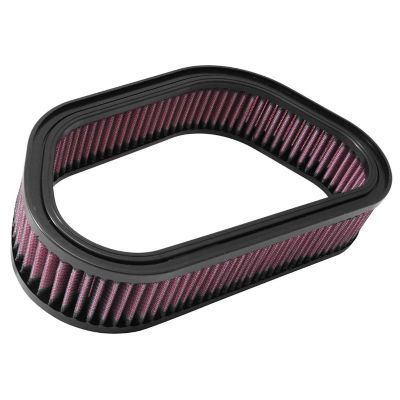
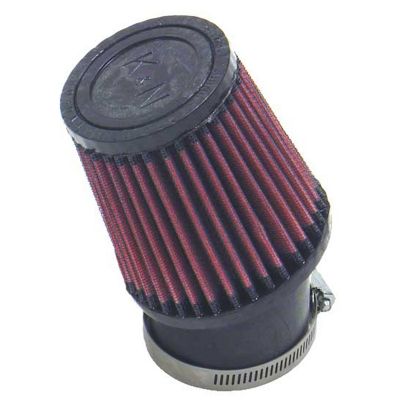
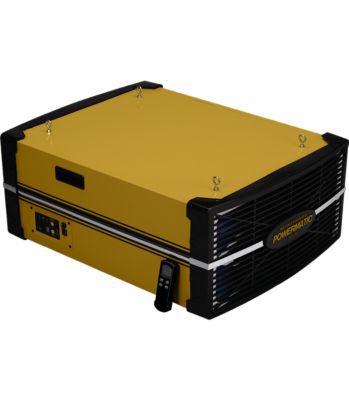
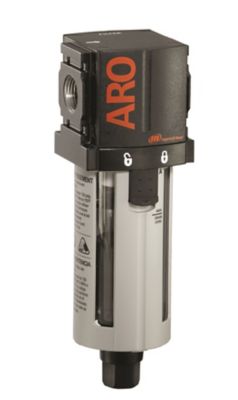
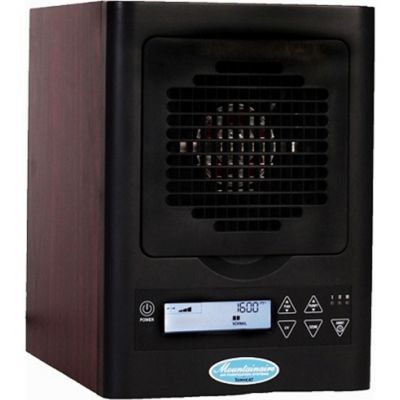
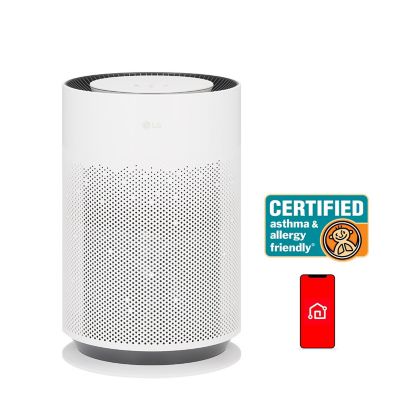
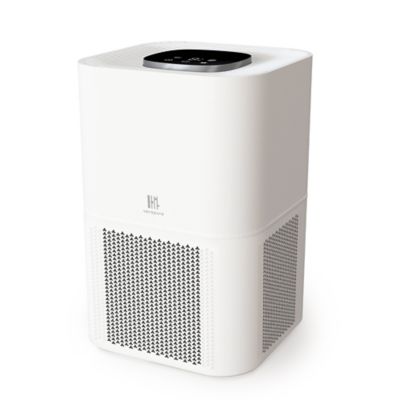
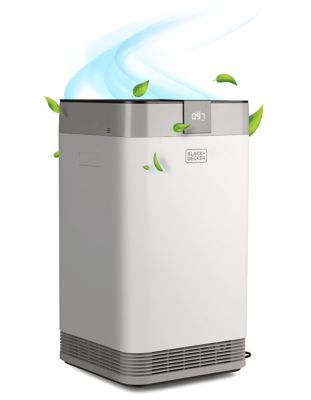
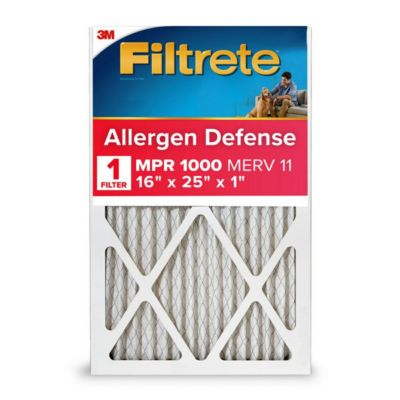
When it comes to keeping your workshop, garage, or barn air clean, a good shop air filter is just about essential—especially as you’re sanding, sawing, welding, or working on projects that kick up a lot of dust and fine particles. Folks who spend long hours in their workspaces know that dust can settle everywhere, from your tools to your lungs, and it doesn’t take much for the air to get thick with stuff you’d rather not be breathing. Whether you’re a woodworker shaping up furniture, a metalworker grinding out custom parts, or just someone who likes to tackle weekend DIY projects, having a reliable air filtration system makes a world of difference in comfort and safety. Even during the changing seasons, when you might be shutting the shop door to keep out the cold or flinging it wide open to let in a late summer breeze, an air filter helps keep those airborne particles under control. And for anyone with allergies or sensitive lungs, it’s not just about keeping things tidy—it’s about making sure every breath you take is a little bit cleaner.
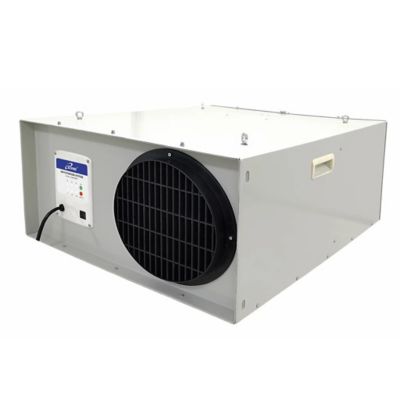
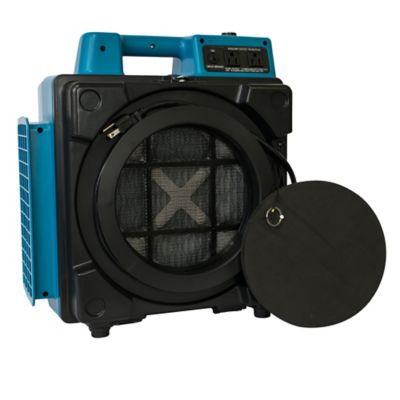
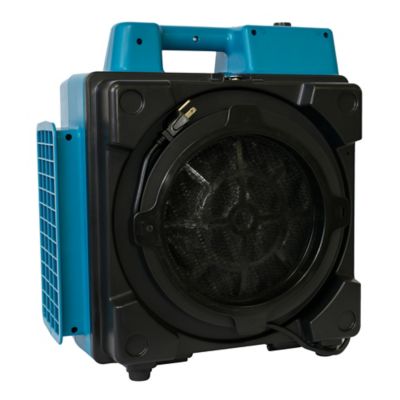
Choosing the right shop air filter depends on a few key things: the size of your workspace, how much dust you’re generating, and how often you’re at it. Look for models with a strong CFM (cubic feet per minute) rating, which tells you how quickly the unit can cycle and clean the air in your shop. A higher CFM is handy for bigger spaces or if you’re running tools that really kick up the dust. Most folks find that aiming for at least 7 to 10 air changes per hour keeps things breathable. Another thing to keep an eye on is the filter setup—two-stage systems with a pre-filter for larger particles and a finer filter for the tiny stuff help catch more of what’s floating around. If you’re working with a ceiling-mounted unit, make sure it’s hung up securely with chains or eye bolts, well out of your way but still able to pull in dust from every corner. These systems aren’t just for full-time craftspeople, either. They make a thoughtful gift for anyone setting up a new shop, fixing up an old barn, or just trying to breathe easier while tinkering with their hobbies. And if you’re keeping up with regular maintenance or looking for parts to keep your system running smooth, you can always check out options like
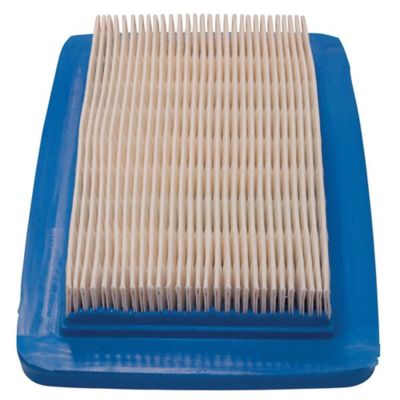
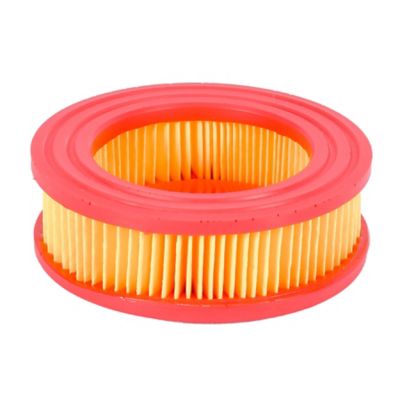
Echo Air Filters to keep your setup working its best.
No matter what you’re working on—whether it’s prepping for the busy harvest season, building out new storage, or just enjoying some time in the shop as the days get shorter—a dependable air filter helps protect both your workspace and your health. You’ll notice less dust settling on your benches, tools, and shelves, and you’ll spend less time cleaning up after a big project. For families with kids or pets who like to hang around the shop, or for anyone who likes to keep things neat, it’s a simple upgrade that pays off every time you fire up the saw or sander. With so many models out there, from compact units for smaller garages to heavy-duty systems for big barns or commercial shops, there’s something to fit every need and budget. Taking the time to pick the right filter means you can get back to what you love—working with your hands, making something new, and enjoying a cleaner, safer shop all season long.