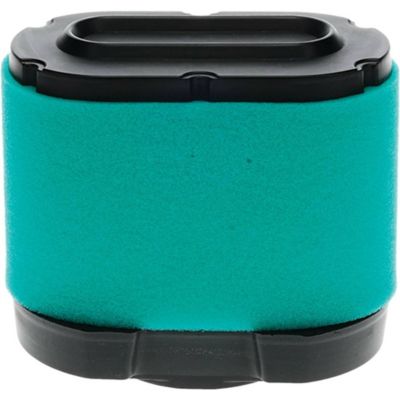
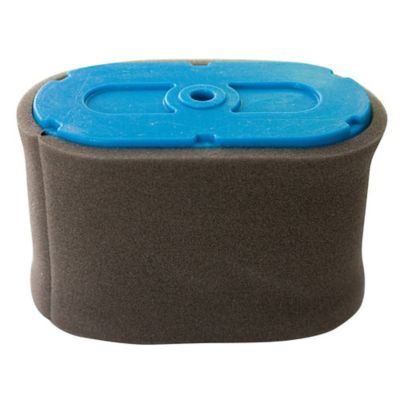
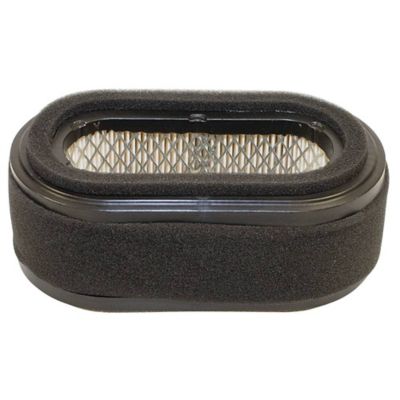
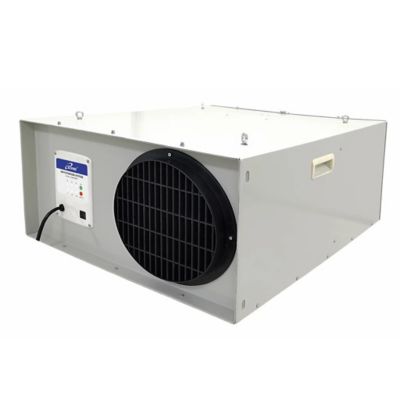
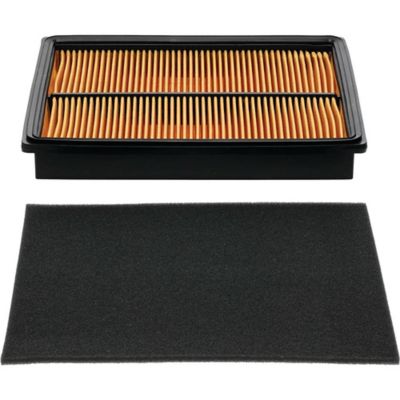
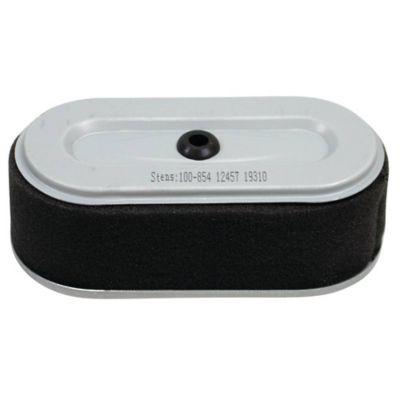
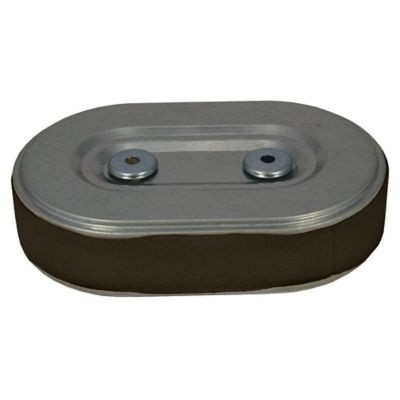
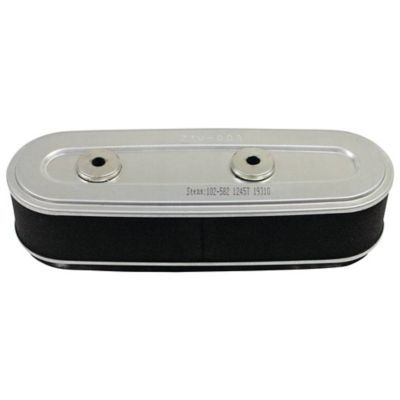
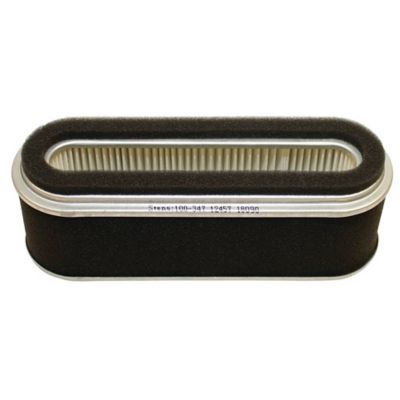
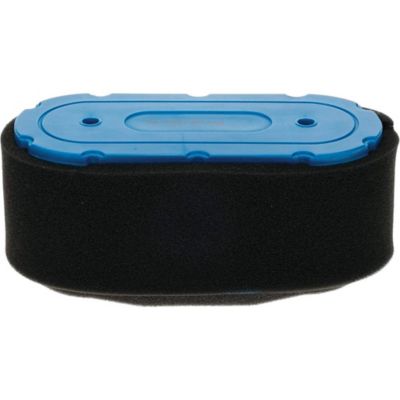
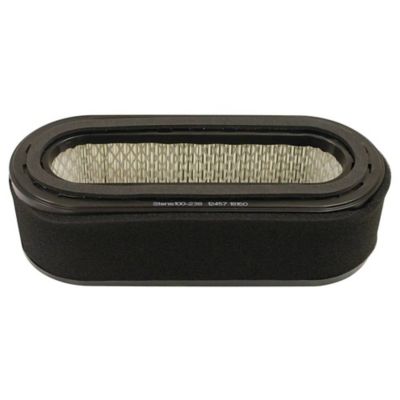
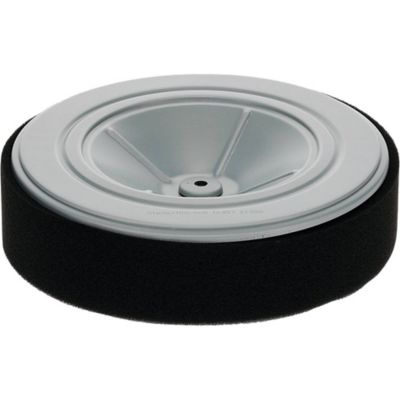
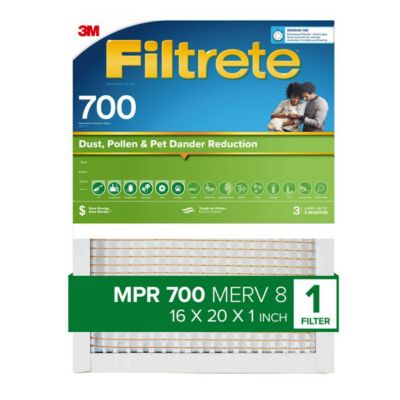
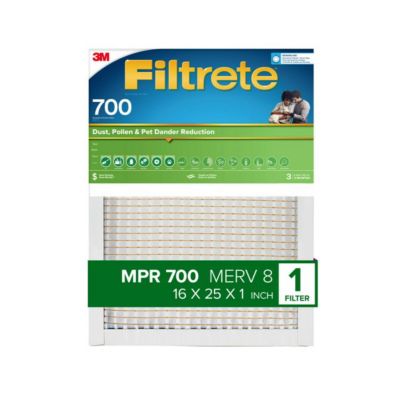
Air system filters help keep airborne dust, lint and other particles from circulating through living spaces and collecting inside heating and cooling equipment. Around a country home, that can mean dust carried in on work clothes, pet hair drifting across the hallway or pollen coming through an open door. Different filters handle different jobs, so the right match starts with the equipment and the space it serves. Furnace and HVAC filters sit in a designated return grille or filter cabinet, catching particles as air moves through the system. Whole-house filtration systems work within compatible ductwork to treat circulating air throughout the home, while portable air purifier filters serve individual rooms. A bedroom, home office or mudroom may have different filtration needs than a busy living room where pets spend most of the day. Basic panel filters generally focus on larger debris, while pleated filters provide more filtering surface within their frame and can capture smaller particles, depending on their rating. Some room air cleaners combine a particle filter with activated carbon to help reduce certain odors and gases. Those layers do different work: particle media catches airborne material, while carbon adsorbs certain gas molecules onto its surface. Neither replaces good ventilation, regular cleaning or fixing the source of smoke, moisture or strong odors. Filters also only treat air that passes through them, so room size, equipment placement and operating time all affect the results. For households comparing replacements across heating equipment and room air cleaners,
Shop Air Filters offers a place to explore the broader category. Whether the concern is everyday household dust or the extra debris that follows chores indoors, air system filters belong alongside routine equipment care. Their value comes from matching the filter’s purpose to the job, rather than expecting one filter style to handle every kind of airborne material. That distinction matters just as much in a small farmhouse as it does in a home with several heating and cooling zones.
Filter ratings help explain what different air filtration materials can capture, but fit and airflow matter just as much as the number on the label. MERV, short for Minimum Efficiency Reporting Value, measures a filter’s ability to capture particles across defined size ranges. Common residential ratings include MERV 6–8 for larger particles such as dust and lint, MERV 9–11 for greater capture of particles that include pollen and pet dander, and MERV 12–13 for improved capture of finer particles. Performance varies within each range, and no MERV rating means a filter removes every pollutant. A higher rating is not automatically the right choice for every furnace or air handler; the equipment needs a filter that provides the specified airflow without excessive resistance. Filter depth, media design and the condition of the filter all influence that resistance. True HEPA filters capture at least 99.97% of particles measuring 0.3 microns under standard test conditions, but they typically belong in equipment specifically designed for them rather than serving as a direct replacement for a standard furnace filter. For portable air cleaners, the unit’s clean air delivery rate and recommended room coverage help put filter performance into perspective. A filter suited to a small bedroom may not support the same results in a large, open living area. Physical dimensions need equal attention. The nominal size printed on an HVAC filter is often a rounded size, while its actual measurements may be slightly smaller. Length, width and thickness must match the designated opening and equipment requirements, with the frame seated properly so air cannot easily bypass the media. A deeper filter is not interchangeable with a thinner one unless the cabinet accommodates it. Airflow arrows indicate the intended installation direction, generally toward the blower in a central system. For replacement air purifier filters, compatibility depends on the specified equipment fit, not simply a similar shape. A snug fit and suitable rating help the filter do its job without putting an unnecessary restriction in the air’s path.
Materials and construction influence how air system filters stand up to everyday operation and how they need to be maintained. Fiberglass panel filters generally have an open structure for capturing larger debris, while pleated synthetic media provides additional surface area in a compact space. Depending on the design, frames may be made from paperboard, plastic or metal, with reinforcement that helps the filter hold its shape as air passes through. A frame that bends, gaps at the edges or no longer seats firmly can compromise filtration, even when the media still looks fairly clean. Washable filters are a separate category and need cleaning and complete drying according to their manufacturer’s directions; disposable media should not be rinsed and returned to service. HEPA and carbon replacement filters likewise need the care specified for their construction, since washing or aggressive cleaning can damage materials not intended for it. Replacement timing depends on the filter, equipment runtime and conditions around the home. Many standard residential HVAC filters carry replacement intervals around 60–90 days, but a house with several pets, frequent door traffic or nearby dusty work may call for more frequent inspection and earlier replacement. Some deeper media filters have longer specified intervals, so a fixed schedule does not fit every system. Portable air purifier filters follow their own service schedules, and an indicator light is best considered alongside the manufacturer’s directions and actual operating conditions. During the cooler months, longer furnace runtimes can move more air through the filter and increase particle buildup. A dusty filter can restrict airflow, while damp media, tears or a damaged frame warrant attention regardless of the calendar. Moisture around a filter also calls for checking the underlying cause rather than simply fitting another replacement. For homes beside gravel lanes, households with indoor pets and folks coming in from barn or yard chores, regular filter checks are a practical part of keeping heating and air-cleaning equipment working as intended. The best-fitting option balances particle capture, airflow and manageable upkeep for the way the household actually lives.